Cruise Guilin by boat, overnight in Ha Long Bay — compare 3 major karst wonders
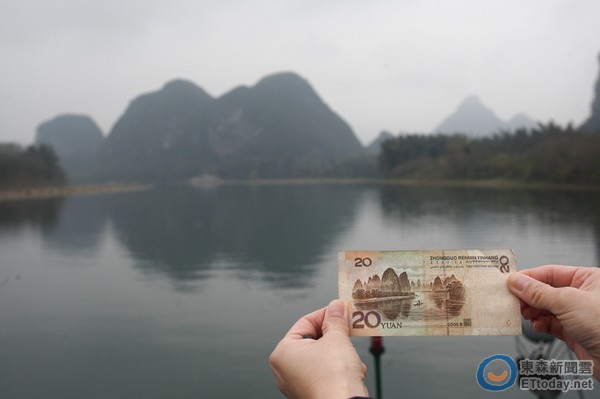
▲ The scenery on the Chinese 20-yuan banknote is none other than the Guilin landscape. (Photo by reporter Chen Ruizhong, the same below)
Reported by Chen Ruizhong, Taipei
In nature, there are often many wondrous landforms shaped by miraculous forces. Karst landscapes (karst topography), revealed through erosion and presenting a myriad of forms, are a must-see feature for many travel and photography enthusiasts. Among the most representative in Asia arethe Guilin landscape, the Zhangjiajie stone forest, and the Ha Long Bay seascape limestone pillars.
When it comes to karst landforms in mainland China, the most famous areGuilin and Yangshuo. In particular, the saying “Guilin’s scenery is the best under heaven, but Yangshuo’s scenery is the best in Guilin” has made both Guilin and Yangshuo must-visit cities for many travelers.
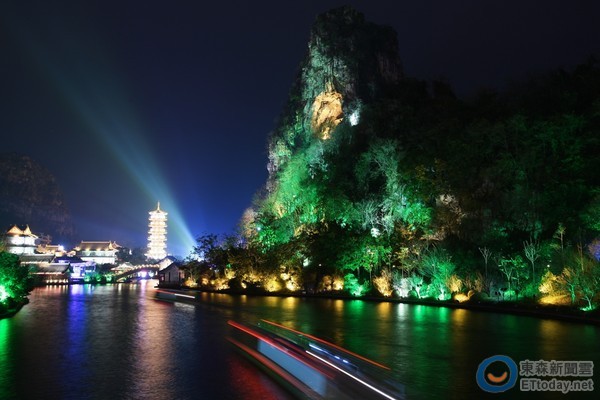
▲ The water features of the Two Rivers and Four Lakes give Guilin a unique charm even at night.
The so-called landscape refers to a combination of mountains and water. Guilin has a mild, rainy climate, and within its territory lies the Two Rivers and Four Lakes water system, consisting of the Li River, Peach Blossom River, and lakes such as Ronghu. As a result, the area is rich in moisture and often shrouded in misty rain. Amid this poetic ambiance, visitors can admire the verdant mountains set against the soft hues of traditional Chinese ink painting. In addition, strict building height restrictions are enforced across the region to preserve the layered mountain silhouettes and serene flowing waters that define Guilin’s visual identity.
Since most karst mountains in Guilin are under 50 meters tall, and the Two Rivers and Four Lakes area is steeped in historical charm, the government imposes strict limits on building heights to maintain Guilin’s distinctive visual experience of rolling peaks and gentle waters.
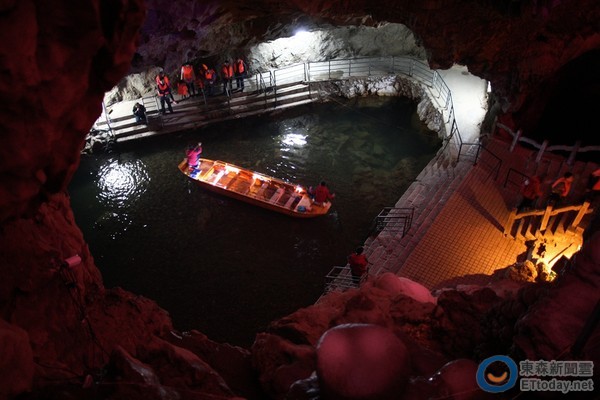
▲ Inside the Guanyan Cave in Yangshuo, visitors can enjoy the unique experience of taking an underground boat ride.
Thanks to Guilin’s vast network of waterways, travelers here can explore not only by vehicle or on foot, but also by boat to admire the mountain and forest scenery along the Li River. The scenery depicted on the 20-yuan banknote is precisely this harmonious blend of Guilin’s mountains and waters.
Guilin and Yangshuo are about a one-hour drive apart. Surrounding the two cities are not only sections of the two rivers but also the most iconic karst landscapes, including the Ten-Mile Gallery, Moon Hill, Nine-Horse Painting Hill, and Elephant Trunk Hill — all offering visitors a glimpse of nature’s marvels. Beneath the earth’s surface, travelers can also visit sites like Yinziyan and Guanyan to admire unique stalactite columns and stone stalagmites. Within the Guanyan scenic area, special subterranean transportation such as cave boats, cave trains, and cave elevators allow for up-close exploration of the karst formations.
▲ Scenery along the Li River in Guilin.
Sightseeing highlights of Guilin and Yangshuo
Landscape features: Natural beauty formed by the combination of mountains, water, rain, and fog.
Special transport: River cruises, underground boats, underground trams
Peak travel season: April to November
Extra charm: The backdrop of a Chinese banknote
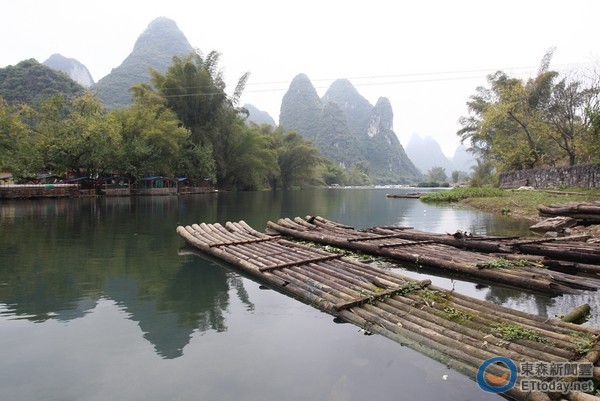
▲ Mountains, water, and greenery are the main elements that make up Guilin’s scenery.
One of the most popular tourist attractions in mainland China in recent years isZhangjiajie, which shot to fame thanks to the movie *Avatar*. Also part of the karst landscape, Zhangjiajie features more towering terrain and distinctly different landforms compared to Guilin, showcasing another kind of powerful beauty.
If Guilin’s karst mountains present isolated peaks along its rivers, Zhangjiajie’s karst landscape consists of continuous, majestic peaks with giant quartz sandstone pillars occasionally rising high above the valleys. As a result, cable cars and elevators become the best modes of transport in the Zhangjiajie scenic area. Attractions such as the Tianmen Mountain Cableway and the Bailong Elevator are world-renowned for their length and passenger capacity.
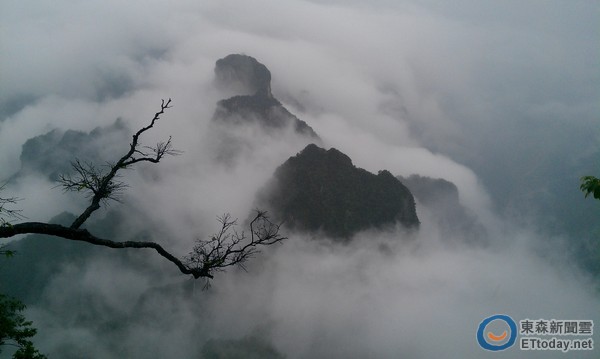
▲ Misty Zhangjiajie is filled with a mysterious and dreamlike atmosphere. (Photo provided by Dragon Soaring Travel Agency)
With the help of cable cars and elevators, travelers can weave through the stone pillars like the characters in *Avatar*, while also visiting famous attractions such as Tianzishan, Tianmen Cave, Yangjiajie, and Yuanjiajie. At Tianmen Mountain, there’s a glass-bottom skywalk ready to challenge visitors, and in Yuanjiajie, you can see the prototype of *Avatar*’s Hallelujah Mountain — the towering "Pillar of Heaven," offering a visual feast for all.
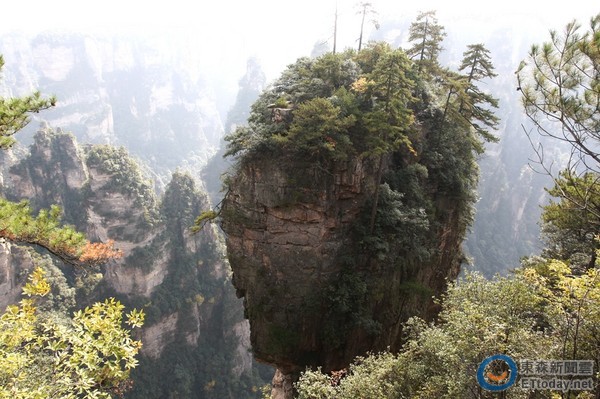
▲ The Hallelujah Mountain from the *Avatar* movie was inspired by this very “Pillar of Heaven.”
Due to Zhangjiajie’s predominantly mountainous terrain, the climate here varies greatly, with the rainy season concentrated during the summer months. But for those who love romance, the mist-shrouded peaks offer an enchanting experience. Also, due to the unique elevation of the peaks, different scenic areas require separate travel arrangements, so it is recommended to plan your itinerary carefully and adjust it in real time according to weather conditions, to fully enjoy the ever-changing scenery.
Highlights of Sightseeing in Zhangjiajie
Landscape Features: Limestone karst peaks and massive quartzite pillars
Special Transportation: Cable cars, elevators
Peak Tourist Seasons: Primarily spring and autumn
Additional Highlights: Inspiration for the movie *Avatar*, UNESCO World Natural Heritage Site
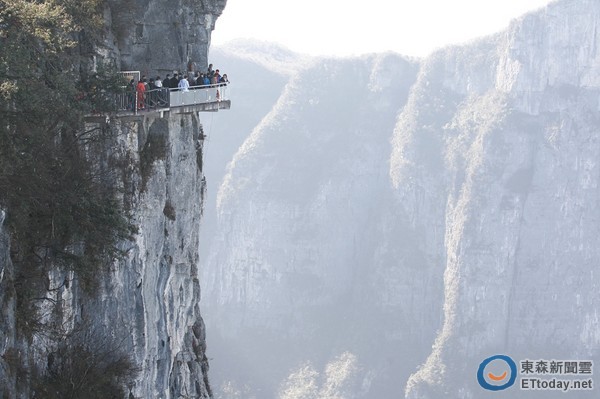
▲ The glass skywalk on Tianmen Mountain is a thrilling attraction that will make your legs tremble.
Beyond the karst landscapes along rivers and in valleys, "Ha Long Bay of the Sea" is also a popular spot to admire limestone wonders. Located in northeastern Vietnam,Ha Long Bayfeatures 1,969 limestone islets scattered across calm waters, each with its own unique shape, creating a majestic yet serene seascape. This has made it an emerging destination for experiencing karst formations.
Since the limestone pillars of Ha Long Bay are scattered across the sea, "boats" are the only means of transportation in the area. Specialized maritime limestone tours are typically available in half-day, full-day, and overnight formats. Compared to river cruises in Guilin, the most popular way to explore Ha Long Bay is by staying aboard medium to large-sized "seafaring Villas."
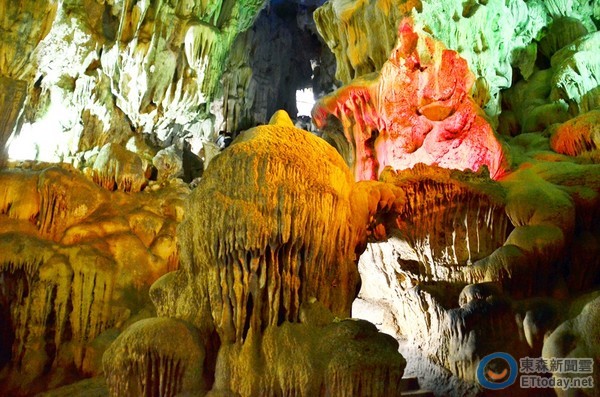
▲ Ha Long Bay’s caves contain many uniquely shaped stalactites and rock formations. (Photo / Reporter Chen Ziying, the same below)
These vessels range from wooden replica antique boats to metal modern ships, offering 10–30 rooms per boat with complete accommodation facilities. Travelers can stay directly on the sea to admire the various limestone pillars and islets, or visit larger islands such as Cat Ba Island and Hero Island to explore caves and view stalactites. It's the most relaxing way to experience the karst landscape, especially for mid-to-older age groups or those who prefer not to walk much.
Compared to Guilin and Zhangjiajie, the sea pillars of Ha Long Bay are more expansive without obstructions, ranging from a few meters to 40 or 50 meters in height. On clear days, you can see clusters of peaks rising from the water; in the early morning when mist curls around, it resembles a complex maritime maze; at night, only the tranquil sound of waves remains. Therefore, experienced travelers still recommend staying overnight at sea to fully enjoy all that Ha Long Bay has to offer.
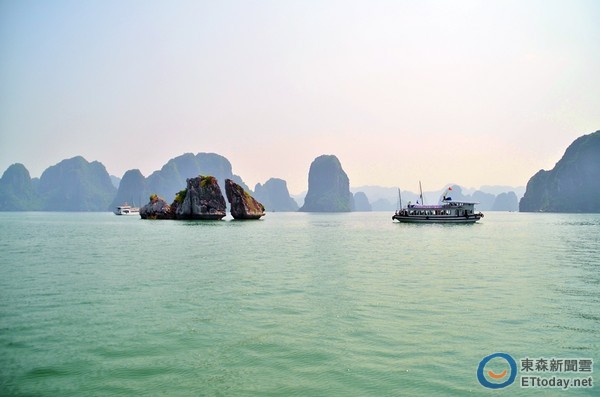
▲ Ha Long Bay’s calm waters are dotted with nearly 2,000 limestone islets.
Since Ha Long Bay is not far from mainland China, some tour operators offer combined Guangxi + Ha Long Bay packages. Additionally, south of Hanoi lies another karst landscape destination,陆龙湾 (Lu Long Bay), which has an environment similar to Guilin, making it possible to embark on a dual "Dragon Bay" journey to experience two types of karst beauty in one trip.
Highlights of Sightseeing in Ha Long Bay
Landscape Features: Seaside limestone islets and rock pillars
Special Transportation: Sea cruises, seafaring Villas
Peak Tourist Seasons: Primarily spring and autumn
Additional Highlights: Filming location for the movie *007: Tomorrow Never Dies*, UNESCO World Natural Heritage Site
%To fully experience its charm, it is best to immerse yourself in the area, allowing you to appreciate its distinctive features in their entirety.

Share
This article is published by HowToTrip. Sharing and reposting are welcome — please credit the source.
Article URL: https://www.howtotrip.net/views-12404
Related Articles
- Shaoxing's "Grandpa Gourd" hangs the gourds back up: "If there are too many people, we'll interact less — just take a quick look from afar"
- Chinese authorities announce "reciprocal adjustment" to Japan visa fees — single-entry visa jumps from 2,250 to 16,750 yen!
- 旅客携带的“保健石”核辐射超标千倍,同机人员或遭殃!海关提醒!
- 深圳机场深夜通报!出现不明升空物,航班大面积延误!
- “拆盒洗了才说要钱!”高铁200克葡萄卖60元,12306回应!
- 买不了机票?出境被拒?登机被拦?一大波中国游客莫名成了“失信人”
- 不利天气和经济波动影响哥伦比亚咖啡市场
- 海边浴场回应冲脚淡水收费2元/30秒:明码标价!
- 舱门没关好就起飞?机翼出现问题?多个航班途中紧急折返!
- 感受大自然的馈赠!盘点世界十大唯美海岸线