Renowned Japanese Three-Star Chef Kanda Hiroyuki Returns to Taiwan Again: Simple Yet Exquisite Culinary Heritage
Text & Photo /KUNI
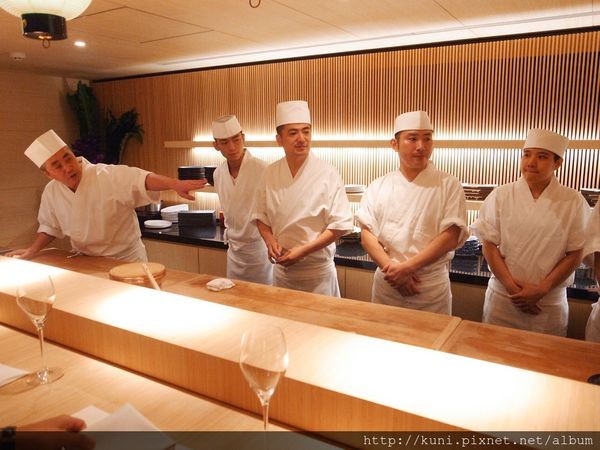
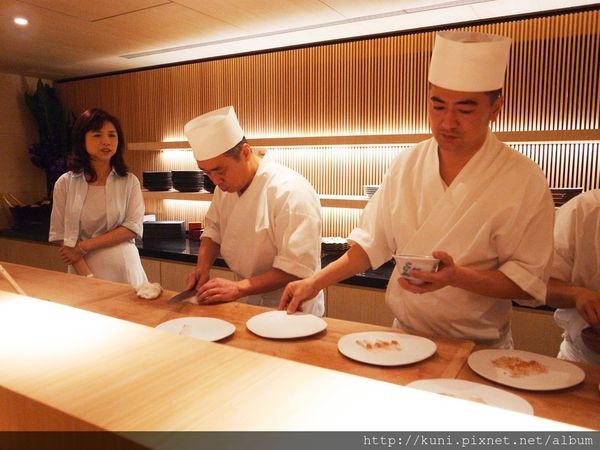
(Kanda begins introducing today’s kitchen setup)
----------------------------------------------------------
Kunma
Address: B1, No. 111, Section 3, Minsheng E. Rd., Songshan Dist., Taipei City (Xihua Hotel)
Tel: (02)2718-1188
Hours: 11:30–14:30, 18:00–22:00, Mon–Sun
----------------------------------------------------------
After more than a year’s absence, renowned Japanese Three-Star Chef Kanda Hiroyuki has once again visited Taiwan. Needless to say, he was a guest chef at Kunma in Xihua Hotel, under his protégé Kazuhide Yuki. Unfortunately, feeling unwell during the day, I had planned to cancel my reservation—but thinking what a rare opportunity it was, I mustered the strength to attend.
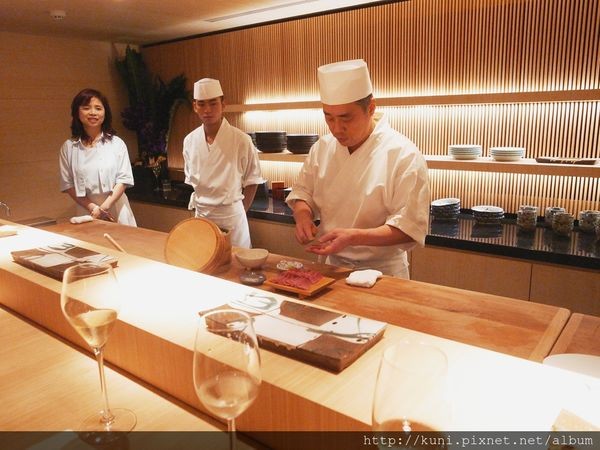
Fortunately, I got a seat right in the center of the counter, where Chef Kanda began explaining the setup in the kitchen. Compared to photos from 2009, he looks noticeably older, but his warm smile and occasional use of Chinese created a very friendly atmosphere. If fellow disciple Yamamoto Seiji—trained under Japanese master Yukio Hattori—is known for being flamboyant, then Kanda might be described as pure and meticulously unadorned.
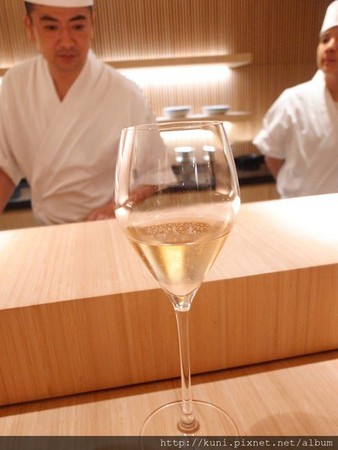
The meal started with a glass of Krug Grande Cuvée, its light acidity and brisk effervescence dancing on the tongue. Then came the appetizers, and the first bite instantly jolted me awake from my drowsiness.
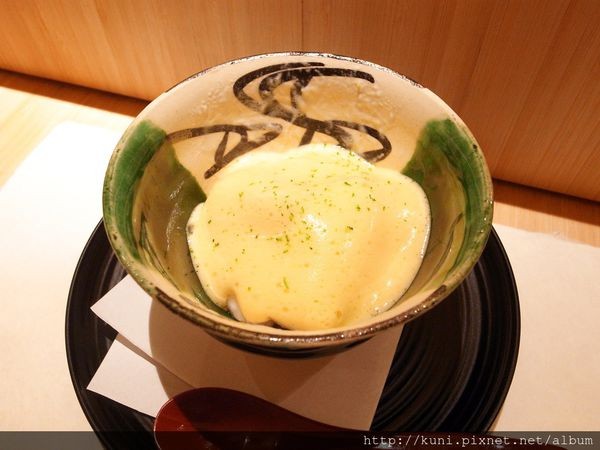
Delicately white asparagus, covered in a yam-based yellow sauce, occasionally carried a slightly bitter note that was hard to place, yet the thick, robust stalks were free of any rough fibers. The juicy texture revealed a clean, straightforward sweetness, and paired with tai no ko (sea bream milt), it earned the first round of applause.
(Krug Champagne)
● ETtoday EBC News Cloud reminds you: Don’t drink and drive. Don’t drive after drinking.
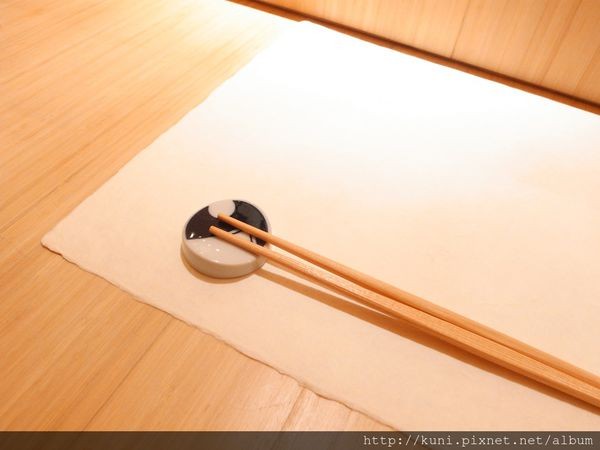
(A pair of well-fitted wooden chopsticks)
(White Asparagus with Sea Bream Milt and Yamanashi Yellow Sauce)
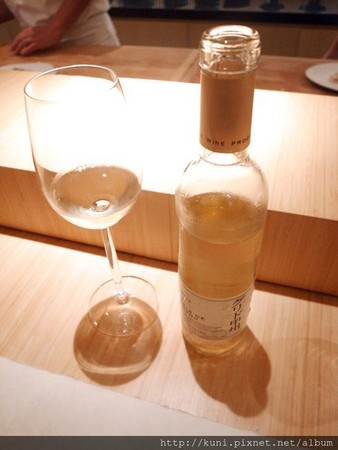
This made me pleasantly surprised and started to build up my expectations, because rarely have I tasted such delicious food while feeling so off my appetite—it even revived my spirits. Next up was Hirado Madoko Flounder, paired with a Koshu white wine, which I’d just bought recently for its bright, straightforward fruit acidity without unnecessary fuss.
(Koshu White Wine)
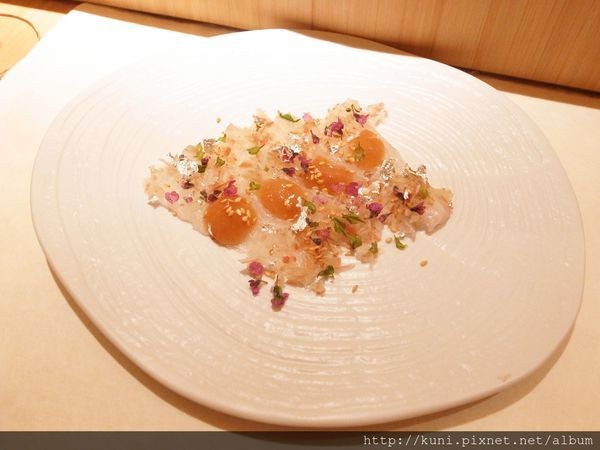
Chef Kanda then turned serious, silently slicing the flounder. His disciples busied themselves sprinkling shiso petals, myoga ginger, and white sesame seeds, along with silver leaf for purely visual effect. In the chewy, almost gum-like texture of the madoko flounder, there emerged a distinctively sharp acidity—the Kumamoto plum sauce. The tang of this Eastern plum is highly recognizable—not bright, but richly layered. Though it doesn’t naturally pair with the clean flavor of flounder, under Kanda’s skilled hands, it transformed into a brilliant technique.
(Chef Kanda begins filleting the flounder, with an interpreter and Chef Kazuhide nearby)
(Thinly Sliced Hirado-Madoko Flounder Sashimi with Kumamoto Plum Sauce)
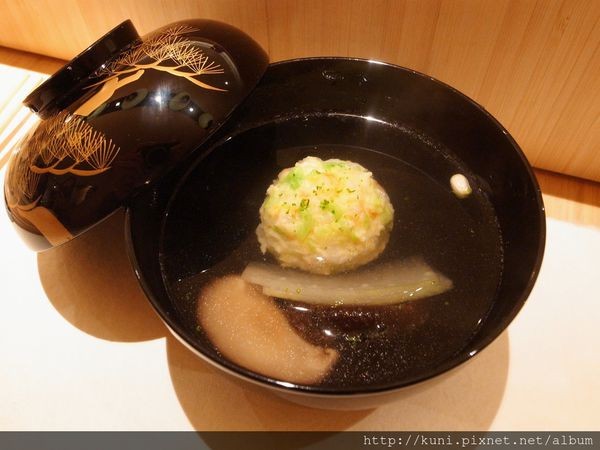
In Japanese cuisine—especially Kyoto cuisine, a style so closely tied to water—I’ve always placed particular importance on i...
(Exciting Kumamoto air-bean shrimp natto soup)
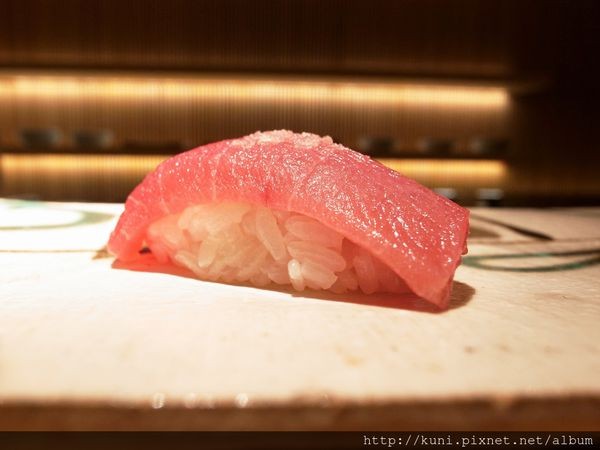
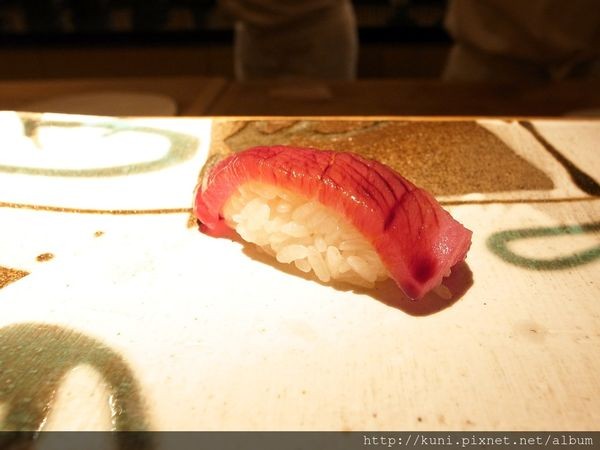
When I saw Kanda start slicing the tuna, I couldn’t help but feel full of anticipation—it seemed like nigiri was about to make an appearance. Two consecutive pieces of hon maguro (bluefin tuna) were served. The tuna came from Miyazaki Prefecture in Kyushu. The first piece was chu-toro, seasoned only with fleur de sel and wasabi. The fat content was decent, but what stood out was its rich, delightful flavor. The shari (sushi rice) had an exceptional level of firmness, and the way the grains neatly scattered in my mouth was a rare treat. The second piece was akami (lean tuna) paired with yellow mustard and aged soy sauce, offering a uniquely flavorful saltiness and a strong aftertaste of sweetness that was in no way inferior to the traditional Edomae-style marinated akami.
(Kanda begins shaping the sushi)
(The first piece is hon maguro chu-toro with fleur de sel)
(The second piece is hon maguro akami with aged soy sauce)
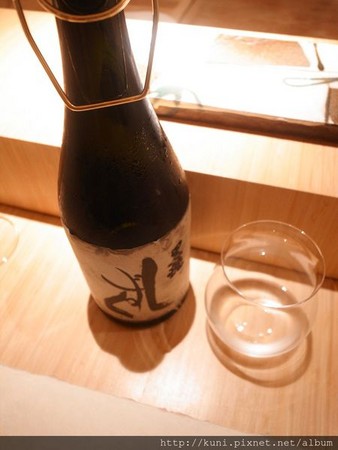
The sake served today wasn’t cheap—it was a premium limited edition SHIZUKU daiginjo from the high-end brand Hakuro Shuzo. Compared to the 23% brew I usually treasure in my collection, this one surpassed it in terms of opulence and complexity, though it lacked a bit of purity. The dry bitterness at the finish was somewhat uncertain—maybe it was just me not feeling my best.
● 《ETtoday East News Cloud》 reminds you: Don’t drink and drive, and don’t drive after drinking.
(Premium Hakuro SHIZUKU daiginjo sake)
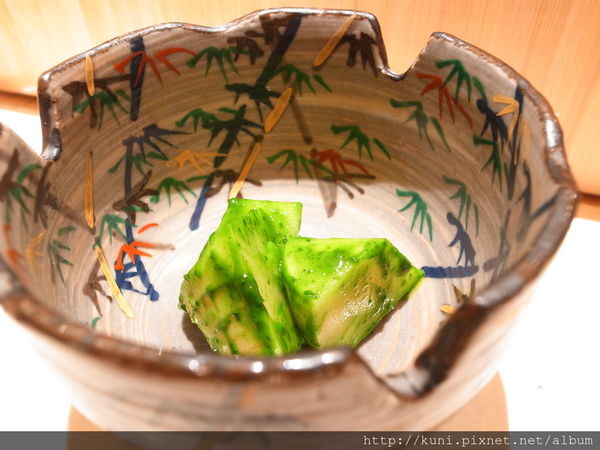
Before the grilled dishes were served, Kanda spontaneously prepared a serving of green bamboo shoots for the guests, originally intended for the evening set menu. The vibrant green hue at first glance resembled matcha, but they actually came from the wood sprout (mogi) variety.
(Temporarily added green bamboo shoots with mogi)
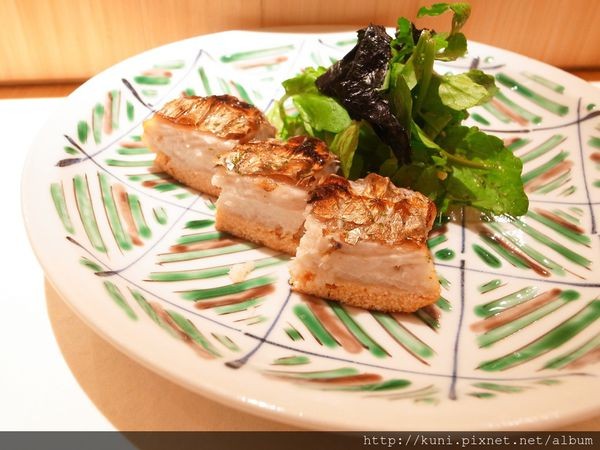
Next came the grilled Japanese swordfish from Aichi Prefecture, with a layer of mentaiko (pollock roe) sticking to the bottom. According to the interpreter, Kanda came up with this method—pressing the mentaiko onto the fish after deboning to seal in the juices—and just hearing about it sounded labor-intensive. The surface of the fish skin was roasted to a tender crisp, combining with the flesh and mentaiko to create three distinct textures. Paired with a sip of daiginjo sake, it was simply heavenly.
(Grilled Japanese swordfish from Aichi, topped with premium mentaiko from Karatsu)
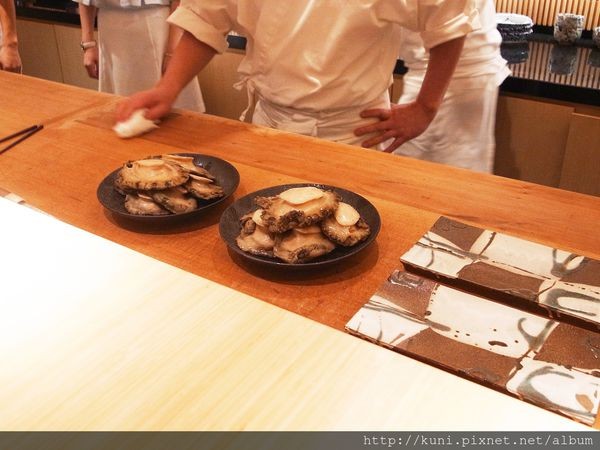
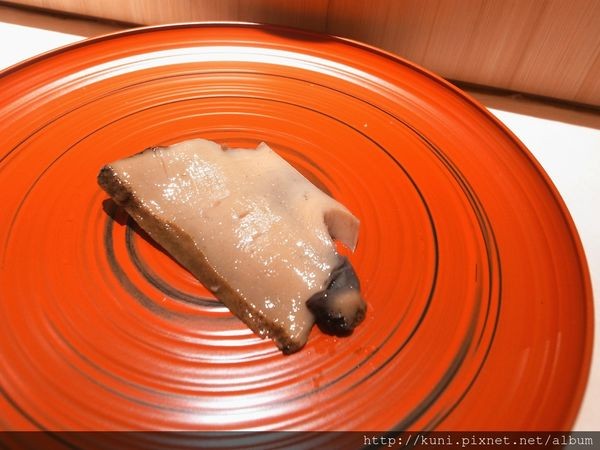
Then came another dish of sabazushi, also part of the dinner course. Each guest was served a slice of natural Kyushu black abalone, completely unseasoned, highlighting its exceptional quality through simplicity and premium ingredients.
(High-grade Japanese black abalone)
(Today’s second sabazushi: Sliced Japanese black abalone)
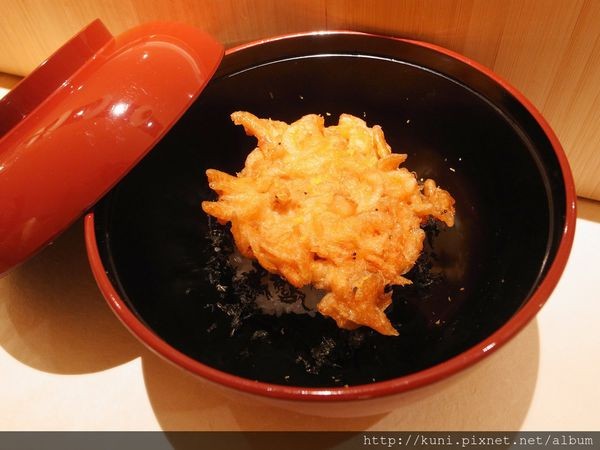
Sakura shrimp N<饭可惜了,重咸的调味我其实还能接受,但今天的炸物要称上过咸。而白饭也有问题,虽然为鱼沼越光高档货,但我这一碗与邻桌相较下煮得偏干硬,看来内场拌饭出现了状况。
(Japanese sakura shrimp N)<饭)
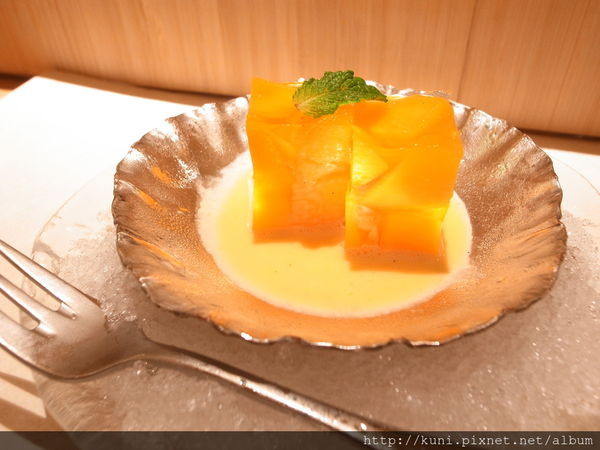
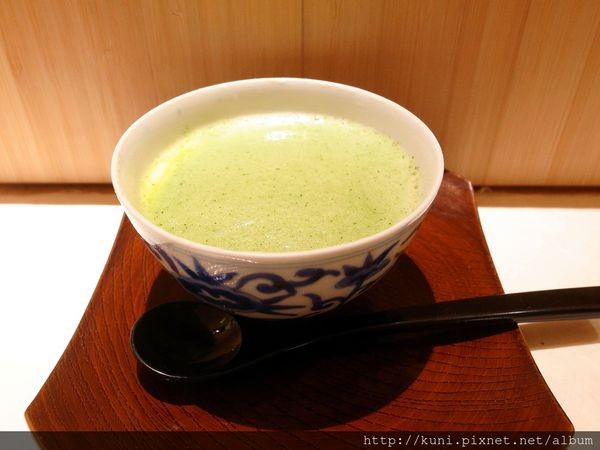
The final two desserts were excellent. First, a jelly made from Edo-grown Irwin mango served with an angel sauce, where the rich aroma of Madagascar vanilla blended beautifully with the fully ripe mango. Then came a matcha red bean pudding, where the faint bitterness of the tea aroma lingered within the frothy top layer, balanced perfectly by the moderately sweet kuromame (black bean) paste that cut through the richness.
(Irwin mango jelly with angel sauce)
(Kuromame matcha pudding)
Compared to his fellow disciple Yamamoto Seiji, who meticulously calculates flavors, the traditionalist Kanda comes across as much more down-to-earth. He chatted casually with each guest, appearing laid-back, but upon closer taste, his dishes reveal a refined simplicity that never feels forced. What truly surprised me the most, though, was realizing that Kazushi-san isn’t all that far behind his mentor—truly a worthy successor.
Interpreting gourmet food through music
Violinist KUNI
Kuni (Defying the Laws of the World) official fan page Kuni (Defying the Laws of the World) blog
Share
This article is published by HowToTrip. Sharing and reposting are welcome — please credit the source.
Article URL: https://www.howtotrip.net/views-11591
Related Articles
- Shaoxing's "Grandpa Gourd" hangs the gourds back up: "If there are too many people, we'll interact less — just take a quick look from afar"
- Chinese authorities announce "reciprocal adjustment" to Japan visa fees — single-entry visa jumps from 2,250 to 16,750 yen!
- The "health stones" carried by a traveler were found to have radiation levels exceeding safety limits by a thousand times, potentially endangering fellow passengers on the same flight. Customs issues warning!
- Shenzhen Airport Issues Late-Night Notice: Unidentified Aerial Object Detected, Causing Widespread Flight Delays!
- “They only said it cost money after I opened the box and washed it!” 200g of grapes sold for 60 yuan on a high-speed train—12306 responds!
- Can't buy an airline ticket? Denied exit? Blocked from boarding? A large number of Chinese tourists have mysteriously become "discredited individuals"
- Adverse weather and economic fluctuations impact Colombia's coffee market
- Beach bathing area responds to 2 yuan/30 seconds fee for freshwater foot rinsing: Clearly priced!
- Taking off with an improperly closed cabin door? Wing malfunction? Multiple flights made emergency returns mid-journey!
- Experience the gifts of nature! A countdown of the world’s ten most stunning coastlines