Supermarket Madness: Spanish Festival!* The Secret Recipe of Spain’s National Dish, Paella, Revealed
Text & Photos / Yu Tian
When studying abroad, eating out every day wasn’t an option, so I had to cook for myself every day. Aside from making some Taiwanese home-style stir-fries, most of the Western dishes I could cook were things like pasta, risotto, or simply pan-fried meat dishes. When it came to organizing meals for classmates’ gatherings, we often just went with hot pot, throwing together some satay sauce and calling it a day. I’ve always wanted to learn how to make paella as a replacement for hot pot gatherings. Today, at a JASONS Supermarket event, I finally learned how—and discovered that the national treasure ham I’ve always wanted to smuggle out of Spain, along with ready-to-cook paella kits, are now available in Taiwan too!! I have to share this mouthwatering news with everyone!!
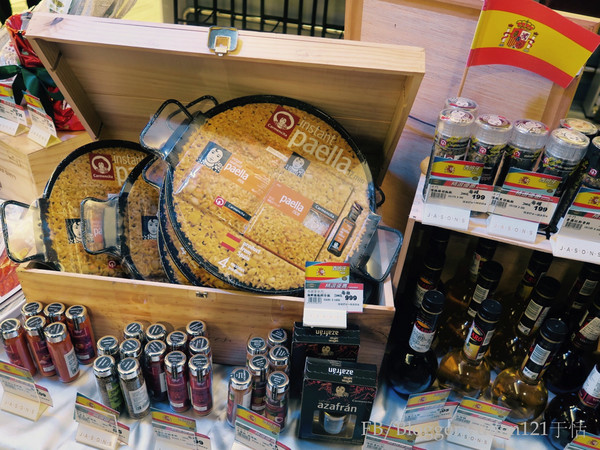
▲ This is it—a ready-to-cook Spanish paella kit that even comes with a pot.
Isn’t it fun!? Doesn’t it look like a craft kit? The instructions are super clear, and they even include olive oil. All you need to do is buy seafood and veggies, and you can easily cook what looks like a complicated national dish.
While the price per serving of paella at local Spanish restaurants is similar to this ready-made version—seemingly a bit pricey—it’s actually a worthwhile investment if you want to learn how to cook paella. After cooking it once, you’ll only need to restock ingredients next time to make it again.
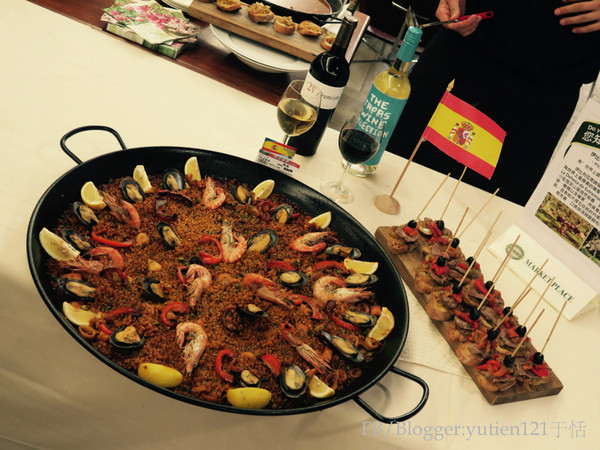
▲ A Western chef teaches everyone how to make two classic national dishes using ingredients available at supermarkets.
Spanish Paella and Iberian Pork Pinchos. Iberian pork is now also sold in supermarkets. It has a firm texture and you can taste the nutty fat flavor of the black-hoofed pigs raised on acorns. No seasoning is needed at all—just pan-fry it in olive oil and sprinkle with salt, and it’s already bursting with flavor and texture. You can buy it and try pan-frying it yourself; you don’t need to cook it all the way through. It’s soft and tender enough when it’s about 80% cooked.
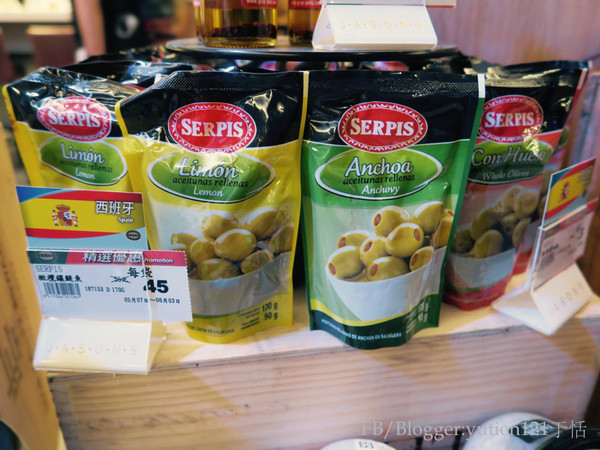
▲ Marinated olives
Marinated olives are one of the most common complimentary appetizer dishes you’ll see in Spanish restaurants, big or small. The price for them in Taiwan is also very affordable!! They’re a healthy snack that’s great for satisfying cravings or pairing with drinks. These green olives come stuffed with various fillings—there are anchovy-stuffed ones, lemon-stuffed ones, as well as ones with red peppers, tuna, and spicy flavors. I personally love the original green olives with seeds. It’s a traditional and rustic way to eat them: just chew and spit out the seeds.
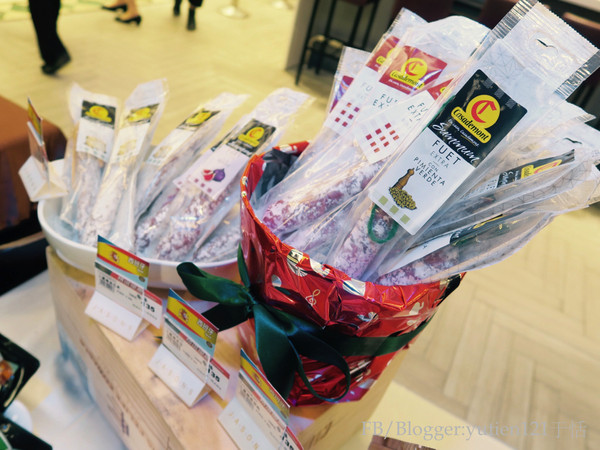
▲ Wow~ It’s Barcelona’s famous Fuet, pronounced “foo-ket.”
In convenience stores, Fuet is translated as Spanish cured sausage. You can slice it thinly and serve it with grilled toast. I like to spread butter on the toast, add some rocket (arugula), and sprinkle with pepper to make a fragrant and layered breakfast sandwich.
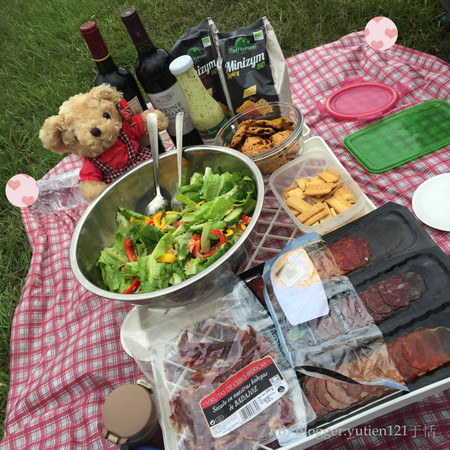
▲ Recently, there have been popular photos of picnic activities circulating online. Bringing Spanish cured sausages and ham, paired with salad and crackers, and sipping on wine is a very Western-style picnic look!!
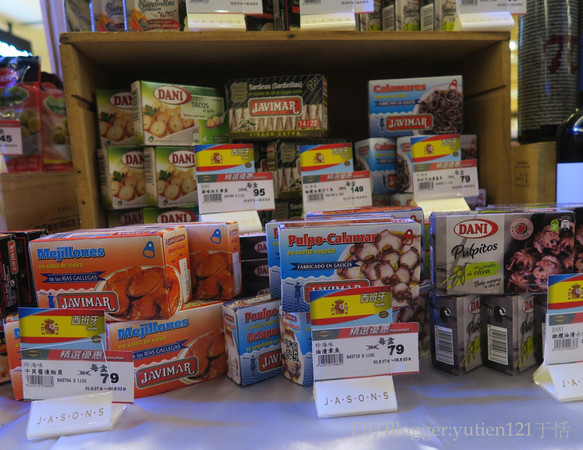
▲ Among Spanish canned seafood, my favorite is “olive oil-marinated seafood in extra virgin olive oil.” Once you try it, it will definitely change your previous impression of canned food.
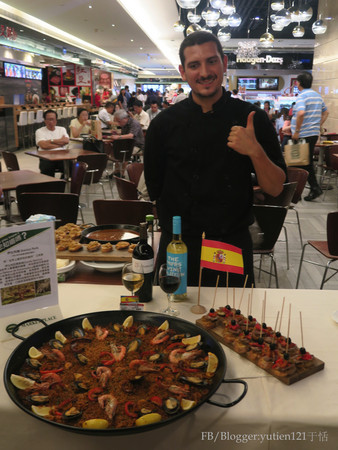
▲ Famous Spanish chef Pablo Lorenzo
Chef Pablo teaches everyone how to cook a classic national dish often served at family gatherings:
Spanish Paella
What? You can cook it with a Black Gold stove too!!
Ingredients
- Rice (2 cups)
- Clams (7–8 pieces)
- Shrimp (7–8 pieces)
- Mussels (7–8 pieces)
- Onion (1/4 piece)
- Red bell pepper (half)
- Basil (a little)
- Green beans (a handful)
- Saffron (1/4 teaspoon)
- Paprika (2 teaspoons)
-Black pepper (a pinch)
-Garlic (a pinch)
-White wine (a pinch)
-Seafood stock (500 ml) – It’s recommended to prepare it fresh with ingredients for better flavor than using stock cubes.
-Water (2 cups)
Method
Step 1
Heat olive oil in the pan, sauté diced onion, red bell pepper, and garlic until fragrant. Then add shrimp, mussels, and green beans in sequence. Add a little water and white wine, stir-fry until about 80% cooked. Remove from the pan and set aside – make sure to keep the flavorful juice for cooking the rice later.
Step 2
Pour the rice into the pan, add 2 cups of water, then pour in the previously stir-fried broth along with the prepared seafood stock. The liquid level should be at least half a finger joint above the rice grains. Add 1/4 teaspoon of saffron and sweet paprika, stir well to let the aroma and vibrant color spread.
Step 3
Cook over low heat with a black gold cooker for about 18–20 minutes until the liquid is absorbed. The ideal texture is when the surface rice grains are slightly moist and sticky, forming a web-like structure — this yields the best taste.
Step 4
Finally, add the previously stir-fried ingredients from Step 1, then simmer over low heat for another 6–8 minutes. Just before serving, sprinkle a little pepper and basil, and your Spanish paella is ready to be served up.
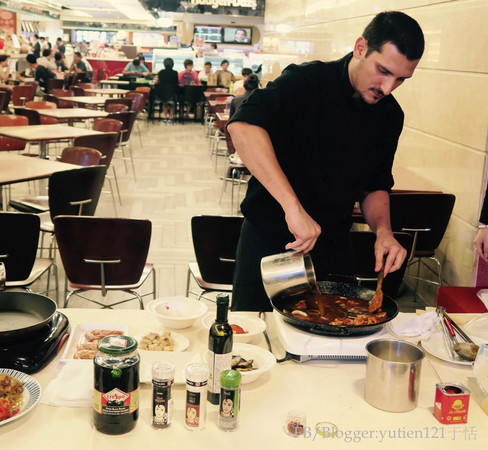
▲Chef's secret to great stock: The chef revealed that the key to delicious paella, apart from heat control, lies entirely in this cup of seafood stock. It’s made from fish heads, fish skin, carrots, onions, and red bell peppers — extracting the essence of the sea. It’s definitely not your ordinary stock cube.

▲Andres Rodes (Mr. Rodes), Secretary-General of the Spanish Trade Office, personally attended the gourmet event and introduced hometown ingredients in fluent Chinese, sharing traditional food culture paired with fine wines. He celebrated the nationwide launch of healthy Western light diet ingredients now available at all JASONS supermarkets.
Author of Tranquil Full Sketchbook:
Yu Tian’s Fan Page
Yu Tian’s Blog
Share
This article is published by HowToTrip. Sharing and reposting are welcome — please credit the source.
Article URL: https://www.howtotrip.net/views-11579
Related Articles
- Shaoxing's "Grandpa Gourd" hangs the gourds back up: "If there are too many people, we'll interact less — just take a quick look from afar"
- Chinese authorities announce "reciprocal adjustment" to Japan visa fees — single-entry visa jumps from 2,250 to 16,750 yen!
- The "health stones" carried by a traveler were found to have radiation levels exceeding safety limits by a thousand times, potentially endangering fellow passengers on the same flight. Customs issues warning!
- Shenzhen Airport Issues Late-Night Notice: Unidentified Aerial Object Detected, Causing Widespread Flight Delays!
- “They only said it cost money after I opened the box and washed it!” 200g of grapes sold for 60 yuan on a high-speed train—12306 responds!
- Can't buy an airline ticket? Denied exit? Blocked from boarding? A large number of Chinese tourists have mysteriously become "discredited individuals"
- Adverse weather and economic fluctuations impact Colombia's coffee market
- Beach bathing area responds to 2 yuan/30 seconds fee for freshwater foot rinsing: Clearly priced!
- Taking off with an improperly closed cabin door? Wing malfunction? Multiple flights made emergency returns mid-journey!
- Experience the gifts of nature! A countdown of the world’s ten most stunning coastlines