Is it mandatory to tie up a "Daikyo" (大凶, worst fortune) slip? 6 essential things to know about omikuji in Japan
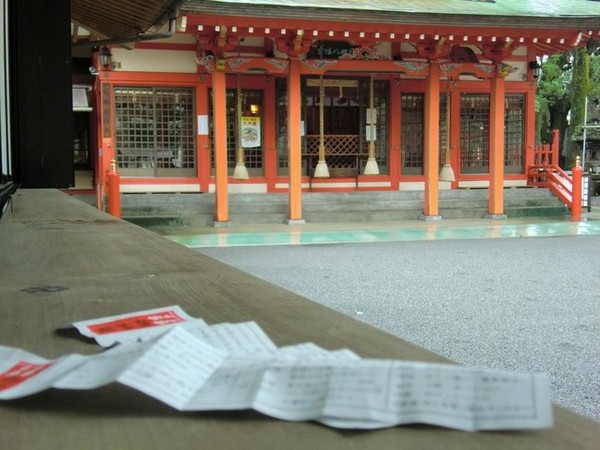
▲ Many travelers draw an omikuji when visiting shrines in Japan!(Photo/Screen capture fromnanapi)
Travel Center / Comprehensive Report
While visiting Japan’s uniquely distinctive and historically rich shrines and temples, many travelers also draw a fortune slip for divination or buy elaborately designed omamori as talismans or souvenirs. But have you ever wondered how to properly dispose of unwanted omamori or omikuji? Is it necessary to tie up a "Daikyo" slip? Japan Naver has compiled 6 essential facts about omikuji that you should know.
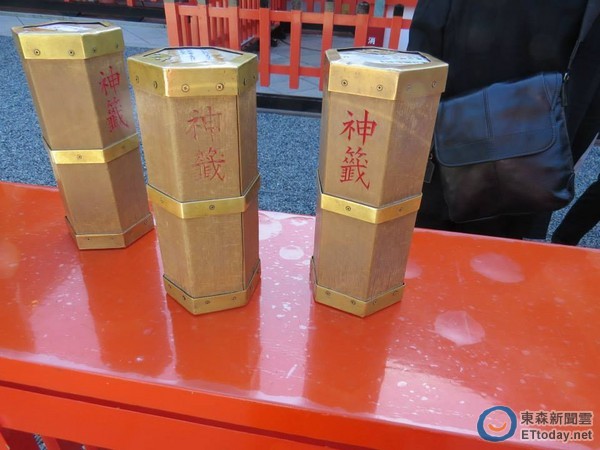
▲ Every shrine in Japan provides omikuji. (Illustration / Photo by reporter Tsai Wenjun)
1. Should you take your omikuji home or tie it at the shrine/temple?
The general impression is that you should take a good-luck omikuji home but tie a bad-luck one to a rope or tree branch at the shrine. However, according to Japanese Shinto priests, the correct approach is to take all omikuji—whether Daikichi (great fortune) or bad luck—home. Whether it's a great fortune or not isn't the key point; what matters most is the message written on the slip for the person who made the wish.
In addition, in recent years, to avoid damage to tree branches from tying slips, more and more shrines encourage visitors to take their omikuji home (unless there is a designated area for tying them).
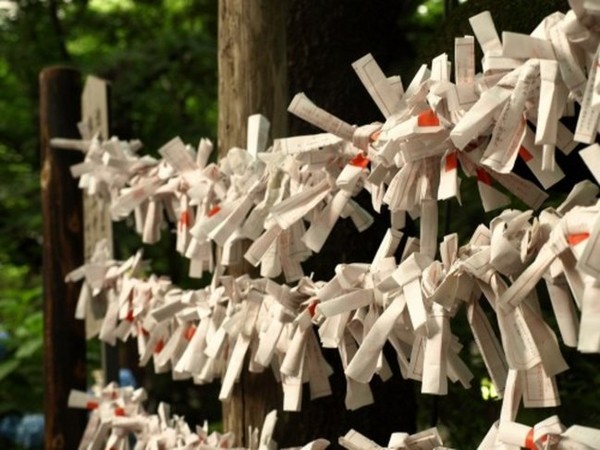
▲ Not all bad-luck slips have to be tied up at the shrine. (Photo/Screen capture from nanapi)
2. What does it mean to tie a bad-luck slip at the shrine?
Japanese Shinto priests explain that tying a bad-luck slip at the shrine is meant to pray for turning misfortune into good fortune. However, even if you take the bad-luck slip home, it can serve as a constant reminder and a marker for self-reflection. Most importantly, the content of the slip itself is what truly counts.
3. How long is the validity period of an omikuji?
Generally, the fortune indicated on an omikuji suggests what might happen within the next year, but if you make a wish, it is considered valid from the day you made the wish until it comes true.
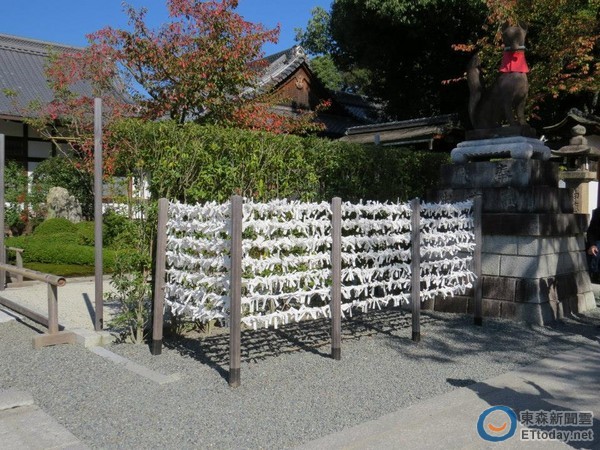
▲ Most shrines have a dedicated area for tying omikuji. (Photo/Reporter Tsai Wenjun)
4. What if you don’t want to take a good or bad omikuji home? How should you dispose of it?
Shrines usually have designated areas for tying omikuji. Visitors can simply tie their slips onto the provided ropes. Remember not to tie them randomly to tree branches.
5. How can you dispose of old omikuji and omamori without offending the deities?
Many people believe that omikuji and omamori must be returned to the shrine where they were obtained. However, you can actually collect the ones you want to discard and hand them over to a larger shrine or temple for proper disposal. A good time to do this is during year-end or New Year’s visits.
After disposing of them, visit the shrine again and offer some monetary donation as a token of gratitude.
6. How to dispose of omikuji and omamori at home
According to tradition, salt has purifying properties. Simply place the salt together with the omikuji or omamori in a plastic bag and dispose of it as regular trash. Another method is to wrap the salt, omikuji, and omamori in nice paper, silently say “thank you,” and then throw them away in the trash.
Share
This article is published by HowToTrip. Sharing and reposting are welcome — please credit the source.
Article URL: https://www.howtotrip.net/views-11497
Related Articles
- Shaoxing's "Grandpa Gourd" hangs the gourds back up: "If there are too many people, we'll interact less — just take a quick look from afar"
- Chinese authorities announce "reciprocal adjustment" to Japan visa fees — single-entry visa jumps from 2,250 to 16,750 yen!
- The "health stones" carried by a traveler were found to have radiation levels exceeding safety limits by a thousand times, potentially endangering fellow passengers on the same flight. Customs issues warning!
- Shenzhen Airport Issues Late-Night Notice: Unidentified Aerial Object Detected, Causing Widespread Flight Delays!
- “They only said it cost money after I opened the box and washed it!” 200g of grapes sold for 60 yuan on a high-speed train—12306 responds!
- Can't buy an airline ticket? Denied exit? Blocked from boarding? A large number of Chinese tourists have mysteriously become "discredited individuals"
- Adverse weather and economic fluctuations impact Colombia's coffee market
- Beach bathing area responds to 2 yuan/30 seconds fee for freshwater foot rinsing: Clearly priced!
- Taking off with an improperly closed cabin door? Wing malfunction? Multiple flights made emergency returns mid-journey!
- Experience the gifts of nature! A countdown of the world’s ten most stunning coastlines