Placing seashells and riding electric scooters – 7 fun experiences in Green Island’s low-carbon tourism
ReporterYan Xintong/ Reported from Green Island
Green Island has been promoting “low-carbon tourism” for many years. Local businesses have jointly launched the “Green Island Low-Carbon Eco-Tourism” program, offering a three-day, two-night itinerary to take visitors on a slow tour of the island. Through various eco-friendly practices—such as diving without fishing, participating in marine conservation initiatives, bringing your own utensils and water bottles, riding electric bicycles or scooters, and carrying your own toiletries and towels—tourists can explore Green Island in an environmentally conscious way.
This summer vacation, visitors to Green Island can experience“low-carbon tourism”firsthand by joining activities such as the Green Island Gourmet Tour, Resource Revitalization Base, Exploration Diving Program, Green Island Banquet, Low-Carbon Lunch Boxes, Shell Placement – Helping Hermit Crabs Find Homes, Kayaking Experiences, and Ancient Trail Adventure King. Below are seven exciting and meaningful activities personally experienced and curated by our reporter.
1. Green Island Gourmet
Local mothers prepare delicious dishes such as fish and seafood zongzi, pumpkin seafood hotpot, fried eggs, and yam bean stewed chayote for guests, all using locally sourced, seasonal ingredients. These include premium dried octopus and “broken umbrellas” (local specialties), unique seaweeds found only in the intertidal zone, fish meat balls wrapped in pandan leaves, and seafood soup infused with the briny flavor of Green Island. There’s also fresh yellowfin tuna soup, and local yam beans (known as peanuts in Taiwan), ground into powder and cooked with vegetables like chayote—a traditional local dish. Sea salt diluted with water is used for seasoning, giving each dish a rich oceanic taste.
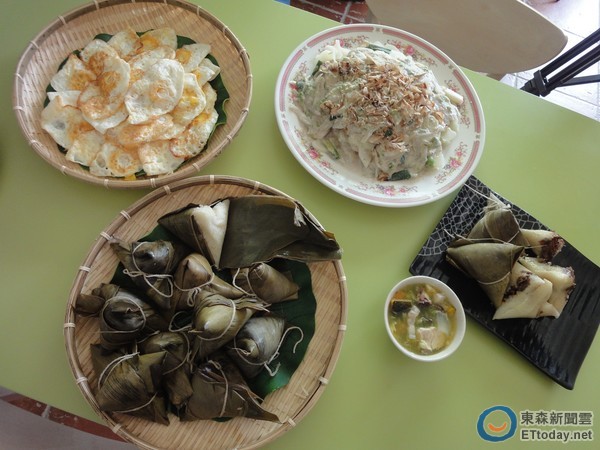
▲ Green Island seafood fish zongzi (Photo by reporter Yan Xintong)
2. Exploration Diving Program
Led by a team of instructors, this program promotes Green Island’s diving activities while emphasizing marine conservation. It boasts the use of top-tier diving equipment of the highest global standards, ensuring a safe and enjoyable underwater exploration experience.
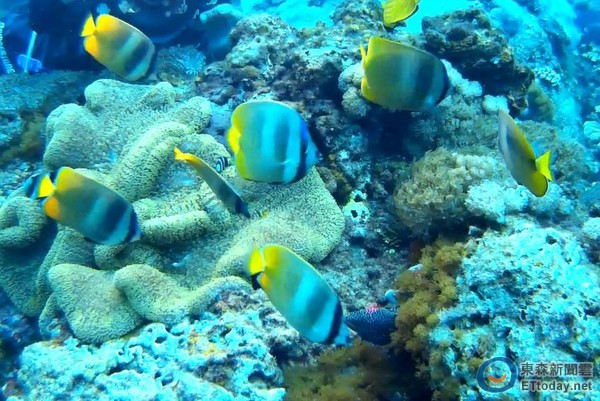
▲ The fish in Shilang Marine Reserve are abundant and very friendly to humans. (Photo by reporter Yan Xintong)
3. Green Island Banquet
Creative dishes prepared by local mothers and chefs are served in a banquet-style setting to welcome visitors from afar. Lin, a local ecologist, explained that the ingredients include locally grown and abundant fare such as deep-fried seaweed sweet potatoes, bamboo shoots, lightly fried yellowfin tuna, fish vermicelli, fish and seaweed soup, braised salmon belly, and tender wild dragon beard seaweed. Everyone gathers in the courtyard of a traditional old house to enjoy these local delicacies. It’s only during the meal that many realize Green Island’s economy is actually farming-based, with most seafood and meat imported from Taiwan.
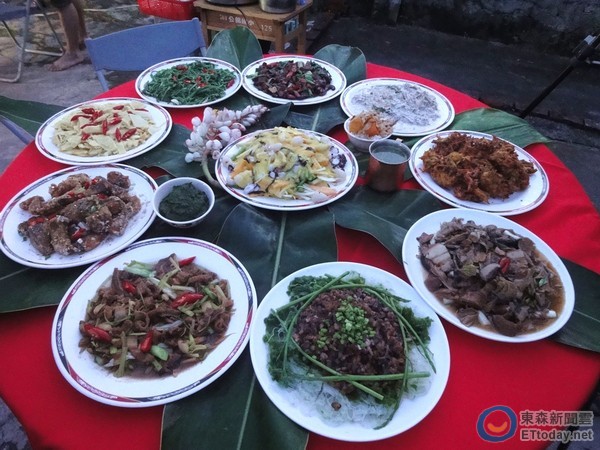
▲ Delicious spread at the banquet (Photo by reporter Yan Xintong)
4. Shell Placement – Helping Hermit Crabs Find Homes
Head to the area near the lighthouse, beside the airport and a cluster of screw pine trees. Led by Mountain Boar Teacher and local ecologist Lin, visitors place numbered seashells here for tracking purposes.
Lyu (aka Mountain Boar Teacher), who has long studied Green Island’s ecology, urges everyone not to pick up shells on the beach when playing by the sea.For hermit crabs, these shells are crucial. As soft-bodied creatures, they need shells to protect themselves from predators. In the past, many hermit crabs died because they couldn’t find suitable homes. However, there have also been heartwarming stories—such as a Taiwanese living in Japan who mailed seashells back to Green Island after learning about the crabs’ needs, and someone who, after reading news reports about the shell shortage, mailed back the very shells they had taken during a previous trip, along with an apology. Thanks to media coverage, some Taitung hotpot restaurants now collect and clean used shells from customers to send to Mountain Boar Teacher’s lab.
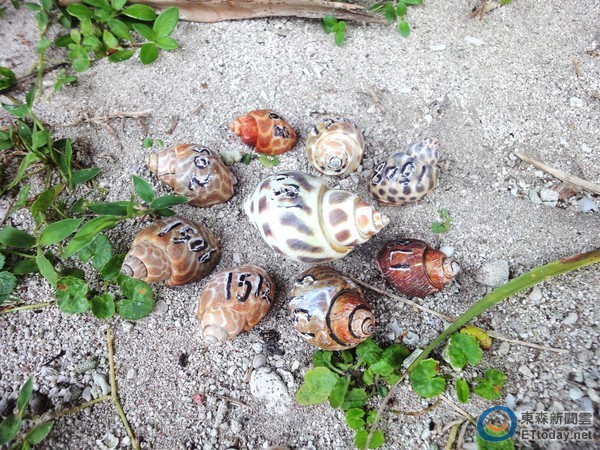
▲ Helping hermit crabs find shells (Photo by reporter Yan Xintong)
Both Mountain Boar Teacher and Lin noted that hermit crabs were once in dire straits, even living in plastic bottles and bottle caps. They carefully inspect empty shells for holes and suitability before moving in, and fights between crabs over desirable shells have also been observed.
5. Kayaking Experience
Principal Yao of Green Island Elementary School shared that kayaking is a vital skill local children learn, and they must complete a kayaking experience around the island before graduating. Initially met with resistance from parents, the program was eventually implemented after discussions. Now, the school plans to open kayaking experiences to the public. These will take place not in the open sea, but in the safer O Lake, offering a fun and secure environment. Kayaking instructor Jiafeng also demonstrates capsizing and teaches self-rescue techniques for getting back on the kayak.
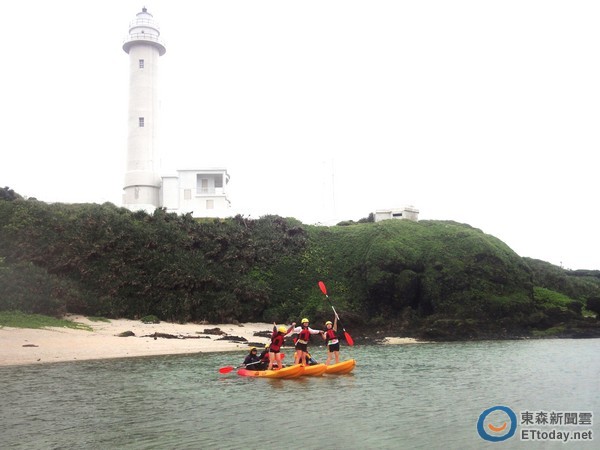
▲ A family-friendly kayaking experience (Photo by reporter Yan Xintong)
▲ Green Island Low-Carbon Tour: Shell Placement & Kayaking Capsize Demo (Video by reporter Yan Xintong)
6. Stay in Low-Carbon Homestays
Stay at eco-friendly homestays like “Blue Bay” and “Green Fairyland,” which encourage guests to bring their own toiletries and towels to reduce carbon emissions. The owner of “Green Sea Castle” also promotes this practice, though with a practical twist: “We encourage it, but if guests don’t bring their own, we’ll suggest they buy some in town—everyone has their own preferred toiletries, after all!”
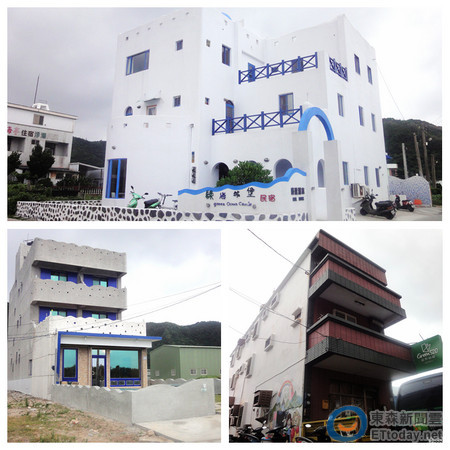
▲Green Island accommodation providers responding to the low-carbon trend. The image above shows Green Sea Castle, the bottom left image shows Blue Bay, and the bottom right image shows the Green Wild ZONE (GREEN520) homestay. (Photo / Reporter Yan Xintong)
7. Explore Green Island on land by electric scooter or electric bicycle
To promote low-carbon tourism, Green Island has introduced electric bicycles and electric scooters for visitors’ convenience. At the Green Wild ZONE homestay, there is also a service for renting electric scooters and electric bicycles. Additionally, 7-Eleven convenience stores near the harbor offer battery-swapping services for tourists. When the battery level indicator shows the last bar, it’s time to swap the battery. Simply open the compartment to remove the battery and take it to the convenience store counter for replacement. The cost is NT$20.
The owner of Green Wild ZONE homestay said: “I used to work in the electric vehicle industry, and later came to Green Island to open a homestay. Introducing electric bicycles and electric scooters was also my way of contributing to Green Island and the planet.”
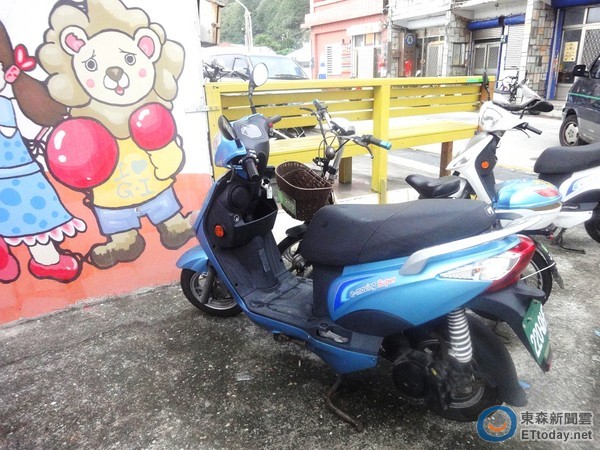
▲Green Wild ZONE (GREEN520) homestay supports low-carbon initiatives by offering electric scooters and electric bicycles for guests to rent. (Photo / Reporter Yan Xintong)
Green Island is not only a diving paradise but also a place rich in mountain and forest ecology. Visitors can enjoy more than just diving here—they can also embark on a natural ecological journey. Mr. Lin, the owner of Lin’s Mom Homestay and a local ecologist, explained while guiding a group to place shells that Green Island boasts a very rich intertidal ecosystem. There are fruits from the manchineel trees growing on the trees, and even the locally grown bananas are particularly fragrant and chewy. The bamboo shoots and asparagus produced locally are not only pesticide-free but also have a taste distinct from those on Taiwan’s main island. He recommends that visitors not only enjoy “sea activities” but also explore “land experiences” while on Green Island.
Currently, a total of 36 dining, snorkeling, and homestay businesses on Green Island have joined the initiative to jointly promote green dining, low-carbon living, and low-carbon consumption. For detailed itinerary content and registration methods, please visit the Green Island Practice Tune fan page. Green Island Low-Carbon Ecotourism Promotion Plan:Green Island Practice Tune
Low-Carbon Homestays
Blue Bay Homestay
Green Wild ZONE (GREEN520) Homestay
Green Sea Castle Homestay
Share
This article is published by HowToTrip. Sharing and reposting are welcome — please credit the source.
Article URL: https://www.howtotrip.net/views-11475
Related Articles
- Shaoxing's "Grandpa Gourd" hangs the gourds back up: "If there are too many people, we'll interact less — just take a quick look from afar"
- Chinese authorities announce "reciprocal adjustment" to Japan visa fees — single-entry visa jumps from 2,250 to 16,750 yen!
- The "health stones" carried by a traveler were found to have radiation levels exceeding safety limits by a thousand times, potentially endangering fellow passengers on the same flight. Customs issues warning!
- Shenzhen Airport Issues Late-Night Notice: Unidentified Aerial Object Detected, Causing Widespread Flight Delays!
- “They only said it cost money after I opened the box and washed it!” 200g of grapes sold for 60 yuan on a high-speed train—12306 responds!
- Can't buy an airline ticket? Denied exit? Blocked from boarding? A large number of Chinese tourists have mysteriously become "discredited individuals"
- Adverse weather and economic fluctuations impact Colombia's coffee market
- Beach bathing area responds to 2 yuan/30 seconds fee for freshwater foot rinsing: Clearly priced!
- Taking off with an improperly closed cabin door? Wing malfunction? Multiple flights made emergency returns mid-journey!
- Experience the gifts of nature! A countdown of the world’s ten most stunning coastlines