Vietnam’s “Oriental Hawaii” Goes Viral: 5 Must-Visit Attractions in Da Nang

▲With its sunshine, blue skies, white sands, and crystal-clear turquoise waters, this breathtaking scenery has earned Da Nang the top spot on the renowned international travel website TripAdvisor’s list of “World’s Top 10 Viral Tourist Destinations.” (Photo by Reporter Zheng Shaohua)
Reported by Reporter Zheng Shaohua / Da Nang, Vietnam
Located in central Vietnam along the South China Sea coast, Da Nang—the country’s fourth-largest city—boasts 30 kilometers of pristine white beaches, crystal-clear blue waters, and unpolluted shorelines, earning it the nickname “Oriental Hawaii.” Beyond enjoying the relaxing island vacation vibe amid stunning seascapes, Da Nang offers numerous attractions to keep you entertained from morning to night, ensuring there’s never a dull moment.
1. Marble Mountains (Núi Sơn Trà)

▲Dubbed the “Lungs of Da Nang,” Marble Mountains are covered in 4,370 hectares of pristine forest. From the mountainside, you can gaze at Cham Island in the South China Sea. (Photo by Reporter Zheng Shaohua)
Just a 30-minute drive from downtown Da Nang, the peninsula is home to the famous Linh Ung Pagoda, which is bustling with worshippers year-round and houses Asia’s tallest statue of Guanyin. Marble Mountains are also considered a sacred site by locals, offering panoramic views of Da Nang Bay’s coastline from its heights.

▲The majestic Guanyin statue, made of snow-white marble, stands 67 meters tall. (Photo by Reporter Zheng Shaohua)
2. Ba Na Hills (Bà Nà Hills)

▲Ba Na Hills is not only the largest amusement park in Da Nang but also boasts the world’s longest non-stop cable car, stretching 5,801 meters and taking just 30 minutes to whisk visitors from the base to the mountaintop park. (Photo by Reporter Zheng Shaohua)
Located 40 kilometers west of Da Nang city and perched over 1,500 meters above sea level, Ba Na Hills features a mountaintop park where temperatures are consistently 6–8°C cooler than the plains, offering a cool and pleasant climate. The park is home to the world’s longest and highest single-cable gondola ride, and a 400,000 VND ticket lets you enjoy the area all day.
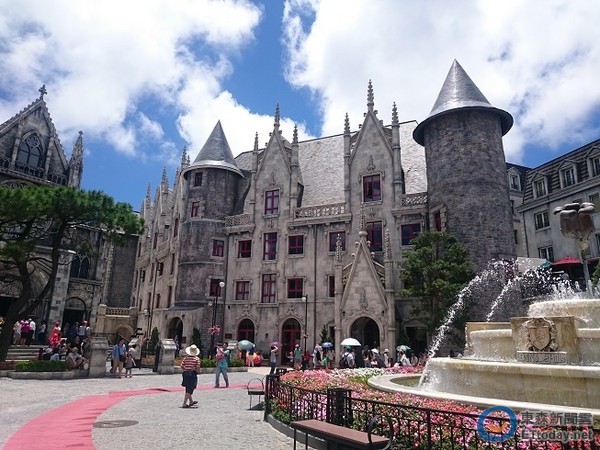
▲%Family-friendly design makes this resort a beloved local spot. (Photo by Reporter Zheng Shaohua)

3. Dragon Bridge (Han River Dragon Bridge)

▲The Dragon Bridge is adorned with 2,500 LED lights, creating dazzling displays of color at night. (Photo by Reporter Zheng Shaohua)
Among the seven distinctive bridges spanning the Han River, Dragon Bridge is the most iconic landmark. Built to commemorate the 38th anniversary of the end of the Vietnam War, the bridge symbolizes national independence and has gained international recognition, including a feature on CNN, as a new symbol of Da Nang’s success.
▲Every weekend and on major holidays, the Dragon Bridge puts on spectacular fire and water shows, drawing both locals and tourists to join in the celebration. (Video by Reporter Zheng Shaohua)
4. Hoi An Ancient Town (Hội An)

▲Strolling through Hoi An Ancient Town feels like stepping back in time, with its leisurely, serene, and rustic atmosphere blending into a unique foreign charm. (Photo by Reporter Zheng Shaohua)
Wandering through Hoi An Ancient Town, a UNESCO World Heritage Site, you’ll experience a strong sense of exotic culture. The town’s architecture, preserved since the 15th to 19th centuries, dates back to when it was Southeast Asia’s largest trading port in the 1st century AD. A fusion of Chinese, Indian, Japanese, and other styles, these ancient buildings give the tranquil town its distinctive character.

▲The Japanese Covered Bridge (Chùa Cầu) is the most famous landmark in Hoi An. Built by the Japanese during their occupation, this bridge once marked the boundary between Vietnamese and Japanese quarters, spanning the Thu Bồn River. (Photo by Reporter Zheng Shaohua)
5. Marble Mountains (Ngũ Hành Sơn)

▲Viewing the smaller peaks from the largest mountain, Thủy Sơn, in the Marble Mountains. (Photo by Reporter Zheng Shaohua)
Famous for its marble production, the Marble Mountains were originally five small offshore islets that gradually merged with the mainland due to tectonic shifts. Located near Da Nang’s coastline, the tallest and largest peak, Thủy Sơn, offers sweeping views of the South China Sea and the city’s white sandy beaches. The mountains are dotted with natural limestone caves housing solemn Buddha statues, temples, and pagodas, making them Da Nang’s most spiritually significant karst landscape.

▲For those who prefer not to climb, an elevator service provides a 3-minute ride to the summit of Thủy Sơn. (Photo by Reporter Zheng Shaohua)

▲Thủy Sơn’s natural limestone caves allow visitors to admire various Buddha statues and temples while capturing unique photos bathed in the fascinating light filtering through the cave openings. (Photo by Reporter Zheng Shaohua)
Share
This article is published by HowToTrip. Sharing and reposting are welcome — please credit the source.
Article URL: https://www.howtotrip.net/views-11037
Related Articles
- Shaoxing's "Grandpa Gourd" hangs the gourds back up: "If there are too many people, we'll interact less — just take a quick look from afar"
- Chinese authorities announce "reciprocal adjustment" to Japan visa fees — single-entry visa jumps from 2,250 to 16,750 yen!
- The "health stones" carried by a traveler were found to have radiation levels exceeding safety limits by a thousand times, potentially endangering fellow passengers on the same flight. Customs issues warning!
- Shenzhen Airport Issues Late-Night Notice: Unidentified Aerial Object Detected, Causing Widespread Flight Delays!
- “They only said it cost money after I opened the box and washed it!” 200g of grapes sold for 60 yuan on a high-speed train—12306 responds!
- Can't buy an airline ticket? Denied exit? Blocked from boarding? A large number of Chinese tourists have mysteriously become "discredited individuals"
- Adverse weather and economic fluctuations impact Colombia's coffee market
- Beach bathing area responds to 2 yuan/30 seconds fee for freshwater foot rinsing: Clearly priced!
- Taking off with an improperly closed cabin door? Wing malfunction? Multiple flights made emergency returns mid-journey!
- Experience the gifts of nature! A countdown of the world’s ten most stunning coastlines