A café run by Japanese people promoting the great taste of Alishan coffee

Text and photos byThe Flight Attendant’s Coffee Journey
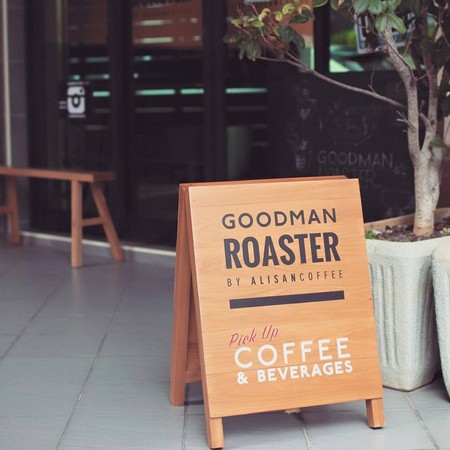
Goodman Roaster - Taipei, Taiwan
There’s already a lot of information about Goodman Roaster online. A Google search for “Goodman Roaster Tienmu” will bring up many blog reviews, and it’s one of the cafés I’ve always wanted to visit.
Aside from some well-known features—such as Japanese people promoting Alishan coffee in Taiwan, and the modern, minimalist Japanese-style decor—another reason is that they use a metal filter for serving coffee. In Taiwan, it’s rare for hand-brewed coffee shops to use metal filters, but it’s quite common overseas. The general downside of metal filters is that they’re not as clean, and without a paper filter, some coffee grounds may remain. However, the benefit is that they preserve the coffee’s oils, resulting in a richer flavor, and you also save on the ongoing cost of paper filters. I personally like them because you just rinse them with water, which is very convenient.
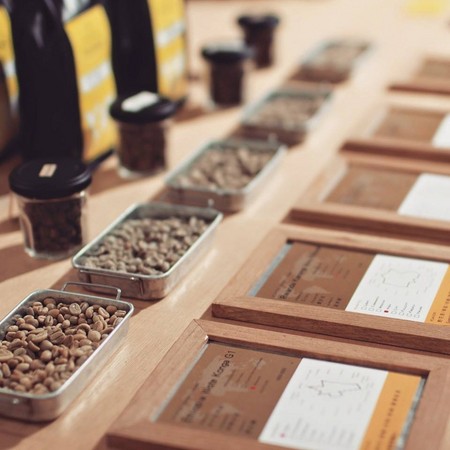
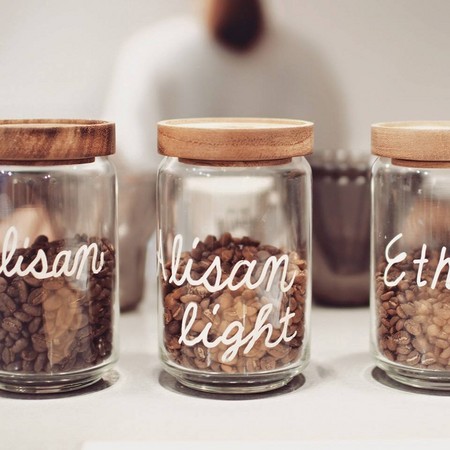
Some of the more common hand-brewing metal filters include the 2012 KINTO CARAT metal filter, the 2014 new SLOW COFFEE STYLE series, and the American third-generation stainless steel KONE Filter. The one used at Goodman is the KINTO Slow Coffee Style series, available with or without a paper filter. At home, I use the KONE Filter with a 6-cup Chemex.
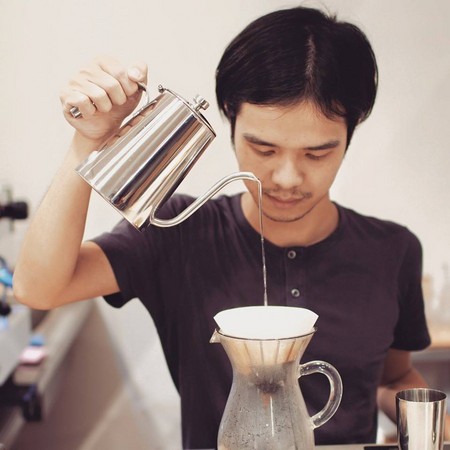
I asked the barista when they use the paper-filter version versus the metal-only version. The barista kindly and enthusiastically explained that they use the metal-only filter for light-roast beans, and the paper-filter version for medium-roast beans, as they’re concerned the flavor might be too strong—but they emphasized that cupping standards are the priority.
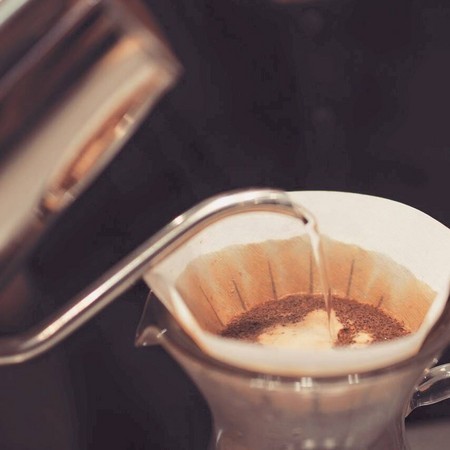
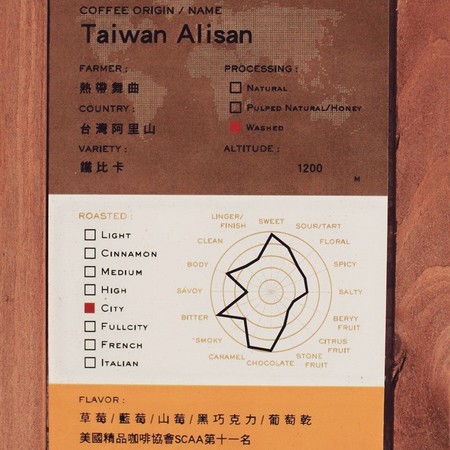
I specifically ordered a light-roast washed Alishan Tropical Rhapsody, which I absolutely loved, so I became even more curious about their brewing method. The shop uses the Kalita Nice Cut—I happen to have the same one at home. The grind setting was 4, no paper filter, with a coffee-to-water ratio of about 1:13. The bloom time was around 30 seconds, and after blooming, I poured a thin stream of water in the center, gradually raising the kettle handle to shoulder height, then slowly lowering it while making small circular pours until the desired amount of water was added. The total brew time was nearly two minutes (including the bloom). I tried this brewing method at home myself, and the coffee tasted really good. Interested friends should definitely give it a try.

The pricing is very affordable. I asked the barista out of curiosity because one major reason Taiwanese coffee isn’t more widely promoted is the higher cost, leading to relatively expensive prices compared to regular coffee. Here, a hand-brewed Alishan coffee costs only NT$150. The barista explained that they mainly want more people to experience good Taiwanese coffee, and drinking in the shop is more about an experiential promotion. If it weren’t a bit far from my home, I’d probably visit often to enjoy the great service and coffee here.
GOODMAN Roaster
Address: No. 110, Tianyu St., Shilin District, Taipei City
Phone: 0983-295547
Business Hours: 11:00–22:00
Irregular holidays
http://goodman-company.com/
The Flight Attendant’s Coffee Journey
Visiting specialty coffee shops around the world through the perspective of years of flying and professional barista experience.
Author: Current flight attendant, certified SCAA Level 1 Barista, SCAA & CQI Q Grader for coffee quality evaluationFB、Blog、Instagram: world_coffeeshop
Share
This article is published by HowToTrip. Sharing and reposting are welcome — please credit the source.
Article URL: https://www.howtotrip.net/views-10926
Related Articles
- Shaoxing's "Grandpa Gourd" hangs the gourds back up: "If there are too many people, we'll interact less — just take a quick look from afar"
- Chinese authorities announce "reciprocal adjustment" to Japan visa fees — single-entry visa jumps from 2,250 to 16,750 yen!
- The "health stones" carried by a traveler were found to have radiation levels exceeding safety limits by a thousand times, potentially endangering fellow passengers on the same flight. Customs issues warning!
- Shenzhen Airport Issues Late-Night Notice: Unidentified Aerial Object Detected, Causing Widespread Flight Delays!
- “They only said it cost money after I opened the box and washed it!” 200g of grapes sold for 60 yuan on a high-speed train—12306 responds!
- Can't buy an airline ticket? Denied exit? Blocked from boarding? A large number of Chinese tourists have mysteriously become "discredited individuals"
- Adverse weather and economic fluctuations impact Colombia's coffee market
- Beach bathing area responds to 2 yuan/30 seconds fee for freshwater foot rinsing: Clearly priced!
- Taking off with an improperly closed cabin door? Wing malfunction? Multiple flights made emergency returns mid-journey!
- Experience the gifts of nature! A countdown of the world’s ten most stunning coastlines