Experience local life: 100-year-old public transport you must try in Hong Kong
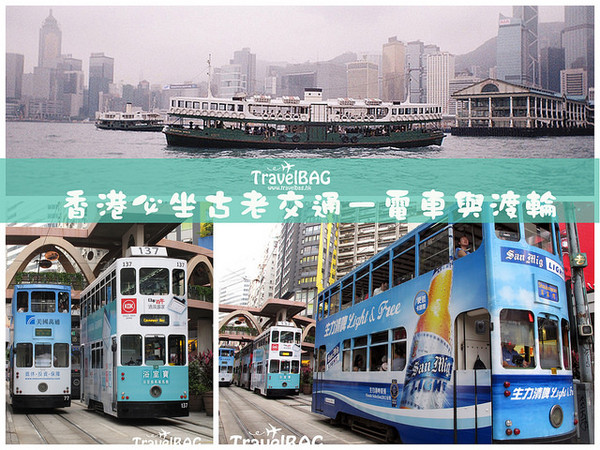
Text & Photos /TravelBAG
A Century of Hong Kong Trams
Recently, a so-called expert suggested that to ease traffic congestion in Central, the government should remove the tram line there, claiming trams are no longer necessary. Put bluntly, the reasoning is that since the elderly are past their prime, society shouldn’t bother keeping them around. That analogy may be a bit extreme, but it’s not entirely off the mark.
Trams are electric streetcars that run along Hong Kong Island. In Japan, they serve as vital local transport in many cities. Powered by electricity, they produce no exhaust emissions compared to cars, and without air conditioning, they’re quite eco-friendly. Trams have accompanied Hong Kongers for a century, yet some dismiss them as "clinging to the past" while insisting we must "always chase the new." But if you grow old, will society use the same logic to cast you aside, leaving you to fend for yourself?
Instead, let TravelBAG’s editors introduce you to two of Hong Kong’s century-old transport icons. Whether you’re a local or a visitor, to truly experience Hong Kong, you must ride them at least once—or if you haven’t, it’s as if you’ve never really been to or lived in Hong Kong.
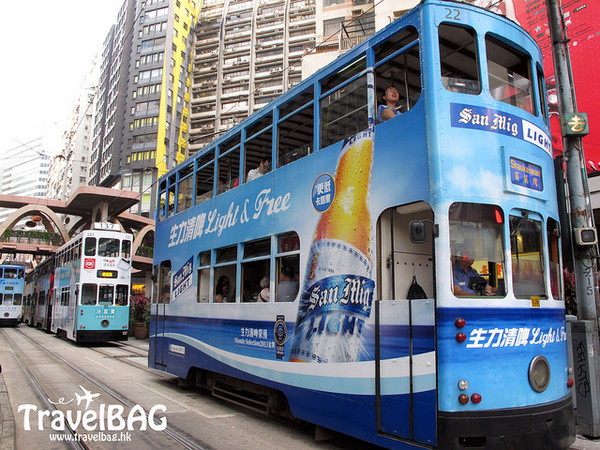
Hong Kong’s trams officially began operating on July 30, 1904, and are unique to Hong Kong Island, becoming one of the city’s iconic symbols. Locals affectionately call them "ding-dings" because of the chime they make while moving. Today, trams operate across eight routes, with the most popular ones passing through Causeway Bay, Central, and Wan Chai. Except for the Happy Valley route, all lines go through Causeway Bay, Central, and Wan Chai, extending as far as Kennedy Town (the Western District). The entire network spans 13 kilometers, with 30 kilometers of tracks. Trams run on the road, much like Japan’s streetcar systems.
The editor took trams to school as a child, traveling from Tin Hau to Shun Tak Street, and still occasionally rides them on Hong Kong Island. Preferring trams over the MTR—despite their slower speed—the editor enjoys the more relaxed pace compared to the rushed, up-and-down rhythm of the subway.
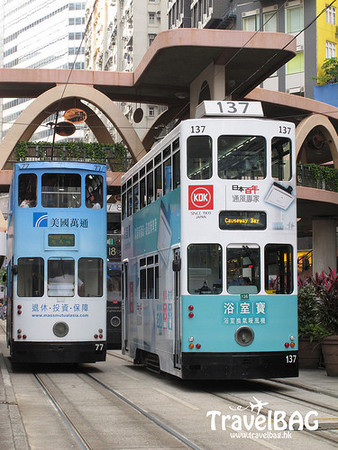
One unique feature of Hong Kong trams is that they’re double-deckers. Most other countries use single-deck trams, making this a distinctively Hong Kong experience.
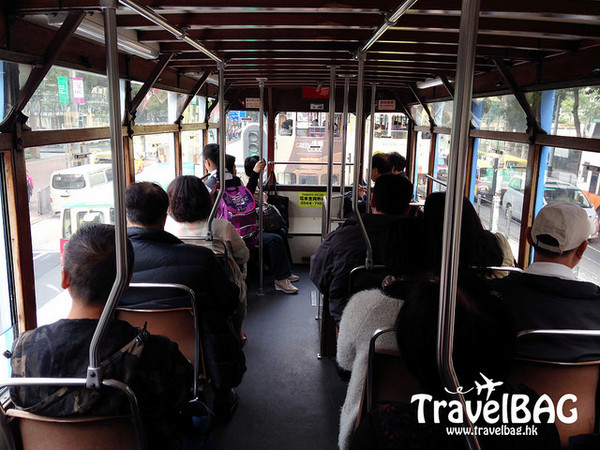
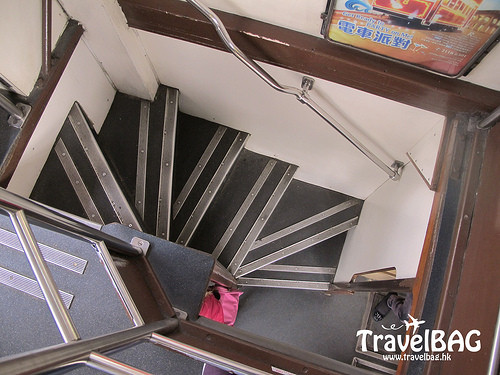
Most locals prefer the upper deck for its open views and the cool breeze in summer, even without air conditioning.
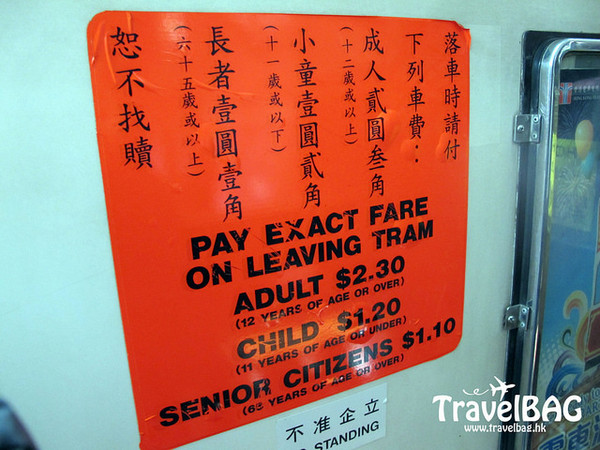
Beyond the unique feel, fares are incredibly cheap—just HK$2.3 for adults, regardless of distance. Also, you pay upon exiting, boarding at the rear and alighting at the front.
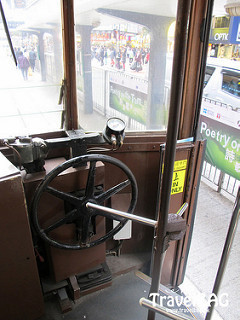
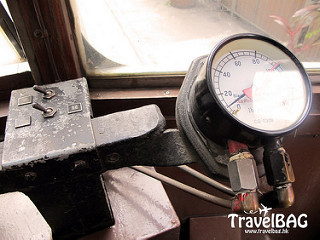
If you look closely, trams technically don’t have fixed front or back ends since both sides have driving cabins, keeping passengers and drivers close. While modern trams no longer use the old dual cabs, many retain one side with the original setup. The company preserves this feature, letting passengers stay connected to history.
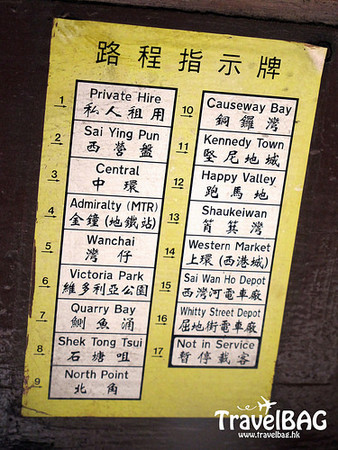
The route signs carry a nostalgic charm. After reading this, do you still think trams should be phased out? Every day, countless people rely on them to commute to work or school, while weekends offer a chance to explore the city by tram.
Trams are unique to Hong Kong Island, while ferries serve as a vital link between the island and Kowloon Peninsula. The editor once worked in Tsim Sha Tsui and loved taking the ferry to Wan Chai after work before transferring to a bus home—a great way to unwind.
Ferries Across the Harbor
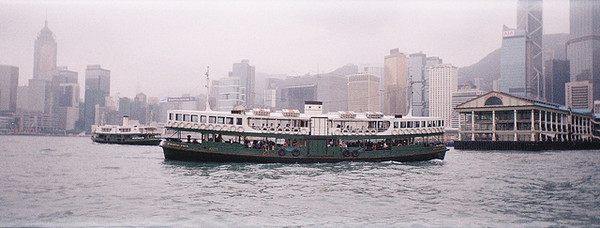
▲%Photo source: joybot@Flickr
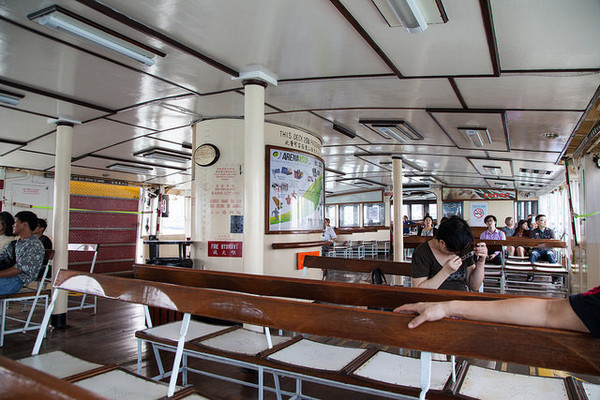
Ferries are another Hong Kong icon with a long history. The Star Ferry operates routes between Wan Chai, Central, and Tsim Sha Tsui—the longest-running ferry company in Hong Kong, established in 1898, specializing in passenger transport between Hong Kong Island and Kowloon. Fares are just as affordable as trams, ranging from HK$2 to $3.4, with slightly higher prices on weekends and public holidays. Upper-deck seats cost more than lower-deck ones, offering greater stability and panoramic views.
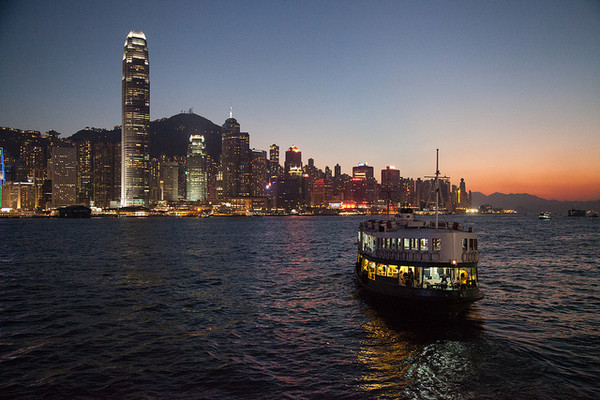
▲Photo source: joybot@Flickr
Trams are the best way to enjoy Hong Kong’s urban scenery, while ferries provide breathtaking maritime views. If you stay onboard, you can simply ride back to your starting point—so even without crossing the harbor, a short round-trip ride is a fantastic travel experience. In recent years, ferries have been named one of "National Geographic Traveler’s 50 Places of a Lifetime" and ranked among the "World’s Top 10 Most Scenic Ferry Rides" by the Society of American Travel Writers.
Related Info
Tram website:http://www.hktramways.com/
Ferry website:http://www.starferry.com.hk/
TravelBAG
URL:http://www.travelbag.hk/
FB Page:www.facebook.com/TravelBuyandGo
Share
This article is published by HowToTrip. Sharing and reposting are welcome — please credit the source.
Article URL: https://www.howtotrip.net/views-10339
Related Articles
- Shaoxing's "Grandpa Gourd" hangs the gourds back up: "If there are too many people, we'll interact less — just take a quick look from afar"
- Chinese authorities announce "reciprocal adjustment" to Japan visa fees — single-entry visa jumps from 2,250 to 16,750 yen!
- 旅客携带的“保健石”核辐射超标千倍,同机人员或遭殃!海关提醒!
- 深圳机场深夜通报!出现不明升空物,航班大面积延误!
- “拆盒洗了才说要钱!”高铁200克葡萄卖60元,12306回应!
- 买不了机票?出境被拒?登机被拦?一大波中国游客莫名成了“失信人”
- 不利天气和经济波动影响哥伦比亚咖啡市场
- 海边浴场回应冲脚淡水收费2元/30秒:明码标价!
- 舱门没关好就起飞?机翼出现问题?多个航班途中紧急折返!
- 感受大自然的馈赠!盘点世界十大唯美海岸线