A favorite among old-time Shanghainese: Dengxingguan’s topping noodles, established in 1878
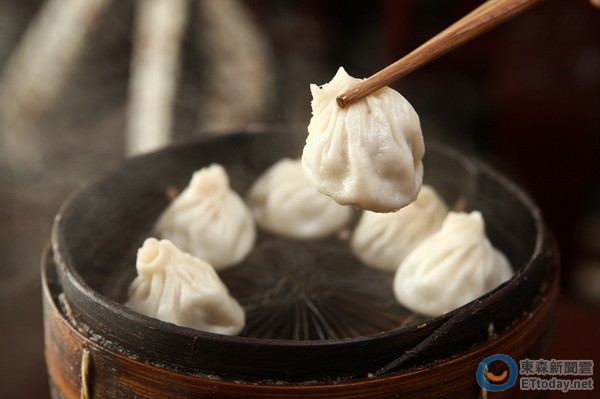
▲ Dengxingguan’s xiaolong tangbao (soup dumplings) have a saltier flavor, catering to those who prefer stronger tastes.
Text and photos by 95 Efuqi
For food-loving Shanghainese, breakfast is no casual affair. In the past, locals commonly ate items like shengjian (pan-fried buns) and youtiao (fried dough sticks), but those with better financial means......might opt for an authentic“topping noodle”
for breakfast. “Toppings” refer to the ingredients added atop rice or noodles, so topping noodles are simply noodles served with various toppings. Among the many restaurants and noodle shops, Dengxingguan is a time-honored brand that never gets old for many lifelong residents.
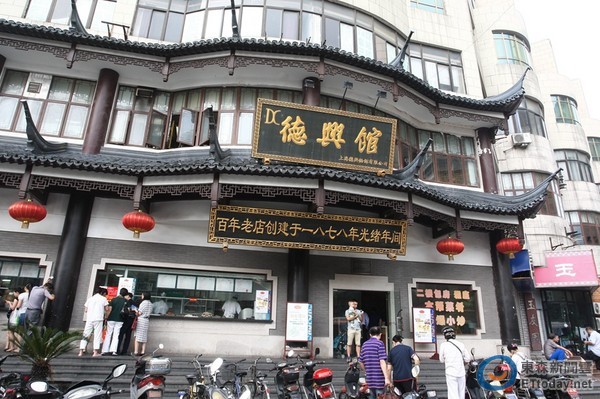
▲ Dengxingguan, founded during the Guangxu Emperor’s reign.
Established in 1878, Dengxingguan is a century-old eatery operating since the Guangxu era, primarily serving noodles and stir-fried dishes. Glancing at the menu lining the walls, there are dozens of topping noodle varieties alone: fried eel, three delicacies, braised lamb, spicy pork and braised hoof with two delicacies, spicy sauce lean meat... along with other combinations. Other options include wontons, cold noodles, and fresh pork xiaolongbao. During breakfast hours, the place is bustling with customers.
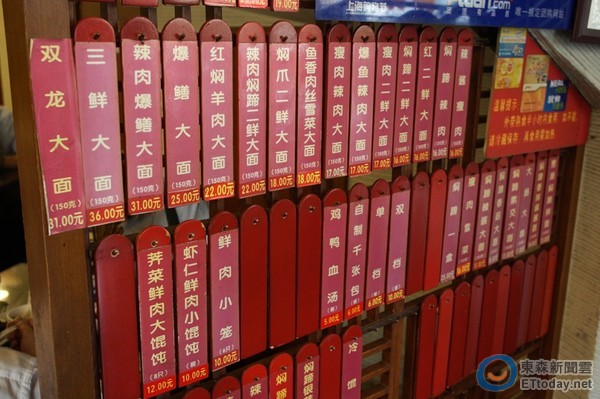
▲ From eel to braised hoof, Dengxingguan offers a wide selection of topping flavors.
Following a friend’s recommendation, I ordered a bowl of three delicacies noodles to try. Compared to Taiwan’s three delicacies noodles—often featuring ingredients like shrimp and squid—Dengxingguan’s version refers to: braised hoof, fried eel, and fried fish. The light brown broth and white noodles are topped with these three ingredients, finished with a sprinkle of chopped scallions, making for a classic bowl of three delicacies noodles.

▲ The three delicacies big bowl features braised hoof, fried fish pieces, and fried eel.
Fried eel and fried fish refer to deep-fried eel and fish chunks, which, after absorbing the broth, retain their chewy texture and flavor, along with the seasoned saltiness of the sauce. The braised hoof meat is lean with some fat, soft yet not mushy, showcasing the chef’s skill in controlling heat. The noodles are the slender, everyday type, less elastic but smooth, and while the broth may look thick, it actually tastes somewhat light—its flavor is on the sweet side within Shanghai’s typically salty profile.

▲ During breakfast time, many customers come in to enjoy noodles.
Though a bowl of topping noodles is indeed rich in flavor, it’s undeniable that Dengxingguan serves up a strong sense of “tradition.” For example, the signature braised hoof leaves a slightly greasy, bloody aftertaste in the mouth, and the filling of the xiaolong tangbao has a stronger taste, also less aligned with the lighter palates of many modern diners. The combination of light soup and rich toppings may also feel unfamiliar to those accustomed to Japanese ramen, which typically features thick broth and fresh toppings. But it’s precisely this long-preserved tradition that makes Dengxingguan a beloved spot for many old-time Shanghainese. For those wanting to sample a taste of old Shanghai spanning a century, following the locals’ lead and trying an authentic topping noodle bowl is highly recommended.
Dengxingguan (Guangdong Road flagship store)
Address: No. 471 Guangdong Road, Huangpu District, Shanghai
Business hours: 06:15–21:30
Prices: Three delicacies big bowl RMB 36 (approx. NTD 184), fresh pork xiaolongbao (6 pcs) RMB 10 (approx. NTD 51)
Share
This article is published by HowToTrip. Sharing and reposting are welcome — please credit the source.
Article URL: https://www.howtotrip.net/views-10323
Related Articles
- Shaoxing's "Grandpa Gourd" hangs the gourds back up: "If there are too many people, we'll interact less — just take a quick look from afar"
- Chinese authorities announce "reciprocal adjustment" to Japan visa fees — single-entry visa jumps from 2,250 to 16,750 yen!
- 旅客携带的“保健石”核辐射超标千倍,同机人员或遭殃!海关提醒!
- 深圳机场深夜通报!出现不明升空物,航班大面积延误!
- “拆盒洗了才说要钱!”高铁200克葡萄卖60元,12306回应!
- 买不了机票?出境被拒?登机被拦?一大波中国游客莫名成了“失信人”
- 不利天气和经济波动影响哥伦比亚咖啡市场
- 海边浴场回应冲脚淡水收费2元/30秒:明码标价!
- 舱门没关好就起飞?机翼出现问题?多个航班途中紧急折返!
- 感受大自然的馈赠!盘点世界十大唯美海岸线