Only after visiting Antarctica can you truly grasp its beauty! 2 stunning natural travel routes
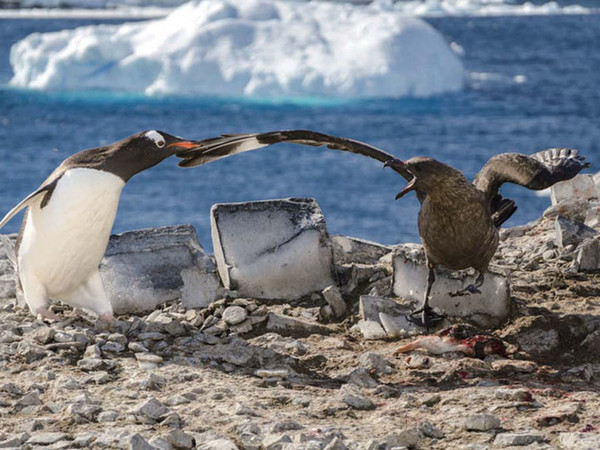
Photos and text by BonVoyage One Travel
Grand tours—whether following in the footsteps of pioneers or blazing your own trail—are expeditions undertaken for the sake of exploration. Bravely setting aside your current life to venture into the unknown is no longer just a routine exercise to step out of your comfort zone, nor an escape from daily life or a role you’ve grown weary of managing. Instead, it’s a personal mission to carve out more spaces in the world where you can belong.
%experiencing the purest moments between life and nature
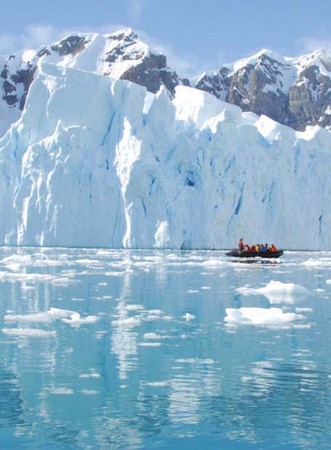
Over 100 years ago, when maps had yet to fully chart Antarctica, two expeditions undertook long and arduous journeys to challenge the frozen continent—opening the world’s eyes to this mysterious and little-known land.
A century later, Antarctica remains as remote as the word implies. Though it's no longer as difficult to reach as before, it continues to attract travelers in this modern era, becoming a dream destination for many—as if a lifelong aspiration is to witness the ends of the earth with one’s own eyes and to immerse oneself in the silence of this vast white wilderness.
When the ship slowly departs from Ushuaia—known as the “end of the world” in South America—and sails toward the distant south, that marks the beginning of a dream coming true.
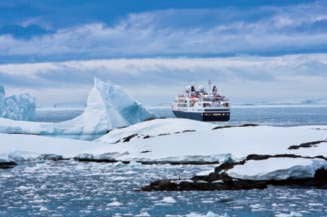
▲It is recommended that ships traveling to Antarctica carry no more than 150 passengers.
However, the journey to Antarctica requires passing Cape Horn at 55°56′ S and navigating the treacherous Drake Passage—an unpredictable and perilous body of water that even Magellan chose to avoid.
The Antarctic adventure officially begins as you disembark via Zodiac boats onto the South Shetland Islands. Over the next few days, the voyage will make stops at several nearby islands before finally landing at Neko Harbour on the Antarctic Peninsula, where you’ll set foot on the seventh continent.
Classic Itinerary
Buenos Aires → Ushuaia → Drake Passage → South Shetland Islands → Antarctic Peninsula
ACCESS
Most trips to Antarctica currently depart from Ushuaia, Argentina. Options range from basic 11-day itineraries to immersive 23-day experiences.
Tickets are generally purchased online in advance, although a lucky few with a "dream of Antarctica" may snag discounted last-minute tickets locally.
INFO
When crossing the Drake Passage, remember to take seasickness medication to reduce discomfort. Also, it’s advisable to choose a ship with around 150 passengers to increase chances for shore landings and explorations.
According to the Antarctic Treaty, you must maintain a distance of 5 meters from penguins and are strictly prohibited from touching them—though it’s fine if a penguin approaches you out of curiosity..
WEB: http://www.quarkexpeditions.com
Che Guevara’s Motorcycle Journey: A Trip Across the South American Continent
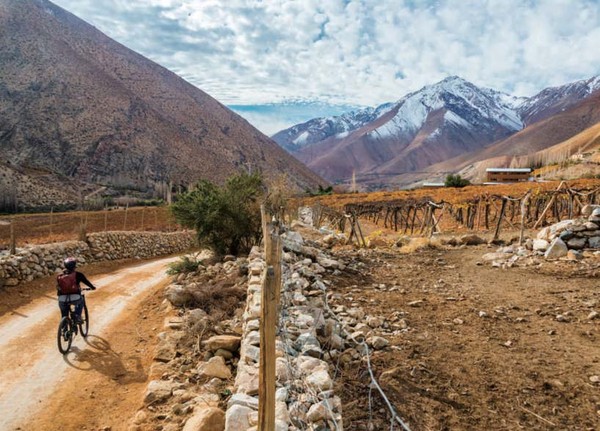
▲If given the chance, would you ride a motorcycle through the Andes Mountains?
Since Columbus discovered the New World in 1492, the fate of this land and its indigenous peoples was sealed. When Che Guevara and his close friend embarked on their journey of self-discovery aboard their “motorcycle,” they were deeply shaken by the trauma, suffering, and injustices they witnessed.
Looking back now, would South America be what it is today without that trip? This nearly 10,000-kilometer journey began in Che’s birthplace, the “blue labyrinth” of Buenos Aires.
Together with Alberto, he traveled northward through the towering Andes, passing through the so-called “Switzerland of South America”—Nahuel Huapi National Park (Parque Nacional Nahuel Huapi)—and then heading north before taking a boat to Chile. The locals warmly welcomed them, and this beautiful yet troubled country gradually inspired Che’s desire to help others.

▲This is where Che began his journey to Chile.
The world’s driest Atacama Desert taught him about lofty ideals, while the world’s largest open-pit copper mine—Chuquicamata—revealed the hardships of laborers. Cusco, once known as the “navel of the world,” marked the beginning of Che’s exploration of people’s struggles, and the “city in the sky,” Machu Picchu, led him to reflect on the development of human civilization.
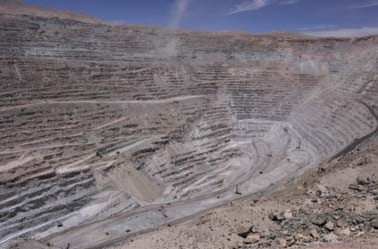
▲Chuquicamata in Chile is the world’s largest open-pit copper mine.
Eventually, the journey concluded in Caracas, the capital of Venezuela, but the sights along the way not only ignited the revolutionary fire in the young Che’s heart but also left all who experience it with an indescribable sense of awe.
Classic Itinerary
Buenos Aires → Nahuel Huapi National Park → Atacama Desert → Machu Picchu → Caracas.
ACCESS
Currently, this route allows you to take a bus all the way from Buenos Aires, bypass the Lake District near the Andes Mountains, head to Nahuel Huapi Lake, and then continue on to Chile. From there, you can travel to the capital, Santiago, pass through the Atacama Desert, enter Peru via Tacna, and then make your way to Cusco to visit Machu Picchu.
INFO
Currently, Taiwan enjoys visa-free access to Peru and Colombia, and you can also apply for visas to Chile, Argentina, and Bolivia while in Peru. Unfortunately, Venezuela does not currently offer visa applications to Taiwanese passport holders.
Additionally, as the entire route is at a very high altitude, it is recommended to obtain medication for altitude sickness locally, just in case.
WEB Inca Trail:http://www.machupicchu.gob.pe

Share
This article is published by HowToTrip. Sharing and reposting are welcome — please credit the source.
Article URL: https://www.howtotrip.net/views-9989
Related Articles
- Shaoxing's "Grandpa Gourd" hangs the gourds back up: "If there are too many people, we'll interact less — just take a quick look from afar"
- Chinese authorities announce "reciprocal adjustment" to Japan visa fees — single-entry visa jumps from 2,250 to 16,750 yen!
- 旅客携带的“保健石”核辐射超标千倍,同机人员或遭殃!海关提醒!
- 深圳机场深夜通报!出现不明升空物,航班大面积延误!
- “拆盒洗了才说要钱!”高铁200克葡萄卖60元,12306回应!
- 买不了机票?出境被拒?登机被拦?一大波中国游客莫名成了“失信人”
- 不利天气和经济波动影响哥伦比亚咖啡市场
- 海边浴场回应冲脚淡水收费2元/30秒:明码标价!
- 舱门没关好就起飞?机翼出现问题?多个航班途中紧急折返!
- 感受大自然的馈赠!盘点世界十大唯美海岸线