Spring Trip to Hualien: Tropic of Cancer Passes Through Police Station, Becoming a Hot Check-in Spot
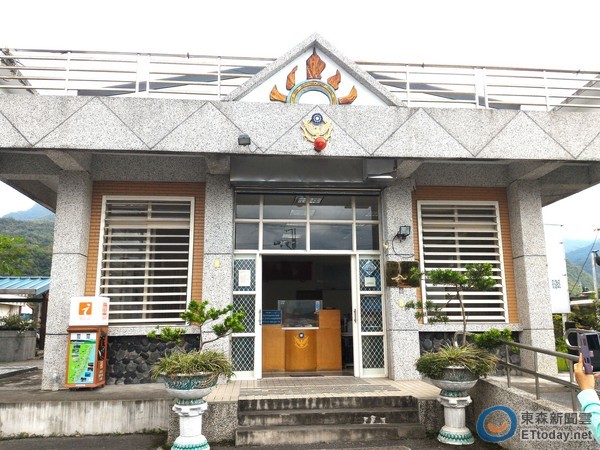
▲ Chunri Police Station (Photo by Ailishi)
Text and photo /Ailishi
The Chunri Police Station is located on Provincial Highway 193 in the Chunri Tribe of Yuli Township, Hualien, which is also home to the Zhiruo Tribe,and on the ground in front of the police station lies the Tropic of Cancer, running perfectly through the center of the station and neatly dividing the entire Zhiruo Tribe village. Chen Ching-lian, the head of Chunri Village, explained that above the entrance of the police station there is a sun symbol, which is a tattoo of the Amis people representing the rising sun. The T-shaped mark on the ground in front of the gate signifies that half of the area is tropical and the other half subtropical.
▲ A large mango tree stands in front of the Chunri Police Station, next to a cycling rest stop (Video by Ailishi)
Next to the Chunri Police Station is a cycling rest stop. Chen Ching-lian said Chunri is alsothe only place in Taiwan that offers a “mobile post office” service, with a postal vehicle making regular trips up and down the mountain at fixed times to deliver mail and more.

▲ Head of Chunri Village Chen Ching-lian (Photo by Ailishi)
Huang Weifeng, Business Manager of Zhiruo Geyu Yam Specialty Products Enterprise, said that “Zhiruo” in the Amis language means “come again,” which also reflects the issue of population outflow in the area—so the older generation hopes to see more people moving in. Inside the village is the Wugu Temple, the local spiritual center, where the God of Agriculture (Shennong) is worshipped.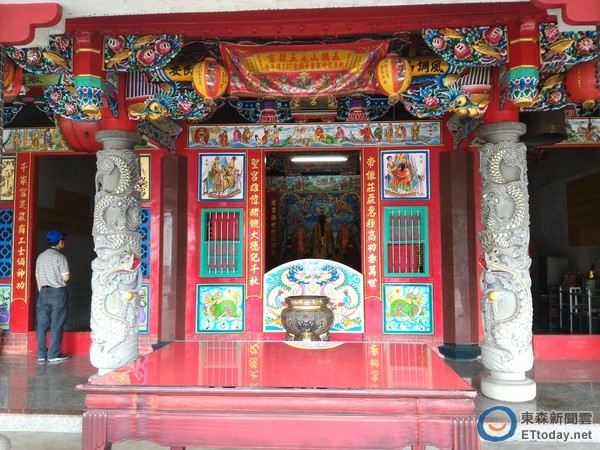
▲ Wugu Temple (Photo by Ailishi)
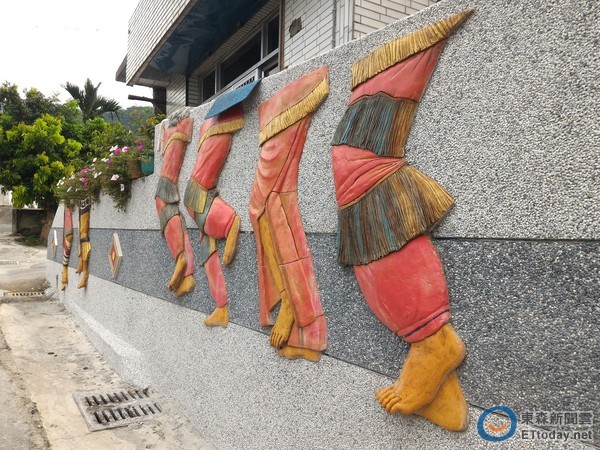
▲ Indigenous cultural decorations can be seen around the village (Photo by Ailishi)
At the entrance of the Zhiruo Tribe, there is a sign indicating the entire village is non-smoking. Passersby may also spot elderly women drying quinoa in the sun. The surrounding area features lush farmland. Chen Ching-lian said that Chunri grows a variety of cash crops, such as geyu yam, jinduer bamboo shoots, Yuli rice, Shennong rice, Zhiruo rice, ziwu rice, and Chunri rice.Jinduer bamboo shootsare a unique specialty of Chunri, while ziwu rice is authentic purple rice, rich in anthocyanins. These “colorful” rices are packaged into special designs, making them ideal for gifts or personal use.
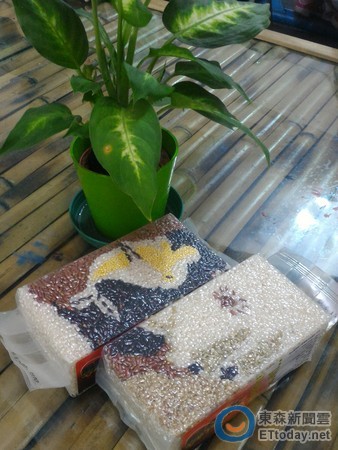
▲ Local tribal rice is branded and promoted as premium rice (Photo by Ailishi)
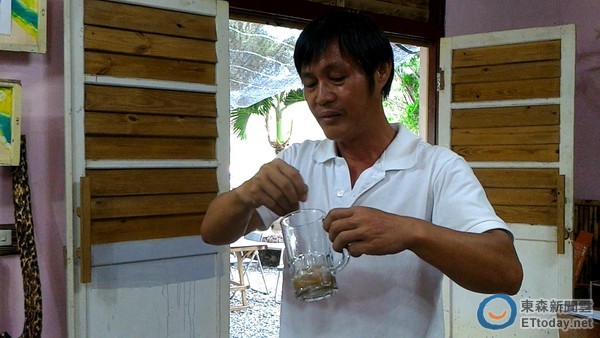
▲ Huang Weifeng, Business Manager of Zhiruo Geyu Yam Specialty Products Enterprise, demonstrates how brewing geyu yam powder into drinks offers numerous benefits (Photo by Ailishi)
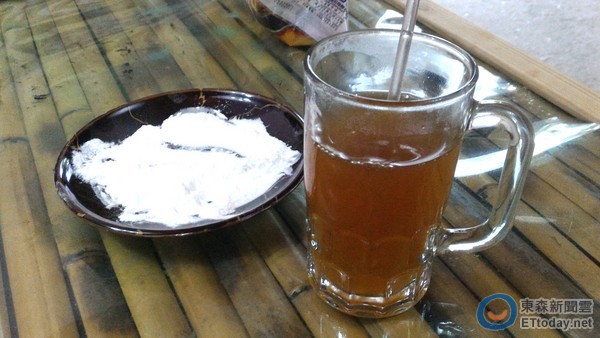
▲ Geyu yam beverages are best served chilled, with a touch of red rock sugar for flavor (Photo by Ailishi)
Visiting the Zhiruo Tribe allows you totry making geyu yam jelly. Huang Weifeng noted that this was a natural thickening agent commonly used in the past—mothers would use it forthickening sauces when cooking, offering a healthier, more natural alternative to cornstarch. It can also be used to makejelly. However, these traditional uses were forgotten over the decades until recent trends toward health and natural foods brought this crop back into focus.

▲ Vast fields of geyu yam crops (Photo by Ailishi)
Taro starch is a very healthy food, locally also known as the"Grandmother’s Sacred Heart Powder". Made into taro starch jelly, it has a soft, jello-like texture, offering even more healthiness and naturalness. Wang Weifeng said that when freshly harvested, taro starch is plump and white, very cute-looking, but it turns yellow due to oxidation, so its appearance isn’t particularly appealing. However, it is actually a very natural food. After many trials by the tribal people, the raw starch is ground and processed to extend its shelf life, which also made it possible to promote taro starch to other regions.
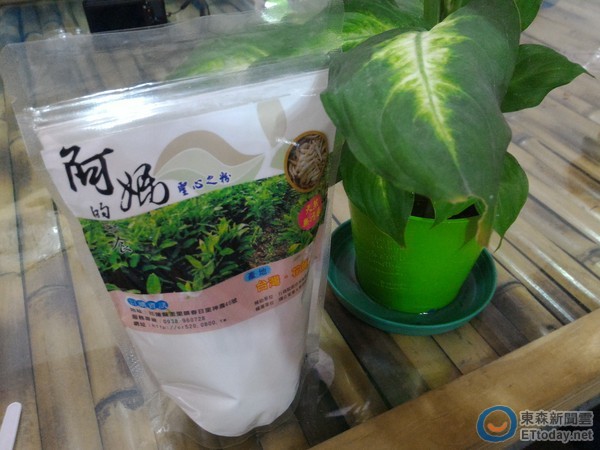
▲Taro starch is also dubbed the "Grandmother’s Sacred Heart Powder" (Photo / Ailishi)

▲The Zhiluo Tribe also offers hands-on taro starch jelly making experiences. (Photo / Ailishi)
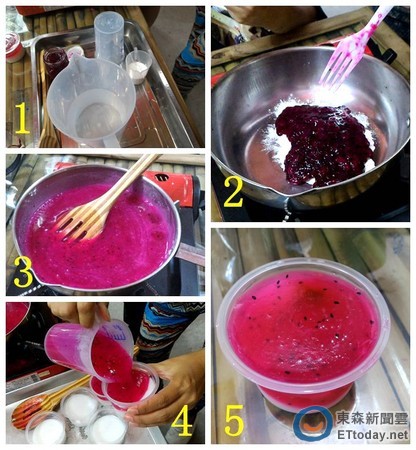
▲The production process involves continuously stirring over low heat while adding ingredients such as dragon fruit jam, taro starch powder, water, mixing until dissolved, then pouring into small containers to cool. Once chilled and jellied, it’s ready to eat. (Photo / Ailishi)
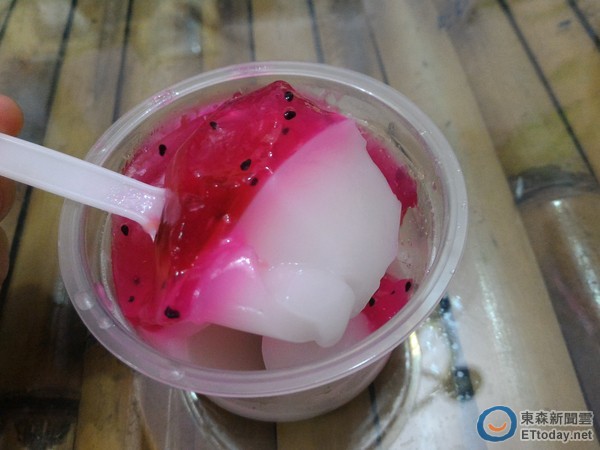
▲The finished product is cool and delicious, suitable for both kids and adults. (Photo / Ailishi)
Hualien County Police Department Yuli Branch Chunya Police Station
Address: No. 74, Shinong, Yuli Town, Hualien County
Phone: 03 887 1134
Zhiluo Tribe
Address: No. 64-1, Shinong, Chunya Li, No. 10 Neighborhood, Yuli Town, Hualien County
Taro starch jelly experience: NT$60 per person
Share
This article is published by HowToTrip. Sharing and reposting are welcome — please credit the source.
Article URL: https://www.howtotrip.net/views-9949
Related Articles
- Shaoxing's "Grandpa Gourd" hangs the gourds back up: "If there are too many people, we'll interact less — just take a quick look from afar"
- Chinese authorities announce "reciprocal adjustment" to Japan visa fees — single-entry visa jumps from 2,250 to 16,750 yen!
- The "health stones" carried by a traveler were found to have radiation levels exceeding safety limits by a thousand times, potentially endangering fellow passengers on the same flight. Customs issues warning!
- Shenzhen Airport Issues Late-Night Notice: Unidentified Aerial Object Detected, Causing Widespread Flight Delays!
- “They only said it cost money after I opened the box and washed it!” 200g of grapes sold for 60 yuan on a high-speed train—12306 responds!
- Can't buy an airline ticket? Denied exit? Blocked from boarding? A large number of Chinese tourists have mysteriously become "discredited individuals"
- Adverse weather and economic fluctuations impact Colombia's coffee market
- Beach bathing area responds to 2 yuan/30 seconds fee for freshwater foot rinsing: Clearly priced!
- Taking off with an improperly closed cabin door? Wing malfunction? Multiple flights made emergency returns mid-journey!
- Experience the gifts of nature! A countdown of the world’s ten most stunning coastlines