23 Must-Visit Historic Sites in Hong Kong!Take a Journey Through China-West Fusion History
Text/Photo /TravelBAG
Though small in size, Hong Kong has its own local history. Coupled with its past as a British colony, descriptors like "China-West fusion" and "a blend of Chinese and Western cultures" perfectly illustrate its uniqueness. Thankfully, heritage conservation efforts ensure that old doesn’t automatically mean replaced or outdated. From October to November this year, 25 historic sites in Hong Kong will offer special open-house visits. Normally, only the exteriors of these buildings can be seen, but this time you’ll get to explore both inside and out. Although no detailed schedule has been released yet, it’s worth bookmarking for now!
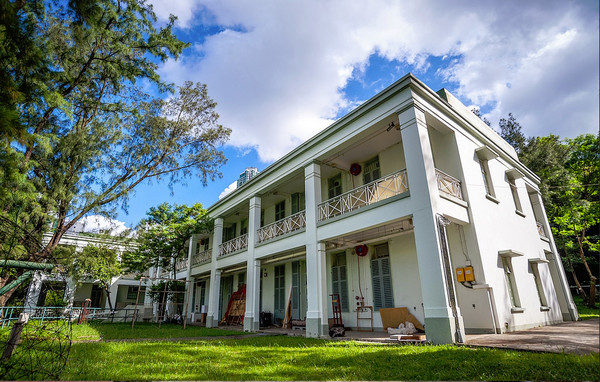
Academy of Visual Arts, Hong Kong Baptist University
Formerly the Royal Air Force Officers' Club, this Grade I historic building showcases colonial-style architecture from the early 20th century.
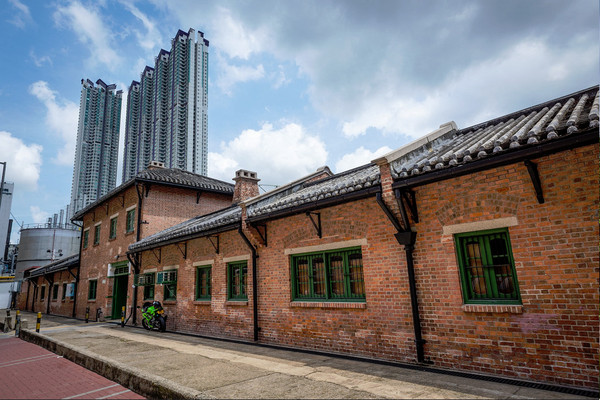
Cattle Depot Artist Village
Originally the Central Slaughterhouse for cattle, built in 1908 and closed in August 1999. After renovation, it was leased to local artists as studios, gradually evolving into the Cattle Depot Artist Village. Its iconic red-brick walls were not previously open to the public.
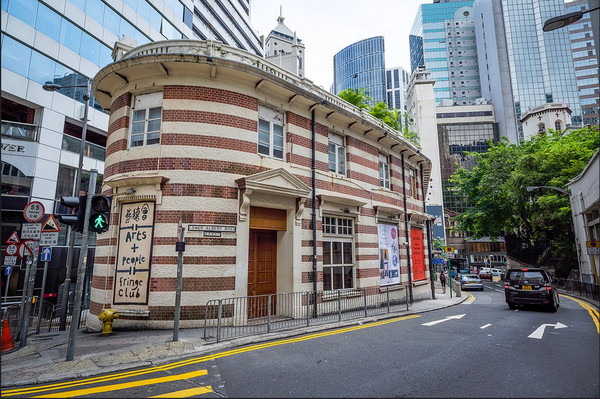
Fringe Club
Previously the Old Dairy Farm Depot, a Grade I historic building, now a small performance venue promoting art events.
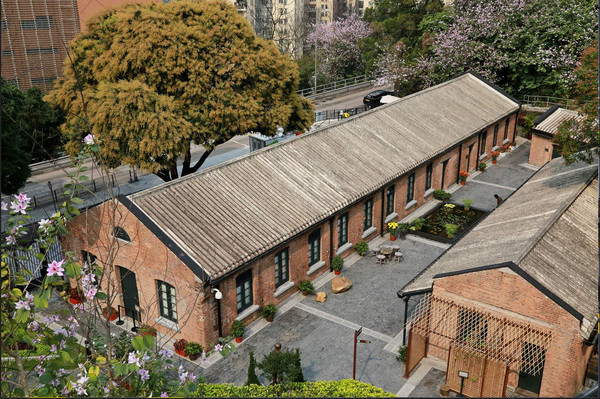
Jao Tsung-I Academy
Dating back to the late 19th century, the site has served as a branch of the Hong Kong Customs, a quarantine station, a prison, and even an infectious disease hospital. After various phases, it is now a cultural and arts venue named after Professor Jao Tsung-I, promoting Chinese culture such as tea art and calligraphy.
PMQ
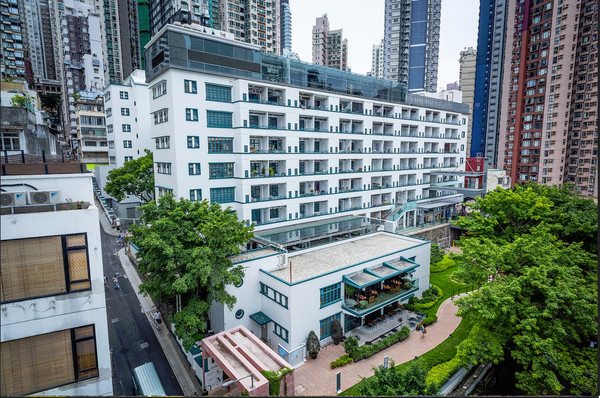
PMQ MetaCentre
Formerly a police married quarters, built in 1951, it was Asia’s first residential complex for junior police officers, Chinese officers, and their families. Each unit had its own balcony and kitchen, with shared toilets and bathrooms on each floor initially. Elevators were added in the 1960s, and by the 1970s, each household had private facilities.
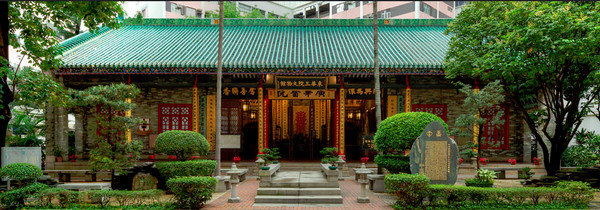
Tung Wah Museum
Built in 1911, originally the main hall of Kwong Wah Hospital. Major renovations were carried out in 1958 after termite damage to the wooden roof structure, retaining only part of the original hall. It now houses the heritage collection of the Tung Wah Group of Hospitals and is a declared monument.
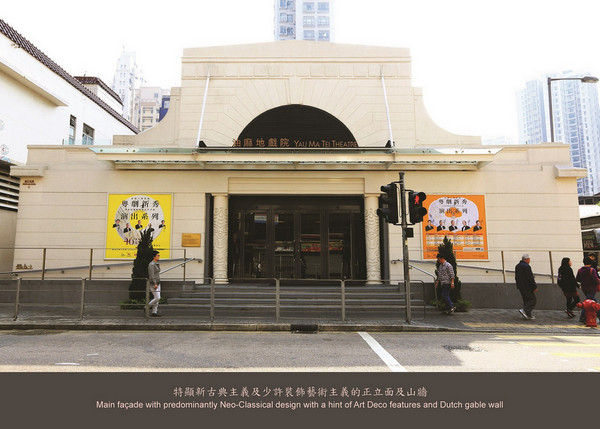
Yau Ma Tei Theatre
The only surviving pre-World War II theatre in Hong Kong, it was listed as a Grade II historic building in 2007. After renovation, it reopened in 2012 as a Chinese opera activity centre, also aiding in the preservation of Cantonese opera.
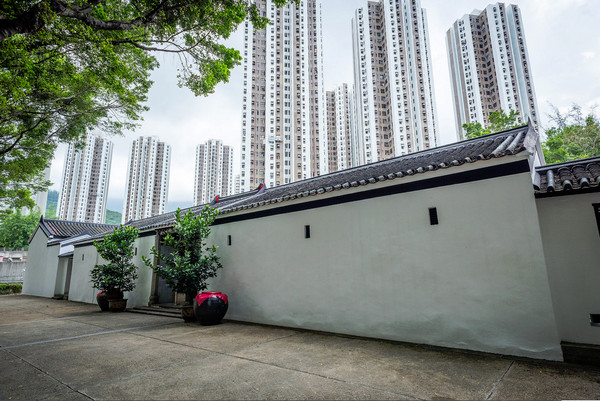
Sam Tung Uk Museum
Originally a walled village with a history of over 200 years, it was declared a declared monument in 1981. Converted into a museum and opened to the public, its architecture includes a front hall, central hall, ancestral hall, four separate living quarters, and surrounding side and rear wing rooms—typical features of a traditional walled village, a unique part of Hong Kong’s heritage.
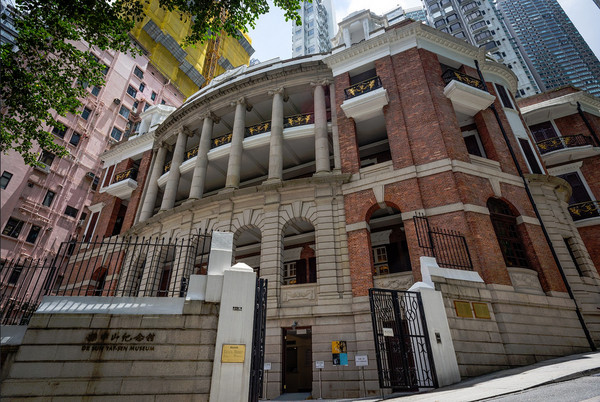
Dr Sun Yat-sen Museum
Formerly the residence of Ho Kom-tong, known as Kom Tong Hall, it became a declared monument in 2010. Built in 1914 by Ho Kom-tong, the younger brother of Hong Kong tycoon Sir Robert Ho Tung, the building was sold to the Cheng family in 1960, then transferred to The Church of Jesus Christ of Latter-day Saints as a place of worship. It was later acquired by the government and converted into the Dr Sun Yat-sen Museum.

University Museum and Art Gallery, The University of Hong Kong
The oldest museum in Hong Kong, established in 1953, initially called the Fung Ping Shan Museum, and renamed the University Museum and Art Gallery in 1994.

Sheung Yiu Folk Museum
Originally a Hakka village house built in the late 19th century in Sheung Yiu Village, it has been restored into a museum showcasing rural life.

SCAD Hong Kong
Savannah College of Art and Design (SCAD) acquired the rights to use the former North Kowloon Magistracy in 2009 to establish its Hong Kong campus (SCAD Hong Kong). The building, completed in 1960, is best known for its hexagonal staircase at the entrance.
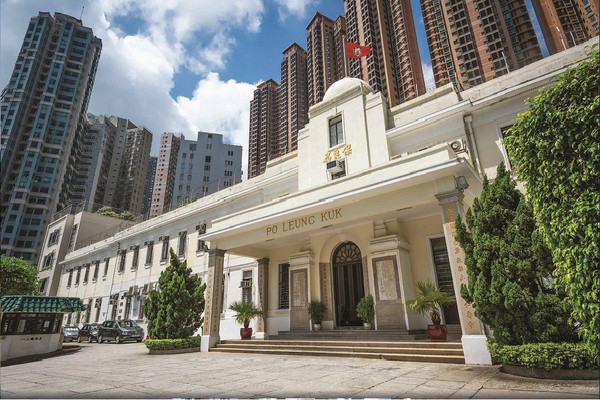
Po Leung Kuk Museum
Houses early and distinctive artefacts of the Po Leung Kuk.
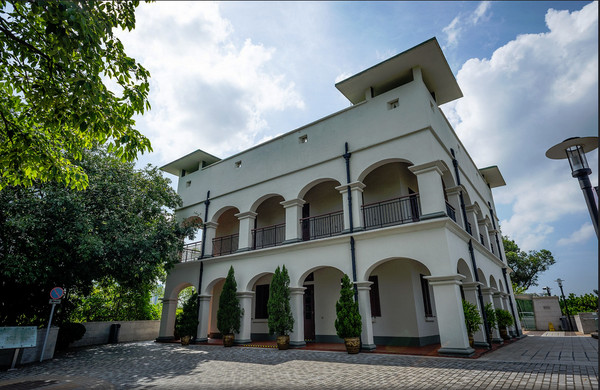
Yau Ma Tei Implement
Formerly the headquarters of the Royal Hong Kong Yacht Club, built in 1908 as a two-storey red-brick building. It was later taken over by the Hong Kong government and used as staff quarters, as well as a temporary storage warehouse for cultural relics. It has now been revitalized as an art space promoting visual arts and is a Grade II historic building.

Hong Kong Visual Arts Centre
Originally the old Victoria Barracks Cassels Block, which served as married quarters for military personnel. It was bombed during the Japanese occupation of Hong Kong and subsequently restored after the war. The Cassels Block is an Edwardian Classical Revival style building and is a Grade I historic building.
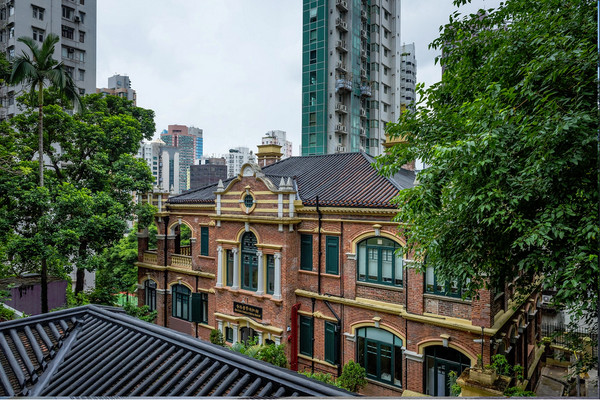
Hong Kong Museum of Medical Sciences
Formerly the Hong Kong Bacteriological Institute, which opened in 1906 to address the plague epidemic in Hong Kong at the time. After World War II, the institute was renamed the Hong Kong Pathological Institute and is now a declared monument of Hong Kong.
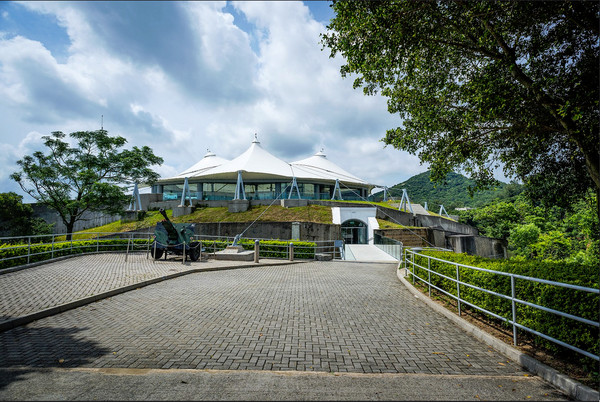
Hong Kong Museum of Coastal Defence
Originally the old Lei Yue Mun Fort, a key battleground during the Battle of Hong Kong in 1941.
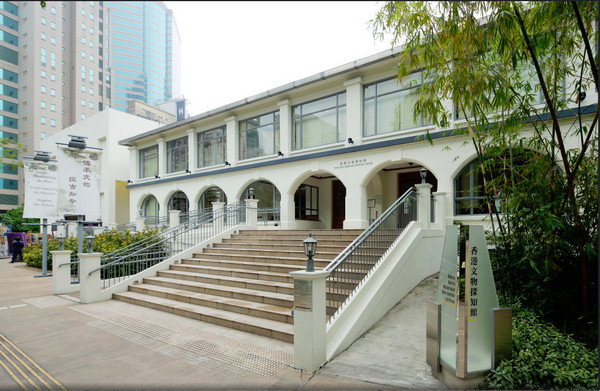
Hong Kong Heritage Discovery Centre
Formerly the S61 and S62 blocks of the former Whitfield Barracks, built in 1910 and used as military land.
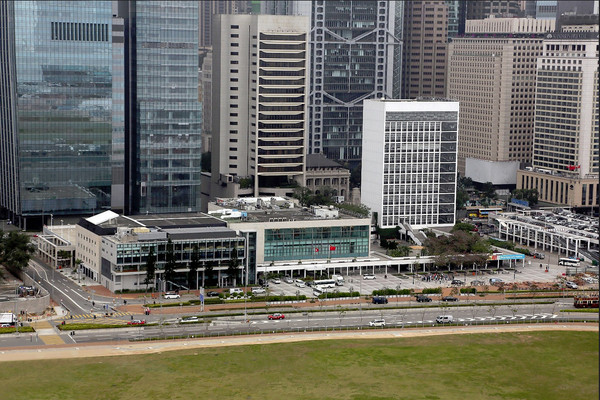
"Fong Yuen Study Hall" Tourism and Education Centre and Ma Wan Land and Marine Residents Museum
Originally "Chan's Study Hall," a rural private school, it was revitalized into a museum in 2008 and is a Grade III historic building.
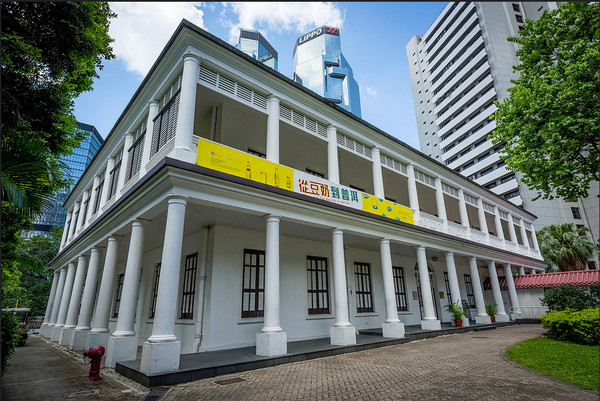
Flagstaff House Museum of Tea Ware
Formerly the former Headquarters House of the Commander of the British Forces in Hong Kong, the residence of the Commander-in-Chief of the British military garrison in Hong Kong during the colonial period. The site is the oldest surviving British colonial-style building in Hong Kong and has been listed as a declared monument.
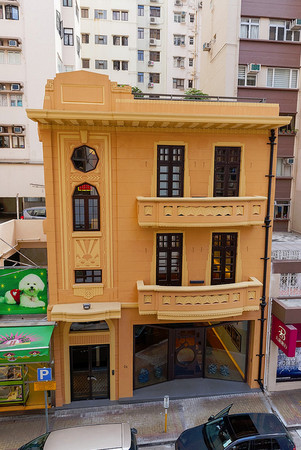
F11 Foto Museum
The building is a pre-war structure and has been rated as a Grade III historic building due to its installation art style.
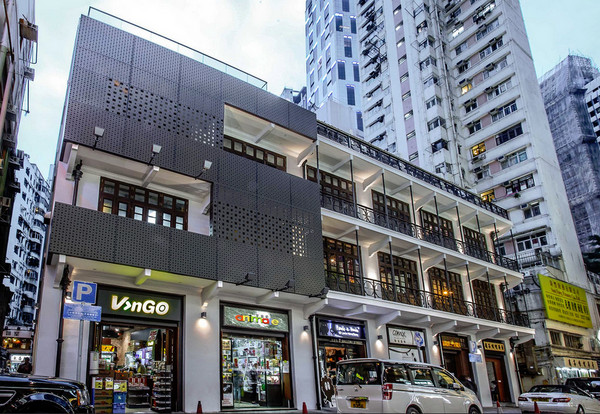
Anime-Comic-Game Hong Kong (ACGHK) Base
Originally the Green House, built in the 1920s, it is a four-storey typical Tong Lau building. It is now a Grade II historic building.
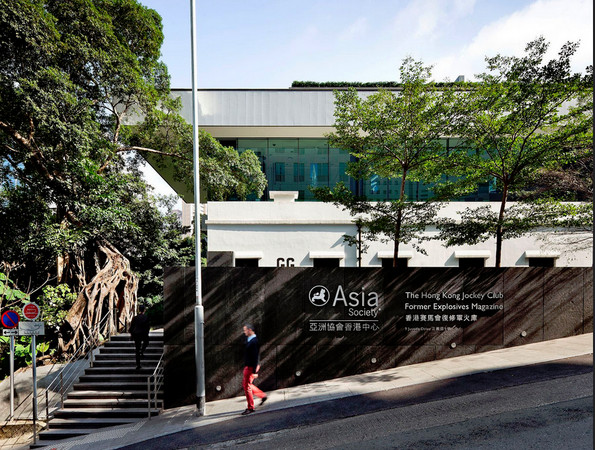
Asia Society Hong Kong Center
Formerly the explosives magazine of Victoria Barracks, used for manufacturing and storing explosives. After the British military garrison in Hong Kong relocated in 1979, it became a government workshop and warehouse. It is now the site of the Asia Society Hong Kong Center. The internal buildings are respectively Grade I and Grade II historic buildings.
Some historic buildings offer free admission and also provide free guided tours on a first-come, first-served basis. Visitors can collect stamps inside the buildings as souvenirs.
2015 Heritage Exploration Days
Website:www.heritage.gov.hk
Telephone: 2848 6230 (199)
TravelBAG
Website:http://www.travelbag.hk/
Facebook Page:www.facebook.com/TravelBuyandGo
Bored of work or school and want to travel?
Download the "ETtoday News Cloud APP" to go on a virtual trip →
iOS:https://goo.gl/rmIDdx
Android:https://goo.gl/XPe8Uj
Share
This article is published by HowToTrip. Sharing and reposting are welcome — please credit the source.
Article URL: https://www.howtotrip.net/views-9841
Related Articles
- Shaoxing's "Grandpa Gourd" hangs the gourds back up: "If there are too many people, we'll interact less — just take a quick look from afar"
- Chinese authorities announce "reciprocal adjustment" to Japan visa fees — single-entry visa jumps from 2,250 to 16,750 yen!
- The "health stones" carried by a traveler were found to have radiation levels exceeding safety limits by a thousand times, potentially endangering fellow passengers on the same flight. Customs issues warning!
- Shenzhen Airport Issues Late-Night Notice: Unidentified Aerial Object Detected, Causing Widespread Flight Delays!
- “They only said it cost money after I opened the box and washed it!” 200g of grapes sold for 60 yuan on a high-speed train—12306 responds!
- Can't buy an airline ticket? Denied exit? Blocked from boarding? A large number of Chinese tourists have mysteriously become "discredited individuals"
- Adverse weather and economic fluctuations impact Colombia's coffee market
- Beach bathing area responds to 2 yuan/30 seconds fee for freshwater foot rinsing: Clearly priced!
- Taking off with an improperly closed cabin door? Wing malfunction? Multiple flights made emergency returns mid-journey!
- Experience the gifts of nature! A countdown of the world’s ten most stunning coastlines