Don't Miss Out on These Must-Sees: Japan’s Three Famous Views, Hidden Gems, and Renowned Hot Springs
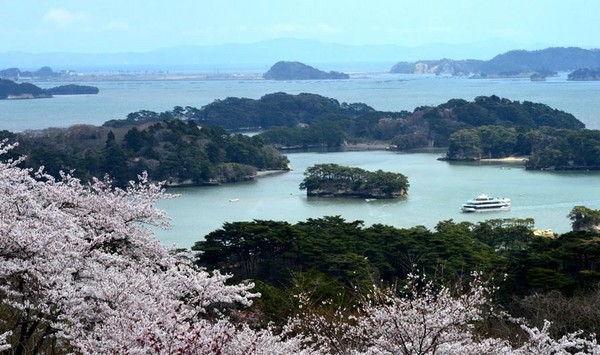
▲ Miyagi Prefecture’s Matsushima has seen a 73% increase in visitors this autumn. (Photo / Provided by Rakuten Travel, same applies to all following images)
Travel Center / Comprehensive Report
Some people decide on their travel destinations by looking at maps, others uncover spots through blogs, and some make it their mission to visit every attraction ranked high on travel lists, collecting the legendary charm passed down through generations in Japan.Rakuten Travelhas released a list of Japan’s “Top Three” attractions,specially recommending three famous views, hidden gems, and renowned hot springs to travelers from Taiwan.
Japan’s Three Famous Views
Matsushima in Miyagi Prefecture
Matsushima is made up of over 260 small islands floating on the sea, a wonder formed by crustal movement and rising sea levels. Visitors must not miss the breathtaking views from the four observation decks atop the hill, especially stunning when paired with autumn foliage, or take a cruise to see up close how the waves have naturally eroded the islands.
Amanohashidate in Kyoto Prefecture
A pine-covered sandbar in Kyoto, where white sands are lined with dense black pines. Legend says it was a staircase created by the Shinto god Izanagi to connect heaven and earth. When viewed upside down, this slender landmass appears to descend from the sky, hence the name Amanohashidate (Heaven’s Bridge), which deeply captivated Confucian scholars.
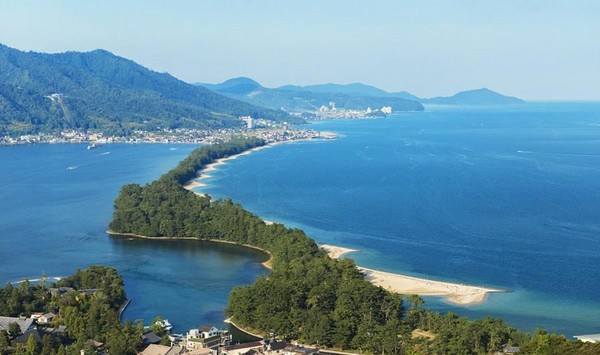
▲ The Stairway to Heaven — Amanohashidate.
Itsukushima Shrine on Miyajima Island in Hiroshima Prefecture
Miyajima has long been a place where the entire island was revered as an object of nature worship. Its iconic landmark, Itsukushima Shrine, is central to why Miyajima is counted among Japan’s Three Views. The shrine consists of Shinden-zukuri-style buildings and the famous Great Torii gate standing in the waters of the Seto Inland Sea nearby. Together with the surrounding primeval forests, they have been designated as a UNESCO World Heritage Site.
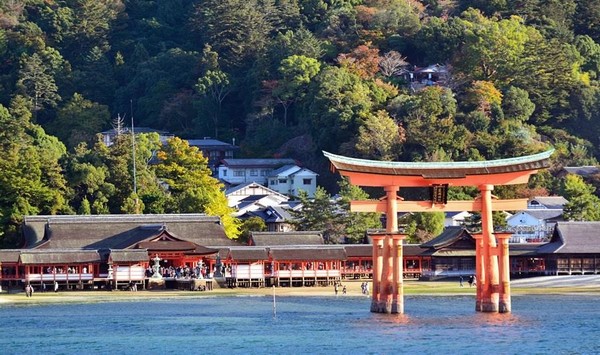
▲ Domestic lodging bookings in Hiroshima Prefecture have increased by 96.6%.
Japan’s Three Hidden Gems
Shirakawa-go in Gifu Prefecture
Located in the rugged mountains of northern Gifu Prefecture, Shirakawa-go is a famous heavy snowfall region. The unique thatched-roof gassho-zukuri farmhouses can withstand thick layers of snow. This World Heritage-listed village retains its traditional culture and customs. The silver landscapes shaped by heavy snow have amazed many visitors. Currently, the gassho houses are open for tours, leading to a 51.9% jump in domestic lodging bookings.
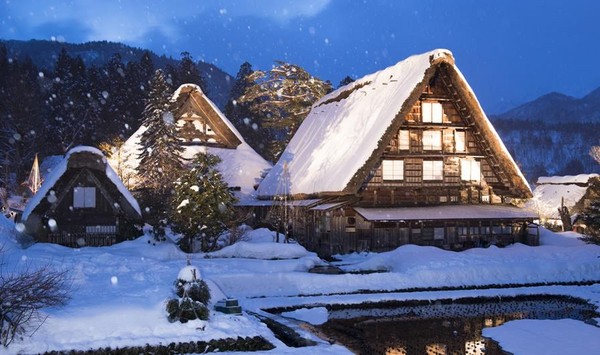
▲ The silver wonderland shaped by heavy snow — Shirakawa-go’s gassho houses.
Iya Valley in Tokushima Prefecture
Nestled in the mountainous heart of Shikoku, the “rough valley” is said to be a refuge for tribes defeated in medieval clan wars. Whether it’s the famous Kazurabashi vine bridges, hot spring villages, thatched farmhouses, or the breezes drifting through the valleys, all subtly tell the tale of this intriguing history.
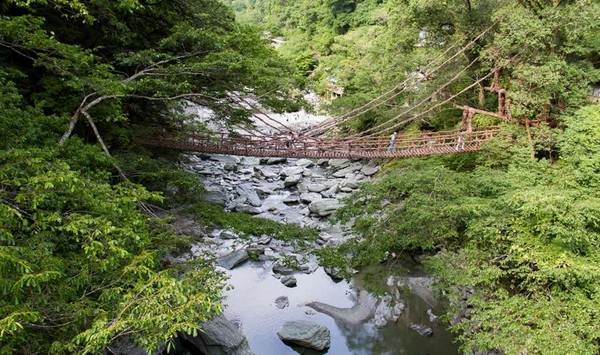
▲ Domestic lodging reservations in Tokushima Prefecture have risen by 28.1%.
Shiiba Village in Miyazaki Prefecture
Surrounded by mountains, Shiiba Village lies deep within an undeveloped area of Kyushu. It’s said that the same defeated tribe that fled to Iya also sought refuge here. For centuries, the Shiiba Kagura rituals and traditional farming techniques they developed have been preserved, offering a serene and isolated atmosphere.
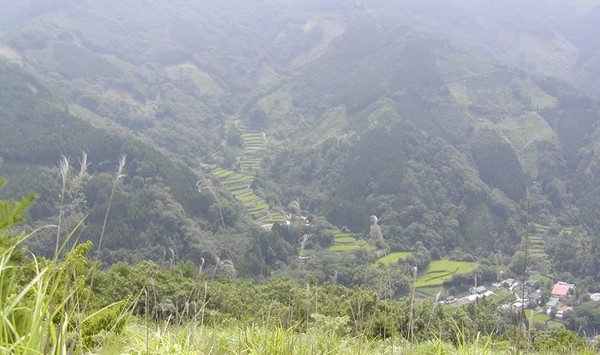
▲ Shiiba Village holds many mysterious and unique historical elements.
Japan’s Three Renowned Hot Springs
Kusatsu Onsen in Gunma Prefecture
Kusatsu Onsen is famed for its abundant hot spring water. One of its highlights is the “yubatake” (hot water field) ritual — known as “yuamushi,” where locals sing the traditional “Kusatsu Bushi” folk song while using wooden paddles to stir the water, cooling it without compromising its quality. This tradition has attracted hundreds of inns, hotels, and shops, forming a large hot spring resort area.
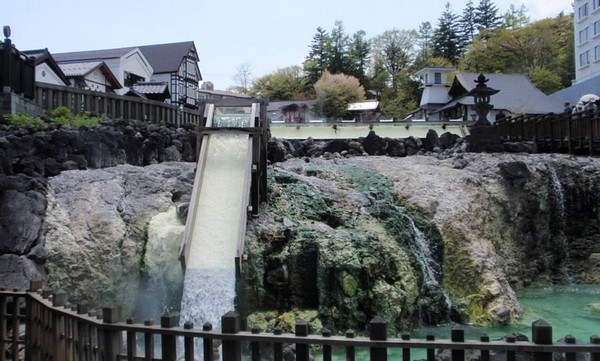
▲Gunma Prefecture’s Kusatsu Onsen is renowned for its abundant hot spring water output.
Hyogo Prefecture’s Arima Onsen
Known as Japan’s oldest hot spring, it was born a thousand years ago in one of Hyogo’s most tranquil towns. According to historical records, in 631, the Japanese Emperor once stayed here. The onsen town exudes a delicate old-world charm. Its uniqueness lies in two distinct types of waters unique to Arima: the “Gold Spring,” rich in iron with a deep tea-brown color, and the “Silver Spring,” which is transparent and clear, helping improve blood circulation, relieve lower back pain, and treat various skin conditions.
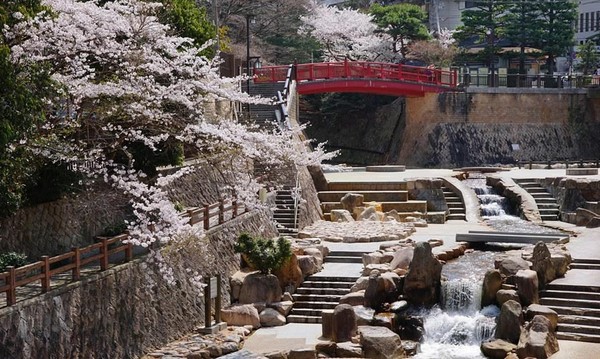
▲Arima Onsen, born in a peaceful town.
Gifu Prefecture’s Gero Onsen
This onsen is famous for its exceptional water quality and is one of Japan’s oldest natural hot spring resorts. What sets it apart is its alkaline spring water, which enhances skin softness and smooth elasticity. In winter, visitors can enjoy the steaming vapors and the luxurious sensation of silky-smooth hot spring water cleansing the skin.
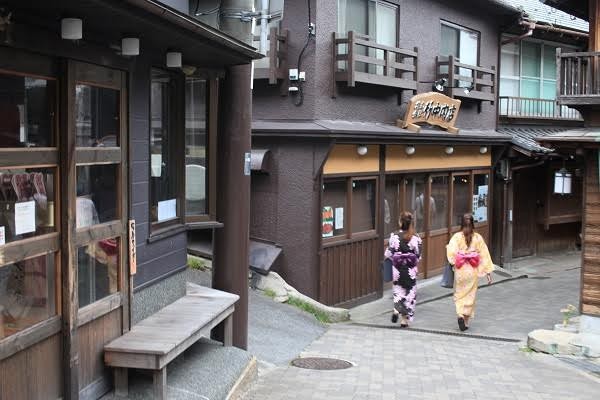
▲The booking rate in Gifu Prefecture has seen positive growth of over 50% this season.
Share
This article is published by HowToTrip. Sharing and reposting are welcome — please credit the source.
Article URL: https://www.howtotrip.net/views-9651
Related Articles
- Shaoxing's "Grandpa Gourd" hangs the gourds back up: "If there are too many people, we'll interact less — just take a quick look from afar"
- Chinese authorities announce "reciprocal adjustment" to Japan visa fees — single-entry visa jumps from 2,250 to 16,750 yen!
- The "health stones" carried by a traveler were found to have radiation levels exceeding safety limits by a thousand times, potentially endangering fellow passengers on the same flight. Customs issues warning!
- Shenzhen Airport Issues Late-Night Notice: Unidentified Aerial Object Detected, Causing Widespread Flight Delays!
- “They only said it cost money after I opened the box and washed it!” 200g of grapes sold for 60 yuan on a high-speed train—12306 responds!
- Can't buy an airline ticket? Denied exit? Blocked from boarding? A large number of Chinese tourists have mysteriously become "discredited individuals"
- Adverse weather and economic fluctuations impact Colombia's coffee market
- Beach bathing area responds to 2 yuan/30 seconds fee for freshwater foot rinsing: Clearly priced!
- Taking off with an improperly closed cabin door? Wing malfunction? Multiple flights made emergency returns mid-journey!
- Experience the gifts of nature! A countdown of the world’s ten most stunning coastlines