New Nordic Kitchen: A Unique Culinary Journey Featuring Wild Foraged Ingredients
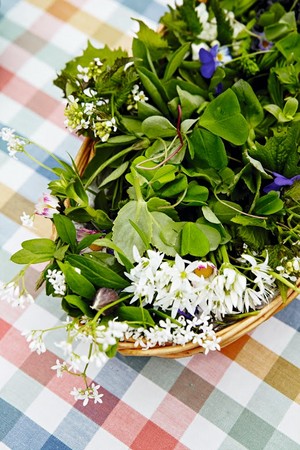
Text and Photos by /Excerpted from "The New Nordic Kitchen: Visible Natural Flavors," published by San Cai Culture
Roland Rittman and Nature’s Pantry
What better way to embark on a culinary adventure in the Nordic region than to forage for wild ingredients with an expert in the spring? Roland Rittman is a field naturalist and biology teacher with extensive knowledge of edible plants in Scandinavia. Fond of searching beaches and forests for edible greens, he has developed a keen palate over time. At first, he would only pick the most delicious wild herbs and greens to take home to his wife, Karin, who would cook with them in their kitchen.

But soon Roland was picking more than they could use at home, and had to start sharing his bounty with friends and family. They quickly found their pantries overflowing, but Roland kept foraging. One day, Karin suggested he try selling his wild delicacies at the local market square. The timing was perfect—more and more people were becoming interested in foraged foods, and his stall quickly caught the attention of local chefs. Soon, renowned restaurants were placing orders for his special ingredients, making Roland a supplier to some of the best kitchens, including the famous Noma in Copenhagen.
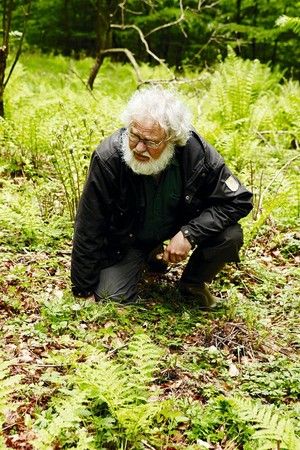
The foraging season begins when the ground thaws in spring and lasts through late autumn to early winter. During the season, his company hires several foragers and packers to supply rare edible plants from Anderslov in southern Sweden to top-tier restaurants across the Nordic region. On a warm May day, I joined Roland in the vast wilderness for what was just another ordinary day for him. My personal foraging targets were fern shoots, wild garlic, and spruce tips.
We met at his farmhouse, and by the time I arrived, Roland and Karin had already prepared a delicious dish made from foraged plants. The meal featured sweet cicely, daisies, hops, galium, white and yellow nettle flowers, sorrel, oxalis, meadow pennycress, sea kale, spruce tips, and many other ingredients. Roland, ever the enthusiastic teacher, patiently shared his knowledge of the plants while talking animatedly about flavors and cooking methods.
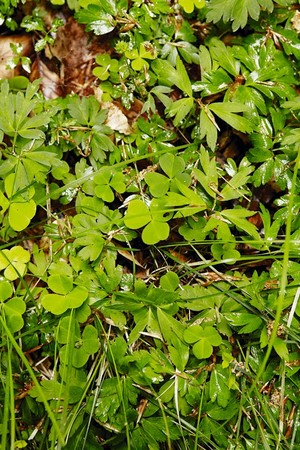
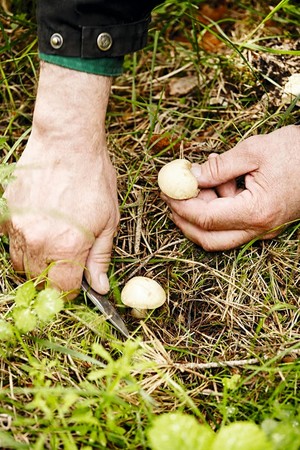
Out in the woods, beneath the green canopy of beech trees, Roland often bent down to point out plants for me: “These are the edible fern shoots—there’s plenty of oxalis over there, and the best chanterelle mushrooms I’ve found have been in that little thicket.” By the end of our trip, Roland Rittman told me he never uproots plants. As he put it, never kill the goose that lays the golden eggs—just take the interest, not the capital.
Edible Wild Plants
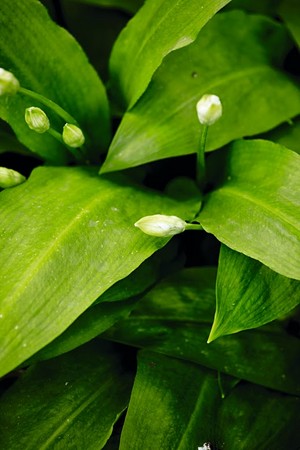
In spring, you can find many delicious ingredients in nature. The tender young leaves that emerge early are a common target, as plants tend to become less palatable as they grow to avoid attracting insects. However, foraging requires certainty and knowledge—some edible greens can be easily confused with inedible or even toxic plants. For instance, wild garlic leaves can be mistaken for the similar-looking lily of the valley, which is poisonous—but once the lily blooms, the confusion is no longer an issue.
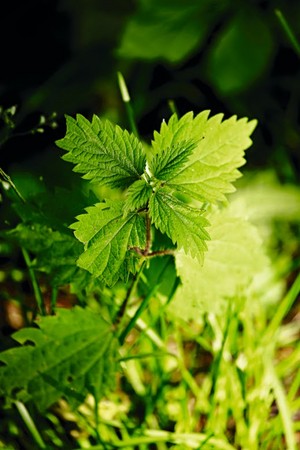
When harvesting wild plants, always respect landowners and follow local regulations—only pick species that are legally permitted. Sweden’s freedom to roam law (allemansrätten), which allows public access to private land, enables us to explore forests and fields, though this law does not apply everywhere.
Edible plants you can forage include:
● Sweet Cicely (Myrrhis odorata): Its flavor closely resembles licorice, making it perfect for fish soup or paired with raspberries.
● Galium (Galium odoratum): With beautiful foliage, it becomes delicious when candied. Its taste is somewhat like tarragon, and it works wonderfully in ice cream.
● Daisy (Bellis perennis): These lovely little flowers become surprisingly flavorful with just a pinch of Sichuan pepper. They grow wild and are also commonly found on garden lawns.
● If you enjoy watercress, look for Cardamine pratensis subsp. paludosa, which has a similar taste.
● For a seafood-like plant experience, try Honckenya peploides. Don’t forget to keep an eye out for hops (Humulus lupulus), which pair excellently with fried fish.
● The best wild plant to accompany plaice is Lamiastrum galeobdolon, while Rumex acetosa (sorrel) complements all types of fish beautifully.
● Wild Garlic (Allium ursinum): Found in damp forests across southern Scandinavia, its forest floors are blanketed with bright white star-shaped blossoms when in bloom.
● Add flavorful Hylotelephium telephium (purple sedum) leaves to salads for an extra kick.
● Oxalis acetosella (wood sorrel): A perfect garnish for steak tartare.
● Calocybe gambosa (St. George’s mushroom): Best pan-fried in butter.
Sick of work and school? Need a vacation fix?
Download the "ETtoday News Cloud App" and take a virtual foodie journey →
iOS:https://goo.gl/rmIDdx
Android:https://goo.gl/XPe8Uj
Share
This article is published by HowToTrip. Sharing and reposting are welcome — please credit the source.
Article URL: https://www.howtotrip.net/views-9636
Related Articles
- Shaoxing's "Grandpa Gourd" hangs the gourds back up: "If there are too many people, we'll interact less — just take a quick look from afar"
- Chinese authorities announce "reciprocal adjustment" to Japan visa fees — single-entry visa jumps from 2,250 to 16,750 yen!
- The "health stones" carried by a traveler were found to have radiation levels exceeding safety limits by a thousand times, potentially endangering fellow passengers on the same flight. Customs issues warning!
- Shenzhen Airport Issues Late-Night Notice: Unidentified Aerial Object Detected, Causing Widespread Flight Delays!
- “They only said it cost money after I opened the box and washed it!” 200g of grapes sold for 60 yuan on a high-speed train—12306 responds!
- Can't buy an airline ticket? Denied exit? Blocked from boarding? A large number of Chinese tourists have mysteriously become "discredited individuals"
- Adverse weather and economic fluctuations impact Colombia's coffee market
- Beach bathing area responds to 2 yuan/30 seconds fee for freshwater foot rinsing: Clearly priced!
- Taking off with an improperly closed cabin door? Wing malfunction? Multiple flights made emergency returns mid-journey!
- Experience the gifts of nature! A countdown of the world’s ten most stunning coastlines