Kyoto’s Unspoken Rules: How to Tell Real Maiko from Impostors?
Text and photos / Urban Life Research Project, excerpted from *Don’t Be Silly, This Is the Real Kyoto*, published by Yoko Culture Publishing
Translator / Hsu Yu-wen
Unspoken Rule 38 [Absolutely Can Tell the Difference Between a Genuine Maiko and an Impostor]Genuine MaikoandImpostor Maiko.
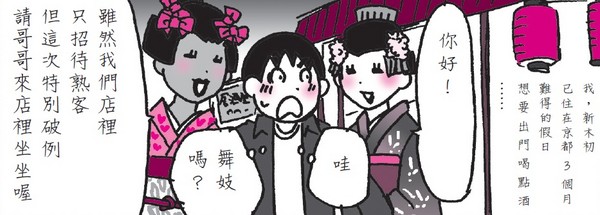
What’s your reaction when you spot a maiko on the street? Do you immediately whip out your phone to take a picture? Or ask if you can take a photo together? Well, those aren’t even the right questions—asking such things makes you a total novice in Kyoto.The real question you should be asking is: “Is that a genuine maiko?”. Kyoto offers many services where tourists can dress up as maiko, and you can also explore the city by rickshaw or taxi.
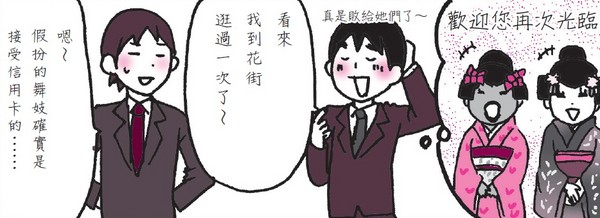
If you get too excited upon seeing a tourist dressed as a maiko, the Kyoto local giving you the tour might be shocked. “That’s an impostor maiko. At this time of day, a real maiko would never be wearing a kimono and riding around in a rickshaw.” And that’s absolutely true. So, where can you actually see a genuine maiko? Aside from the nationally famous Gion, Kyoto has five other major hanamachi (geisha districts), also known as the “Five Flower Towns.”
Gion can be divided into Gion Kobu, Gion Higashi, Miyagawa-cho, and Pontochō, with a bit farther out being Kamishichiken (near Kyoto Station, there’s also Shimabara, which once thrived as a red-light district, but no maiko can be found there anymore, so it’s not included among the Five Flower Towns). Although the number of ochaya (tea houses) is decreasing, visiting these areas still gives you a good chance of encountering real maiko and geiko (geisha).
Want to meet them on the street and then hang out at an ochaya? Sadly, that’s almost impossible without an introduction. This is what’s called “no first-time customers,” but it’s really not about excluding outsiders or showing off—it’s purely a matter of payment methods.
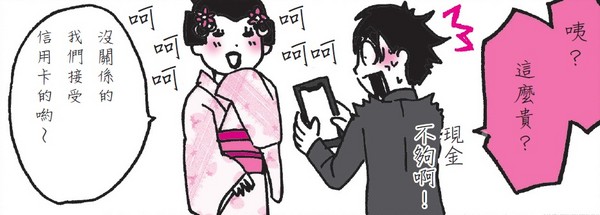
Ochaya typically operate on a post-service billing system. Whether it’s drinks, food (often catered from outside), or later taking the maiko out for drinks, everything is compiled into a single bill and sent to your home for payment. This payment system is based entirely on trust. Therefore, to avoid bad debt, ochaya can’t accept customers who aren’t trusted regulars or introduced by someone they trust. Naturally, many of these establishments don’t accept credit cards either.
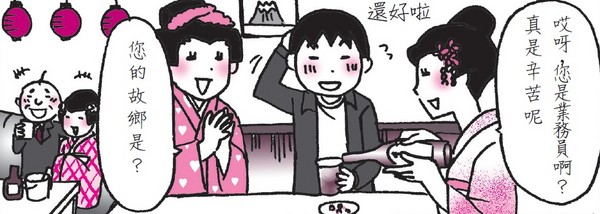
If you can’t find a reliable introducer… consider joining the “Ookini Foundation Members’ Association.” This public interest foundation was established to revitalize the hanamachi and preserve traditional culture. Membership grants you invitations to performances hosted by the Five Flower Towns and discounts on ochaya expenses (annual fee: 30,000 yen). Another thing to note:Some people imagine maiko to be synonymous with “Kyoto girls,” but sadly (?), about 90% of maiko are actually from outside Kyoto.That’s why maiko who speak fluent Gion dialect might suddenly slip into their local regional accent.
As the economy has declined, ochaya businesses have gradually modernized, but to enjoy a visit to the hanamachi, you still need to understand these basic unspoken rules. Otherwise, all you’ll get from the staff is a polite: “We hope you’ll continue to support us!”
Sick of work and school? Want to travel?
Download the “ETtoday News Cloud APP” and take a virtual trip →
iOS:https://goo.gl/rmIDdx
Android:https://goo.gl/XPe8Uj
Share
This article is published by HowToTrip. Sharing and reposting are welcome — please credit the source.
Article URL: https://www.howtotrip.net/views-9571
Related Articles
- Shaoxing's "Grandpa Gourd" hangs the gourds back up: "If there are too many people, we'll interact less — just take a quick look from afar"
- Chinese authorities announce "reciprocal adjustment" to Japan visa fees — single-entry visa jumps from 2,250 to 16,750 yen!
- 旅客携带的“保健石”核辐射超标千倍,同机人员或遭殃!海关提醒!
- 深圳机场深夜通报!出现不明升空物,航班大面积延误!
- “拆盒洗了才说要钱!”高铁200克葡萄卖60元,12306回应!
- 买不了机票?出境被拒?登机被拦?一大波中国游客莫名成了“失信人”
- 不利天气和经济波动影响哥伦比亚咖啡市场
- 海边浴场回应冲脚淡水收费2元/30秒:明码标价!
- 舱门没关好就起飞?机翼出现问题?多个航班途中紧急折返!
- 感受大自然的馈赠!盘点世界十大唯美海岸线