Over 10 ticket gates!? Tokyo Station is a massive trap

Text & Photos / Urban Life Research Project, excerpted from *Don’t Be Silly, This Is the Real Tokyo*, published by Far Eastern Culture Publishing
Translator / Hsu Yu-wen
Unspoken Rule 27 [The station is a hugetrap.]
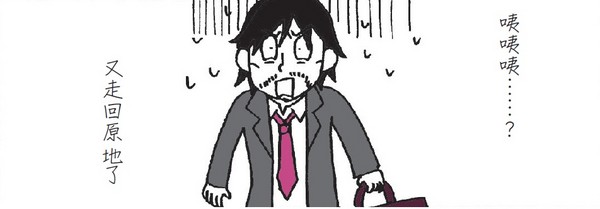
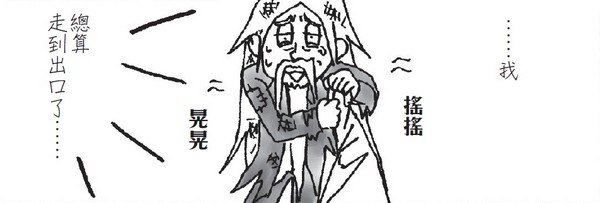
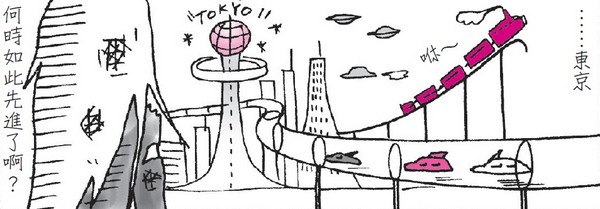
Train stations in Tokyo, especially major terminals like this one, are nothing but giant anxiety-inducing, confusing, lateness-causingmega traps.It’s incredibly hard for first-timers to escape this setup.
Take, for example, Shibuya Station, Shinjuku Station, Ikebukuro Station, and Tokyo Station—all with multiple intersecting lines. Even for locals, these stations are a challenge, and almost no one has a perfect grasp of them.
Most train stations outside Tokyo usually have just one ticket gate, making their layout very simple.
But large Tokyo stationshave multiple ticketgates. There’s the North Exit, South Exit, East Exit, West Exit—if those were the only four, it might still be manageable. But let’s take a look at Tokyo Station.
Some might assume the red-brick building often seen on TV is Tokyo Station, but that’s just the tip of the iceberg—the part visible from the “Marunouchi” side. On the Marunouchi side, there are not only the Marunouchi South Exit, but also the Marunouchi Central Exit, Marunouchi North Exit, Underground South Exit, Underground Central Exit, and Underground North Exit. On the other side, the “Yaesu” side, there are the Yaesu South Exit, Yaesu Central Exit, and Yaesu North Exit. Add to that the Japan Bridge Exit or the Shinkansen gates, and the total comes to over ten ticket gates.
Just the sheer number of gates is enough to make anyone dizzy. And then there are stations like Shibuya and Shinjuku, which have exits directly connected to stores like Tokyu Department Store or LUMINE. Some of them even look like exits, but when you walk up to them, you realize they’re just gates for transferring to another line—trapping you in amaze that makes it impossible to leave the station.
One thing newcomers to Tokyo should be especially careful about isIkebukuro Station. “I’ll meet you at the West Exit, Up!” Excited after your first date, you arrive at Ikebukuro Station and prepare to exit—only to be greeted by a slew of ads for Seibu Department Store and Tobu Department Store. Then you start wondering: “Which one is the West Exit? The Seibu side? Oh, and there’s Tobu too... I’m supposed to go to the West Exit, so I should head toward Seibu, right?” Misled by these ads, you end up at the East Exit. By the time you frantically rush to the opposite West Exit, all you’ll find is your boyfriend or girlfriend, annoyed at your lateness. The confusing part about Ikebukuro Station is that Tobu Department Store is on the West Exit side, while Seibu is on the East Exit—almost as if it’s designed to mess with you.
So when heading to an unfamiliar station or neighborhood, it’s best to check the map online beforehand to figure out the station exits and how to get to your destination. Especially sincesubway exits are numerous, each leading to completely different places. Getting the wrong exit can leave you completely disoriented, and even if you’ve printed a map, those with poor sense of direction might still have no clue where they are.
When I first arrived in Tokyo, I couldn’t tell east from west. So if your job requires frequent moving around, it’s better to keep a portable Tokyo map in your bag. Another tip: when asking for directions in Tokyo, you’ll often hear “I’m not sure,” because Tokyo is just too big, and the person you’re asking may not even be a local. Don’t expect too much from passersby when you’re lost.
Sick of the monotony of work and classes? Wanna go traveling?
Download the “ETtoday News Cloud APP” and take a virtual trip →
iOS:https://goo.gl/rmIDdx
Android:https://goo.gl/XPe8Uj
Share
This article is published by HowToTrip. Sharing and reposting are welcome — please credit the source.
Article URL: https://www.howtotrip.net/views-9543
Related Articles
- Shaoxing's "Grandpa Gourd" hangs the gourds back up: "If there are too many people, we'll interact less — just take a quick look from afar"
- Chinese authorities announce "reciprocal adjustment" to Japan visa fees — single-entry visa jumps from 2,250 to 16,750 yen!
- 旅客携带的“保健石”核辐射超标千倍,同机人员或遭殃!海关提醒!
- 深圳机场深夜通报!出现不明升空物,航班大面积延误!
- “拆盒洗了才说要钱!”高铁200克葡萄卖60元,12306回应!
- 买不了机票?出境被拒?登机被拦?一大波中国游客莫名成了“失信人”
- 不利天气和经济波动影响哥伦比亚咖啡市场
- 海边浴场回应冲脚淡水收费2元/30秒:明码标价!
- 舱门没关好就起飞?机翼出现问题?多个航班途中紧急折返!
- 感受大自然的馈赠!盘点世界十大唯美海岸线