Even Malaysians think it's authentic — Curry Seafood Hotpot with Rich Shrimp Paste Flavor
Text & Photos /Little Tiger’s Dream-Eating Web
Not long ago, I often heard the renowned chef “Chef Fan” mention that there’s a Malaysian restaurant that’s very authentic and delicious. Since Chef Fan is Malaysian himself, it made me curious—just how authentic is it? Though I still stand by my usual belief: taste matters more than authenticity.
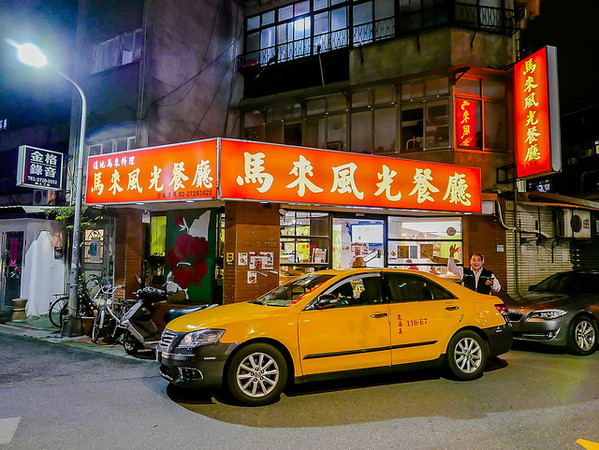
After a quick Google search for the address, I found it’s almost equally close to both Yongchun and Xiangshan stations, but after walking to both, I felt Xiangshan was just a bit nearer—so I’ve categorized it under Xiangshan Station.
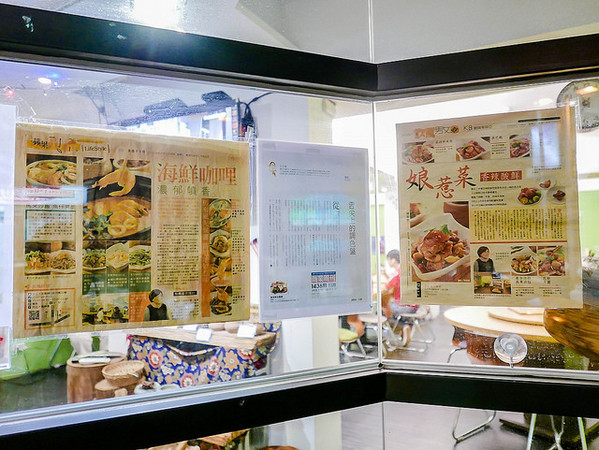
What comes to your mind when you think of Malaysian cuisine? Curry seafood, laksa, or stir-fried something-or-other?
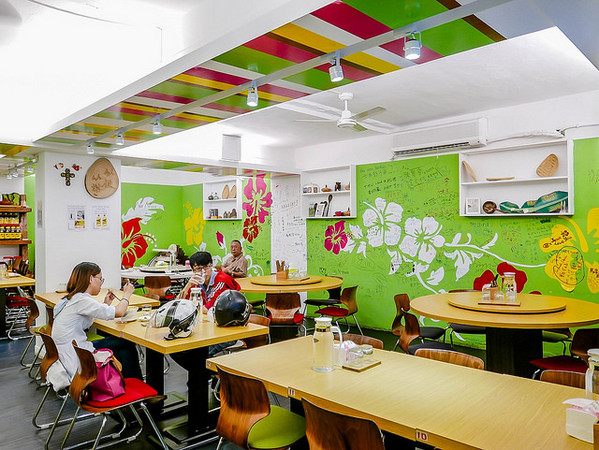
The shop’s decor is interesting—it leans slightly toward the color scheme of a typical Taiwanese breakfast shop, though this might also be because few restaurants use such bold colors.

There are square tables for four and small round tables for eight, suitable for both small and large groups. It’s said that many office workers in the area come here for business lunches at noon.
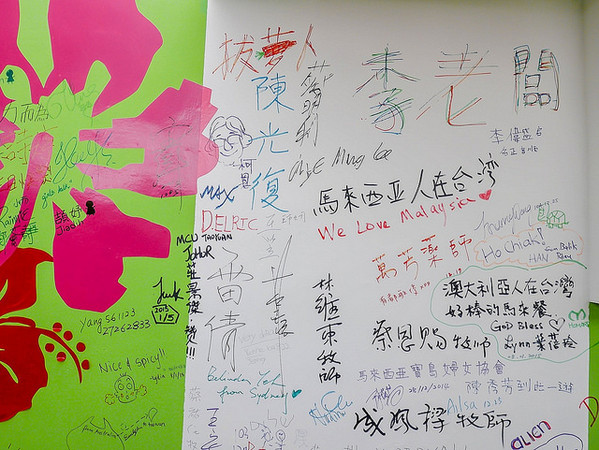
The walls are covered with numerous signatures, many from Malaysians living in Taiwan who came specifically because of the restaurant’s reputation.
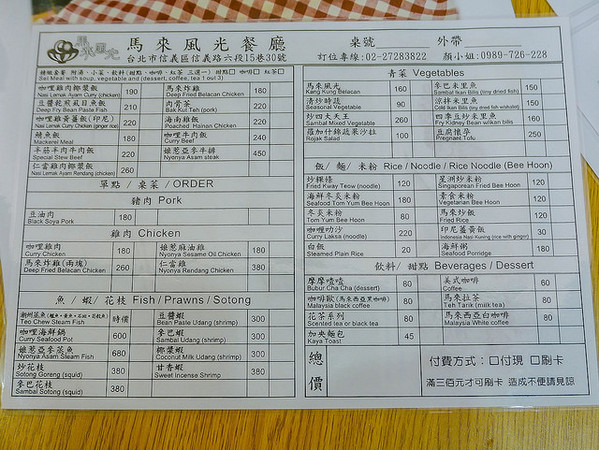
Prices are generally between 150 and 300 NT per dish, except for some more special items. Drinks are all under 100 NT, which is quite reasonable for the Xinyi District.
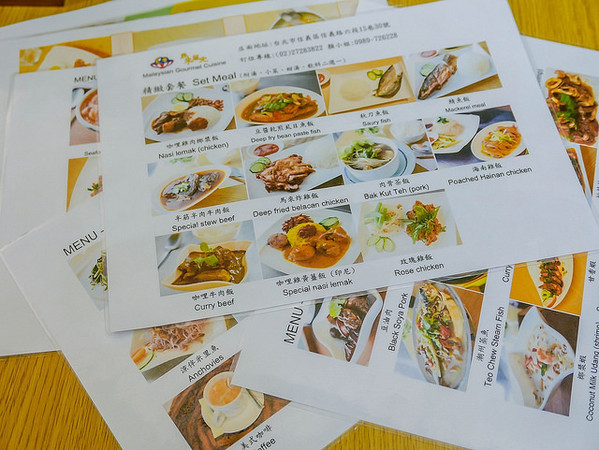
Choosing one main dish to make up a set meal (includes soup, side dish, sweet soup, and a choice of two drinks) is a popular option among local office workers for business lunches.
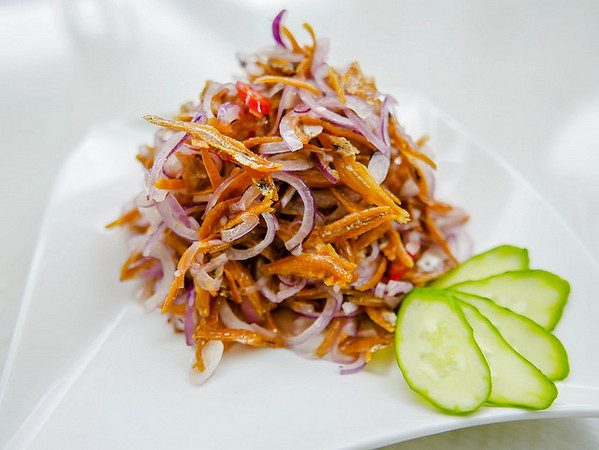
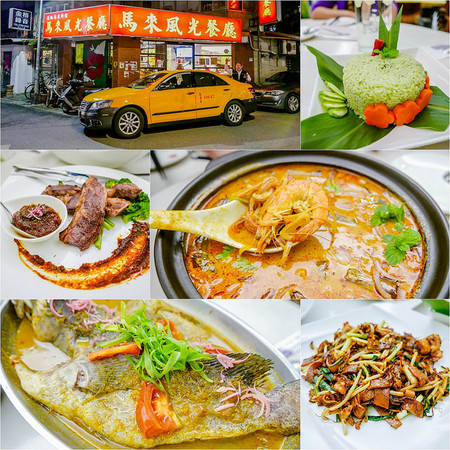
A cold dish of dried fish and purple onion has a flavor that’s fresher and lighter compared to typical Chinese dishes, with a hint of sweetness from fish sauce and the usual sour and spicy notes of Southeast Asian flavors—tasty and appetizing.
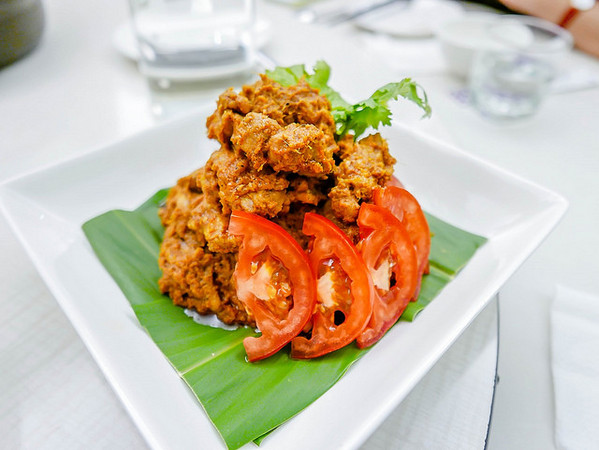
This dish is called “Rendang Chicken,” though of course, that’s the translated name. The chicken is mixed with coconut milk and Southeast Asian aromatics like turmeric and lemongrass, along with a slight nutty aroma towards the end. The texture is a bit sticky, and the chicken itself is fairly tender. It’s not particularly remarkable in terms of taste, but it’s quite unique.

This pig’s trotter has a refreshing hint of mild sourness and spiciness upon entry, followed by a faint shrimp paste-like aroma. In terms of flavor, it’s somewhat unexpectedly delightful. Then, as you chew, the meat is sweet with a slightly Southeast Asian (ginger-like) fragrance. The skin is Q-textured and satisfyingly chewy, and even the lean parts aren’t overly dry.

Curry Seafood Hotpot. I must say, this is probably the best curry seafood hotpot I’ve had in Taipei. Even though I sometimes can’t quite tell the difference between Thai and Malaysian curries, what I do know is that Thai curries are usually a bit tangier due to lemon. What makes this one great is how well the sweetness of the seafood pairs with the aroma of the curry, plus the subtle peanut-like and Southeast Asian spice notes that add layers to the broth. And then there’s that consistent shrimp paste fragrance throughout.
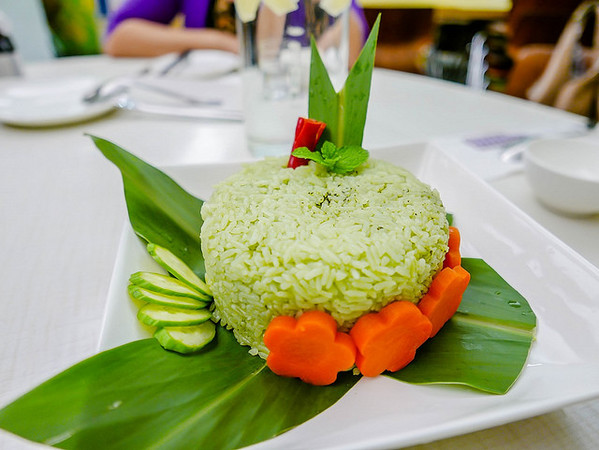
Both Malaysian and Thai dishes really call for rice to go with them, otherwise they can feel a bit too heavy and greasy. The yellow ginger rice (not pictured) and pandan rice here are both pretty good—whether in terms of flavor, aroma, or their lightly moist texture.
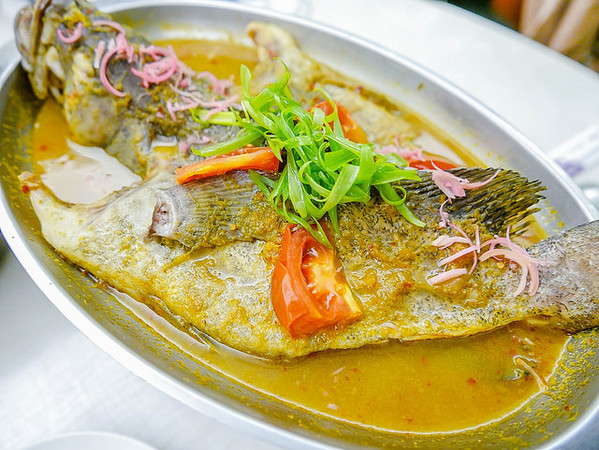
Steamed Fish with Assam Sauce. Assam sauce is made with assam leaves combined with eggs, chili, green onions, shallots, and other ingredients. It’s a common condiment in many Malaysian homes and restaurants, especially with seafood dishes—for example, Assam Laksa is a famous Malaysian dish. When used with fish, I found the broth had a slight spice and the freshness of fish stock, which I quite liked. Though today the fish felt a bit soft—I think the server said it was a grouper...
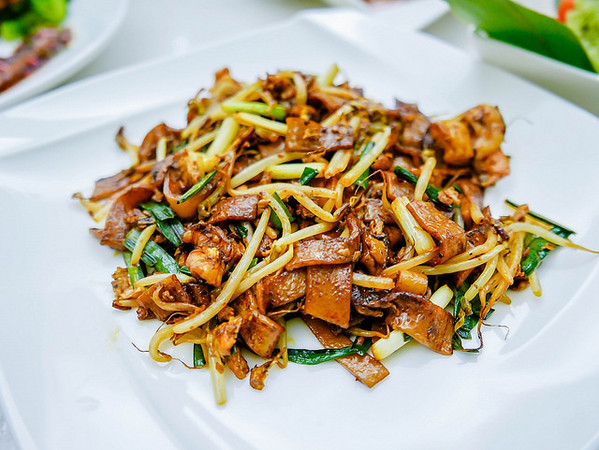
Stir-fried something-or-other—the portion of this dish we got was smaller than what we’re usually served, but the flavor was still quite good. The vegetables were fresh, and the overall taste was on the lighter side, yet still satisfying.
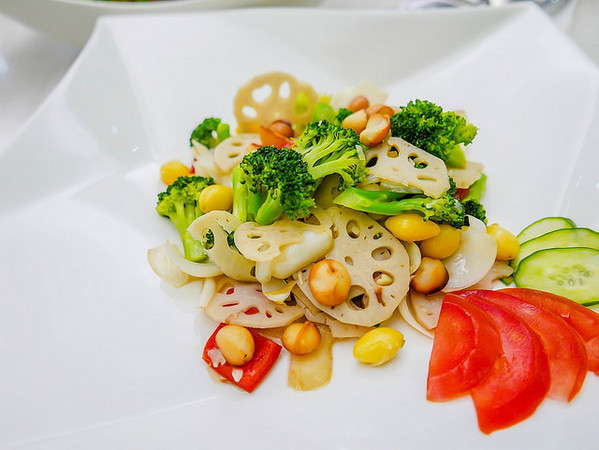
Mixed Vegetables. This dish is relatively lighter compared to the other meals, highlighting the natural freshness of the vegetables themselves.
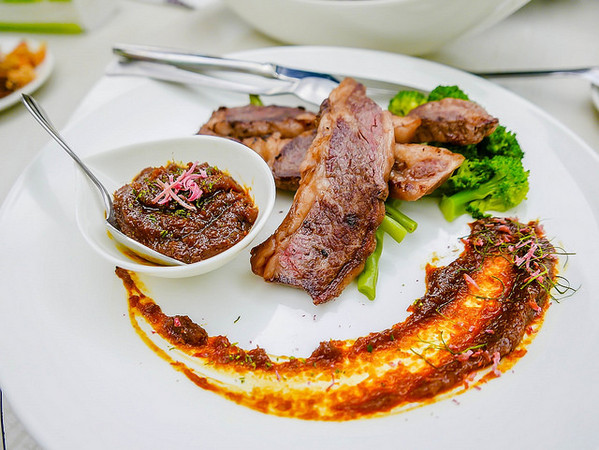
Assam Beef Steak. To be honest, I was a bit surprised when the beef steak was served—I’d never heard of such a dish in Malaysian cuisine. But the quality and marbling of the beef short ribs were good, and paired with the Assam sauce, it was actually quite flavorful and tasty. Especially the subtle ginger-like Southeast Asian flavors complemented the beef really well.
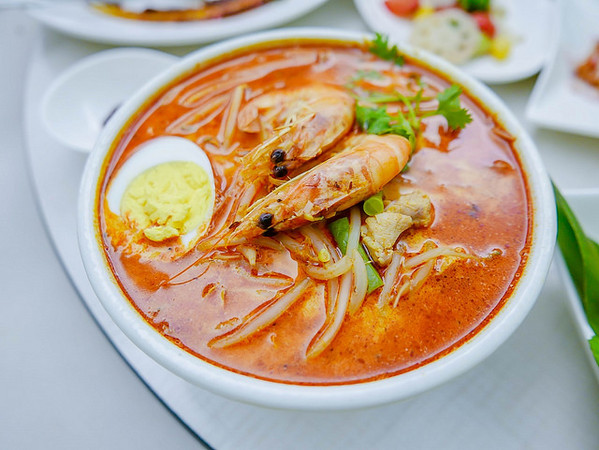
Curry Laksa, compared to the earlier Curry Seafood, had an even richer taste, especially with the particularly enticing thickness of the shrimp paste. Of course, the freshness of the seafood and the Southeast Asian-style curry aroma were also excellent. Super delicious !
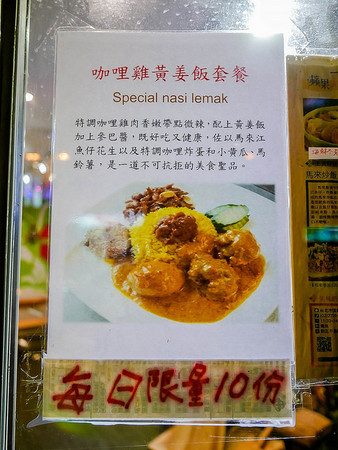
Next time, I’d like to try the limited-edition Curry Chicken with Turmeric Rice !
Malay Scenery Restaurant
Address: No. 30, Lane 15, Section 6, Xinyi Road, Xinyi District, Taipei City
Phone: (02) 2728-3822
Business Hours: 11:30 AM – 9:00 PM
"Little Tiger’s Dream-Eating Web
If “eating” is just about filling your stomach, then “food” would be far too boring~~~
Deliciousness non-stop from morning to night
Download the “ETtoday News Cloud APP” to quickly get the latest food news →
iOS:https://goo.gl/rmIDdx
Android:https://goo.gl/XPe8Uj
Share
This article is published by HowToTrip. Sharing and reposting are welcome — please credit the source.
Article URL: https://www.howtotrip.net/views-9437
Related Articles
- Shaoxing's "Grandpa Gourd" hangs the gourds back up: "If there are too many people, we'll interact less — just take a quick look from afar"
- Chinese authorities announce "reciprocal adjustment" to Japan visa fees — single-entry visa jumps from 2,250 to 16,750 yen!
- 旅客携带的“保健石”核辐射超标千倍,同机人员或遭殃!海关提醒!
- 深圳机场深夜通报!出现不明升空物,航班大面积延误!
- “拆盒洗了才说要钱!”高铁200克葡萄卖60元,12306回应!
- 买不了机票?出境被拒?登机被拦?一大波中国游客莫名成了“失信人”
- 不利天气和经济波动影响哥伦比亚咖啡市场
- 海边浴场回应冲脚淡水收费2元/30秒:明码标价!
- 舱门没关好就起飞?机翼出现问题?多个航班途中紧急折返!
- 感受大自然的馈赠!盘点世界十大唯美海岸线