Knead, wrap, and smell — experience a brand-new tea museum through your senses
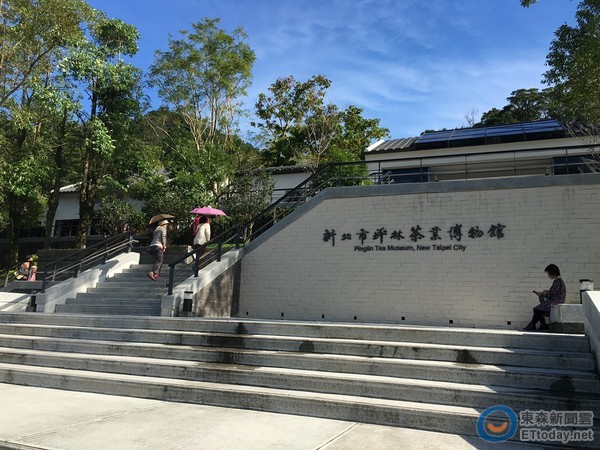
▲ Pinglin Tea Industry Museum (Photo / Reporter Yan Xintong)
ReporterYan Xintong/ Comprehensive Report
The Pinglin Tea Industry Museum reopened in early August. Located by the Beishi Stream in Pinglin District, it is a quadrangle-style building designed in the Southern Fujian Anxi architectural tradition. With a blend of old and new — including antique-style corridors, round doorways, and red brick roof tiles — the site exudes an old-world charm. The two-story tea museum features highlights such as the Experience Hall and the unique "Du Wo You Cha Tang" space. Visitors can also request a guided tour for a deeper experience.
Du Wo You Cha TangIt is a cultural shop, while another "Du Wo You Cha Tang" located elsewhere within the park functions as a tea shop. It displays and sells a variety of tea-related gifts and utensils, making it a great spot for collectors.
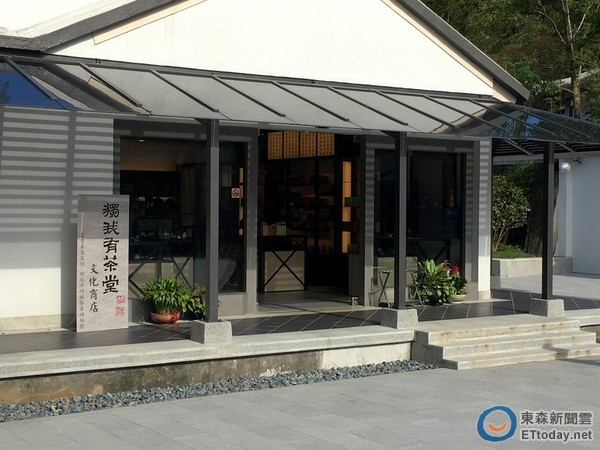
▲ Entrance to Du Wo You Cha Tang shop (Photo / Reporter Yan Xintong)
The shop displays many works of art. Given its wide coverage of tea culture, it also attracts domestic and international visitors. Among the visitors, it's common to see Japanese and Western tourists. The artworks on display are for sale, while some of the packages on the shelves contain tea.
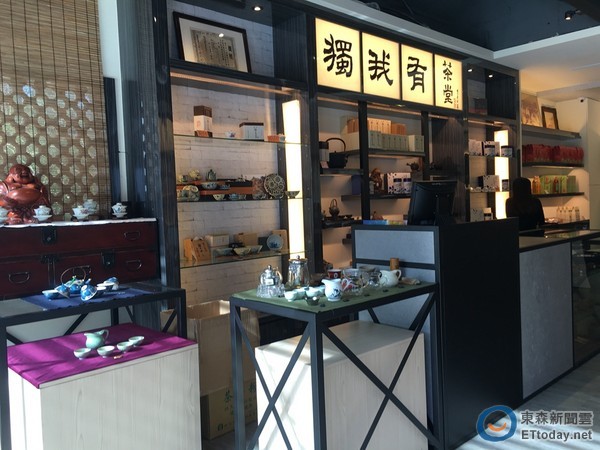
▲ Interior of Du Wo You Cha Tang (Photo / Reporter Yan Xintong)
Among the various spaces,the Sensory Tea Experienceis particularly surprising. Here, visitors can engage directly with tea — such as hand-wrapping tea leaves, smelling various types of tea, using interactive technology to learn about different teas, and even hearing local tea farmers explain the varieties and origins of their produce.
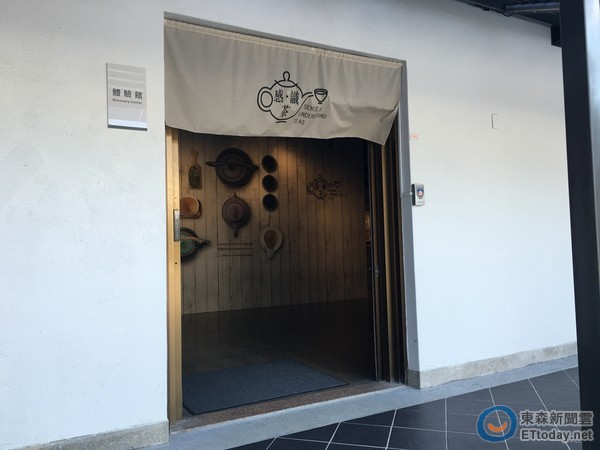
▲ Sensory Tea Experience (Photo / Reporter Yan Xintong)
Hand-wrapping tea leaves is a fun and unique activity. Traditionally, Baozhong tea was wrapped in rough paper using a specific process — folded into small square packets and stamped with a private seal indicating its origin. This long-standing tradition can now be experienced firsthand at the tea museum.
▲ Baozhong Tea Wrapping Experience (Video / Reporter Yan Xintong)
The table displays tea leaves from multiple regions. On certain days each week, local tea farmers are invited to provide guided insights. Tea knowledge is vast — from differences in tea leaf shapes between northern and southern Taiwan, to how locals use tea leaves and stems, and the resulting variations in taste.
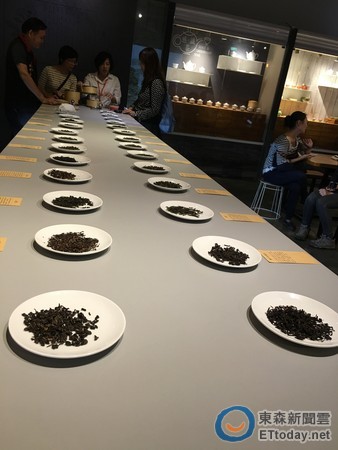
▲ Hands-on interaction and guided tours offer rich tea knowledge. (Photo / Reporter Yan Xintong)
Tea-producing regions are displayed on wall charts, with each region’s tea varieties clearly shown for easy understanding.
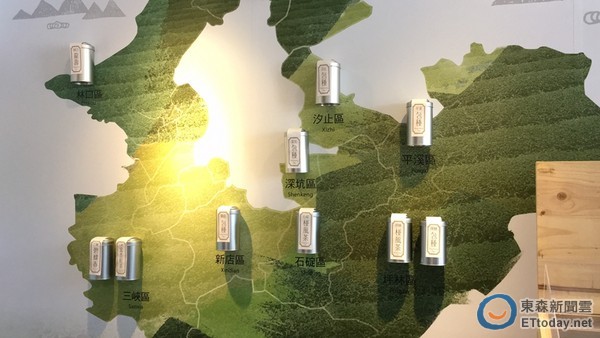
▲ Tea Producing Regions (Photo / Reporter Yan Xintong)
The museum also offers immersive experiences, such as tables set with utensils. By using a tablet to match cups, visitors can instantly learn what kind of tea they are seeing. Tea culture and history are explored through interactive games, providing education in an entertaining way — perfect for family visits.
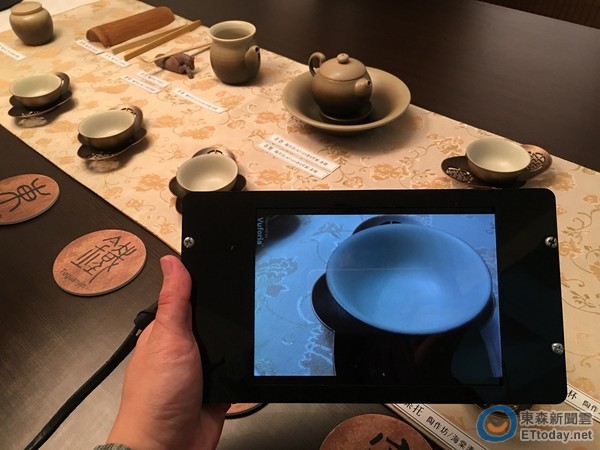
▲ Immersive Experience (Photo / Reporter Yan Xintong)
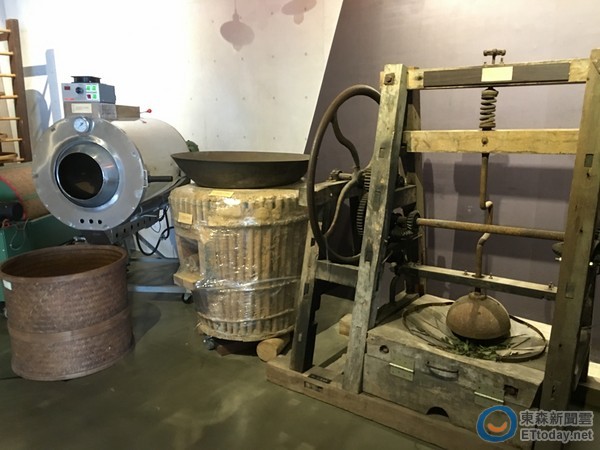
▲ The exhibition area displays authentic tea utensils, telling the long history of Taiwanese tea. (Photo / Reporter Yan Xintong)
When visiting the tea museum, make sure to explore both indoors and out. The green walking trail outside is another nature-filled attraction. Walk up through the circular archway, and you’ll find a must-visit spot — the Tea Traders’ Mazu Temple. Beside Mazu stands a Guanyin Bodhisattva statue, overlooking from above, both deities blessing believers. According to guides, Mazu was originally worshipped by tea merchants as a guardian of safety.
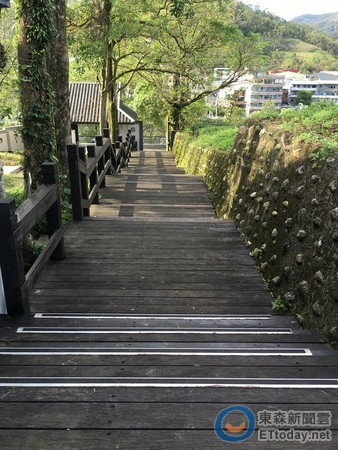
▲ A path outside leads to the sacred Tea Traders’ Mazu site (Photo / Reporter Yan Xintong)

▲ Guanyin Bodhisattva beside Mazu (Photo / Reporter Yan Xintong)

▲ The main statue of Tea Traders’ Mazu (Photo / Reporter Yan Xintong)
The newly renovated tea museum includes exhibition halls, experience zones, and tea art classrooms. The museum also hosts various tea-related exhibitions. A recent British Tea Special Exhibition added an international flair to traditional Taiwanese tea. Don’t forget to visit the on-site Du Wo You Cha Tang for a cup of tea after exploring the indoor and outdoor sights — the perfect way to conclude your cultural journey.
Pinglin Tea Industry Museum
Address: No. 19-1, Shuisongqikeng, Pinglin District, New Taipei City
Phone: 02 2665 6035
Feeling super bored at work or school? Want to go traveling?
Download the “ETtoday News Cloud APP” and take a virtual trip with us →
iOS:https://goo.gl/rmIDdx
Android:https://goo.gl/XPe8Uj
Share
This article is published by HowToTrip. Sharing and reposting are welcome — please credit the source.
Article URL: https://www.howtotrip.net/views-9363
Related Articles
- Shaoxing's "Grandpa Gourd" hangs the gourds back up: "If there are too many people, we'll interact less — just take a quick look from afar"
- Chinese authorities announce "reciprocal adjustment" to Japan visa fees — single-entry visa jumps from 2,250 to 16,750 yen!
- The "health stones" carried by a traveler were found to have radiation levels exceeding safety limits by a thousand times, potentially endangering fellow passengers on the same flight. Customs issues warning!
- Shenzhen Airport Issues Late-Night Notice: Unidentified Aerial Object Detected, Causing Widespread Flight Delays!
- “They only said it cost money after I opened the box and washed it!” 200g of grapes sold for 60 yuan on a high-speed train—12306 responds!
- Can't buy an airline ticket? Denied exit? Blocked from boarding? A large number of Chinese tourists have mysteriously become "discredited individuals"
- Adverse weather and economic fluctuations impact Colombia's coffee market
- Beach bathing area responds to 2 yuan/30 seconds fee for freshwater foot rinsing: Clearly priced!
- Taking off with an improperly closed cabin door? Wing malfunction? Multiple flights made emergency returns mid-journey!
- Experience the gifts of nature! A countdown of the world’s ten most stunning coastlines