Japan’s Century-Old Kashiwagawa Station: Travel Around Kagoshima on the “Kamome no Kaze Limited Express”
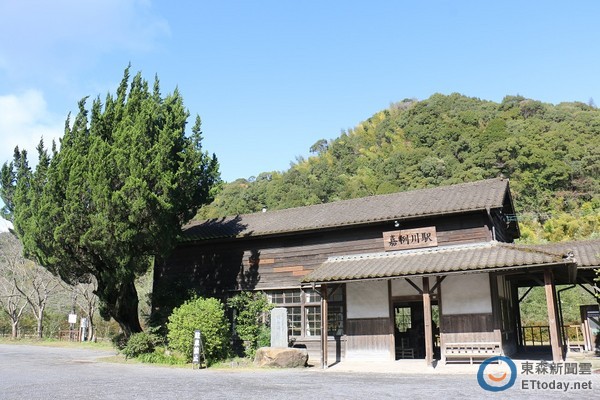
▲ The traditional Japanese wooden-style Kashiwagawa Station is the oldest in Kagoshima Prefecture—beautiful and full of charm. (Photo / Reporter Chao Yuting, same below)
Reporter Chao Yuting / Kagoshima Report
JR (East Japan Railway) Kashiwagawa Station, the oldest in Kagoshima Prefecture, was built during the Meiji era and has stood for over 100 years. Its most distinctive feature is that there is usually no station staff—passengers collect their tickets on the train and pay at the exit upon arrival. Additionally, Kagoshima has developed a sightseeing train.“Kamome no Kaze Limited Express”, which attracts many visitors every year, making this century-old station a source of pride for local residents.
The small station is entirely made of wood, filled with nostalgic vibes that seem to transport you straight back to Japan’s Meiji period. Since it’s an unmanned station, local residents have created a “hand-drawn map” to introduce nearby attractions, and the station also has a guestbook and commemorative stamps—perfect for capturing the “I was here” moment.

▲ The nostalgic atmosphere inside the station.
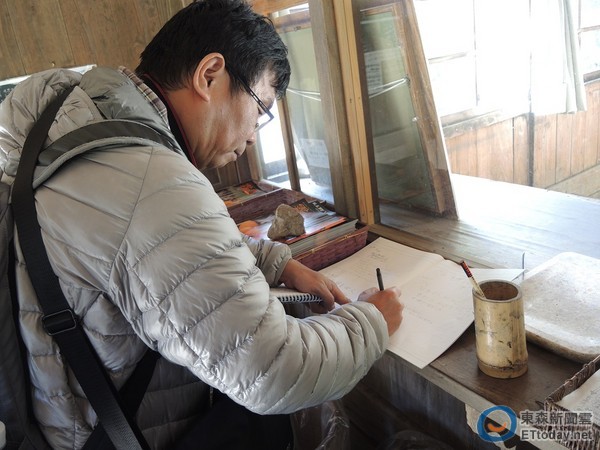
▲ It’s rare to visit a century-old Japanese station, so many tourists leave their mark in the guestbook.
In addition, the display area nearby features many photos to help visitors better understand Kagoshima’s characteristics. This small wooden house houses an artistic space dedicated to the station’s memories, documenting the monthly changes at Kashiwagawa Station.
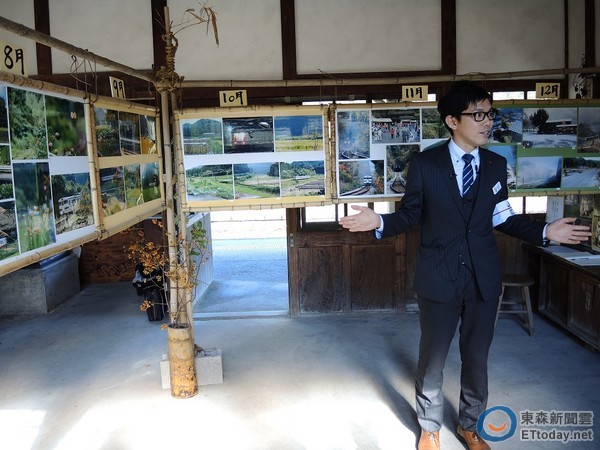
▲ The photos mainly showcase the scenery around Kashiwagawa Station each month.
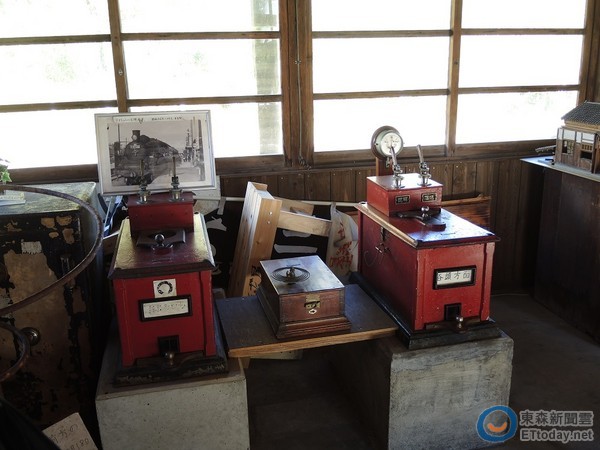
▲ There’s also a display of the stop-and-start system used by Showa-era SL trains.
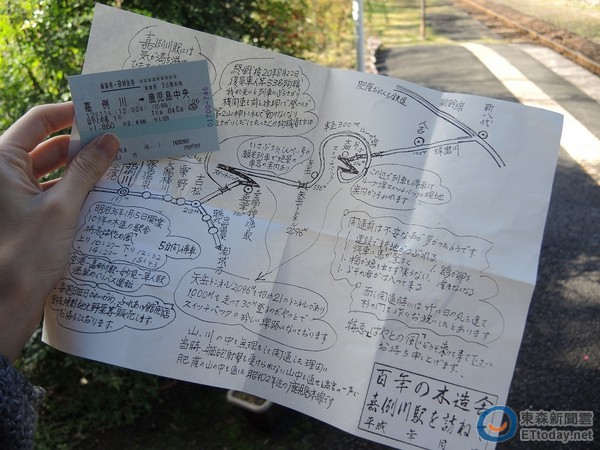
▲ A thoughtfully hand-drawn map by local residents, with a space in the bottom right corner for visitors to write their visit date.
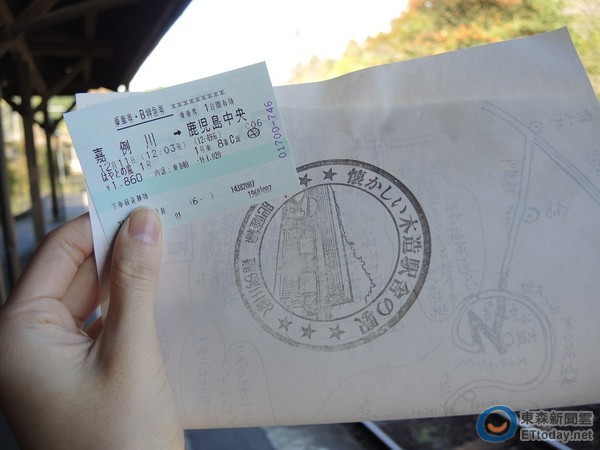
▲ The commemorative stamp of Kashiwagawa Station.
The “Kamome no Kaze” is a sightseeing train that runs from central Kagoshima to Kirishima. It stops for five minutes at each station, and the journey to the central station takes about 45 minutes. The train’s body is painted in an all-black Satsuma style, and the interior features wooden tables and chairs in warm, cozy tones. As a sightseeing train, it has large windows, allowing passengers to enjoy the scenery outside.
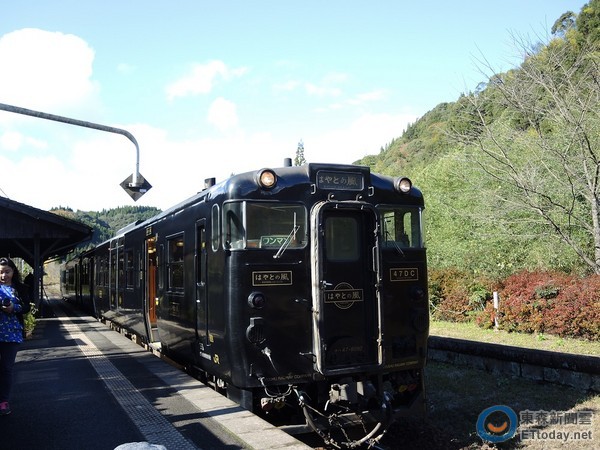
▲ The mysteriously stylish Kamome no Kaze.

▲ Characteristic wooden tables and chairs inside the train.
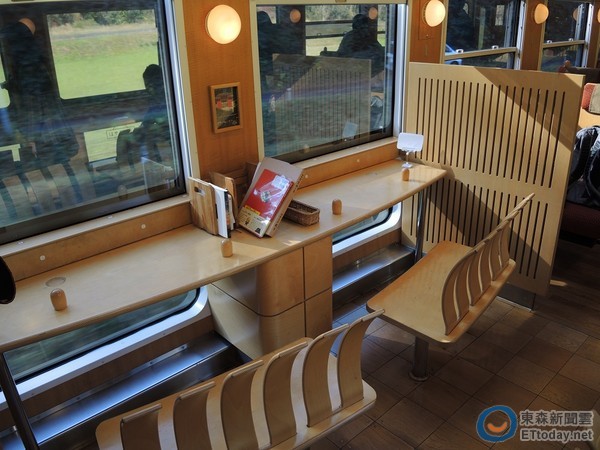
▲ The large windows and specially designed seats let passengers fully enjoy the views.

▲ You can also ask the conductor for a commemorative train pass.
Aside from the Kamome no Kaze sightseeing train, there are also regular trains used by locals, similar to our metro system, both of which can take you to the central station. The regular train fare is 840 yen (about NT$210), but if you choose to ride the Kamome no Kaze, as a limited express sightseeing train with reserved seating, an additional 1,020 yen is charged, making the total fare around 1,860 yen (about NT$465).
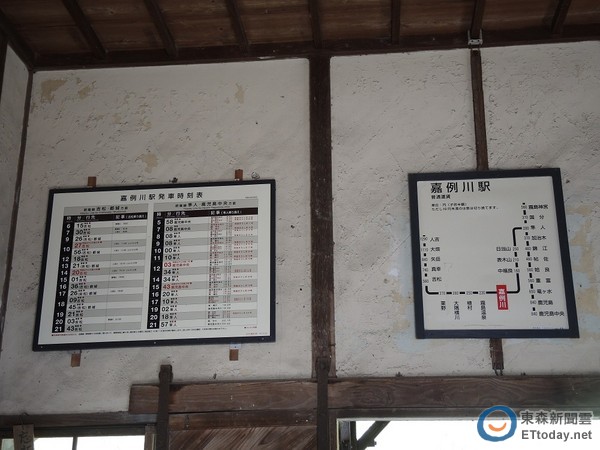
▲ The station displays a route map and departure times, with red text indicating the Kamome no Kaze and black text for regular trains.
Additionally, on weekends, vendors come to the station to sell bento boxes—the top-ranked “railway bento” in Kyushu, featuring famous local ingredients from Kagoshima, considered a local specialty. Currently, one bento costs 1,080 yen (about NT$270). Since these bentos are only sold at Kashiwagawa Station on weekends, but you can reserve in advance with JR, a staff member will hand you the bento when you board, allowing you to enjoy your meal while taking in the scenery.
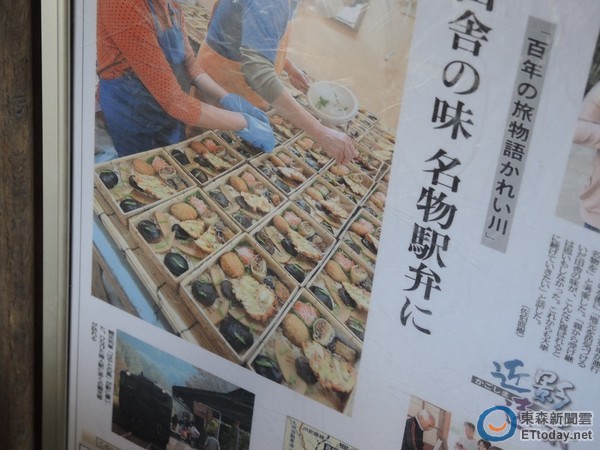
▲ The distinctive railway bento.

▲ Reserve in advance to enjoy the top-ranked railway bento even on non-weekend days.
Visiting this century-old station is a unique journey through history and holds significant symbolic meaning for locals. The preservation of its appearance and surroundings is their way of commemorating its legacy. Additionally, a small festival is held at Kashiwagawa Station every November to promote more interaction between Kagoshima and the outside world. Train enthusiasts and those who enjoy lively events should definitely seize the opportunity to visit this historic station.
Share
This article is published by HowToTrip. Sharing and reposting are welcome — please credit the source.
Article URL: https://www.howtotrip.net/views-9147
Related Articles
- Shaoxing's "Grandpa Gourd" hangs the gourds back up: "If there are too many people, we'll interact less — just take a quick look from afar"
- Chinese authorities announce "reciprocal adjustment" to Japan visa fees — single-entry visa jumps from 2,250 to 16,750 yen!
- 旅客携带的“保健石”核辐射超标千倍,同机人员或遭殃!海关提醒!
- 深圳机场深夜通报!出现不明升空物,航班大面积延误!
- “拆盒洗了才说要钱!”高铁200克葡萄卖60元,12306回应!
- 买不了机票?出境被拒?登机被拦?一大波中国游客莫名成了“失信人”
- 不利天气和经济波动影响哥伦比亚咖啡市场
- 海边浴场回应冲脚淡水收费2元/30秒:明码标价!
- 舱门没关好就起飞?机翼出现问题?多个航班途中紧急折返!
- 感受大自然的馈赠!盘点世界十大唯美海岸线