The 50-Year-Frozen Old Street of Ozuki: Grandmas Serving “Imperial Reception” Tea to Wayfarers
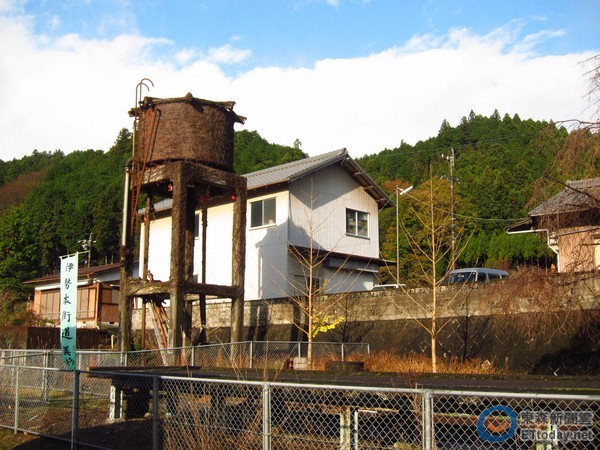
▲ The brown water tower standing at Ozuki-Yuku Station was used to supply water to steam trains during the Edo period.
Reported and photographed by Yan Yuncen / Kansai Mie
Ozuki. At first glance, these two characters might make you think of a port name, but in fact, it’s a small village hidden deep in the mountains of Mie Prefecture, in Japan’s Kansai region, and was once a major post station along the ancient Ise Road. In autumn, when you take the bus to Ozuki Station, winding through the mountain roads, you’ll see maple leaves blazing red and ginkgo trees glowing yellow. Roll down the window, and you can hear the rush of water—the Unade River flows like a thousand charging horses, cascading down, its meandering course once an important channel for timber transport during the Showa era, as well as a lifeline for the local economy.
Ise-Ozuki is the terminus of the Nagano Line train, one branch of Japan’s shrine pilgrimage railway. The railway was completed in 1935. Departing from Matsusaka, it takes just over an hour to reach Ozuki, with city and rural scenery along the way. However, six years ago, a typhoon damaged the Nagano Line, leaving three stations impassable. If you want to come here from the Misugi area of Mie Prefecture, you can only rely on bus connections, with the railway line expected to reopen in March next year.
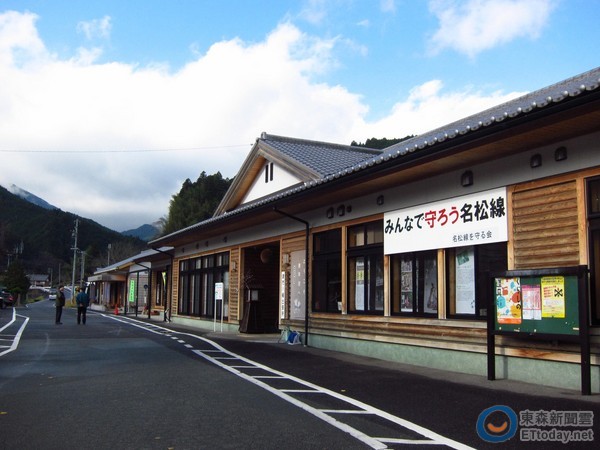
▲ The sparsely populated Ozuki Station on the Nagano Line.
Arriving at Ozuki Station, the first thing that catches your eye is the brown water tower set against the blue sky. Guide Mr. Katsura explains that this water tower was used to supply water to steam trains during the Edo period, and very few of its kind remain in Japan today. Walking forward, you’ll find a small white sign near the water tower with the three characters “Ozuki-Yuku.” Mr. Katsura explains that “yuku” refers to an ancient Japanese “post station,” with one located every 10 kilometers. Since ancient pilgrimages required crossing mountains and ridges, many people lost their lives to bandits, and the occasional "waist-cut Jizo" or "head-cut Jizo" statues seen along the road commemorate those who perished.
Walking forward from Ozuki Station, after rounding a fenced-off patch of withered yellow grass, you’ll see a long, narrow Japanese-style building. Mr. Katsura says that 50 years ago in Japan, land tax was calculated based on the width of the front gate, so many people built their houses further “back” to avoid taxes—resulting in today’s curious sight.
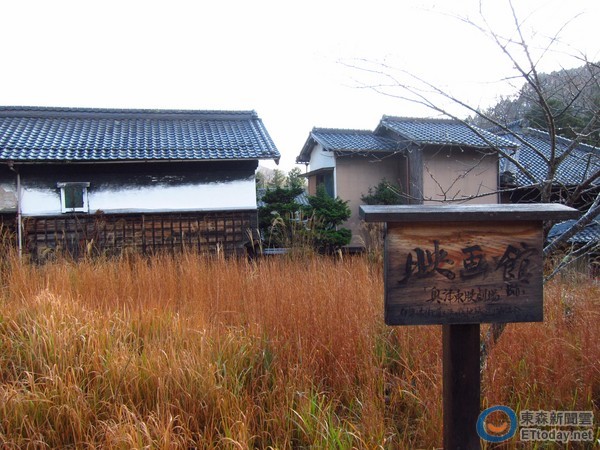
▲ The long, narrow building behind the old movie theater is now home to just one elderly woman.
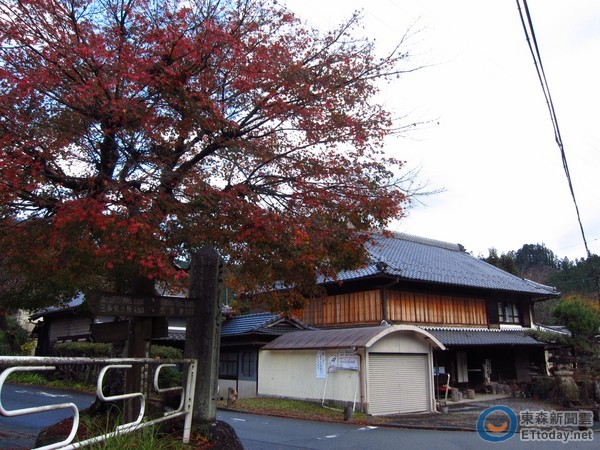
▲ Maple leaves blazing red along the road.
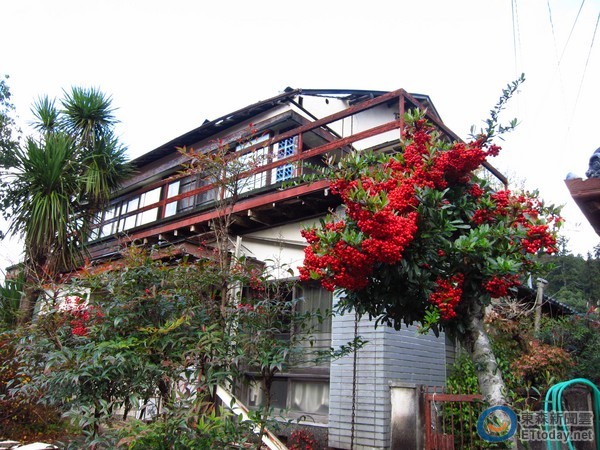
▲ Potted plants outside the house bear abundant fruit, but the main building has long been abandoned.
Ozuki is a village suffering from severe depopulation, but walking into the old street, you’ll see one grand Japanese-style building after another—it’s not hard to imagine its former prosperity. Mr. Katsura explains that Ozuki’s heyday was during the Edo period, about 150 years ago, when the daily peak number of travelers reached 2.2 million. In the 1950s and 60s, Ozuki enjoyed another glorious period—when the population was at its peak, there were two cinemas and a large post office here. But as big cities rose and young people left, only the elderly remained behind. The village eventually faded from its glory days, with the cinemas and post office shutting down, leaving nothing but endless overgrown weeds and a wooden sign recounting past prosperity.
Torii Sanae is one of the native residents of Ozuki Village. Now 80 years old, she has witnessed Ozuki’s rise and fall. Many years ago, she made a vow to become the village’s “Imperial Reception,” providing benches outside her house for wayfarers trekking to the shrine, and even offering them a warm cup of hojicha tea when it gets cold.
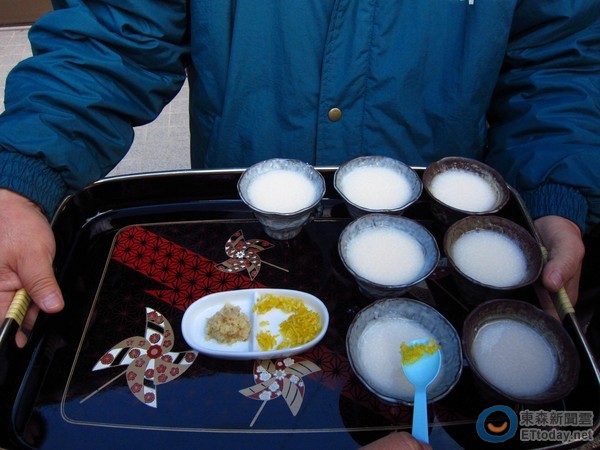
▲ Grandma Torii serves a warm cup of hojicha tea to shrine-bound wayfarers.
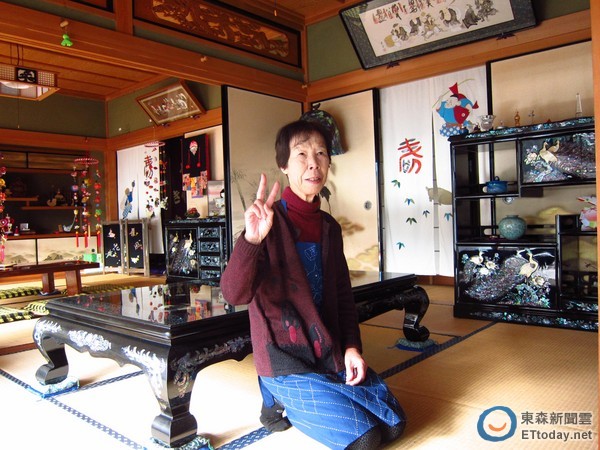
▲ Grandma Torii happily gives a peace sign (“YA”) while being photographed.
When reporters visited Grandma Torii’s home, they found it filled with all kinds of handmade dolls. She said this had been her hobby for over 20 years, and she makes or sews more new pieces every year to mark children’s festivals and Doll’s Festival.
Grandma Torii’s house is 150 years old and was renovated 27 years ago to serve as a place for the “Imperial Reception.” Stepping out of her home and walking along the street, you’ll see various other historic Japanese houses—Owari-ya was once a hotel, Yamanoi-ya produced miso, and Senbon-ya was a lacquerware family business. But many of these grand homes have long been abandoned, and walking the streets feels like stepping into the frozen time of Spirited Away—a place of splendor, yet desolation.
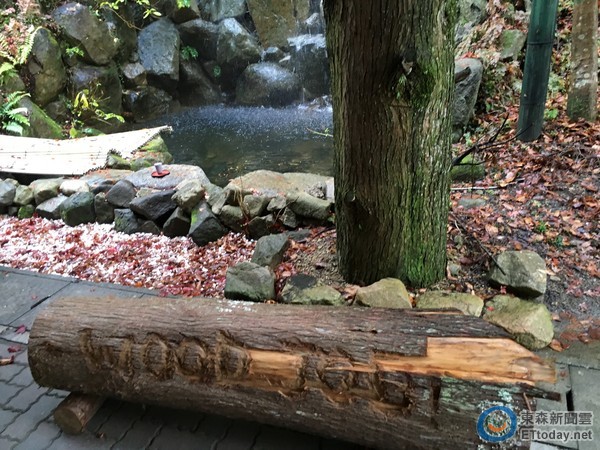
▲ Props used in a film shoot remain outside Hinokigawa Onsen Ryokan.
After exploring the old street, you can return to the station and take a bus to“Hinokigawa Onsen Ryokan”in Misono, Mie Prefecture, to soothe the fatigue of a long journey in the natural hot springs. It takes just over 20 minutes to get from Ozuki to Misono Town. If you’re lucky, you might even encounter a “deer” blocking the road. Misono is a key forestry town in Mie Prefecture. The movie “Kamikakushi no Mura” (The Village That Shouldn’t Exist), starring Hiroshi Tamaki and Masami Nagasawa, was filmed here. The truck parked at the entrance of Hinokigawa Onsen Ryokan is a prop from that film.
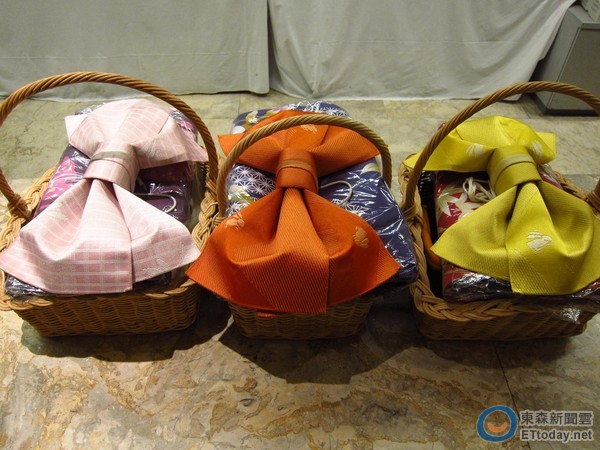
Upon entering the ryokan’s gate, you’ll see a large lantern bearing the Hinokigawa name. To the right leads to the rooms and elevator, while to the left you’ll find the check-in counter and souvenir shop. The ryokan also offers a yukata try-on service—just inform the front desk staff of your preferred yukata pattern, and someone will help you match the obi, and pack them together with geta and a bow in a bamboo basket for easy carrying. Guests can wear their yukata to enjoy buffet dinner in the restaurant, or head straight to the baths.
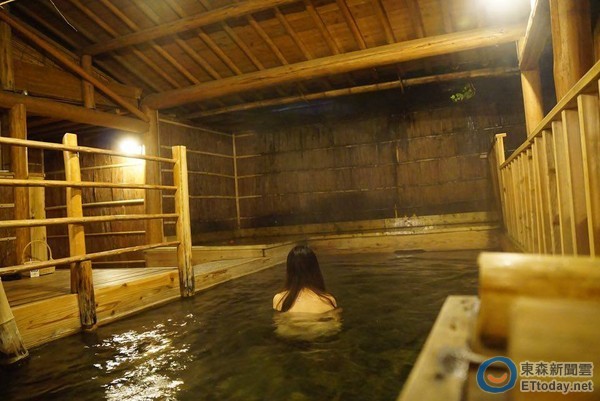
In addition to basic men’s and women’s baths and an outdoor bath, Hinokigawa also offers three independent semi-open-air baths for guests to choose from. President Nakagawa Yukihiro explains that the private baths require an additional fee, are limited to two people per session, cost 3,240 yen for 45 minutes, and if you’d like to book the bath for multiple people, you can discuss it with the front desk staff—the cost and duration vary.
▲ The open-air bath at Hinokigawa Onsen Ryokan. (Photo /
Airen Shi Yi
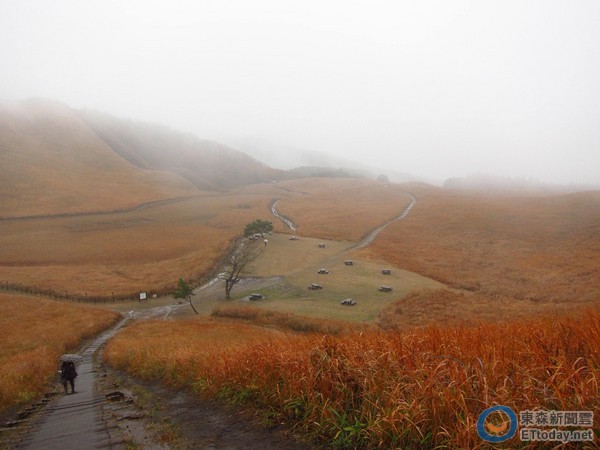
Since there are few factories in the Mount Sangou area, the level of pollution is low. On clear days, you can even enjoy a beautiful expanse of starry skies. The hotel also offers various eco-tour courses and shuttle bus services for stargazing. Visitors interested in this experience simply need to sign up with the staff. Additional fees apply, but stargazing costs just ¥324, making it very affordable. After spending a night at the hot spring inn, you can take a bus the next day to Soni Plateau to admire the autumn reeds covering the mountains, or hike along a one-and-a-half-hour trail to fully experience the rich autumn atmosphere and the breathtaking scenery of the plateau.
% The capsule hotel is very close to the station, and you can check in smoothly even late at night.
Kasayu Onsen Ryokan
Address: 599 Yachi, Misugi, Tsu, Mie Prefecture
Phone: +81 59-272-1155
Booking information: http://www.misugi.com/
How to get to Okitsu Old Town
1. Take the Kintetsu Nagamatsu Line from Matsusaka, about 15 stops or just over an hour.
2. Take a shuttle bus from Kasayu Onsen Ryokan in Misugi, about 20 minutes to arrive.
Share
This article is published by HowToTrip. Sharing and reposting are welcome — please credit the source.
Article URL: https://www.howtotrip.net/views-9122
Related Articles
- Shaoxing's "Grandpa Gourd" hangs the gourds back up: "If there are too many people, we'll interact less — just take a quick look from afar"
- Chinese authorities announce "reciprocal adjustment" to Japan visa fees — single-entry visa jumps from 2,250 to 16,750 yen!
- The "health stones" carried by a traveler were found to have radiation levels exceeding safety limits by a thousand times, potentially endangering fellow passengers on the same flight. Customs issues warning!
- Shenzhen Airport Issues Late-Night Notice: Unidentified Aerial Object Detected, Causing Widespread Flight Delays!
- “They only said it cost money after I opened the box and washed it!” 200g of grapes sold for 60 yuan on a high-speed train—12306 responds!
- Can't buy an airline ticket? Denied exit? Blocked from boarding? A large number of Chinese tourists have mysteriously become "discredited individuals"
- Adverse weather and economic fluctuations impact Colombia's coffee market
- Beach bathing area responds to 2 yuan/30 seconds fee for freshwater foot rinsing: Clearly priced!
- Taking off with an improperly closed cabin door? Wing malfunction? Multiple flights made emergency returns mid-journey!
- Experience the gifts of nature! A countdown of the world’s ten most stunning coastlines