A 90-year-abandoned old inn in Xizhou reinvented — youths transform it into an “agricultural bookstore”
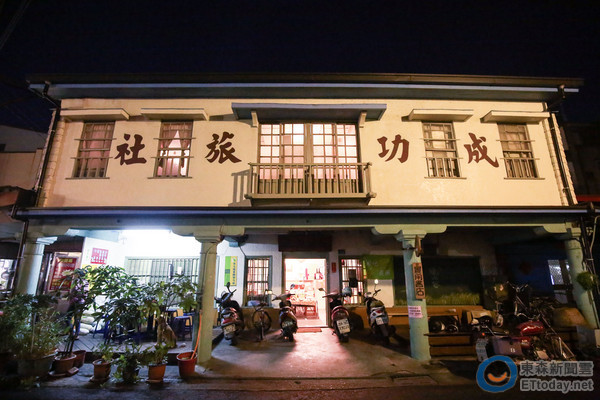
▲ The second floor of Success Inn still retains the look of a hotel from those days. (Photo by reporter Yu Ru)
Reported by reporter Yu Ru / Changhua
A 90-year-old inn transformed into Taiwan’s first agricultural bookstore. Xizhou in Changhua was once bustling with people due to the establishment of the sugar refinery headquarters. The very first building on Xizhou Street — “Success Inn” — survived the test of time and has now been preserved. Two years ago, a group of young people turned it into a bookstore specializing in agricultural books and locally grown rice from Xizhou.This transformation of an abandoned inn records the history of an old building, the land, and the voice of Taiwan’s younger generation.
▲ %Jia?Xu in the rice fields of Xizhou, it is now an agricultural bookstore. (#Image | Reporter Yu Fu, annotation / span)
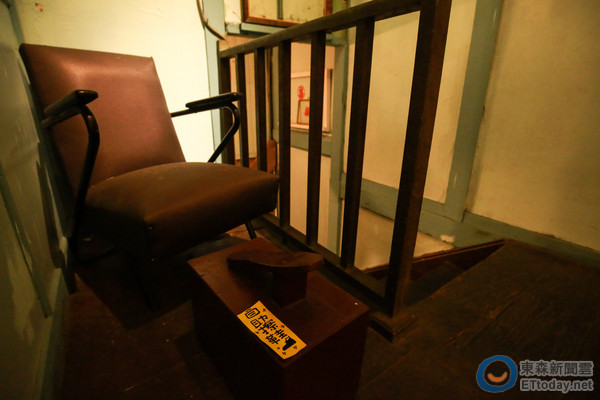
Success Inn, which has a 90-year history, was originally built during the Taisho era. It started as a single-story hospital, which was bombed during World War II, leaving only four pillars standing. Later, a construction company took over and built a two-story inn around those four pillars. Wu Wanping described the Xizhou of the past: “It was lively — there were two bars, two theaters, and seven inns.” Stepping into the second floor of Success Inn, you’ll find all the old partitions preserved from that time, including tatami mats and spring beds. It’s like traveling back in time to a simple yet bustling farming village era.
With the passage of time, Success Inn closed down and was eventually forgotten. The 2011 “Anti-Central Taiwan Science Park Water Diversion” water protection movement was a revolution in Xizhou. The rural movement drew young people’s attention to Xizhou. Five youths formed the “I Love Xizhou” team — Wu Wanping, Zheng Yayun, Chen Cihui, plus Ah Ming and Ah Cheng — and began focusing their attention on this land nourished by the clear waters of the Zhuoshui River, rich in mineral nutrients. Wu Wanping recalled their initial idea:“The movement is the process. It’s about valuing the land, rural life, and water.”
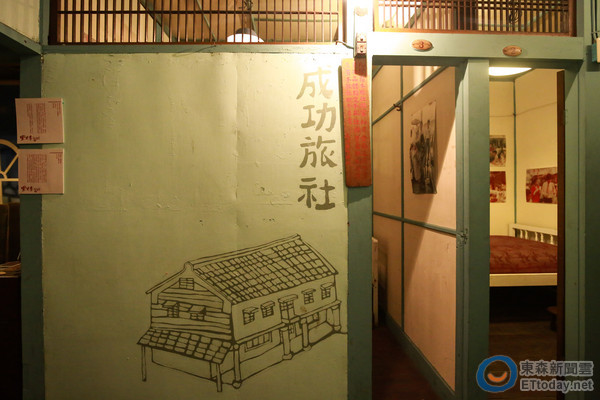
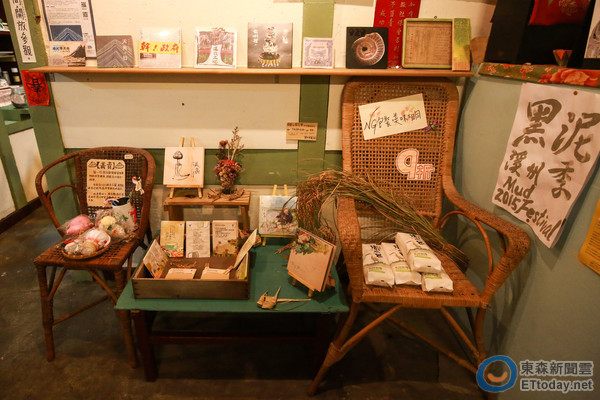
▲ %Level? KeA behind the space, the wooden furniture is all preserved, because the floor structure cannot truly accommodate diners.
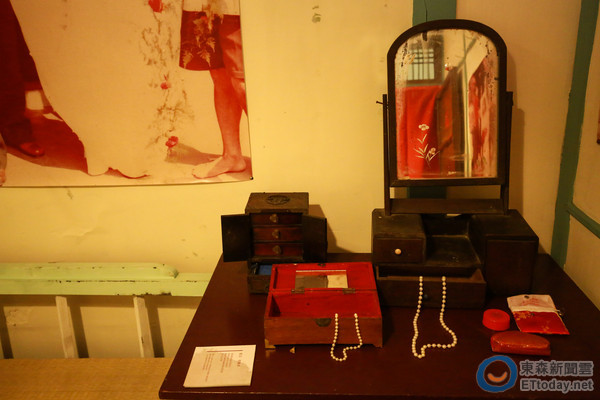
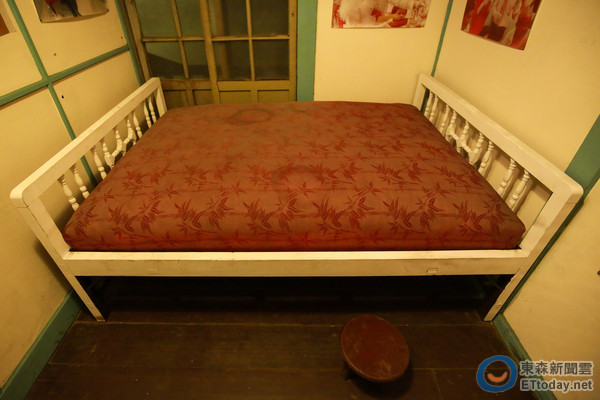
▲ %Of these two, both have historical imprints.
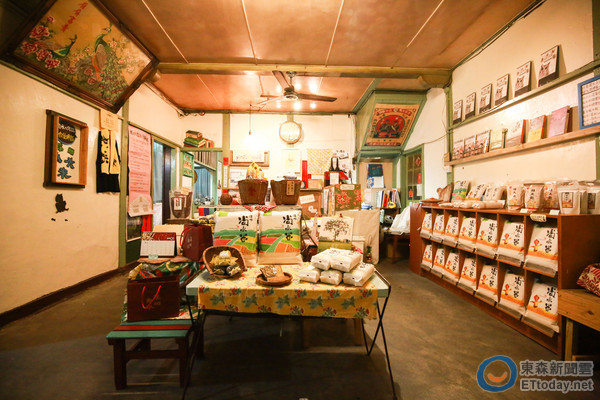
Wu Yineng, the daughter of Taiwanese poet Wu Sheng, is one of the key figures of the team. One day five years ago, she walked past the long-abandoned “Success Inn” in Xizhou Township. “I didn’t know what I wanted to do at first, but I felt the team lacked a proper space or base, so we rented the house.” With the new base, the original team established Xizhou Shangshui Agricultural Products Co., Ltd. “We started thinking, after the movement, what else could we continue?”
Caring about farmland, water sources, and rural development, the team partnered with 15 local farmers to contract rice purchases. Their shared conditions were: water from the Zhuoshui River, rice from Xizhou, no use of weeders or chemical fertilizers, and regular soil and rice quality testing for every harvest.The rice, known for its Q texture and rich nutrients, was packaged and began selling inside Success Inn.
How much change can just focusing on rice bring? Xizhou Shangshui Agricultural Products Co., Ltd. also handles locally sourced ingredients for kindergartens in Xizhou Township.By changing the supply structure, they provide healthier meals for children, support farmers’ incomes, and protect the environment.
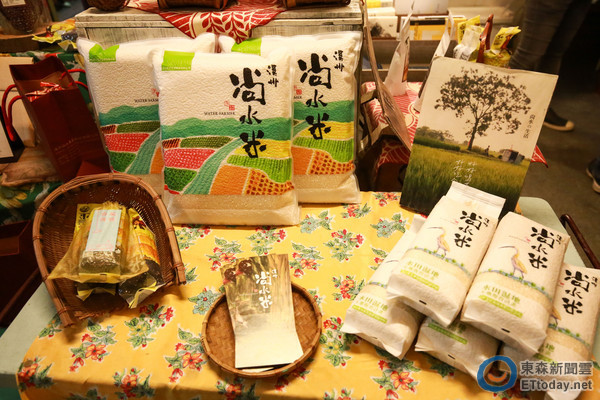
▲ %Joining farmers in the fields, plowing the land, all processes are done manually.
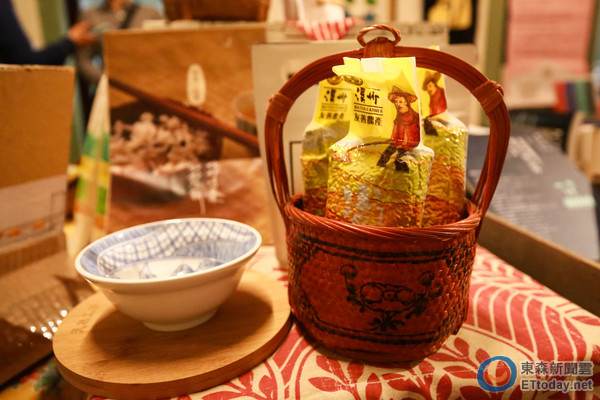
“Rice is an important medium, and Success Inn is an important 3D space,” said Wu Wanping. In Zhenliao Village, not far from Xizhou, teacher Wu Sheng planted 3,000 native Taiwanese tree species, creating an important ecological base for the team. Centered around the tree farm, the completely eco-friendly paddy fields and wetlands encourage surrounding farmers to keep growing rice, making friendly farming a key project for the team.
A micro-revolution centered around rice, radiating from Xizhou. “Many people laugh at us, saying we’re foolish and won’t make it,” said Wu Wanping. At this stage, selling rice only barely sustains them, with main income coming from applying for various project grants. “We hope our team’s existence can be a stimulus for rural communities.”They hope more young people will get involved in rural areas. “Returning home doesn’t necessarily mean working in agriculture or animal husbandry — revitalizing the countryside in different ways counts too.” They believe there are no difficult tasks, only issues waiting to be solved. The history of Success Inn continues to unfold.
Address: No. 50, Fuxing Road, Xizhou Township, Changhua County
Phone: (04)889-1262
Business hours: Tuesday to Sunday, 9:00–18:00 (closed 12:00–13:30)
Share
This article is published by HowToTrip. Sharing and reposting are welcome — please credit the source.
Article URL: https://www.howtotrip.net/views-8947
Related Articles
- Shaoxing's "Grandpa Gourd" hangs the gourds back up: "If there are too many people, we'll interact less — just take a quick look from afar"
- Chinese authorities announce "reciprocal adjustment" to Japan visa fees — single-entry visa jumps from 2,250 to 16,750 yen!
- The "health stones" carried by a traveler were found to have radiation levels exceeding safety limits by a thousand times, potentially endangering fellow passengers on the same flight. Customs issues warning!
- Shenzhen Airport Issues Late-Night Notice: Unidentified Aerial Object Detected, Causing Widespread Flight Delays!
- “They only said it cost money after I opened the box and washed it!” 200g of grapes sold for 60 yuan on a high-speed train—12306 responds!
- Can't buy an airline ticket? Denied exit? Blocked from boarding? A large number of Chinese tourists have mysteriously become "discredited individuals"
- Adverse weather and economic fluctuations impact Colombia's coffee market
- Beach bathing area responds to 2 yuan/30 seconds fee for freshwater foot rinsing: Clearly priced!
- Taking off with an improperly closed cabin door? Wing malfunction? Multiple flights made emergency returns mid-journey!
- Experience the gifts of nature! A countdown of the world’s ten most stunning coastlines