Maltose: A Unique Korean Experience – Enjoy the Fun of Tugging with Local Aunties
Text & Photos / Wu Binghuan
What comes to mind when you think of traveling in Korea? Aside from major cities like Seoul and Busan, there are plenty of other options for exploring Korea—such as visiting a historic ancient town, relaxing in the serene and unpolluted countryside, or immersing yourself in rural Korean charm and experiencing the warmth and straightforwardness of local aunties. In fact, in“Kaesil Village”in North Gyeongsang Province, South Korea, you can enjoy all three of these experiences at once.
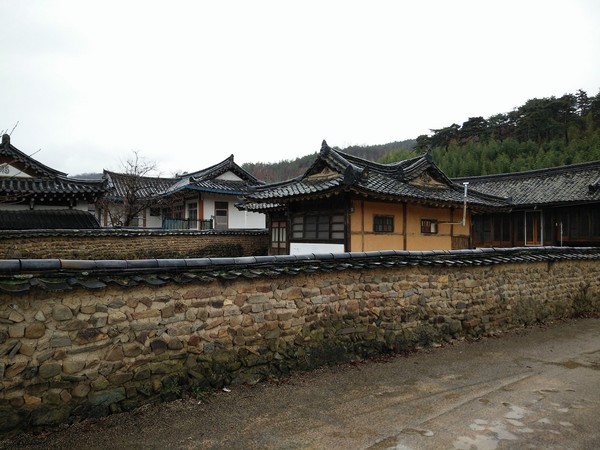
▲ Located in Goryeong, North Gyeongsang Province, “Kaesil Village” was originally called “Hwahwa Sil,” meaning “valley of blooming flowers.” It later became known as “Kaesil Village” and lies opposite the butterfly-shaped Butterfly Peak.
Upon arriving in the village, visitors are greeted by a collection of traditional Korean hanok houses surrounded by earthen-yellow stone walls. The entire scene feels like a step back in time to the Joseon Dynasty. Walking along the stone walls, you’ll come across the ancestral home of the Confucian scholar Kim Jong-jik (the Jambijae Historic House), who lived over 350 years ago. From the outside in, the property includes the main gate, the sarangchae (men’s quarters), the inner quarters, and an ancestral shrine—displaying a remarkably intact layout of a traditional yangban (noble class) estate.
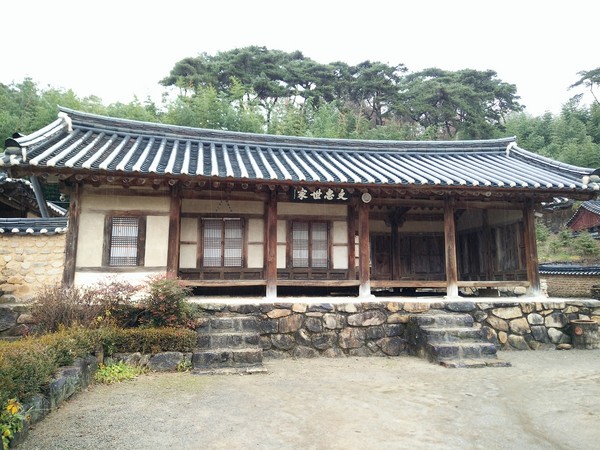
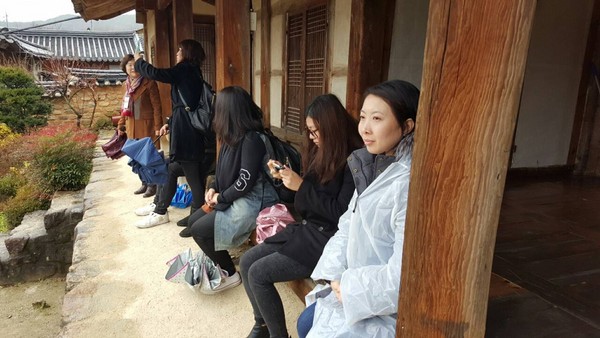
▲ The ancestral home of Kim Jong-jik features a sign reading “Moonchung SaJae” (“Scholarly and Loyal Family”) hanging in the sarangchae. Legend has it that sitting on the sarang and gazing toward Butterfly Peak while breathing in the scholarly aura of the old house brings blessings and luck.
Upon closer inspection, you’ll notice the paper-covered windows and doors of the hanok—but don’t underestimate this white paper. It represents Korea’s cherished hanji (traditional paper) culture. Though seemingly ordinary, hanji is tightly woven, durable, and resistant, capable of blocking wind and retaining heat while offering excellent translucency. It has since been widely used for stationery, wrapping paper, and paper crafts.
To preserve hanji culture, Kaesil Village has specially designed hanji craft experiences. Though primarily attended by Korean children, adults are also welcome to tap into their childhood creativity by crafting their own pair of hanji shoes. All it takes is tearing hanji into various colored pieces, then pasting them together using a natural glue made from glutinous rice paste.
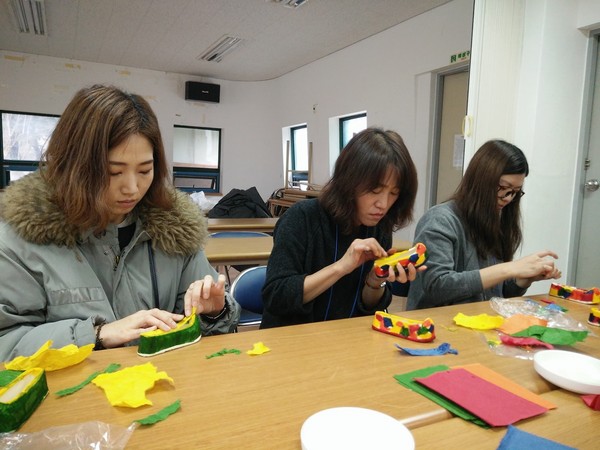
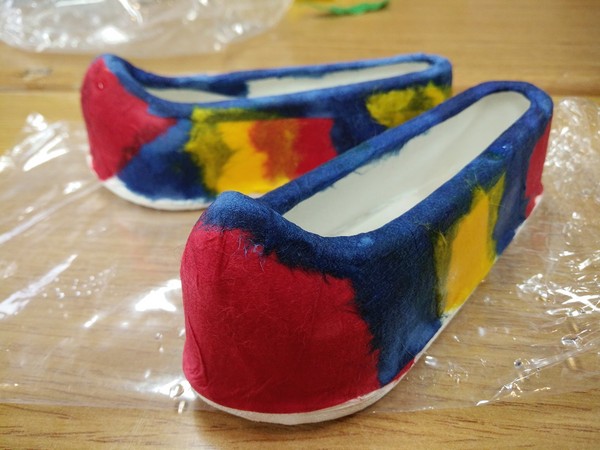
▲ Though the hanji experience seems tailored for kids, adults quickly become immersed once they start crafting their own shoes.
The village representative mentioned that they don’t provide sample shoe designs because they found that people tend to create similar works under influence. Ever since samples were no longer offered, participants have produced more diverse and beautiful creations. Interestingly, those who simply start making without overthinking often produce the most unique artworks. They’ve also found that too many design options can overwhelm participants, causing hesitation and indecision.
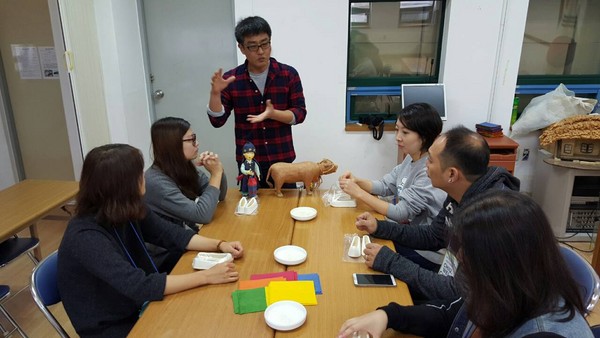
▲ Encouraging people to unleash their imagination through freeform creation may seem simple, but it holds deep meaning.
Beyond its quaint beauty and rich history, Kaesil Village offers hands-on experiences such as making maltose, glutinous rice taffy, and rice cakes. With the help of friendly local aunties, visitors get to experience an authentic taste of old Korean village life.
Among these experiences, the most memorable is making handmade maltose with local Korean aunties. Though maltose-making might look simple, it actually resembles kneading dough—it requires repeated techniques of pulling, retracting, and pulling again. Add to that the extremely sticky nature of maltose, and first-timers often struggle to get the hang of it. To keep the maltose from hardening in the cold weather, the local aunties often urgently guide participants’ hands in motion. This uniquely intimate contact and the urgency of the Korean aunties is probably something you won’t find in typical Korean travel experiences.

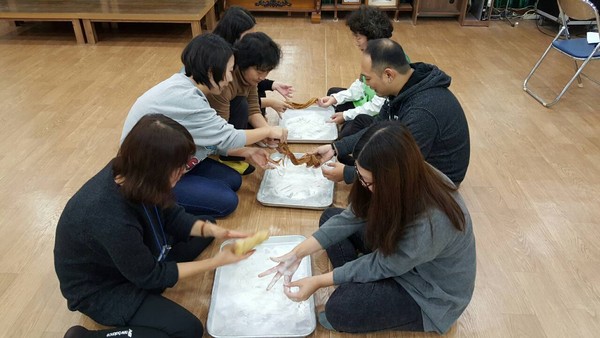
▲ The maltose-making process is complex and requires at least three days of preparation: cooked rice made from sticky rice is mixed with malt powder and fermented for a day, then boiled for 8–9 hours to produce a dark brown syrup. Then, working in pairs, participants repeatedly pull the syrup while coating their hands in natural soybean flour.
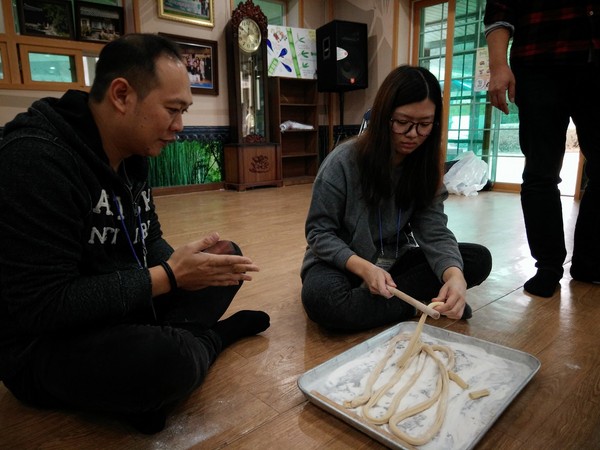
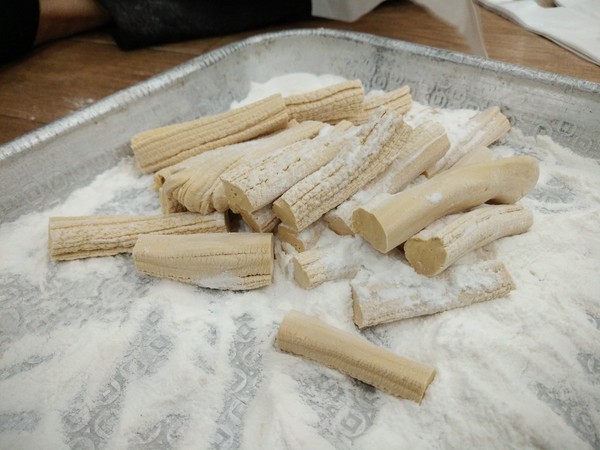
▲ Through teamwork and repeated pulling, retracting, and pulling again, the dark brown malt syrup gradually turns white and stretches into a long strip. After cooling it outdoors for ten minutes, it’s lightly tapped with a wooden stick—easily transforming into the soft, bite-sized strips of maltose we know and love.
Share
This article is published by HowToTrip. Sharing and reposting are welcome — please credit the source.
Article URL: https://www.howtotrip.net/views-8937
Related Articles
- Shaoxing's "Grandpa Gourd" hangs the gourds back up: "If there are too many people, we'll interact less — just take a quick look from afar"
- Chinese authorities announce "reciprocal adjustment" to Japan visa fees — single-entry visa jumps from 2,250 to 16,750 yen!
- The "health stones" carried by a traveler were found to have radiation levels exceeding safety limits by a thousand times, potentially endangering fellow passengers on the same flight. Customs issues warning!
- Shenzhen Airport Issues Late-Night Notice: Unidentified Aerial Object Detected, Causing Widespread Flight Delays!
- “They only said it cost money after I opened the box and washed it!” 200g of grapes sold for 60 yuan on a high-speed train—12306 responds!
- Can't buy an airline ticket? Denied exit? Blocked from boarding? A large number of Chinese tourists have mysteriously become "discredited individuals"
- Adverse weather and economic fluctuations impact Colombia's coffee market
- Beach bathing area responds to 2 yuan/30 seconds fee for freshwater foot rinsing: Clearly priced!
- Taking off with an improperly closed cabin door? Wing malfunction? Multiple flights made emergency returns mid-journey!
- Experience the gifts of nature! A countdown of the world’s ten most stunning coastlines