Hokkaido's 3 Major Ramen Styles: Sapporo Miso, Asahikawa Soy Sauce, Hakodate Salt
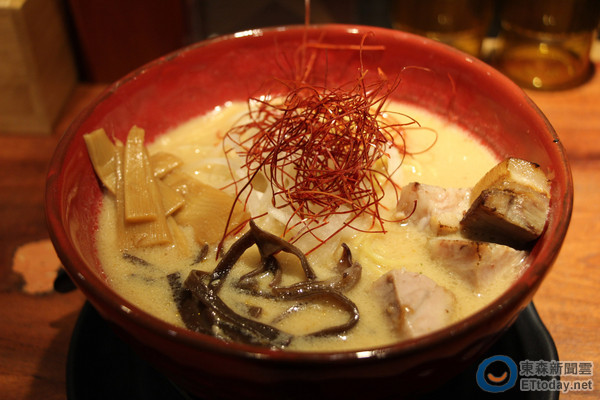
▲ Miso Ramen. (Photo / Huang Shiyuan)
Text / Urban Life Research Project, excerpted from *Don’t Be Silly, This Is the Real Hokkaido*, published by Farhill Culture
Translator / Hsu Yu-wen
Unwritten Rule 19 [Can Explain the Differences Between Hokkaido’s Three Major Ramen Styles]
When it comes to Hokkaido cuisine, most people probably think of ramen. However, Hokkaido is vast and diverse, with each region offering its own unique ramen style. Here’s an introduction to the differences between these local ramens.
First up is Sapporo ramen. For those not from Hokkaido, the most iconic style is probably “Sapporo miso ramen.” This ramen originated from “Aji no Sanpei,” a street-side stall that later opened a shop in downtown Sapporo. It’s said that the former owner developed this ramen experimentally to meet the request of single relocated customers who wanted “noodles in a pork miso soup.” After this miso ramen was introduced across Japan, the association of “Sapporo = miso” became deeply rooted in people’s minds.
However, the true origin of Sapporo ramen is believed to be the soy sauce ramen from “Chikara Shokudo,” a Chinese restaurant in front of Hokkaido University. Today, a strong presence is formed by ramen shops like “Junren-kei,” run by chefs who honed their skills at Sapporo’s renowned shops “?” and “Junren.” They use medium-thick, yellowish curly noodles with a firm chew, and the broth is typically a rich miso-based (though soy sauce or salt flavors are also available) stock made from chicken back ribs and pork bones.
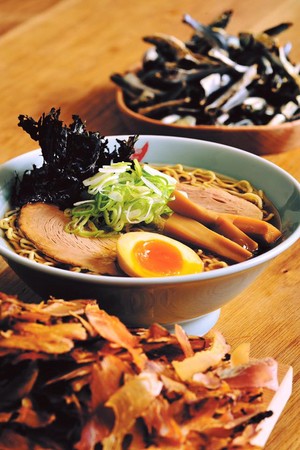
▲ Soy Sauce Ramen. (Photo / Screenshot fromMei Guang Xuan Ramen TaiwanFacebook page)
Heading from Sapporo to Asahikawa, soy sauce ramen takes center stage. The defining feature is its thick, double-layered broth made with pork and chicken rib stocks, enhanced with seafood dashi. While classic soy sauce flavor is standard, some shops also offer miso or salt variations, with slight differences depending on the establishment. Another characteristic is the layer of pork fat (oil) floated on top of the soup to prevent it from cooling—this is a survival trick unique to the frigid climate of Asahikawa.
Traveling south from Sapporo to Hakodate, the mainstream is light and refreshing salt ramen. When it comes to ramen, the classic Hakodate style features a clear salt broth paired with softer, thinner noodles.
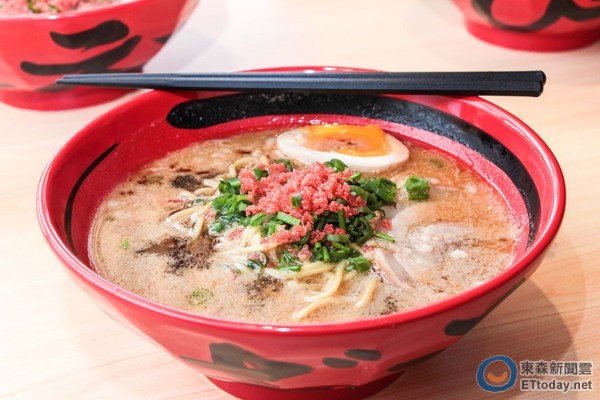
▲ Salt Ramen. (Photo / Huang Shiyuan)
Sapporo’s miso, Asahikawa’s soy sauce, and Hakodate’s salt are what are commonly referred to as Hokkaido’s three major ramen styles.
However, recently earning attention as a potential fourth major style is Kushiro ramen—a soy sauce-based ramen with a bonito-flavored broth. In addition, Muroran’s curry ramen has also gained popularity as an affordable yet beloved dish. Another Sapporo specialty ramen worth mentioning is ramen salad (or “rarasalad”).
Developed as a summer signature dish by “Hokkaido Dining Big Jug” at Sapporo Grand Hotel, it’s likened to a cousin of Chinese cold noodles—but if anything, it’s closer to a salad. Many izakayas also serve it as one of their salad options.
In Hokkaido, where ramen of all unique styles thrive, there are even hybrid ramen blends combining Sapporo and Asahikawa styles. To put it more extremely, Hokkaido locals aren’t fixated on local ramen alone—well-known ramen shops from Kyushu, for instance, can also draw long lines. Perhaps it’s the confidence of a food-loving nation, or a legacy of immigration, or simply a penchant for trying new things. No matter if it’s an imported dish—as long as it’s delicious, that’s all that matters. That’s the true Hokkaido spirit.
Deliciousness All Day Long
Download the “ETtoday News Cloud APP” for the latest food updates →
iOS:https://goo.gl/rmIDdx
Android:https://goo.gl/XPe8Uj
Share
This article is published by HowToTrip. Sharing and reposting are welcome — please credit the source.
Article URL: https://www.howtotrip.net/views-8902
Related Articles
- Shaoxing's "Grandpa Gourd" hangs the gourds back up: "If there are too many people, we'll interact less — just take a quick look from afar"
- Chinese authorities announce "reciprocal adjustment" to Japan visa fees — single-entry visa jumps from 2,250 to 16,750 yen!
- The "health stones" carried by a traveler were found to have radiation levels exceeding safety limits by a thousand times, potentially endangering fellow passengers on the same flight. Customs issues warning!
- Shenzhen Airport Issues Late-Night Notice: Unidentified Aerial Object Detected, Causing Widespread Flight Delays!
- “They only said it cost money after I opened the box and washed it!” 200g of grapes sold for 60 yuan on a high-speed train—12306 responds!
- Can't buy an airline ticket? Denied exit? Blocked from boarding? A large number of Chinese tourists have mysteriously become "discredited individuals"
- Adverse weather and economic fluctuations impact Colombia's coffee market
- Beach bathing area responds to 2 yuan/30 seconds fee for freshwater foot rinsing: Clearly priced!
- Taking off with an improperly closed cabin door? Wing malfunction? Multiple flights made emergency returns mid-journey!
- Experience the gifts of nature! A countdown of the world’s ten most stunning coastlines