The words appear only when the blank paper is placed in water – Experience the mystical water divination at “Kifune Shrine”
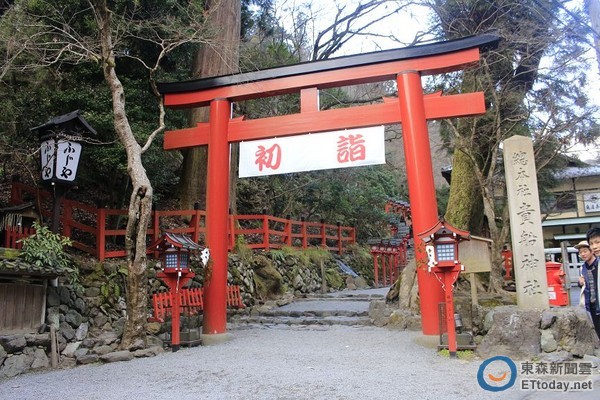
▲ Kifune Shrine in Kyoto is a renowned destination for viewing autumn leaves and praying for love.
Reported and photographed by Cai Wenjun / Kyoto
With a history of over 1,600 years, Kyoto’sKifune Shrineis not only a famous spot for autumn foliage but also a significant site for ema and a former water source of the city. Itsunique “water divination,” where fortunes are revealed only after placing a blank slip of paper into water – a method rarely seen even in Japan – is an experience not to be missed when visiting this shrine.
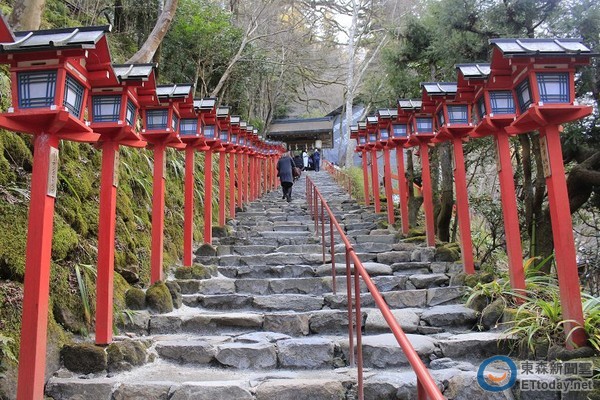
▲ A row of red lanterns is one of the iconic sights of Kifune Shrine.
Kifune Shrine was historically the water source for Kyoto (now replaced by Lake Biwa), so the shrine mainly enshrines a water deity. It is also a well-known spot in Kyoto for those praying for love. Due to its association with water, even the method of fortune-telling after praying is quite special. Visitors can pay 200 yen to receive a blank slip of paper, which they then place on the surface of the water in the nearby Suijin-chaya garden. In less than 10 seconds, the fortune will appear – making the small garden area always crowded with people.
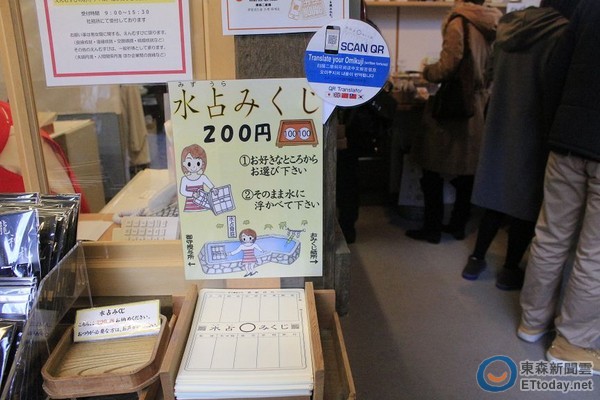
▲ The blank fortune paper used for water divination; you can draw one by paying 200 yen.
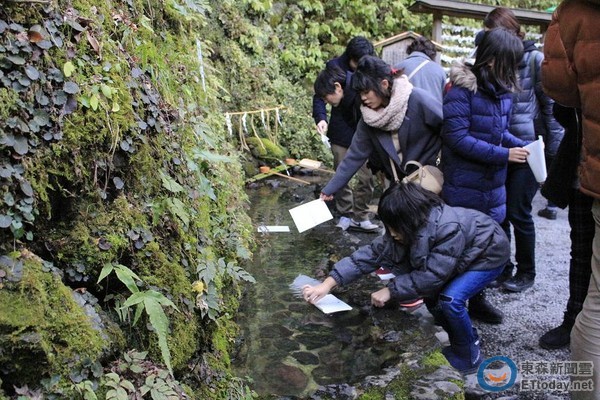
▲ The Suijin-chaya garden is always crowded with people waiting for their fortunes.
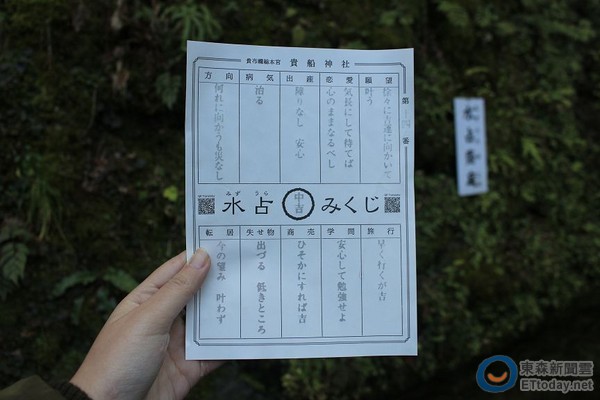
▲ The content of the fortune that appears after the paper gets wet.
Kifune Shrine’s Kannushi (Shinto priest) Suzuki Tamaki also reminds visitors that the words revealed by the water will fade after some time, and the paper will turn blank again. Although you can put it back into the pond to see the fortune reappear, the characters will become blurry. Also, the paper should not be treated like ordinary trash. If you’re unsure how to dispose of it, you can choose to tie it up somewhere within the shrine grounds, regardless of whether your fortune is good or bad.
▲ A hands-on test of the “water divination” experience. (Photo / Cai Wenjun)
Kifune Shrine is also the birthplace of ema. Suzuki Tamaki explained that during the Heian period, whenever there were abnormal weather conditions or prolonged droughts, a black horse would be brought to the shrine for a ritual offering (but not killed), accompanied by prayers for rain. Conversely, if there was too much rain, a white horse would be offered. However, as the number of horses increased and the shrine lacked the resources and space to care for them, they began creating large wooden ema instead, inscribed and blessed by the Emperor.
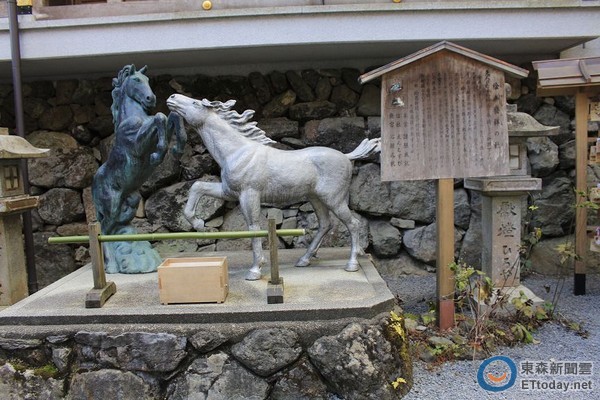
▲ The statue symbolizing the origin of ema.
Over time, what was once exclusively inscribed by the Emperor gradually became more common among the public and spread widely, eventually becoming a common prayer practice at shrines and temples across Japan. As for how the ema written by the general public are handled, Suzuki Tamaki said that shrines and temples burn the ema once a year, though the timing varies. At Kifune Shrine, for example, they are burned together during the Rain-Praying Festival in March.
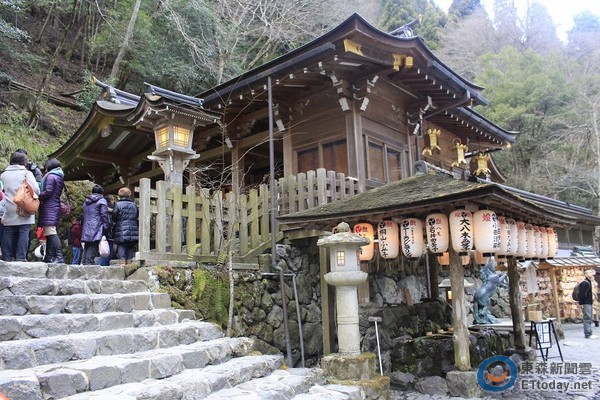
▲ The main hall of Kifune Shrine.
Kifune Shrine
Address:180 Kurama-Kifunecho, Sakyo Ward, Kyoto City
Transportation:Take the Karasuma Line subway from Kyoto Station to Kokusaikaikan Station. From there, transfer to Kyoto Bus No. 52 at Kokusaikaikan Station and get off at Kifune-guchi. Walk for 1 minute to the Kifune-guchi bus stop, then take Kyoto Bus No. 33 and get off at Kifune.
Share
This article is published by HowToTrip. Sharing and reposting are welcome — please credit the source.
Article URL: https://www.howtotrip.net/views-8763
Related Articles
- Shaoxing's "Grandpa Gourd" hangs the gourds back up: "If there are too many people, we'll interact less — just take a quick look from afar"
- Chinese authorities announce "reciprocal adjustment" to Japan visa fees — single-entry visa jumps from 2,250 to 16,750 yen!
- The "health stones" carried by a traveler were found to have radiation levels exceeding safety limits by a thousand times, potentially endangering fellow passengers on the same flight. Customs issues warning!
- Shenzhen Airport Issues Late-Night Notice: Unidentified Aerial Object Detected, Causing Widespread Flight Delays!
- “They only said it cost money after I opened the box and washed it!” 200g of grapes sold for 60 yuan on a high-speed train—12306 responds!
- Can't buy an airline ticket? Denied exit? Blocked from boarding? A large number of Chinese tourists have mysteriously become "discredited individuals"
- Adverse weather and economic fluctuations impact Colombia's coffee market
- Beach bathing area responds to 2 yuan/30 seconds fee for freshwater foot rinsing: Clearly priced!
- Taking off with an improperly closed cabin door? Wing malfunction? Multiple flights made emergency returns mid-journey!
- Experience the gifts of nature! A countdown of the world’s ten most stunning coastlines