Your Own Private Space: A Hands-On Review of Staying at a Dotonbori Capsule Hotel in Osaka
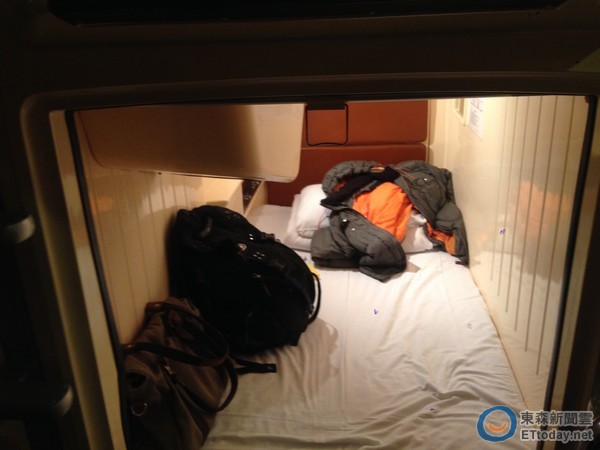
▲ A compact way to stay—this is a popular new choice in recent years. (Photo by reporter Huang Tianyi, same below)
By Nakamura
Capsule hotels are a relatively new type of accommodation that has gained popularity in recent years. Although the space is compact and you have to share bathrooms and common areas with other guests,their simplicity and affordability have made this lightweight lodging option a hit with many.On his trip to Japan, Nakamura chose a capsule hotel as his accommodation, and now he’s here to share what it’s really like inside these mysterious little pods.
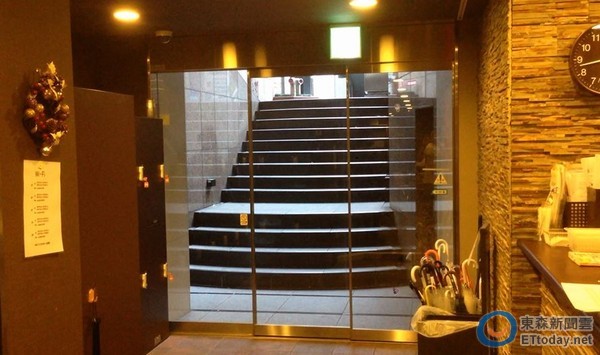
▲ The entrance to the hotel.
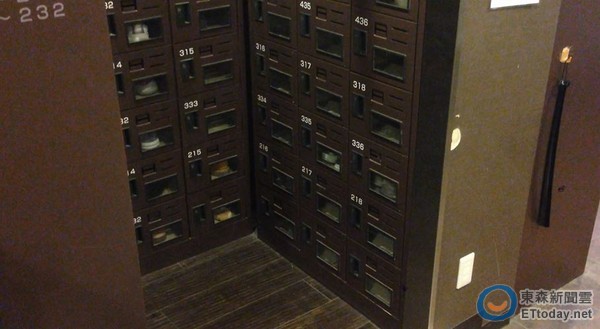
This is the “Shinsaibashi Eco Cube Hotel,” a capsule hotel located near Dotonbori. As soon as you step inside, you’ll see the lobby and the shoe cabinet on the right. Since you’re required to remove your shoes upon entering, they’re all placed in the shoe cabinet on the right(see photo below),and you can retrieve them when you head out.
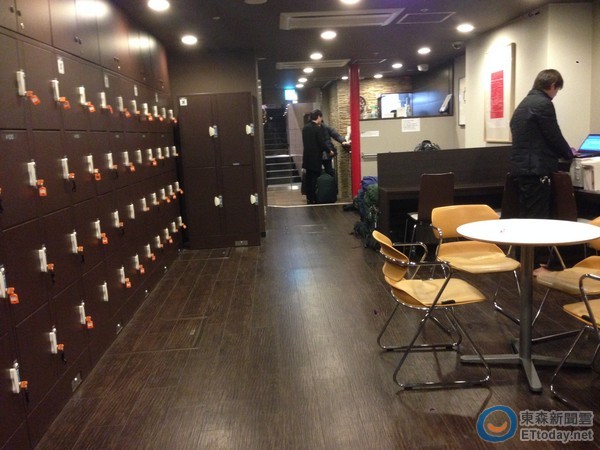
Next to the front desk on the first floor, you’ll notice many suitcases. When guests are out sightseeing, they can temporarily leave their luggage at the front desk. The lobby also serves as a communal area, and if you bring back any outside food, you must eat it there—you can’t take it into the capsules. There are also many coin lockers nearby, giving guests another option for storing their belongings(see photo below)..

%The shared spaces provide guests with various opportunities to interact with one another.%
Next, we head up to the third floor—the actual “rooms” where everyone sleeps. As soon as you step onto the third floor, you’ll see the showers and toilets on the right. Walk a bit further, and you’ll find a long row of small capsules. The capsules are lined up on both sides, each featuring upper and lower bunks. The equipment inside is very basic: a small TV, a mirror, power outlets, a few simple switches, and so on. It may be simple, but there’s a cozy charm to it. Many people probably dream of having their own little private nook, just like these tiny capsules.
%Here’s a look at the actual conditions inside.%
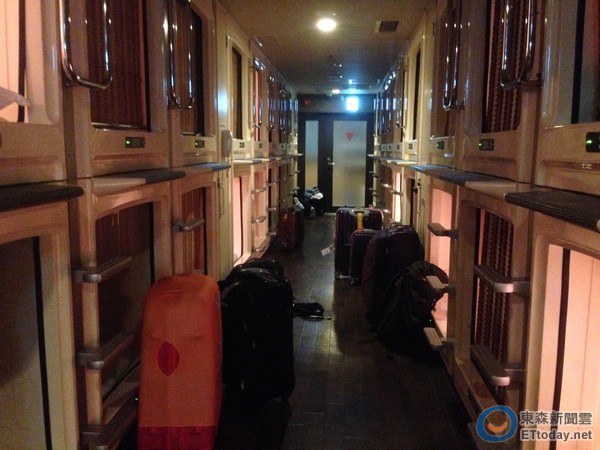
However, there are some downsides to this type of accommodation—for example, it’s easy to be disturbed by other guests at night, and you need to be especially careful with your luggage security, since the room doesn’t have an actual “door,” just a pull curtain.
%The sleeping area is quite compact, and noise can easily carry between rooms.%
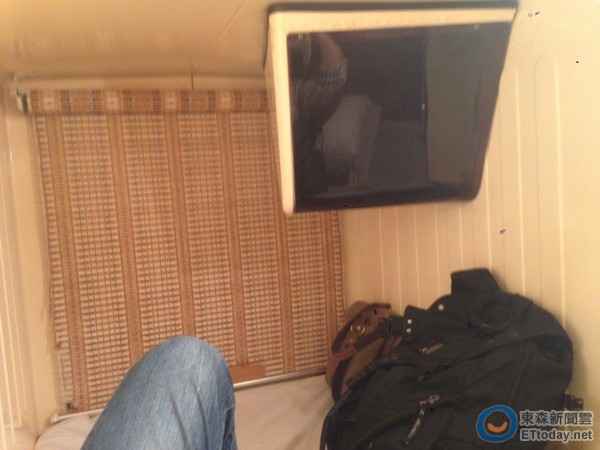
Actually, this style of accommodation originated in Japan. It was initially designed for office workers who live far from their workplace but still need to commute. Sometimes, after social obligations or business trips, they miss the last train home, and this offers a simple way to spend the night. Later, its affordability and simplicity gradually won over tourists, becoming another popular option for travel lodging.
%Here’s a closer look at the actual interior environment and conditions of the capsules.%
Share
This article is published by HowToTrip. Sharing and reposting are welcome — please credit the source.
Article URL: https://www.howtotrip.net/views-8522
Related Articles
- Shaoxing's "Grandpa Gourd" hangs the gourds back up: "If there are too many people, we'll interact less — just take a quick look from afar"
- Chinese authorities announce "reciprocal adjustment" to Japan visa fees — single-entry visa jumps from 2,250 to 16,750 yen!
- The "health stones" carried by a traveler were found to have radiation levels exceeding safety limits by a thousand times, potentially endangering fellow passengers on the same flight. Customs issues warning!
- Shenzhen Airport Issues Late-Night Notice: Unidentified Aerial Object Detected, Causing Widespread Flight Delays!
- “They only said it cost money after I opened the box and washed it!” 200g of grapes sold for 60 yuan on a high-speed train—12306 responds!
- Can't buy an airline ticket? Denied exit? Blocked from boarding? A large number of Chinese tourists have mysteriously become "discredited individuals"
- Adverse weather and economic fluctuations impact Colombia's coffee market
- Beach bathing area responds to 2 yuan/30 seconds fee for freshwater foot rinsing: Clearly priced!
- Taking off with an improperly closed cabin door? Wing malfunction? Multiple flights made emergency returns mid-journey!
- Experience the gifts of nature! A countdown of the world’s ten most stunning coastlines