A Leisurely Island-Hopping Tour of the Seto Inland Sea: Ghost Island and Trash Island Take Center Stage at the "International Art Festival"
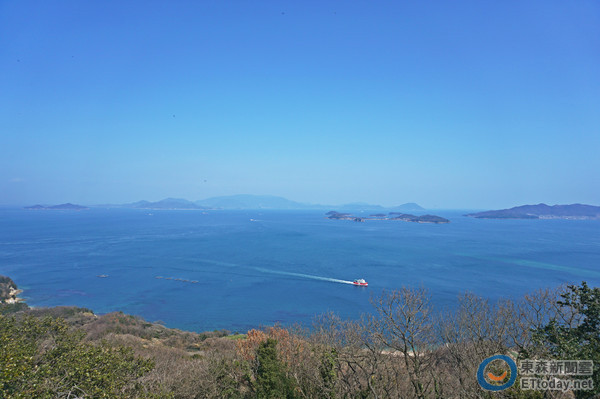
▲ Megijima, also known as Ghost Island, offers a 360-degree unobstructed view of the Seto Inland Sea from its highest point. (Photo by Tsai Shao-Chien, same below.)
Reporter Tsai Shao-Chien / Reporting from the Seto Inland Sea
Have you experienced the vibrancy of Tokyo, the elegance of Kyoto, or the vastness of Hokkaido, and are now craving a different side of Japan?The year 2016 happened to be the triennial"Setouchi Triennale International Art Festival."Local governments installed a total of 206 artworks of various sizes across 12 islands in the Seto Inland Sea and added more ferry services, allowing visitors from all over to
enjoy the artworks while also island-hopping and soaking in the sea views for a unique travel experience.
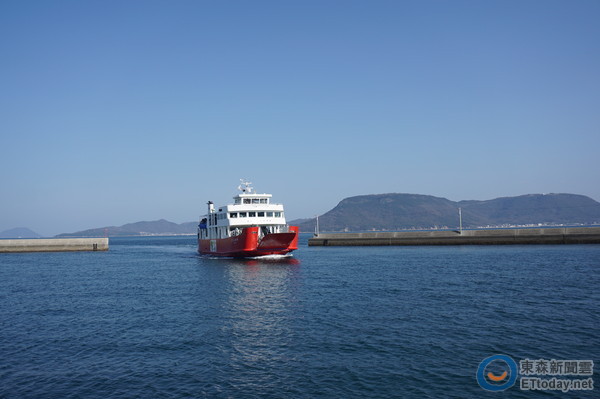
First-time visitors to the Seto Inland Seacan use Takamatsu City in Kagawa Prefecture as their base and take ferries to nearby islands such as Megijima, Ogijima, Shodoshima, Teshima, Naoshima, and Inujima,where they can admire artworks while also appreciating the islands’ rich history and stunning natural scenery.
%The Takamatsu Station is not far from Takamatsu Port, making transportation very convenient.

Takamatsu City
NL China Airlines operates six flights per week between Taoyuan Airport and Takamatsu Airport. Upon arrival at Takamatsu Airport, you can take a bus to the area near JR Takamatsu Station. It’s just a 10-minute walk from JR Takamatsu Station to Takamatsu Port,where you can purchase ferry tickets to visit Megijima, Ogijima, Shodoshima, Teshima, Naoshima, Inujima, and Uno Port in Okayama Prefecture — covering the islands with the most exhibits.Therefore, using Takamatsu City as your base is extremely convenient. The city itself also boasts many famous attractions, includingRitsurin Garden, a "Michelin three-star scenic spot,"and Takamatsu Castle Ruins (Tamamo Park), one of Japan’s three great water castles. Moreover,Kagawa Prefecture, historically known as "Sanuki," is the birthplace of udon noodles,and udon shops and restaurants can be found everywhere.
%The small port town of “Ogi Port” faces the sea and is perfect for travelers who want to feel the ocean breeze.
Megijima
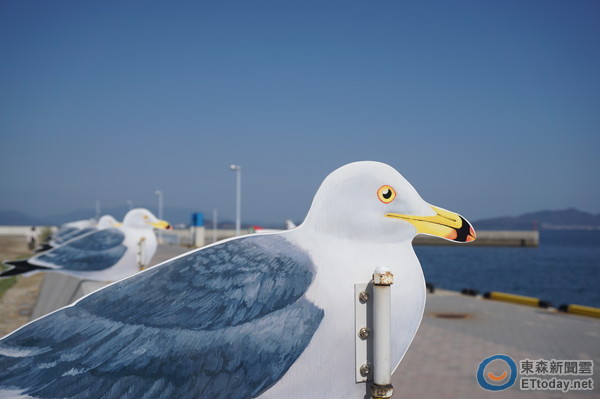
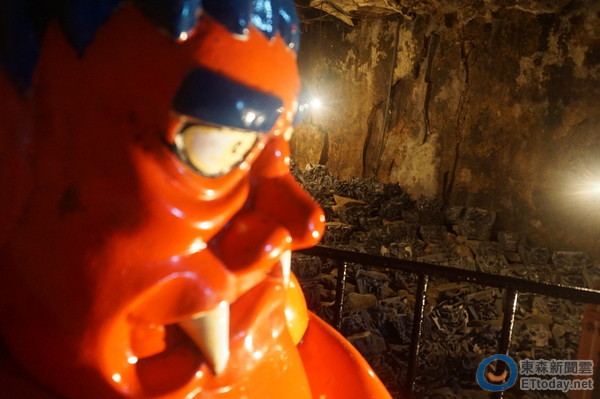
NL The closest island to Takamatsu Port, Megijima, features artworks such as "Seagull Parking Lot," "Reminiscence of the 20th Century," and "Female Root," and is alsonicknamed "Ghost Island," believed to be the home of the ogre in the folktale "Momotaro."There are many ogre-related sculptures on the island, and the "Demon’s Cave" even recreates famous scenes from the Momotaro story.The sandy beach near Megijima Port is absolutely beautiful,where you can sit on the soft white sand, watch ferries glide across the blue sea, leaving behind foamy white wakes, feel the salty yet refreshing sea breeze of the Seto Inland Sea, listen to the creaking sound of the "Seagull Parking Lot" artwork, sip a cool beer, and enjoy the unique relaxation of travel as you slowly watch the sunset unfold before your eyes.
%The nickname “Devil’s Island” reflects the theme of the folk tale associated with the island.
Teshima
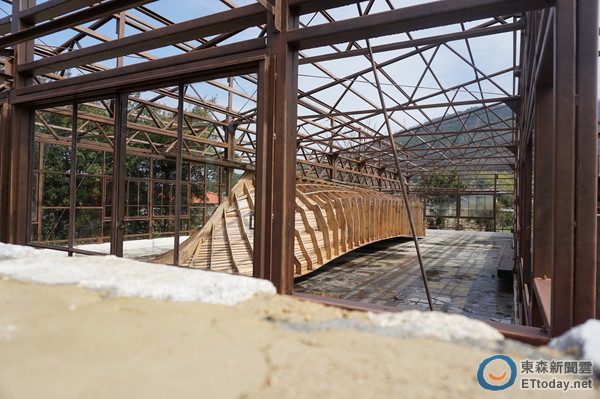
Teshima is located between Uno Port, Takamatsu Port, and Shodoshima, serving as an important transportation hub in the Seto Inland Sea. It was once a major trading post, but lateran incident involving illegal dumping of industrial waste by unethical corporations turned Teshima into a “garbage island”, with large areas of land polluted and the marine ecosystem severely damaged—even crops grown on the island were deemed unsafe to eat. Thanks to the relentless efforts and protests of local residents, which eventually caught the attention of the Japanese government, cleanup operations gradually began. Teshima’s “Teshima Art Museum” is highly renowned—the building itself is a work of art, and its circular skylight often makes visitors pause and contemplate the relationship between nature and humanity. This year’s newly exhibited artwork, “Needle Factory,” aligns perfectly with this edition of the art festival’s theme, “The Restoration of the Sea,”combining the abandoned “crochet needle factory,” once a symbol of Teshima’s glorious past, with the “ship skeleton,” representing the people of the sea, to encapsulate the island’s history in a single installation..
%The “Crochet Needle Factory” combines the ruins of the former factory with the concept of manufacturing.
Teshima also features another fascinating new exhibit this year, “The 8 Million Research Institute.” The artist “Sputniko!” is a strikingly tall, mixed-race British-Japanese individual who majored in mathematics and information engineering in university before pursuing interactive design at London’s Royal College of Art. She later served as a professor at MIT’s Media Lab.A multi-talented figure, she has starred in numerous music videos that sparked widespread online discussion, embodying the roles of scientist, engineer, designer, artist, actress, and model all in one.
%The “8 Million Research Institute” showcases both “myths” and “science.”
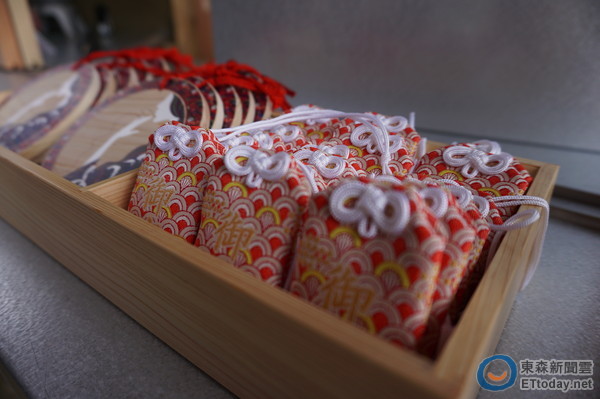
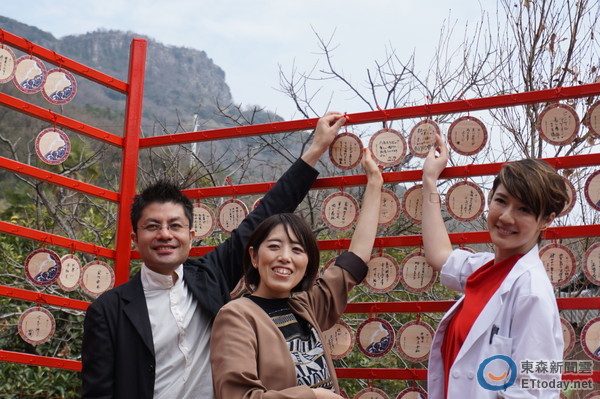
“Since ancient times, mythology and science have often clashed—just look at Galileo. But I believe they can complement each other. The ‘8 Million Research Institute’ aims to elevate both!” says Sputniko!.The “8 Million Research Institute” ingeniously fuses mythology and science, using genetically engineered silk from silkworms to create “red threads of fate” symbolizing romantic connections.It also sells exclusive love amulets from the institute and features an ema (votive plaque) stand in the back, where visitors can write their wishes and hang them to pray for fulfillment. The institute also plays an engaging music video created by Sputniko!,where mesmerizing electronic beats, cutting-edge technology, and traditional ema blend to transform the space into an unconventional “love shrine.”.
%The photo shows the stylish Sputniko (!, far right) and the building’s designer hanging up ema with written wishes.
Epilogue
The combined population of Megijima and Teshima is only around a thousand, making it a severely depopulated area, with nearly all residents being elderly. During my visit to Megijima, I noticed that everyone—from bus drivers and ticket sellers to cave guides and cafeteria chefs—was an elderly man or woman. While exploring, I rarely saw other locals. Yet, in such a quaint rural setting, beauty often appears around every corner—sometimes in the form of art festival installations, sometimes in a unique café, and other times in a breathtaking blue seascape.It’s recommended to occasionally “break free” from your planned itinerary to discover hidden “off-the-map gems.”
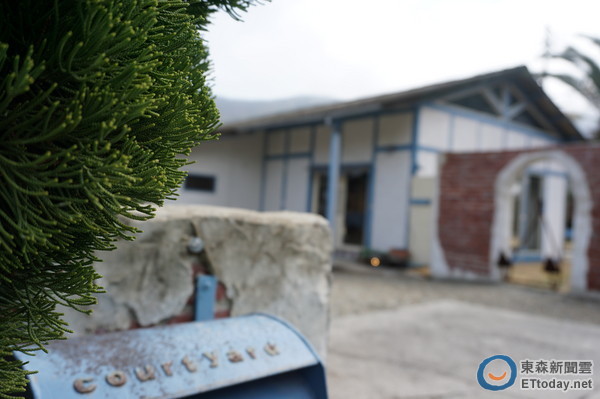
%The photo shows: (1) The island’s cafés each have their own distinctive charm—some feature special coffee beans, some showcase unique artworks, some offer delicious meals, and some boast stunning sea views.
2016 Setouchi Triennale Exhibition Periods
Spring: March 20 — April 17
Summer: July 18 — September 4
Autumn: October 8 — November 6
Share
This article is published by HowToTrip. Sharing and reposting are welcome — please credit the source.
Article URL: https://www.howtotrip.net/views-7911
Related Articles
- Shaoxing's "Grandpa Gourd" hangs the gourds back up: "If there are too many people, we'll interact less — just take a quick look from afar"
- Chinese authorities announce "reciprocal adjustment" to Japan visa fees — single-entry visa jumps from 2,250 to 16,750 yen!
- The "health stones" carried by a traveler were found to have radiation levels exceeding safety limits by a thousand times, potentially endangering fellow passengers on the same flight. Customs issues warning!
- Shenzhen Airport Issues Late-Night Notice: Unidentified Aerial Object Detected, Causing Widespread Flight Delays!
- “They only said it cost money after I opened the box and washed it!” 200g of grapes sold for 60 yuan on a high-speed train—12306 responds!
- Can't buy an airline ticket? Denied exit? Blocked from boarding? A large number of Chinese tourists have mysteriously become "discredited individuals"
- Adverse weather and economic fluctuations impact Colombia's coffee market
- Beach bathing area responds to 2 yuan/30 seconds fee for freshwater foot rinsing: Clearly priced!
- Taking off with an improperly closed cabin door? Wing malfunction? Multiple flights made emergency returns mid-journey!
- Experience the gifts of nature! A countdown of the world’s ten most stunning coastlines