Follow your instincts. 10 Japanese sakes we fell in love with at first sight from their labels
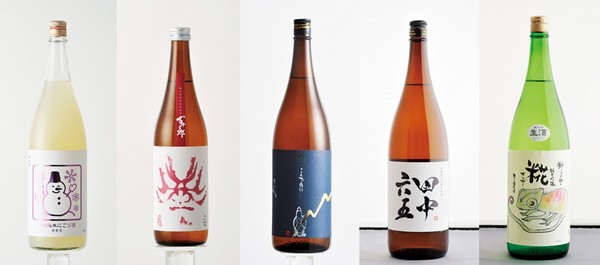
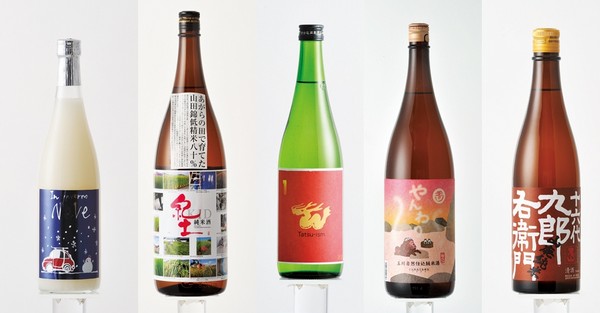
Text and photos / Excerpted from: "Expert Picks: This Is the Sake to Drink!", Mountain Culture Publishing
In the past, sake labels typically featured fixed-format text or used more classic patterns. But in recent years, sake labels have become much more lively, and an increasing number of fun designs have emerged. The label is the first impression that the brewer presents to the drinker, so nowadays breweries are also thinking about how to convey the characteristics of their sake through the label. If you can guess the characteristics of the sake just from the label, you definitely should buy it — following your instincts will never steer you wrong.
There are also unexpected little surprises behind the labels.
Nowadays, some Japanese sakes feature labels similar to wine labels, while others come in high-quality washi paper. Seasonal illustrations have also become a key element in capturing hearts. Additionally, there are product lines that use colors instead of text to differentiate types of rice or brewing methods. These labels carry rich content, and the world behind the labels continues to evolve. In the new era of Japanese sake, labels are gradually becoming small highlights full of surprises.
● ETtoday News Cloud reminds you: Don’t drink and drive, and don’t drive after drinking.
1. Izumibashi Da Seki Nigori Junmai Slightly Sparkling Dragonfly Overwintering Eggs & Snowman Label Izumibashi Shuzo (Kanagawa Prefecture)
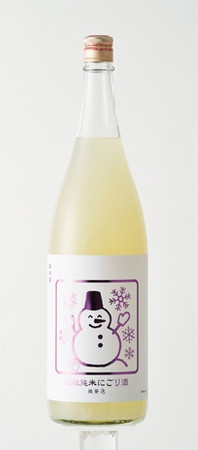
▲ The concept behind the Izumibashi label mainly draws inspiration from the "dragonflies" flying in the fields. Summer is the season of dragonfly larvae known as "nymphs," and the eggs that dragonflies lay to overwinter are called "overwintering eggs," which are the little spheres beneath the snowman on this label. Isn't it interesting to see the little stories behind these different labels? (Photo / Mountain Culture)
Base rice (polishing ratio): Ebina-produced Yamadanishiki, Kinugasa (60% polished brew rice, 80% polished steamed rice)
Alcohol content: 15%
Price: 439 JPY (720ml), 2879 JPY (1.8L)
Brewer's recommendation
Mr. Otsuka-ya "Yokoyama Tetsuya": “The purple gold-foil snowman is so cute!”
2. Hyakujuro Akamenshi Extra Dry Junmai Hayashi Honpo (Gifu Prefecture)
▲ The name “Hyakujuro” comes from the kabuki actor Ichikawa Hyakujuro, who was active at Hayashi Honpo brewery. Just as the cherry blossom trees planted by Hyakujuro attract large crowds, this sake aims to “enable people around the world to connect through sake.” Different colors of kumadori (kabuki makeup styles) also represent various styles. (Photo / Mountain Culture)
Base rice (polishing ratio): Gohyakumangoku (70%)
Alcohol content: 15–16%
Price: 1294 JPY (720ml), 2263 JPY (1.8L)
Brewer's recommendation
Yokohama-kun]: “The design with gold coloring is so stylish, I really like it. Even foreigners seem to be drawn to its appearance.”
3. Kuromatsu Senjyu Such a Night... Ptarmigan Junmai Unfiltered Middle Cut Raw Senjyu (Nagano Prefecture)
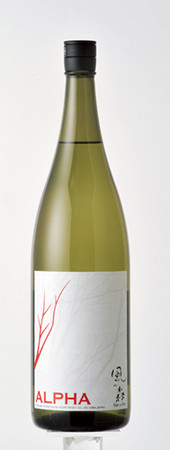
▲ The label features a full moon, salamander, mountain trout, deer, and ptarmigan — characters that symbolize the sake’s diverse flavor profiles. The ptarmigan represents the most refreshing, distinct, and bold option in the series. Each sake in the series uses different types of rice, yeast, or brewing methods, making it a fun experience to try the whole lineup. (Photo / Mountain Culture)
Base rice (polishing ratio): Shinshu-produced Miyamanishiki (70%)
Alcohol content: 17%
Price: 2484 JPY (1.8L)
Brewer's recommendation
Mr. Tamagawa-ya "Tamagawa Takeya": “The ptarmigan is the most basic style in the series — bold in flavor yet endlessly drinkable.”
4. Tanaka Rokugo Ieshima-produced Yamadanishiki Junmai Shiraiso Shuzo (Fukuoka Prefecture)
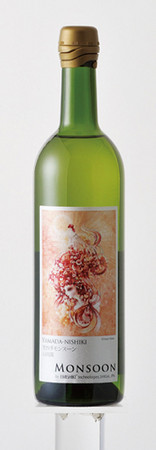
▲ Tanaka Rokugo insists on using Yamadanishiki rice from Ieshima in western Fukuoka Prefecture, polishing it down to 65%, and brewing it with pure No. 9 yeast. The brewery produces only this one sake. The sake’s modern, elegant taste and rich sweetness complement its simple yet pop-style label. (Photo / Mountain Culture)
Base rice (polished ratio): Itoshima-grown Yamadanishiki (65%)
Alcohol content: 16%
Price: ¥1,501 (720ml), ¥2,919 (1.8L)
Recommended by brewers
Ise Go-Honke, Mr. Niwa Yuichi: “The white label with brush-written ink characters — surprisingly designed by the young brewery owner, it’s very POP!”
5. Lion no Sato | Junmai Ginjo Matsura Shuzo (Ishikawa Prefecture)
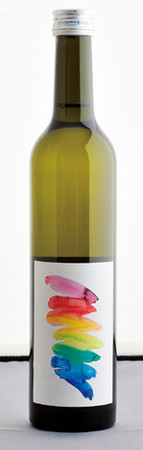
▲The basic concept is: “To be a dish that can stand up to the four seasons and pair with various cuisines, offering a range of experiences with different ingredients.” Since the way we perceive taste changes with different foods, the label features a chameleon motif. Its refined flavor pairs well with white fish sashimi or sushi. (Photo: Mountain Culture)
Base rice (polished ratio): Omachi, Yamadanishiki (55%)
Alcohol content: 15%
Price: ¥3,065 (1.8L)
Recommended by brewers
Ise Go-Honke, Mr. Niwa Yuichi: “This sake offers different taste experiences with various ingredients, and the chameleon on the label perfectly matches the character of this sake.”
6. Mitsui no Kurou NEVE Winter Junmai Nigori Sake Inoue Gomei Gaisha (Fukuoka Prefecture)
▲The bottle features Mitsui no Kurou’s seasonal poetry, with an Italian-style winter label. Neve means “snow” in Italian. The transparent bottle resembles the color of a snow globe; fragrant and creamy-textured, this is a vibrant nigori junmai sake. (Photo: Mountain Culture)
Base rice (polished ratio): ? rice, Gohyakumangoku, steamed rice Yumeiichikou (60%)
Alcohol content: 14%
Price: ¥1,296 (720ml), ¥2,592 (1.8L)
Recommended by brewers
Nihonshu Hanaoka, Mr. Hanaoka Ken: “The cute little snowman illustration paired with pure white nigori sake. A very seasonal drink for winter!”
7. Kido –KID- Grown in Our Fields Yamadanishiki Low-Polished 80% Junmai Sake Heiwa Shuzo (Wakayama Prefecture)
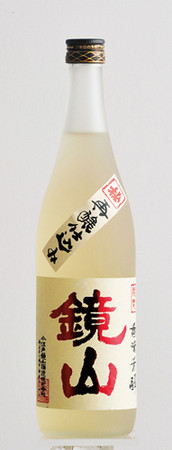
▲The label features photos of Yamadanishiki being cultivated in their own fields and the process of brewing with these grains. To fully bring out the sweetness of the rice, the brewer used a low polishing ratio of 80%. Also, the name “agura” in Wakayama dialect means “ours”; the care and dedication of the brewer really shines through the label. (Photo: Mountain Culture)
Base rice (polished ratio): Yamadanishiki (80%)
Alcohol content: 16%
Price: ¥2,592 (1.8L)
Recommended by brewers
Oboroya, Mr. Ohkuma Jun: “The brewery put images of the rice cultivation process on the label. It’s really fun to look at the pictures while drinking.”
8. Tatsusen Tatsuhyou No.1 Special Junmai Funamae Sake Unfiltered Fresh Sake Tatsusen Shuzo (Fukushima Prefecture)
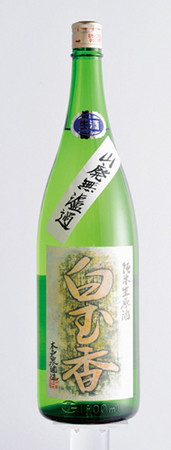
▲The label concept is based on the character “Tatsu” (meaning dragon in the Chinese zodiac) from the brewery’s name, with a simple yet distinctive color scheme for easy recognition across the series. No.1 gives off the feel of “tank-front sake” — bottled right after pressing in an old tank. Its charm lies not in the initial aroma, but in the fruity notes within its mellow richness. (Photo: Mountain Culture)
Base rice (polished ratio): Yumenoka (60%)
Alcohol content: 17–18%
Price: ¥1,491 (720ml), ¥2,808 (1.8L)
Staff Recommendation
Jizakeya Kodama – “The adorable dragon emblem is truly memorable; in addition, the four different colored labels each represent a different type of sake.”
9. Tamagawa YANWARI (やんわり) Natural Brewing Method Junmai Sake (Yamahai) Kinoshita Shuzo (Kyoto Prefecture)
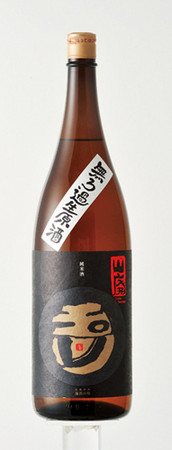
▲When Toji Philippe Harvard got tired of brewing sake, he suddenly thought about what kind of sake he’d really like to drink—and then went ahead and brewed it. At just 13% alcohol, Tamagawa has an easy-drinking character, yet still fully expresses the rich, full-bodied nature unique to Yamahai. When served warmed, it feels as cozy as the monkey on the label. (Image / Mountain Culture)
Base Rice (Polishing Ratio): Kitashizuku (66%)
Alcohol Content: 12–13%
Price: ¥1,049 (720ml), ¥2,099 (1.8L)
Staff Recommendation
This publication’s editorial team: “Gazing at this carefree monkey while sipping this low-alcohol sake warms you right up from head to toe.”
10. Jūrokudai Kurōemon Yamahai Junmai Genshu 24BY Yugawa Shuzoten (Nagano Prefecture)
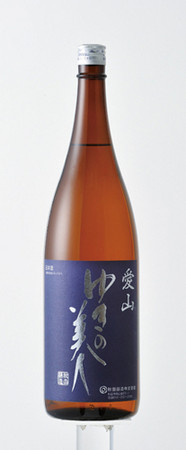
▲Like “Tanaka Rokugo,” this sake also focuses on typography, making it fun to compare the differences between the two labels. Brewed at an altitude of 1,000 meters, this sake offers sweet-sour aromas and a mellow, rich flavor that is smooth and generously sweet—recommended for first-time Yamahai drinkers. (Image / Mountain Culture)
Base Rice (Polishing Ratio): Nagano Shimubarki (60%)
Alcohol Content: 17%
Price: ¥1,404 (720ml), ¥2,808 (1.8L)
Staff Recommendation
This publication’s editorial team: “This Yamahai pairs wonderfully with Italian cuisine. It’s even more delicious when warmed!”
● 《ET News Cloud》 reminds you: Don’t drink and drive.
Share
This article is published by HowToTrip. Sharing and reposting are welcome — please credit the source.
Article URL: https://www.howtotrip.net/views-7714
Related Articles
- Shaoxing's "Grandpa Gourd" hangs the gourds back up: "If there are too many people, we'll interact less — just take a quick look from afar"
- Chinese authorities announce "reciprocal adjustment" to Japan visa fees — single-entry visa jumps from 2,250 to 16,750 yen!
- The "health stones" carried by a traveler were found to have radiation levels exceeding safety limits by a thousand times, potentially endangering fellow passengers on the same flight. Customs issues warning!
- Shenzhen Airport Issues Late-Night Notice: Unidentified Aerial Object Detected, Causing Widespread Flight Delays!
- “They only said it cost money after I opened the box and washed it!” 200g of grapes sold for 60 yuan on a high-speed train—12306 responds!
- Can't buy an airline ticket? Denied exit? Blocked from boarding? A large number of Chinese tourists have mysteriously become "discredited individuals"
- Adverse weather and economic fluctuations impact Colombia's coffee market
- Beach bathing area responds to 2 yuan/30 seconds fee for freshwater foot rinsing: Clearly priced!
- Taking off with an improperly closed cabin door? Wing malfunction? Multiple flights made emergency returns mid-journey!
- Experience the gifts of nature! A countdown of the world’s ten most stunning coastlines