Essentials for First-Time Campers: What Basic Gear Must You Buy?

Photos and text byXiao Ao Shan Lin (Laughing at the Mountains and Forests)
This article is written for those who will one day fondly recall their adventures in the great outdoors, as well as for you who are now ready to step into the world of camping.
Ever since I went on a camping trip during my middle school orientation, a love for camping was planted in my heart. In the summer of 2013, I saw photos of a college friend’s camping trip shared on Facebook and was filled with envy. I left a message saying, “Next time, take me with you too!” And just like that, in August 2013, I dove headfirst into the camping lifestyle — and I’ve never looked back.
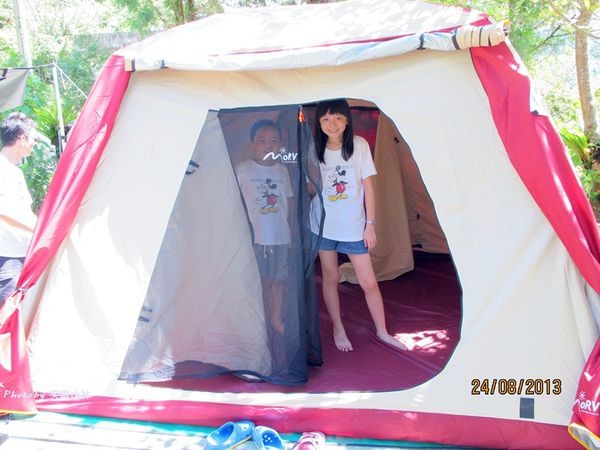
So what exactly do you need to prepare for your first camping trip? What are the essential pieces of gear you must buy?
Step 1: Do Your Homework Online
First and foremost, do some thorough online research. There are plenty of experienced campers online who love sharing their knowledge. Just type in a few keywords, and you’ll find tons of articles offering advice for beginners. Most seasoned campers recommend starting with rented gear to try it out. Visit a campsite, check out other campers’ tents and equipment, figure out your own needs, and then gradually purchase your own gear. This is a very sound approach.
But!If you’re like me — someone who is absolutely certain they’ll fall in love with camping, has full confidence in their ability to enjoy it, and also has a bit of a tent cleanliness obsession (not keen on using someone else’s slept-in tent) — then please keep reading. You might ask why I’m so confident I’d love camping. There are only two reasons:
First: I can’t afford Taiwan’s super expensive homestays or hotels, but being cooped up at home every day drives me crazy.
Second: Once I’d spent NT$30,000, I had no choice but to go camping.
Step 2: Set a Budget
I’m assuming anyone reading this is as frugal as I am, only indulging occasionally, and has basic quality expectations for what you live in and use. Spend within your means — no need to pretend to be something you’re not.
Also… don’t naively think there’s such a thing as getting everything perfect in one go. Remember, this is a bottomless pit. Even if you buy the highest-end tent, one tent still won’t be enough. Someone with a one-room-one-living-room tent will still want a separate sleeping tent, a tarp, or a cooking tent to match, adjusting based on the type of campsite or the temperature.
The following assumes you’re like me, with a budget of NT$30,000 or less.
Step 3: Choose a Retailer with After-Sales Service for Quality Assurance
With the growing popularity of camping, outdoor gear specialty stores are everywhere. Look for shops that offer after-sales service and organize weekly or monthly camping events. The store can help ensure the quality of the campsite and the behavior of fellow campers. Usually, this is part of customer service and isn’t charged extra — at most, there may be a small fee for accident insurance.
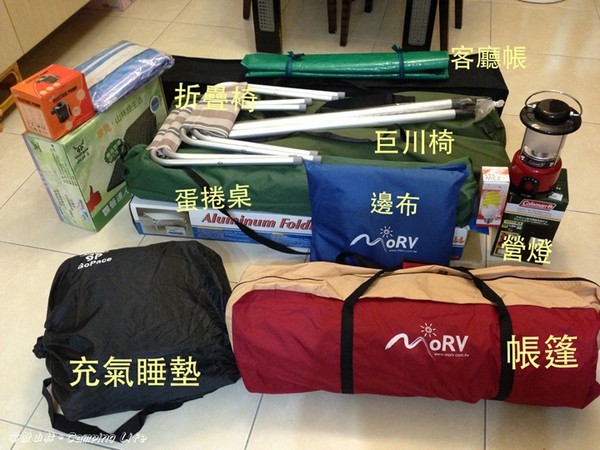
Step 4: As the Pros Advise — Buy Camping Gear Gradually. Xiao Ao Shan Lin’s Phase One Essential Gear
Tent, ground mat, air mattress, living (cooking) tent, folding table, foldable chairs, camping lamp.
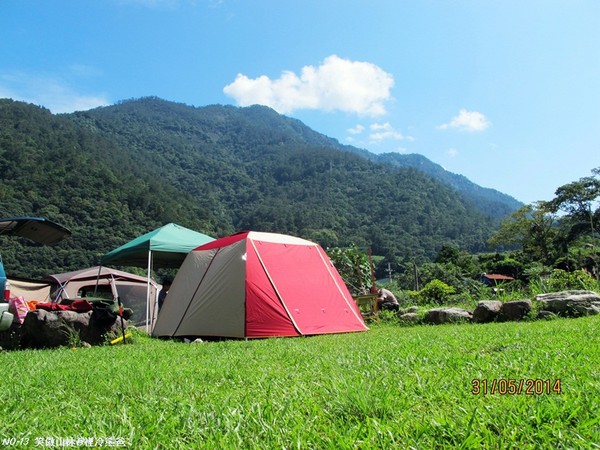
1. Tent
First and foremost, consider the appearance — if you don’t even like how it looks, why force yourself?
How many people will sleep in it?--> For two people, buy a four-person tent; for four people, get a six-person tent, and so on... When my grandmother camps with us, our family of five sleeps perfectly fine in a six-person tent.
Waterproof Rating--> Also known as the hydrostatic head rating. Unless you’re camping in severe wind and rain, a rating of 1800mm is usually more than sufficient. Of course, the higher the rating, the higher the price.
Tent Condensation--> Condensation inside the tent happens due to the warm air exhaled by people and moisture rising from the ground. To avoid it, don’t let the outer tent stick to the inner tent; maintain ventilation by opening the inner tent windows and fully sealing the outer tent.
Outer Tent Style--> This was one of the most important factors I considered. The outer tent should fully cover the inner tent to prevent rain from getting inside.
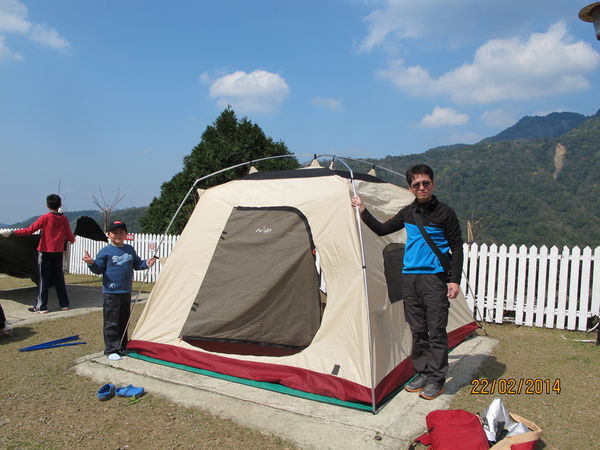
2. Ground Cloth
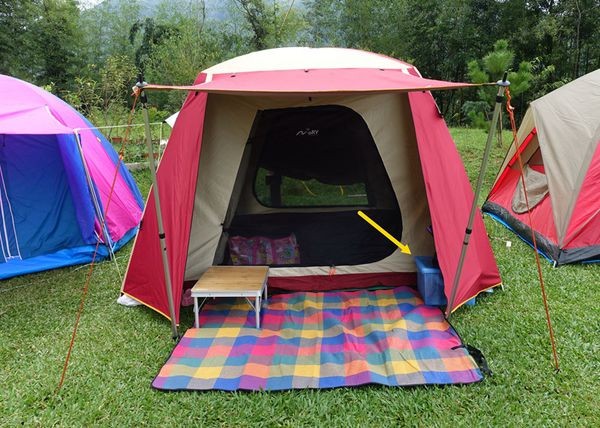
Lay it under the tent to block moisture and dust—this piece is absolutely essential. Without it, your inner tent’s base will get soaked if it rains. Most importantly, make sure the ground cloth is smaller than the tent itself; otherwise, when it rains, it’ll turn into a water-catching mat and float your tent on water—yikes!
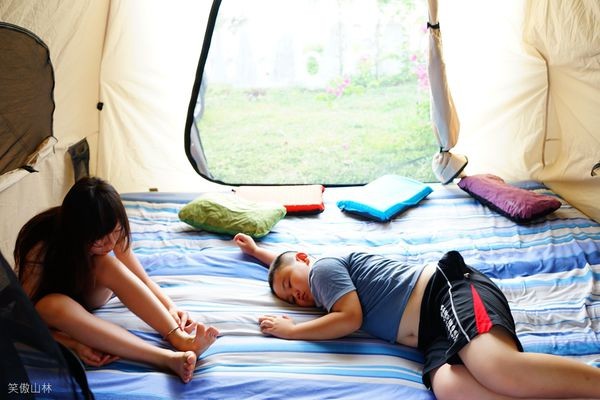
3. Inflatable Mattress
Most come with an electric pump included. One inflatable mattress can sleep 4–5 people comfortably and packs down to a small size. When there’s no electricity, you can also inflate it by foot.
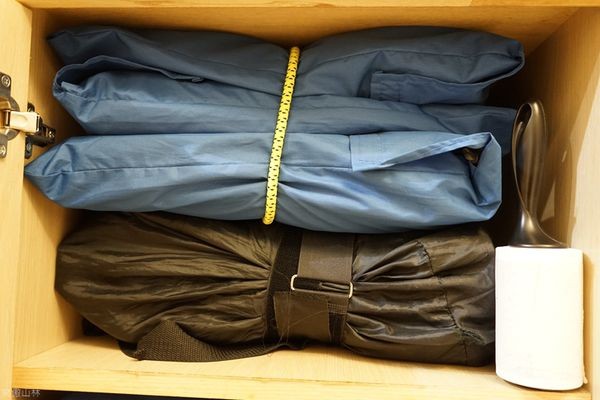
The black bag in the photo above shows how compact the deflated mattress is—it’s even smaller than three side panels of the living tent~
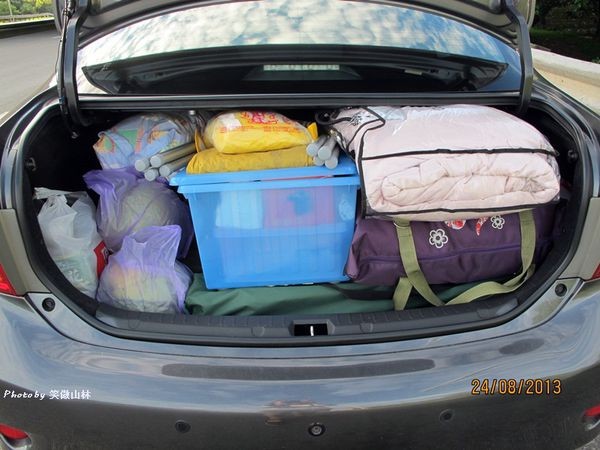
4. Bedding
If your first budget is tight or you’re going camping in summer for the first time, you can skip buying an expensive down sleeping bag for now and use cool quilts and pillows from home instead. You can purchase a proper sleeping bag when winter comes.
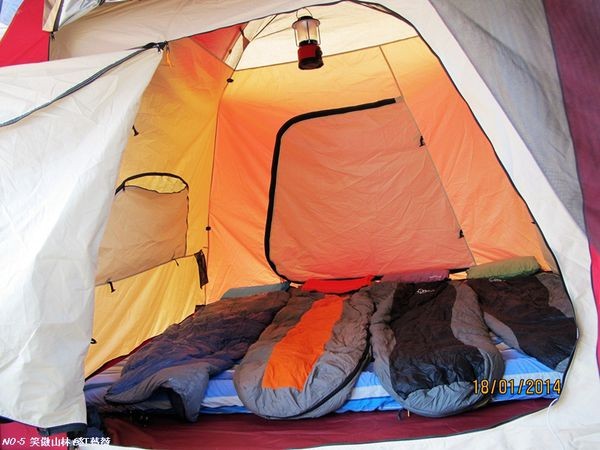
5. Camping Lantern
Don’t forget to hang a lamp inside the tent so you’re not fumbling around in the dark at night!(The sleeping bag in the photo was bought for winter camping.)
That’s all for the basic gear needed for the tent (sleeping tent) and inside the tent~
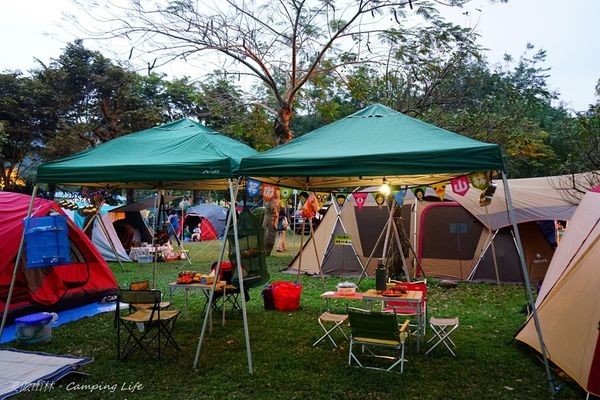
6. Living Tent (Kitchen Tent) or Tarp
A tarp is better suited for summer, while a kitchen tent plus side panels is suitable year-round and offers better protection against mosquitoes, wind, and rain. It has more functions—choose one. I opted to buy the kitchen tent first. Of course, the living tent or tarp isn’t absolutely essential—you can skip this and start by booking a campsite with a roof to get the feel first.
During our first camping trip, we also encountered the so-called “first-timer curse”—a sudden downpour brought by southwestern winds. Luckily, the kitchen tent allowed us to move around freely even in the rain. I postponed buying the side panels for the kitchen tent until after the experience and only used the one free side panel that came with it to extend the space.
▲ Poles are essential supporting elements for tents or living tents, indispensable for holding up the front porch or side panels.
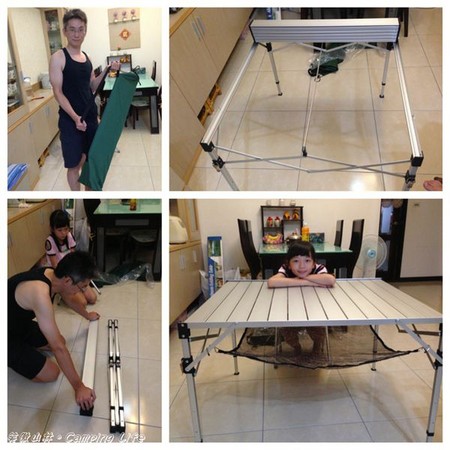
7. Egg Chair Table
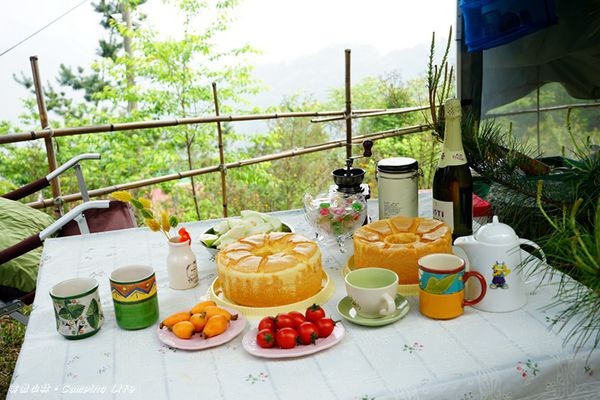
For most campers, the first type of table they get is a foldable egg chair table—and Smiling in the Mountains is no exception. Most fellow campers use this kind of table because it’s convenient for combining tables to share meals. Lay down a nice tablecloth, and it feels even cozier.

8. Foldable Camping Lounge Chair
The Juichuan chair, which emphasizes easy storage, sturdiness, and comfort, is the comfiest chair I’ve sat on so far. Its high backrest makes for very relaxing seating. The downside is its larger size—you’ll need to check if it fits in your car. I initially bought two for adults, but in the end… the kids took them over, leaving the adults to sit on the simple, small foldable chairs.
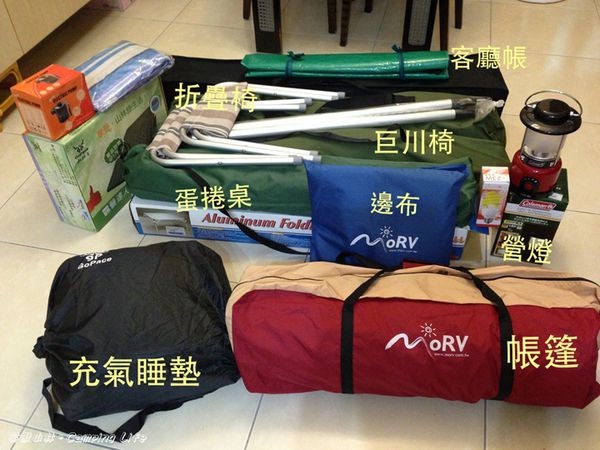
▲ All of the above is available for under 30,000 NT.
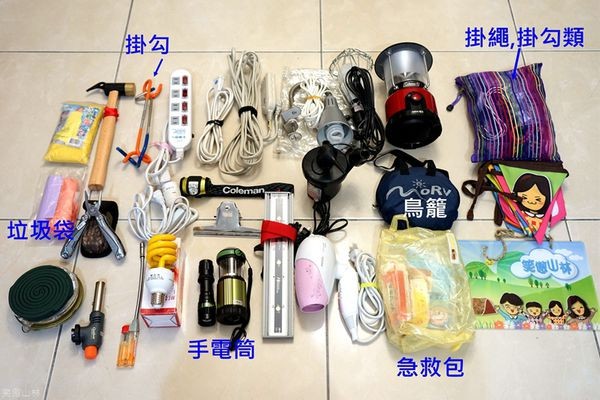
9. Camping Toolbox
Other tools you might need for camping, such as tent pegs, mallets, ropes, extension cords, living tent lights (you can substitute with work lights), etc., can be referred to from the shared post by Xiao?.【Camping Essential Small Tool Storage Method】
10. Cooking Utensils and Gear Preparation
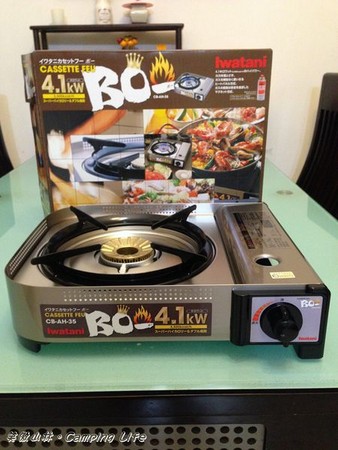
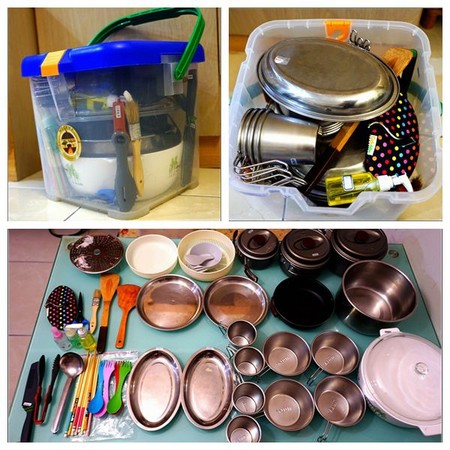
If it’s your first time camping and you’re going with friends you know, you can share cooking equipment at first, and just bring utensils from home. If you don’t have camping buddies yet, Xiao? recommends getting a 4.1KW Iwatani gas cartridge stove—the most commonly used by campers. It works fine whether you're at low-altitude campsites or high-altitude ones like Fushoushan. For dish storage, Smiling in the Mountains uses RV buckets—you can refer to【Camping RV Bucket】Camping Cookware Storage & A Camper’s Best Friend
Other Suggestions
First Aid Kit:There are many ropes in the campsite, and kids can easily trip over them, so be sure not to forget to pack a first aid kit. Also remember to bring any regularly used medications.
Choosing a Campsite:You can refer to the comprehensive Taiwan campsite information platform set up by Senior Zhuque for all campers.Camping Nest. For your first camping trip, if you have young children at home, try to avoid high-altitude or cold-weather campsites, as kids may have trouble adapting. It’s recommended to choose low-altitude, city-nearby sites that are easier to manage in case of emergencies.
FB Camping Groups:You can join various Facebook camping groups to get relevant information, such as:Taiwan Camping
Equipment Checklist:The following is an equipment checklist shared by members of the camping community, provided here for your reference (source: SaYe website)
As mentioned at the beginning, there’s no need to get everything all at once — buy gradually, and you’ll find even more joy in camping. Just be prepared… your home space will get smaller and smaller....
Hopefully, the above sharing has been somewhat helpful to you.
For more camping-related information, please go to >>>Laughing in the Mountains Fan Page
Share
This article is published by HowToTrip. Sharing and reposting are welcome — please credit the source.
Article URL: https://www.howtotrip.net/views-7552
Related Articles
- Shaoxing's "Grandpa Gourd" hangs the gourds back up: "If there are too many people, we'll interact less — just take a quick look from afar"
- Chinese authorities announce "reciprocal adjustment" to Japan visa fees — single-entry visa jumps from 2,250 to 16,750 yen!
- 旅客携带的“保健石”核辐射超标千倍,同机人员或遭殃!海关提醒!
- 深圳机场深夜通报!出现不明升空物,航班大面积延误!
- “拆盒洗了才说要钱!”高铁200克葡萄卖60元,12306回应!
- 买不了机票?出境被拒?登机被拦?一大波中国游客莫名成了“失信人”
- 不利天气和经济波动影响哥伦比亚咖啡市场
- 海边浴场回应冲脚淡水收费2元/30秒:明码标价!
- 舱门没关好就起飞?机翼出现问题?多个航班途中紧急折返!
- 感受大自然的馈赠!盘点世界十大唯美海岸线