6 Historic Houses and Shrines That Are Perfect for Photoshoots – Fukuoka Saga’s “Kimono Stroll Map”
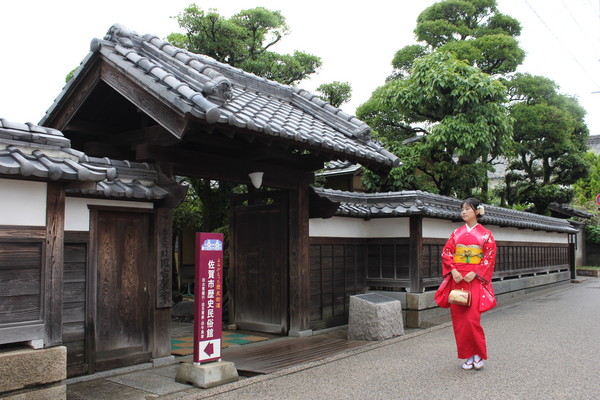
▲ Walking through quaint streets in a kimono is a classic part of any Japanese travel experience. (Photo provided by Cola Travel; the same applies below)
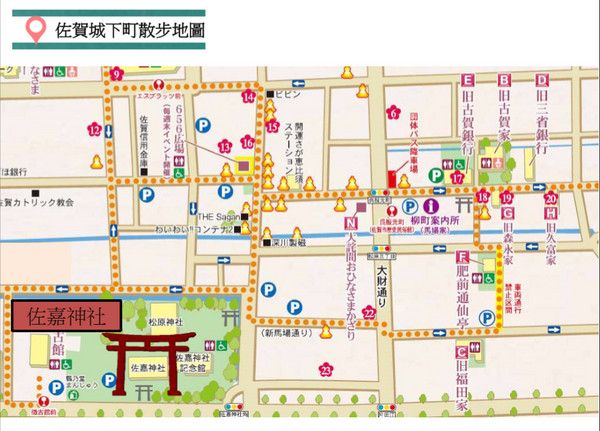
▲ Saga Kimono Stroll Map
Reported by Reporter Li Zi Yi / Interviewed and reported from Saga, Kyushu
Wearing a kimono in Japan and visiting shrines to take beautiful photos has almost become an essential part of any trip to Japan. But in top-tier hotspots like Tokyo, Osaka, and Kyoto, it’s often crowded, and finding a quiet spot for great photos isn’t easy. In the Saga region of Kyushu, you can also rent a kimono. Nearby, there's the famously prayerful for exam success Saga Shrine, as well as free attractions — such as the Saga City History and Folklore Museum, which features six traditional Japanese houses where travelers can snap photos to their heart's content. Follow Saga Castle Town’s kimono stroll map to enjoy a matcha experience, shopping, shrine visits, and plenty of Insta-worthy spots.
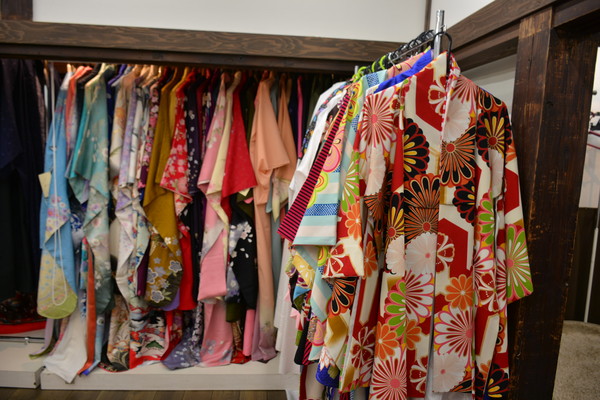
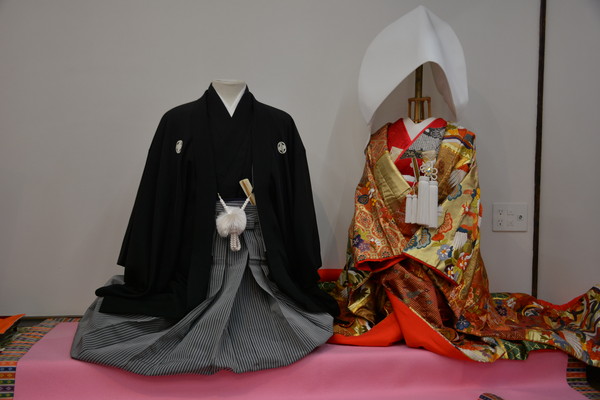
▲ A wide selection of kimonos to choose from, including even wedding-style kimono. (Photo by Reporter Li Zi Yi)
Yosooi no Tokoro Futaba Shop
In the tranquil streets of Saga Castle Town, nestled among rows of traditional Japanese houses, you’ll find a shop that specializes in kimono rentals. Head upstairs, where dozens of kimonos are available for you to choose from, and you can be dressed within about 20 minutes including selection time. Prices vary depending on the completeness of the package, ranging from 3,500 yen to 5,000 yen. The shop also offers accessories, hair styling, and makeup services. Open from 1 PM to 4 PM, you’ll have five hours to stroll around in your kimono and snap photos to your heart’s content. With all that time, why not explore nearby historic houses and shrines? We even met travelers from Hong Kong who were enjoying a kimono stroll and found the peaceful atmosphere here especially relaxing and enjoyable.
[Address] 2nd Floor, Former Kufu residence, 4-16-201 Yanagimachi, Saga City
[Phone] 080-8356-3440
[Hours] 11:00 AM – 5:00 PM (Closed Mondays and irregular holidays)
[Transportation] Take a city bus bound for Higashi-Koga from JR Saga Station Bus Center, get off at “Gofuku-Motocho” stop, and walk about 3 minutes
Hizen-dori Sensen Tei
Saga is famous for its tea, and here you can experience making “matcha” firsthand. At Hizen-dori Sensen Tei, for just 500 yen, you can try your hand at brewing matcha using a colorful and adorable tea set. Under the guidance of the staff, you’ll perform the elegant motions to prepare the tea and then taste the first brew of Iimori tea, which has a faintly salty flavor — reminiscent of vegetable soup — creating a truly unique and delightful taste. The second brew tastes more like regular green tea. Paired with the traditional Japanese wagashi (sweet) provided by the shop, it’s a perfect combination. But the experience doesn’t end there — the used tea leaves can be sprinkled with soy sauce and eaten, tasting somewhat like seaweed for a truly unusual flavor.
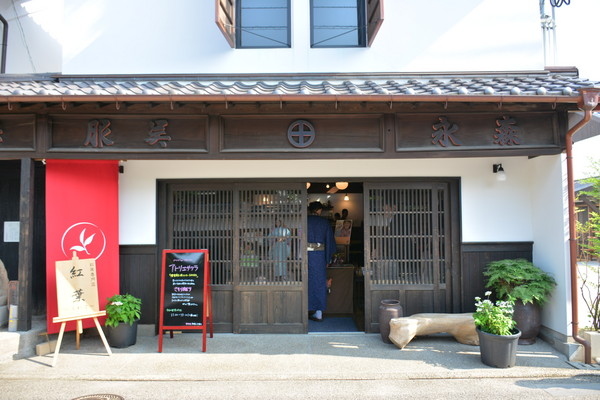
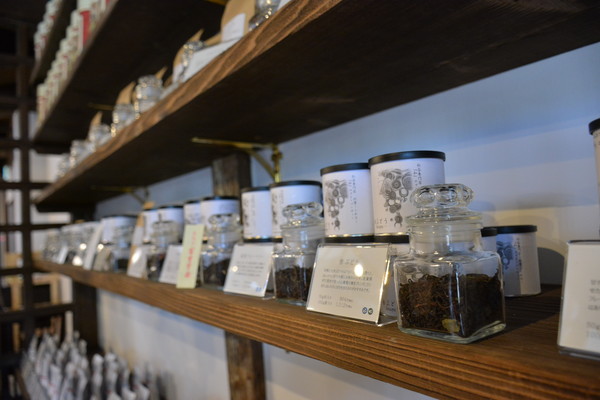
▲ There’s a huge variety of teas to choose from at Red Leaves. (Photo by Reporter Li Zi Yi)
Red Leaves Tea Specialty Shop
Red Leaves is another shop housed in a renovated historic building, specializing in a wide range of teas — so much so that it’s been dubbed the “shop with the most varieties of tea in Saga.” It’s the perfect place for tea lovers. Though the space is small, it’s packed with various types of tea. Aside from buying tea, you can also sit down for afternoon tea. The owner carefully pairs different sweets with suitable teas, enhancing the overall flavor experience.
Free Attractions
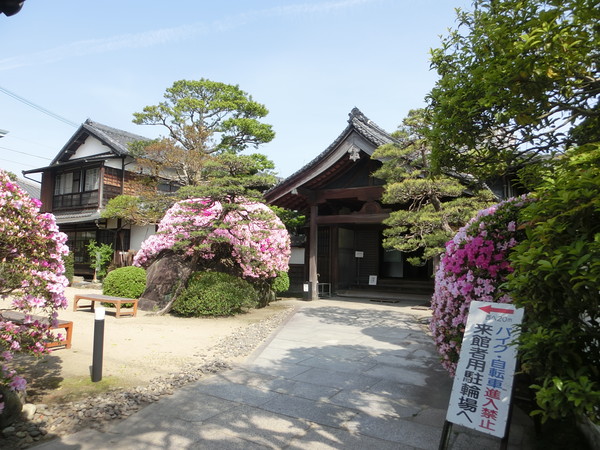
▲ The Former Koga Residence makes for stunning photos. (Photo provided by Cola Travel)
Former Koga Residence
The Former Koga Residence is an important cultural property of Saga City, with a history of 130 years. It’s now open to the public for free. The residence features both inner and outer Japanese gardens and traditional corridors that pair beautifully with kimonos — every angle is photogenic and full of old-world charm. Nearby, you can also explore other historic sites such as the Former Ushijima Residence, Former Fukuda Residence, Former Sansei Bank, Former Kufu Residence, and Former Morinaga Residence. They’re all great spots for a stroll and some memorable photos.
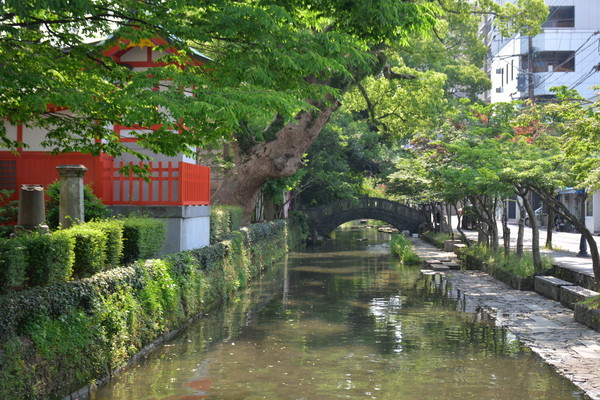
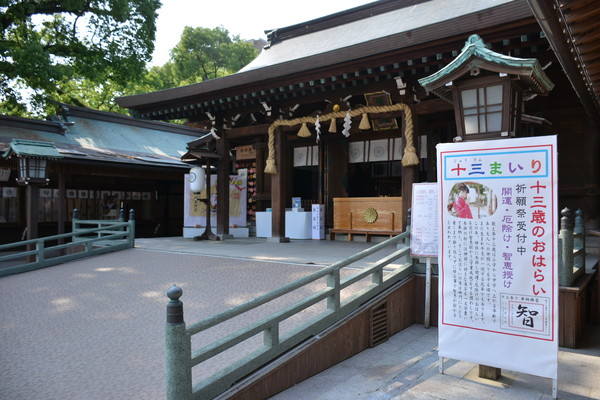
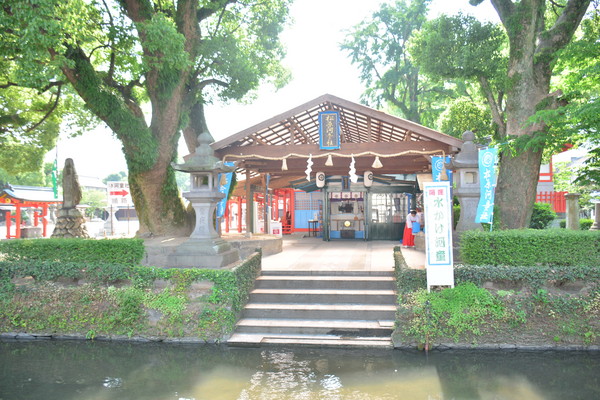
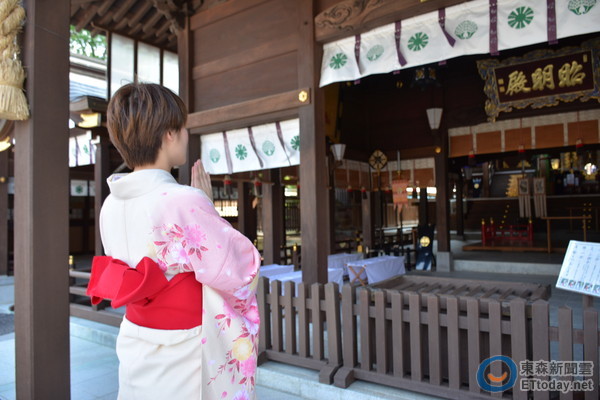
▲ Saga Shrine houses seven smaller shrines and also sells omamori (good luck charms). (Photo by Reporter Li Zi Yi)
Saga Shrine
Saga Shrine primarily enshrines the wise local feudal lord Nabeshima Naomasa from the end of the Edo period, along with seven smaller shrines. As you approach the shrine, you’ll be greeted by classic Japanese scenery of small bridges, flowing water, and lush trees — every corner is incredibly photogenic. The shrine is especially known for prayers related to academics and safe travel. Those seeking love or good fortune in relationships are also welcome to visit. By praying at all seven smaller shrines, you’ll cover all your bases for blessings.
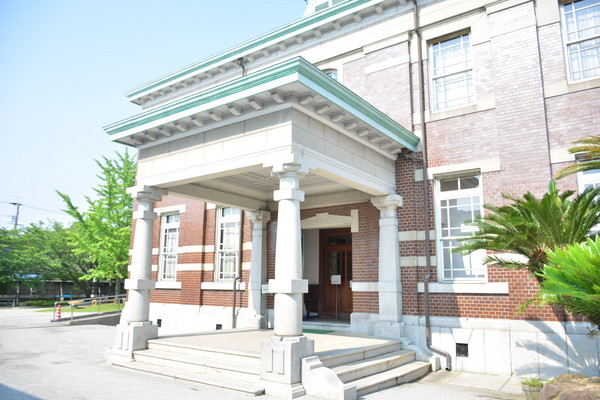
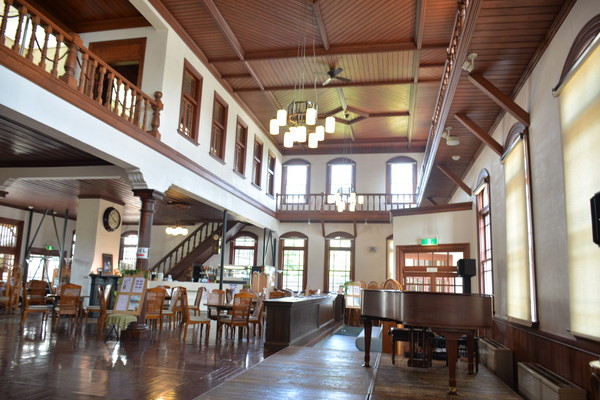
▲ The Former Koga Bank reminds many of the scenes from the Studio Ghibli movie “The Wind Rises.” (Photo by Reporter Li Zi Yi)
Former Koga Bank
Established during the Meiji period, the Former Koga Bank was once highly prosperous and even earned the title of one of Kyushu’s top five banks. It is now designated as an important cultural property of Saga City. The site displays many historical bank documents, ceramics such as Arita ware, and other artifacts, all available for free viewing by visitors. If you get hungry while exploring, there’s also an affiliated restaurant called “Romanceza” that serves lunch and afternoon tea.
Share
This article is published by HowToTrip. Sharing and reposting are welcome — please credit the source.
Article URL: https://www.howtotrip.net/views-6643
Related Articles
- Shaoxing's "Grandpa Gourd" hangs the gourds back up: "If there are too many people, we'll interact less — just take a quick look from afar"
- Chinese authorities announce "reciprocal adjustment" to Japan visa fees — single-entry visa jumps from 2,250 to 16,750 yen!
- The "health stones" carried by a traveler were found to have radiation levels exceeding safety limits by a thousand times, potentially endangering fellow passengers on the same flight. Customs issues warning!
- Shenzhen Airport Issues Late-Night Notice: Unidentified Aerial Object Detected, Causing Widespread Flight Delays!
- “They only said it cost money after I opened the box and washed it!” 200g of grapes sold for 60 yuan on a high-speed train—12306 responds!
- Can't buy an airline ticket? Denied exit? Blocked from boarding? A large number of Chinese tourists have mysteriously become "discredited individuals"
- Adverse weather and economic fluctuations impact Colombia's coffee market
- Beach bathing area responds to 2 yuan/30 seconds fee for freshwater foot rinsing: Clearly priced!
- Taking off with an improperly closed cabin door? Wing malfunction? Multiple flights made emergency returns mid-journey!
- Experience the gifts of nature! A countdown of the world’s ten most stunning coastlines