Showa Memorial Park is located in Tachikawa City, Tokyo, and is perfect for visitors of all ages. We spent a relaxing and enjoyable afternoon there with both kids and seniors.
From areas around the Yamanote Line in Tokyo, take the JR to Nishi-Tachikawa Station, which takes about an hour. The JR exit leads directly to the Nishi-Tachikawa entrance of Showa Memorial Park.
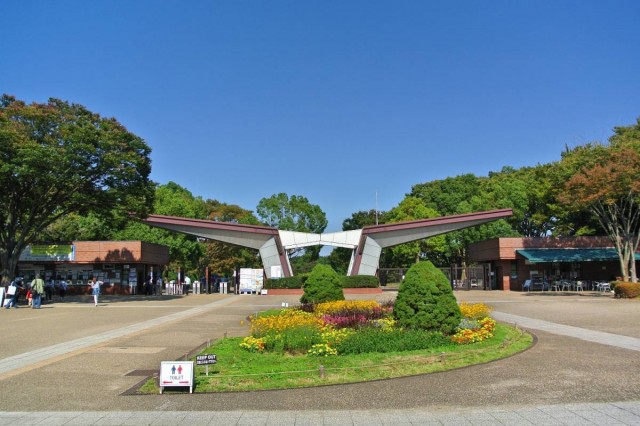
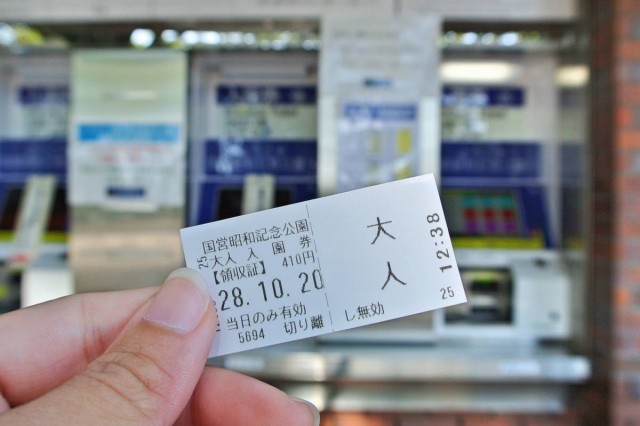
The adult admission fee is 410 yen, but children under 15, seniors, and foreigners can enjoy discounted rates. Just show your ID upon entry. Children’s tickets are 50 yen.
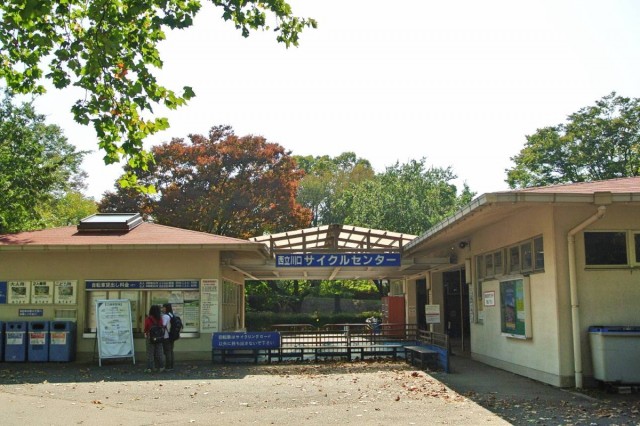
The park is very spacious, and you can get around by bicycle. However, bikes are only allowed on designated cycling paths. For adults, a 3-hour rental is 410 yen, and 20 yen for children. But we didn’t rent any this time.
Actually, the park has a park train. A one-way adult ticket is 310 yen, but the one-day pass is more cost-effective at 510 yen. We got off at the station right in front of the entrance because it was crowded, so the train wasn’t running.
We visited in October during autumn, and the weather was great. This is the Waterfowl Pond.
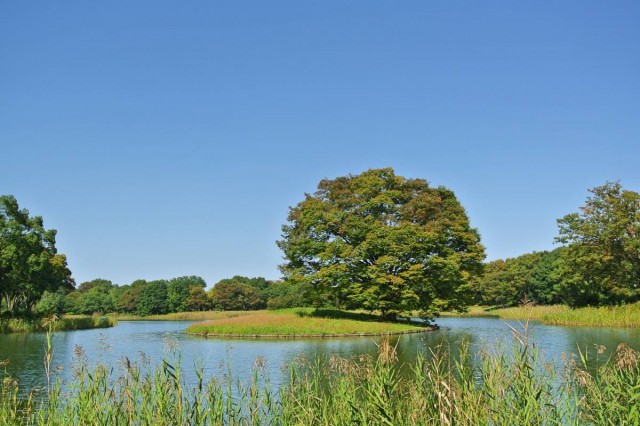
We strolled along the pond and saw visitors mingling harmoniously with wild ducks, resting together—a really charming scene.
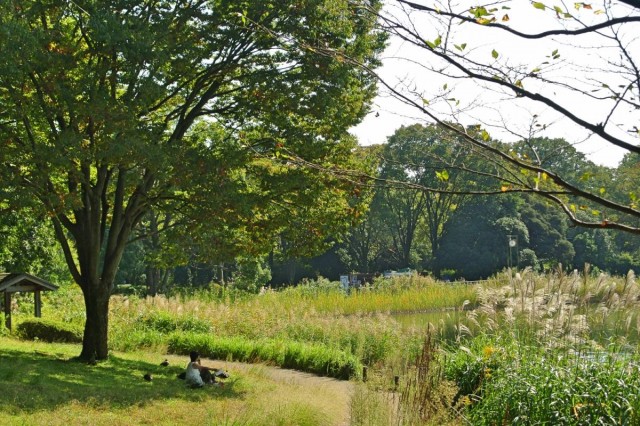
On the other side of the Waterfowl Pond is the Lotus Pond. If it were covered with lotus flowers, it would surely be stunning.
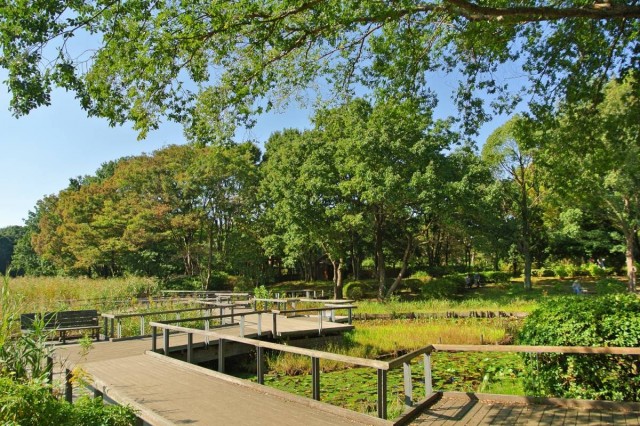
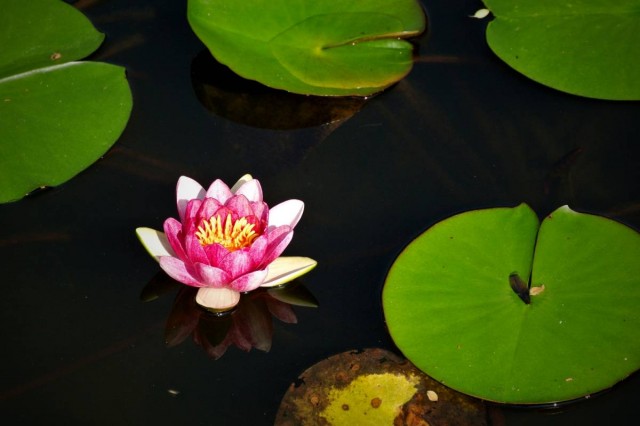
Although it was already autumn, we could still spot a few lotus blooms. But that wasn’t the highlight today...
It was the cosmos flowers instead. At the park entrance, there’s daily bloom information. Cosmos season is quite long, from late September to early November. There are three cosmos fields here. This is one of them—the “Hara-Ppa Nishi Hanazono”—with 800,000 flowers. It blooms the latest, usually from late October to early November. On the last day of the season, you can even pay to join a flower-picking experience. According to the bloom update, these were not yet in full bloom.
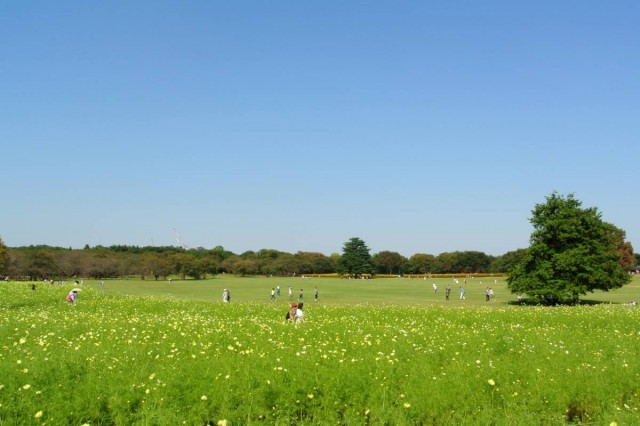
This level of bloom is considered not yet open. If they were in full bloom, they’d definitely be gorgeous.
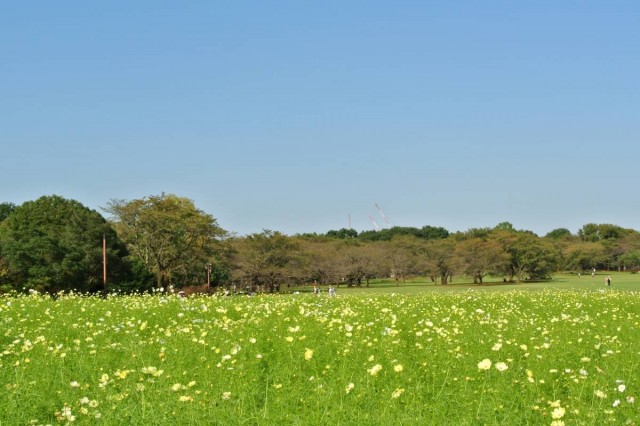
These are white and light yellow cosmos. With the right angle, even the not-yet-bloomed field can yield beautiful photos. [ Click here to view IG video ]
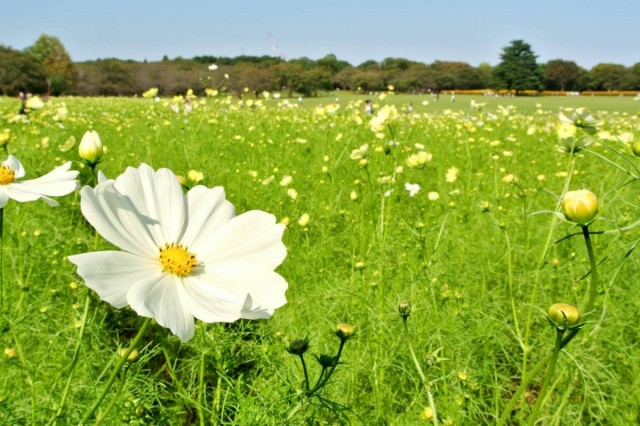
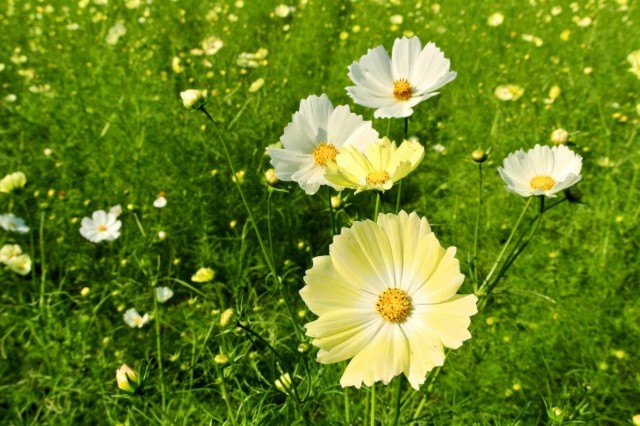
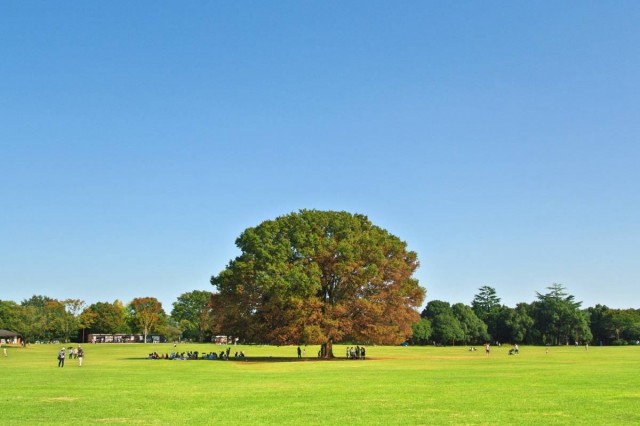
Next, we headed to the next flower field, passing through “Minna no Hara-Ppa,” a large grassy area with a very eye-catching zelkova tree where visitors were having picnics under it.
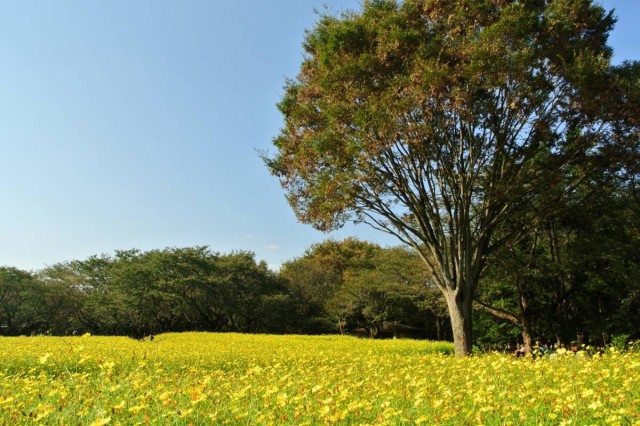
On the other side of the grassland is the “Hara-Ppa Higashi Hanazono,” mainly featuring yellow and orange cosmos. This is the earliest blooming field, and by now, it was in full bloom—with 700,000 flowers. It was incredibly beautiful and magnificent.
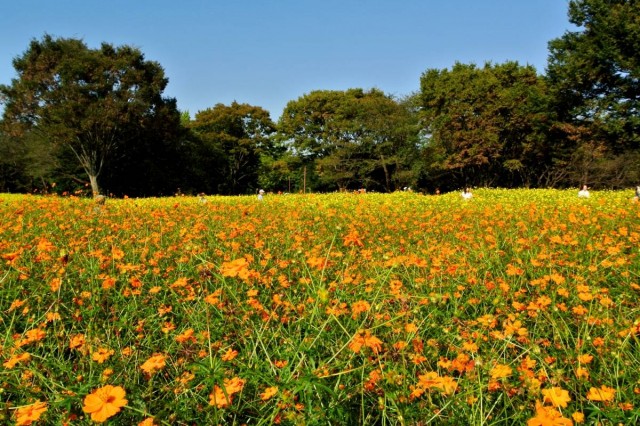
The flower field resembled a maze, with people weaving through it and taking photos everywhere. [ Click here to view IG video / Click here for YouTube introduction ]
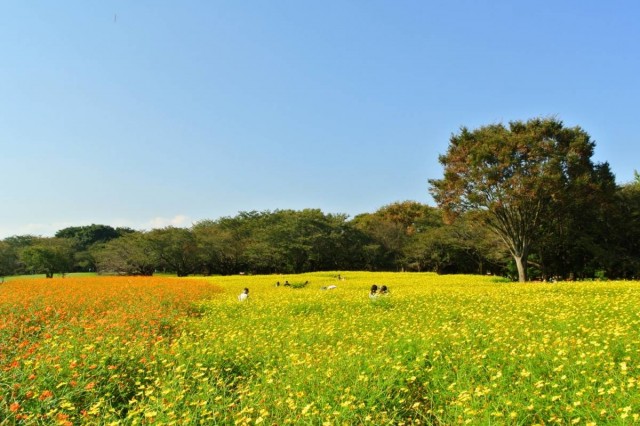
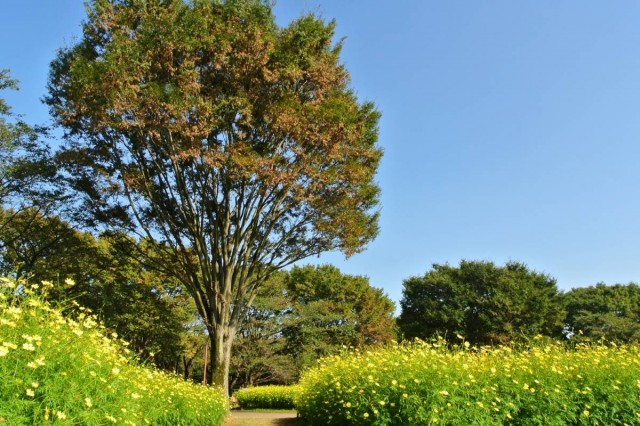
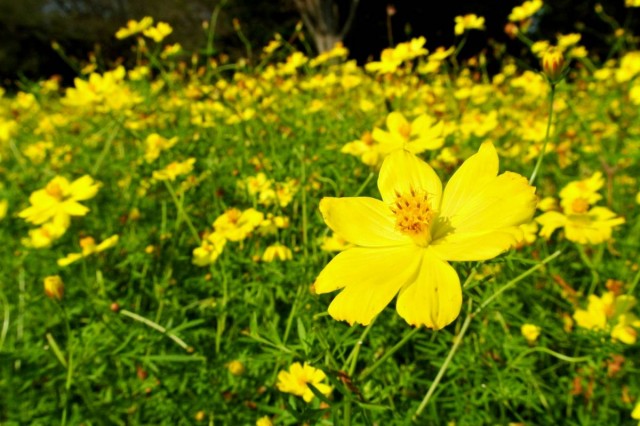
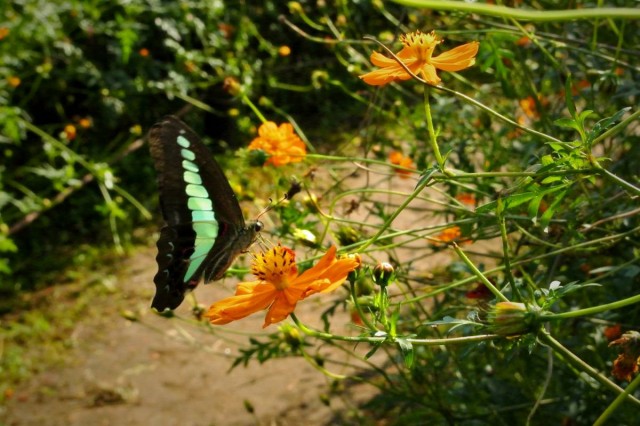
700,000 fully bloomed flowers look absolutely stunning, a golden-yellow landscape like a masterpiece.
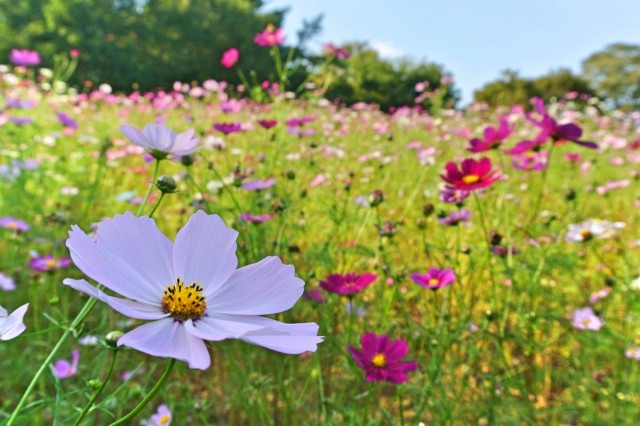
We didn’t want to leave the blooming cosmos field, but then moved on to the last flower field—“Hana no Oka,” which mainly features pink cosmos. Due to climate warming, this field is supposed to bloom around mid-October. When we arrived, it was indeed mid-October, but only about 10% had bloomed, which felt a bit sparse.
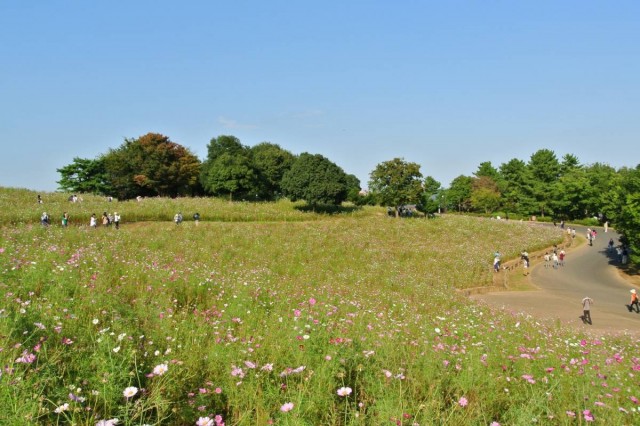
Actually, it was our photography skills that were lacking. Though only 10% of the flowers had bloomed, there were still 400,000 of them. The total count is 4 million, and the area is quite large, so the 10% coverage looked a bit scattered.
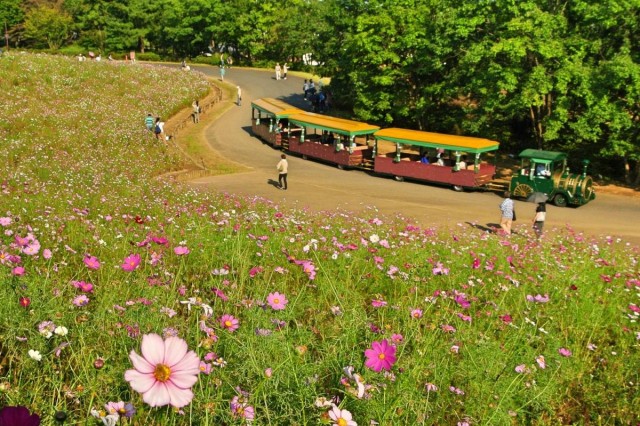
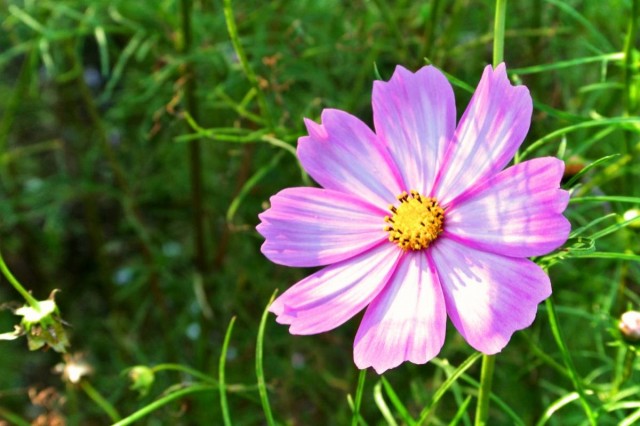
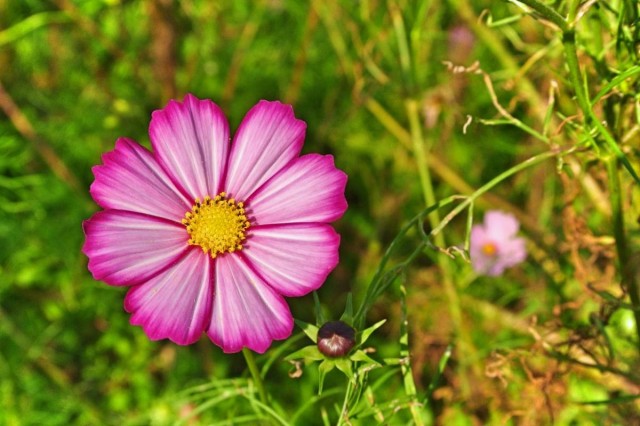
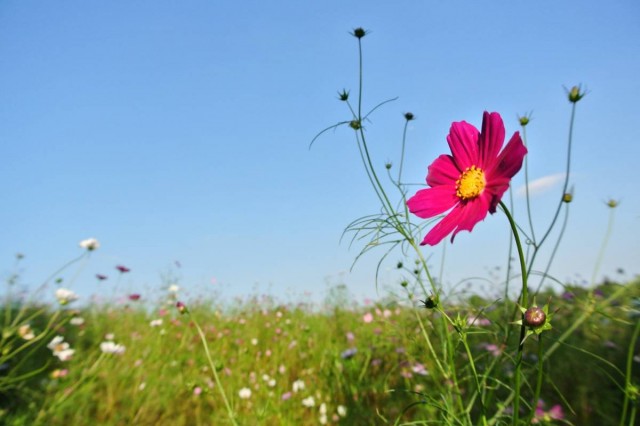
Even the pink cosmos had different shades, so we still managed to get some decent shots.
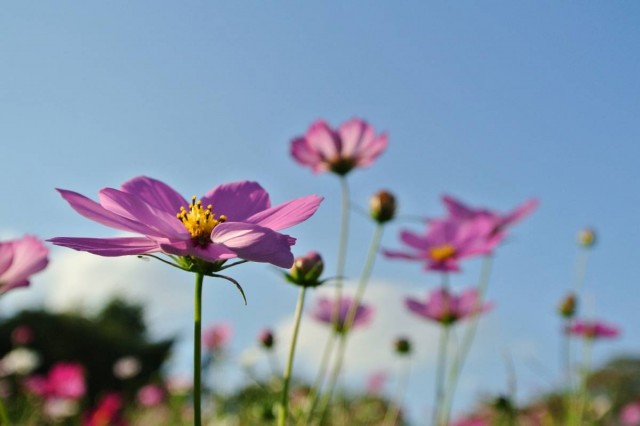
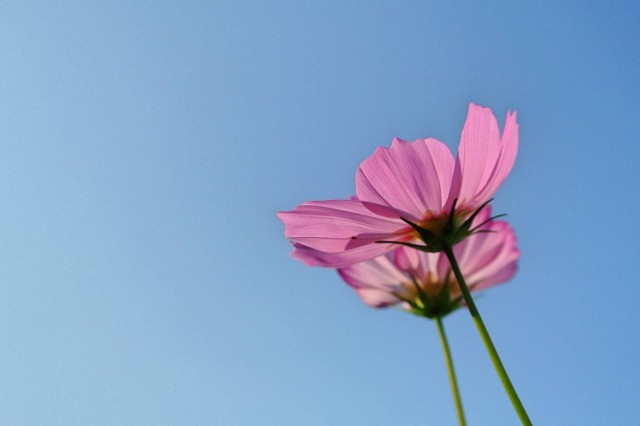
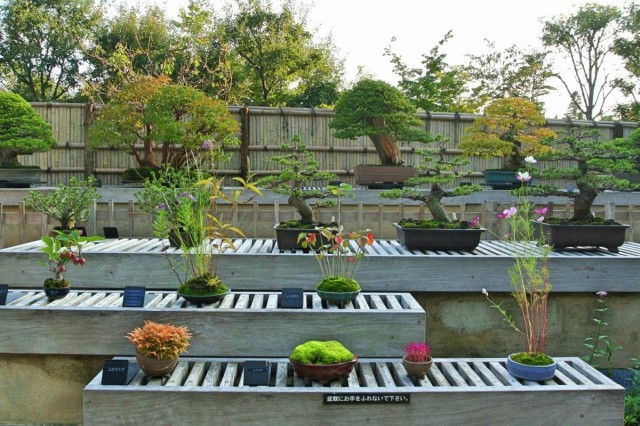
After taking photos and sightseeing for most of the day, our family was tired, and we had achieved our flower-viewing goal, so we headed back to the Nishi-Tachikawa entrance. Along the way, we passed by the Japanese Garden and Bonsai Pavilion and decided to check it out.
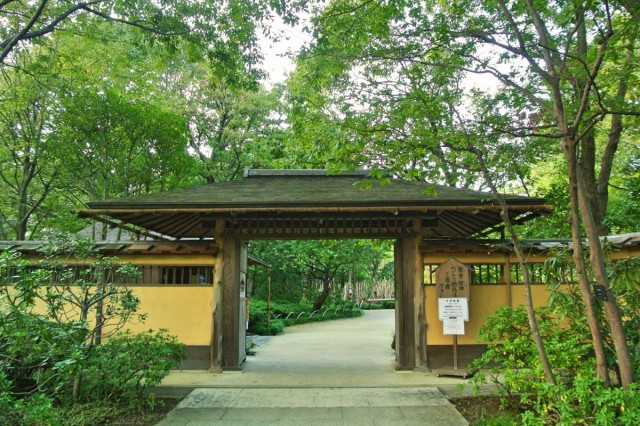
Ever since watching Japanese shows as a kid, I’d always thought Japanese bonsai were exquisite and refined. Seeing them in person was truly an eye-opener.
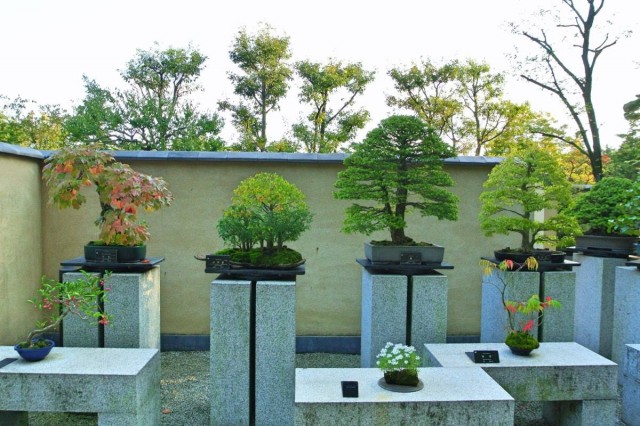
Each bonsai is a miniature world. The one that impressed me most was a tiny maple tree. Normally, you only see huge ones, so Japanese bonsai are truly intricate and amazing to me.
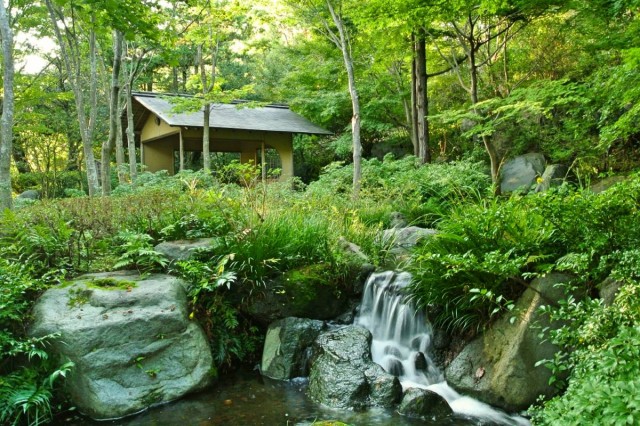
The surroundings of the Japanese garden are also worth exploring. In the shaded areas, you can rest quietly.
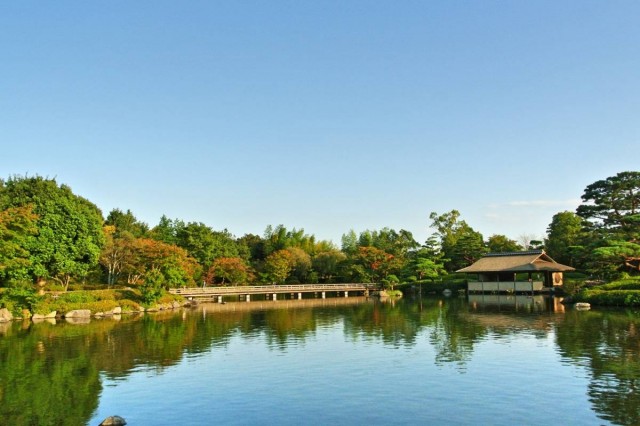
Or walk along the wooden boardwalks by the pond and admire the garden from different angles.
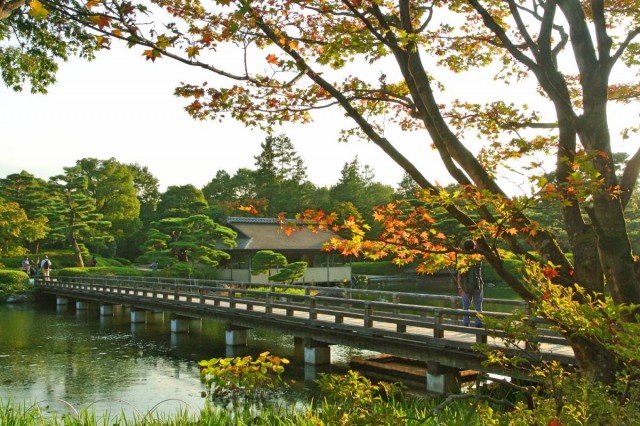
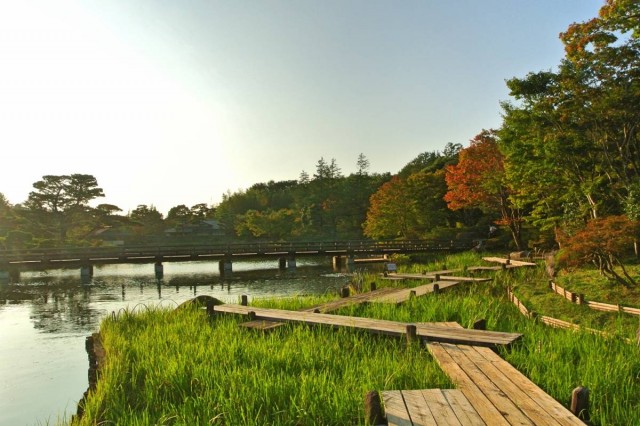
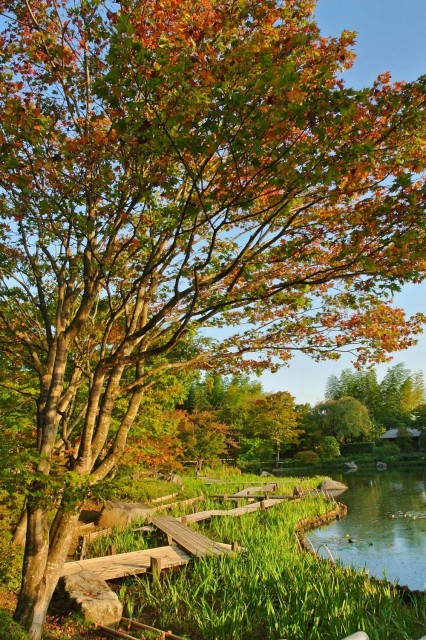
We even spotted a maple tree that had just started changing color. Though officials say the leaves turn red by late October, I’d recommend staying until at least mid-November. Besides the maple leaves, you can also see ginkgo trees. The best time is late November, though it gets more crowded.
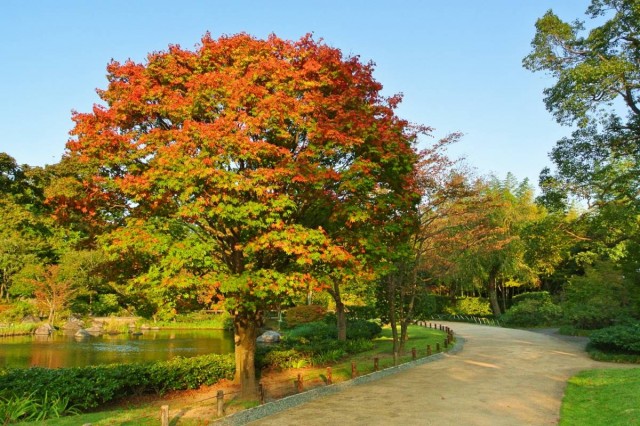
We spent a whole relaxing day with our family here, and there are also shops and restaurants, so we didn’t have to worry about getting hungry. Although it’s a bit off the Tokyo city center, it’s definitely worth a visit. Staying in bustling Tokyo can sometimes make you crave a break from the urban hustle.
If you still have energy, you can exit from the Tachikawa Station. Nearby, there’s an IKEA. Though the menu is similar to what you get in Hong Kong or Taiwan, there are some differences—worth checking out.
Showa Memorial Park official website (Simplified Chinese)?
http://www.showakinen-koen.jp/guide-chinese/schedule-chinese/
【DouDou's Travel Notes】>> FACEBOOK | INSTAGRAM | YOUTUBE |
Having traveled to over 30 countries/regions, lived in Taiwan for a year and a half, spent several months traveling and living in Japan, visited all 47 prefectures, and experienced two months of aurora hunting through work-exchange stays in Canada. Travel articles have been published on EVA Air Travel, U blog, DC fever, likeJapan, now.com, and Travel Bar. Open to collaboration. FB/IG ID: k.doudou