Japanese sake made from two types of Japanese rice—behind it lies a story of generational succession
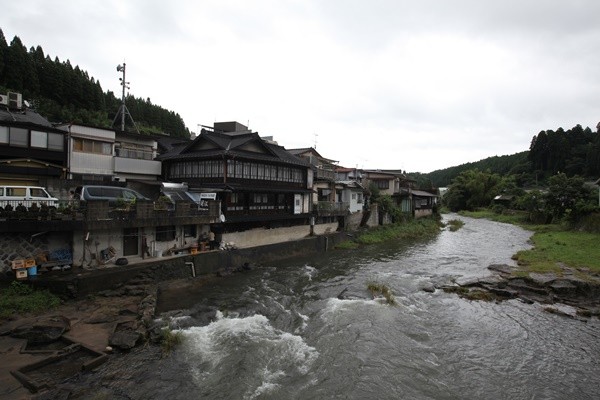
Text & Photos / Joel Fukuzawa
When it comes to sake from Kyushu, "q<酎”,但是大家可能不知道九州的日本酒也相当的有名气,很多人都会有一个观念,日本酒一定要用最好的日本米,而出产日本米最有名的地方,不就在日本东北吗?这个观念,是对也是不对。
● 《ET News Cloud》 reminds you: Don’t drink and drive, and don’t drive after drinking.
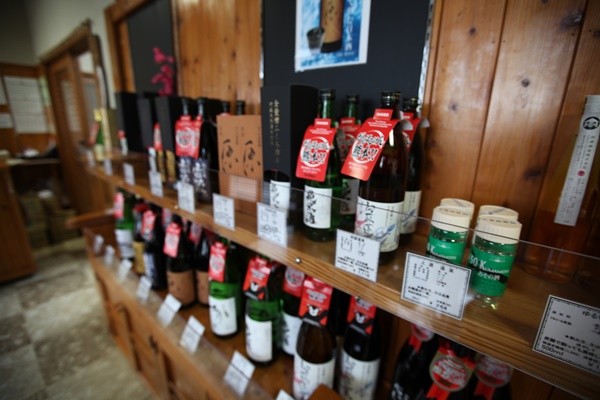
Because not many people know that Kumamoto also has Special A-grade rice:Two varieties of Japanese rice—"Kumamoto Koshihikari" and "Forest Bear"—Sake brewed with these types of Japanese rice is certainly no less impressive than that from other sake breweries in Japan. In fact, the famous ginjo sake, which originated in Kyushu, was first named after the yeast produced in Kumamoto. The very term "ginjo" was coined to mean "sake brewed with repeated careful consideration."
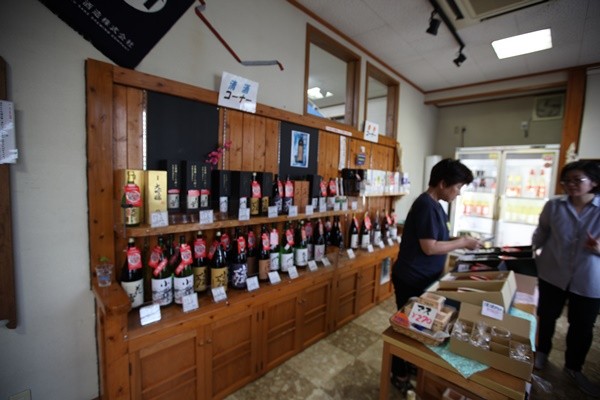
Since Japanese rice can produce such high-quality sake in Kyushu, why is it still relatively unknown and unable to surpass the fame of q<酎呢?Kazuaki Kawazu, the third-generation owner of Asou Houraisan, explains the reason behind this: "Actually, sake and food culture are deeply connected. Back then, there were only nine breweries making sake across all of Kyushu because the regions suitable for brewing sake were limited to areas north of Kumamoto Prefecture. South of Kumamoto, the climate isn’t conducive to brewing sake, which thrives in cooler air.Additionally, Kyushu’s food culture is predominantly meat-based. Light, fragrant sake pairs better with seafood, but it loses out to the bold flavors preferred by Kyushu locals who favor red meat."<酎,这也是九州的日本酒声势没有q<酎那么强烈的原因。”
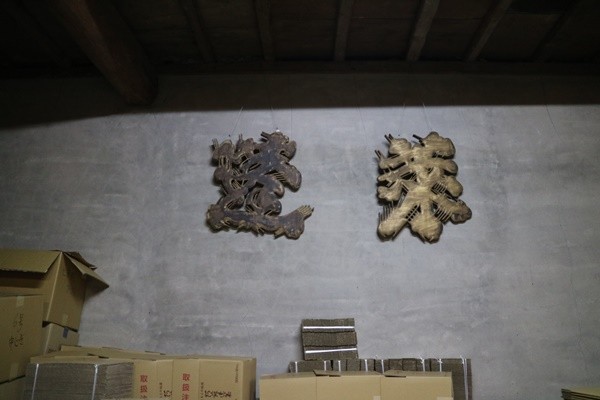
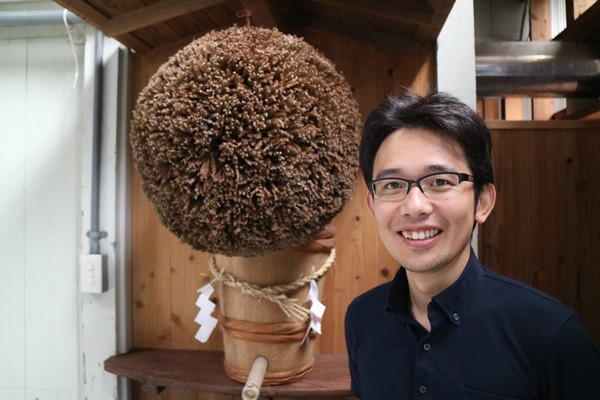
Kazuaki Kawazu is the only son of Asou Houraisan, but he originally had no intention of taking over the family business. Instead, he pursued a career in IT, and after graduating, he joined an international telecommunications company. During that time, he thought he’d never have anything to do with his family’s business. However, the Great East Japan Earthquake, tsunami, and nuclear disaster in 2011 drastically changed his life. At the time, he had just gotten married, and his wife was expecting their first child. Living in Tokyo, they soon realized that nuclear radiation was an inescapable nightmare, especially since his wife, who was from Sendai in northeastern Japan, was particularly sensitive and anxious about radiation news and effects.
At the time, Kawazu was already a mid-level key employee at the company, handling one or two major projects. But the thought of his wife and child’s safety forced him to reconsider whether he had reached a critical juncture in life where he needed to make a choice.
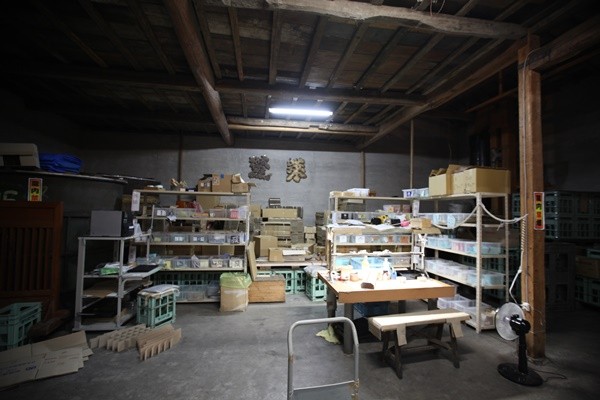
So, he asked the company for a one-month leave to return to his family’s brewery and see if it would be possible to come back to work there. When he got home, he found that although the brewery had history and preserved some very valuable yeast strains, the overall environment and facilities needed improvement—for example, temperature and humidity control, floor cleanliness, and more. He spent a month renovating the brewery, hoping that even though it wasn’t large, it could be small yet exquisite, with everything well-maintained.
He introduced Germany’s most advanced high-temperature floor cleaning machine because even the tiniest bacteria could ruin the entire brewery. He also pointed out an important point: "In the past, people thought female brewers weren’t allowed in sake breweries due to sexism. But that wasn’t the case. Historically, most field workers in Japan were women, and they often brought bacteria from the fields on their hands. If those bacteria mixed with the sake yeast, it could destroy the entire batch." His explanation helped overturn the long-standing misconception about gender discrimination.
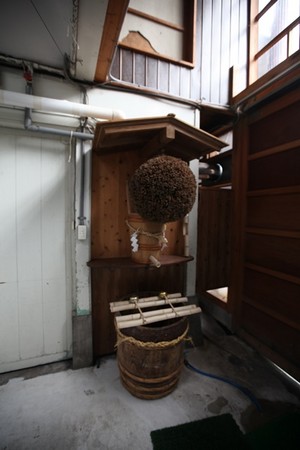
With his new ideas, Kawazu breathed new life into Asou Houraisan. Their sake finally earned the National Sake Gold Award in 2014. Asked if he or his family had trouble adjusting when he first returned to the countryside, he smiled and said: "At first, my wife was hesitant about moving to a place where the streets go pitch dark after 7 p.m., but seeing our children grow up in a safe, clean environment made it all worthwhile." A man who gave up a million-dollar salary to protect his family from nuclear radiation, returned to his hometown to revive a traditional industry, and helped it shine again—his story makes you truly believe that hard work and perseverance will never be forsaken by fate.
● 《ET News Cloud》 reminds you: Don’t drink and drive, and don’t drive after drinking.
Share
This article is published by HowToTrip. Sharing and reposting are welcome — please credit the source.
Article URL: https://www.howtotrip.net/views-6105
Related Articles
- Shaoxing's "Grandpa Gourd" hangs the gourds back up: "If there are too many people, we'll interact less — just take a quick look from afar"
- Chinese authorities announce "reciprocal adjustment" to Japan visa fees — single-entry visa jumps from 2,250 to 16,750 yen!
- The "health stones" carried by a traveler were found to have radiation levels exceeding safety limits by a thousand times, potentially endangering fellow passengers on the same flight. Customs issues warning!
- Shenzhen Airport Issues Late-Night Notice: Unidentified Aerial Object Detected, Causing Widespread Flight Delays!
- “They only said it cost money after I opened the box and washed it!” 200g of grapes sold for 60 yuan on a high-speed train—12306 responds!
- Can't buy an airline ticket? Denied exit? Blocked from boarding? A large number of Chinese tourists have mysteriously become "discredited individuals"
- Adverse weather and economic fluctuations impact Colombia's coffee market
- Beach bathing area responds to 2 yuan/30 seconds fee for freshwater foot rinsing: Clearly priced!
- Taking off with an improperly closed cabin door? Wing malfunction? Multiple flights made emergency returns mid-journey!
- Experience the gifts of nature! A countdown of the world’s ten most stunning coastlines