Chicken-egg-sized "honey dates" look so delicious — but eating half could be fatal
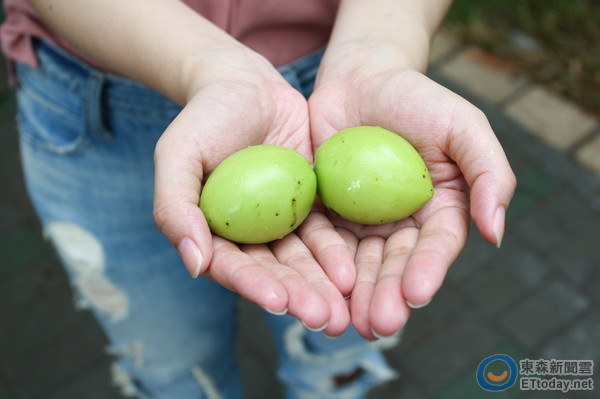
▲ Unripe cerbera manghas fruit, which looks very similar to edible honey dates. (Photo / Reporter Chen Ruizhong, same below)
Reporter Chen Ruizhong / Taoyuan Report
"Why are there so many dates on the ground with no one eating them? What a waste!" Many people walking along coastal roads often spot numerous green, milk-honey date-like fruits on the ground or hanging from trees, making them tempted to try one. But beware — these are the highly toxic "cerbera manghas," and eating them by mistake could be deadly.
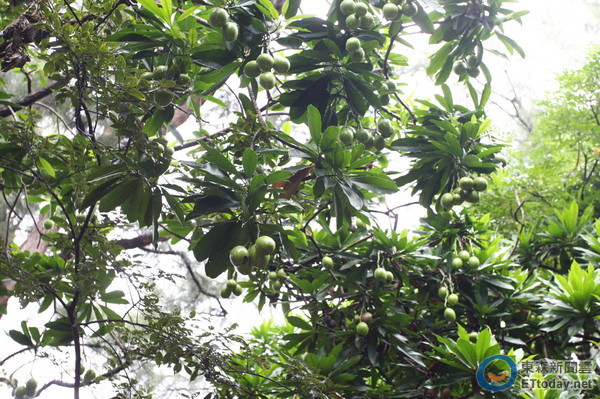
▲ Cerbera manghas trees heavy with fruit.
Cerbera manghas trees, which bloom with white flowers every spring and summer, can grow up to 7–8 meters tall. From July to December each year, the trees bear emerald-green fruits about the size of chicken eggs. When ripe, they turn purplish-red and hang distinctly on the branches, looking quite beautiful.

▲ Warning signs are often posted near cerbera manghas trees to alert the public.
When unripe, the fruit resembles a honey date, and when ripe, it looks like a small mango — both are mouthwateringly appealing. But in fact, every part of the cerbera manghas tree is toxic, especially the fruit, which can cause vomiting, breathing difficulties, cardiac arrest, and more. Eating just half could be fatal. Therefore, warning signs are commonly posted near these trees. Whenever children curiously pick them up, adults nearby often shout warnings like "This is poisonous, don't eat it!" — fearing potential accidents.

▲ Cerbera manghas trees are commonly seen along the coastal bike path in Xinzhuang, Taoyuan.
Although the cerbera manghas fruit is toxic, it is also hardy and visually attractive, so it is often chosen as a street plant or planted in coastal parks. For example, during the 2016 Taoyuan Land Art Festival held at Xinzhuang Coast in Taoyuan, many artworks were displayed near cerbera manghas trees. Travelers are advised to admire the exhibits without picking or eating the fruits to avoid poisoning.
Share
This article is published by HowToTrip. Sharing and reposting are welcome — please credit the source.
Article URL: https://www.howtotrip.net/views-5655
Related Articles
- Shaoxing's "Grandpa Gourd" hangs the gourds back up: "If there are too many people, we'll interact less — just take a quick look from afar"
- Chinese authorities announce "reciprocal adjustment" to Japan visa fees — single-entry visa jumps from 2,250 to 16,750 yen!
- The "health stones" carried by a traveler were found to have radiation levels exceeding safety limits by a thousand times, potentially endangering fellow passengers on the same flight. Customs issues warning!
- Shenzhen Airport Issues Late-Night Notice: Unidentified Aerial Object Detected, Causing Widespread Flight Delays!
- “They only said it cost money after I opened the box and washed it!” 200g of grapes sold for 60 yuan on a high-speed train—12306 responds!
- Can't buy an airline ticket? Denied exit? Blocked from boarding? A large number of Chinese tourists have mysteriously become "discredited individuals"
- Adverse weather and economic fluctuations impact Colombia's coffee market
- Beach bathing area responds to 2 yuan/30 seconds fee for freshwater foot rinsing: Clearly priced!
- Taking off with an improperly closed cabin door? Wing malfunction? Multiple flights made emergency returns mid-journey!
- Experience the gifts of nature! A countdown of the world’s ten most stunning coastlines