Stay overnight at a shrine / Surrounded by forest, Ise Grand Shrine serves incredibly fresh seafood
Photos & Text by / uQ Nakachiku HiroshiFrom Owl Publishing’s "Stay Overnight at a Shrine"
The usual route for visiting Ise Grand Shrine is from the Outer Shrine to the Inner Shrine
The official name of Ise Grand Shrine is simply referred to as “The Shrine,” which includes the “Kotai Jingu” (Inner Shrine), “Toyouke Daijingu” (Outer Shrine), along with fourteen auxiliary shrines, 109 subordinate and minor shrines, and affiliated shrines, totaling 125 shrine sites.
The general route for shrine visits has traditionally started from the Outer Shrine. Take the JR Yamada Line or Kintetsu Yamada Line and get off at “Ise-shi Station.” After a about seven-minute walk through the town in front of the shrine gates, you’ll enter the Outer Shrine’s sacred grounds.
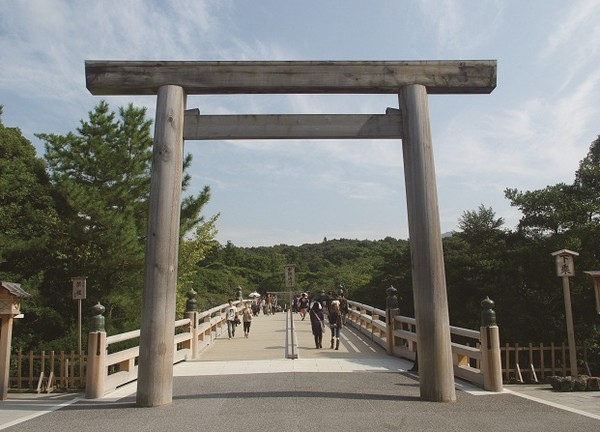
The deity enshrined at the “Outer Shrine” is “Toyouke no Omikami.” The character “toyou” refers to food, making Toyouke no Omikami the deity of food and grains. Revered as the guardian of food, clothing, shelter, and industry, this deity is widely worshipped. It is said that in the 22nd year of Emperor Yuryaku’s reign (478 AD), the shrine was moved from Hirugi no Mine no Hara in Tanba Province to its current location in Ise Yamada, marking the origin of the Outer Shrine.
Traveling from the Outer Shrine to the Inner Shrine takes about fifteen minutes by bus. However, if you get off at the bus stop “Shrine Hall Front,” one stop before “Ise Inner Shrine Front,” and stroll along the shopping streets “Miyuki-cho” and “Migishita Lane” (an alleyway), your enthusiasm for the “Ise pilgrimage” may grow even stronger. At the “Inner Shrine,” the deity enshrined is the imperial ancestral god “Amaterasu Oomikami.” This name is an honorific title used when respectfully addressing the deity, but it is commonly referred to as “Amaterasu Omikami” or “Oomikami.”
The forest surrounding the shrine buildings, composed of fir, pine, hinoki cypress, oak, oak (konara), camphor, and Japanese bay trees, presents a rare northern warm-temperate forest landscape.
A great base for modern Ise pilgrimages
The “Omiyamairei” pilgrimages of the Edo period were acts of gratitude by the Japanese people for the protection they received since birth, expressing thanks for being able to live safely. Back then, walking from Edo to the shrine took fifteen days one way, five days from Osaka, and even longer from the Tohoku or Kyushu regions. Especially during the “Omiyamairei Year” celebrations held once every sixty years, millions of worshippers would flock to the shrine.
Even today, the number of visitors to Ise Grand Shrine continues to rise year by year, and among them, many are likely drawn to the atmosphere of this sacred site, which has been surrounded by beautiful forests since ancient times.
For those wishing to undertake such a “modern Ise pilgrimage,” staying at the “Shrine Hall” is extremely convenient — it’s just a five-minute walk to Uji Bridge. Operated by the Ise Grand Shrine Worship Association, the Shrine Hall opened in the 59th year of the “Shikinen Sengu” (periodic rebuilding ceremony), which began in autumn 1952 and has been in operation ever since.
In addition to the main and west buildings that offer lodging, the Shrine Hall grounds also include facilities such as the Ise Shrine Sumo Arena, Ise Shrine Archery Field, and Ise Shrine Rose Garden, making it suitable for group events such as conferences, seminars, and sports camps.
One of the hall’s features is the exhibition area introducing the shrine and the Sengu (rebuilding) process, located in a corner of the West Building lobby and along the connecting corridor between the two lodging buildings. Additionally, the shop in the Main Building lobby sells a wide variety of Ise Grand Shrine-related goods, including books, photo collections, altars, ritual implements, and hanging scrolls — probably nowhere else has a more comprehensive selection.
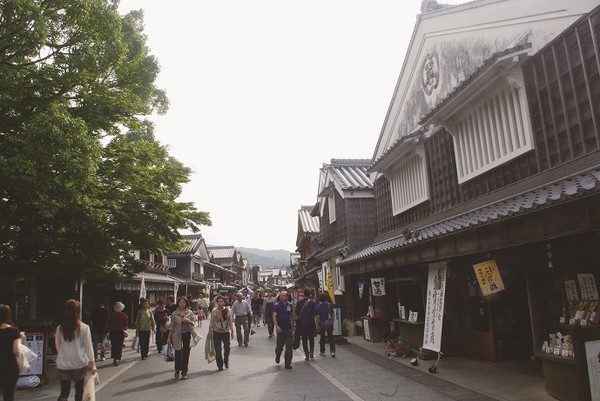
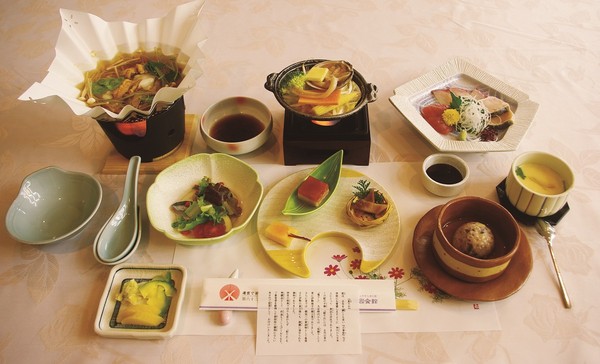
Enjoying a delicious dinner made with fresh fish from Ise-Shima is a delightful experience. At the same time, it’s highly recommended to join the “Early Morning Shrine Visit Tour” hosted by the lodge. Departing from in front of the lodge at 6:30 AM every day, the approximately one hour and forty-minute tour is led by staff from the shrine lodge and even takes you through the less-crowded inner sanctuary of the Inner Shrine — an experience only possible when staying within the grounds of Ise Grand Shrine.
[Shrine Hall]
Address: 152 Uji-no-nakakiri-cho, Ise, Mie Prefecture
Phone: 0596-22-0001
Access: Take the Outer and Inner Shrine Loop Bus from “Ujiyamada Station” on the Kintetsu Yamada Line, “Ise-shi Station” on the Kintetsu Yamada Line / JR Sakurai Line, or “Izumisawa Station” on the Kintetsu Toba Line, and get off at “Shrine Hall Front.” Alternatively, take a taxi from any of these stations.
Accommodation Fees: Japanese-style room with bath in the Main Building: ¥9,450–¥17,850; Western-style room with bath in the Main Building: ¥10,500–¥17,850; Japanese-style room without bath in the West Building: ¥7,350–¥14,175. (All prices include two meals per night and tax). Fees vary depending on the number of guests and type of meal. Additional charges apply for breakfast-only options or rooms without meals, as well as for children and for stays between December 31 and January 3.
Share
This article is published by HowToTrip. Sharing and reposting are welcome — please credit the source.
Article URL: https://www.howtotrip.net/views-29335
Related Articles
- Shaoxing's "Grandpa Gourd" hangs the gourds back up: "If there are too many people, we'll interact less — just take a quick look from afar"
- Chinese authorities announce "reciprocal adjustment" to Japan visa fees — single-entry visa jumps from 2,250 to 16,750 yen!
- The "health stones" carried by a traveler were found to have radiation levels exceeding safety limits by a thousand times, potentially endangering fellow passengers on the same flight. Customs issues warning!
- Shenzhen Airport Issues Late-Night Notice: Unidentified Aerial Object Detected, Causing Widespread Flight Delays!
- “They only said it cost money after I opened the box and washed it!” 200g of grapes sold for 60 yuan on a high-speed train—12306 responds!
- Can't buy an airline ticket? Denied exit? Blocked from boarding? A large number of Chinese tourists have mysteriously become "discredited individuals"
- Adverse weather and economic fluctuations impact Colombia's coffee market
- Beach bathing area responds to 2 yuan/30 seconds fee for freshwater foot rinsing: Clearly priced!
- Taking off with an improperly closed cabin door? Wing malfunction? Multiple flights made emergency returns mid-journey!
- Experience the gifts of nature! A countdown of the world’s ten most stunning coastlines