Travel in a hotel room / Old cargo hold lodging Walls “covered in facial stains”
Text and photos by Ding Yi Excerpted from HowToTrip’s “Travel in a Hotel Room” published by Times Publishing
About Ding Yi
A passionate enthusiast of design, writing, music, architecture, photography, and travel, Ding Yi loves backpacking and has been engaging in in-depth travel around the world for years, with footsteps covering over fifty countries. Through the perspectives of various creators—musicians, writers, architects, painters, designers, poets, composers, photographers—he glimpses the subtle hidden glow of hotel rooms and detects unique flavors.
Dubbed by Cheers magazine as a “dizzyingly diverse creative genius,” Ding Yi is a columnist for PLAY and has also written advertising and design articles for Brain Magazine. Currently the Executive Creative Director at Publicis Bangkok, his ten-year portfolio of advertising work has earned over two hundred international and local creative awards, with his advertisements featured in major international creative award yearbooks and design magazines worldwide.
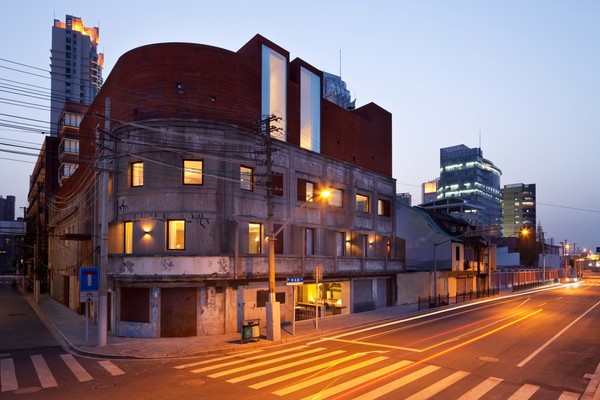
“Are you sure this is the right street?” The old Shanghai dialect-speaking driver gave a skeptical look: “It doesn’t look like a hotel at all.”
Stepping out of the taxi and surveying the three-story old building with the same gaze, to be honest, if I hadn’t personally spotted the hotel’s logo mounted on that rust-stained wall panel, I’d never have recognized this place as the stylish boutique hotel hailed by Condé Nast Traveler as having the best design.
Walking into the hotel lobby, there’s absolutely none of the grandeur of a five-star hotel—it looks more like an art gallery, as if you’ve wandered into a painter’s studio. That vast, appalling expanse of shattered columns and crumbling walls, masterfully transformed by Neri&Hu, the design firm co-founded by Lyndon Neri and Rossana Hu, is infused with postmodern installation art flair, with hints of the shocking techniques of provocateur Damien Hirst, whose iconic work features an 18-foot tiger shark preserved in formaldehyde in a glass case, titled “The Physical Impossibility of Death in the Mind of Someone Living.”
Spatial sculptures with dreamlike curves
The old building was originally a warehouse in 1930s Shanghai. The floor is paved with bricks engraved with names or old shop signs, each telling a different life story. As the hotel is located near the Huangpu River’s southern Bund waterfront, the female owner whimsically nicknamed it “Water House.”
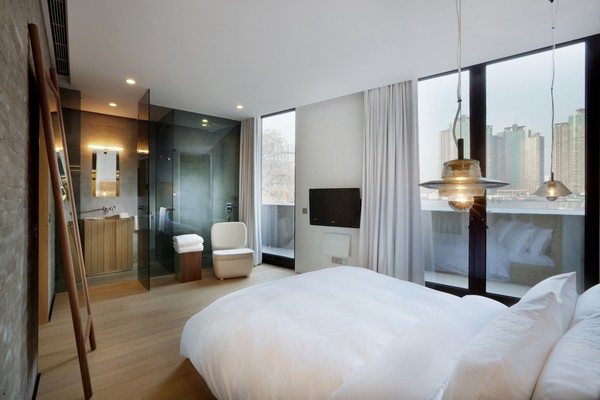
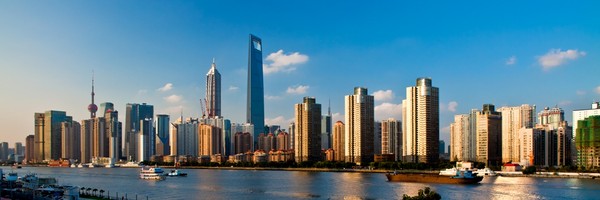
My room was a riverside suite, among the nineteen suites in the hotel, boasting the most picturesque window view. The other three types are balcony rooms, atrium rooms, and Bund-view rooms, each with its own unique scenery. That reminds me—E.M. Forster’s famous novel A Room with a View also features the heroine swapping hotel rooms with the hero just for the view.
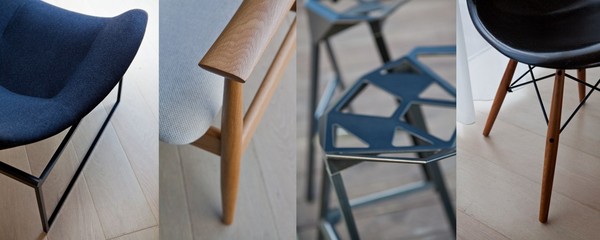
Outside the window lies the Shanghai Bund and the layered night view of Pudong; inside, every piece of furniture—a bed, desk, chair, and daybed—is a design masterpiece, especially the collection of twenty-one classic chairs scattered throughout the hotel, including a 1940s-style barber’s chair placed on the first-floor corridor overlooking the lobby.
Chairs may seem ordinary, but they embody industrial design, aesthetic philosophy, material culture, and fashion all in one. I’m particularly fond of Australian designer Marc Newson, whom Time magazine named one of the 100 most influential people in 2005, calling him “the man who makes the world’s dreamlike curves.”
His Lockheed Lounge chair sold for $1.5 million at Christie’s, making it the most expensive chair in the world. He once bent a 100-ton block of marble into a chair. No one believed stone could become a comfortable seat, but Newson did it—and he believes chairs should integrate into interior structures, becoming sculptures within the space.
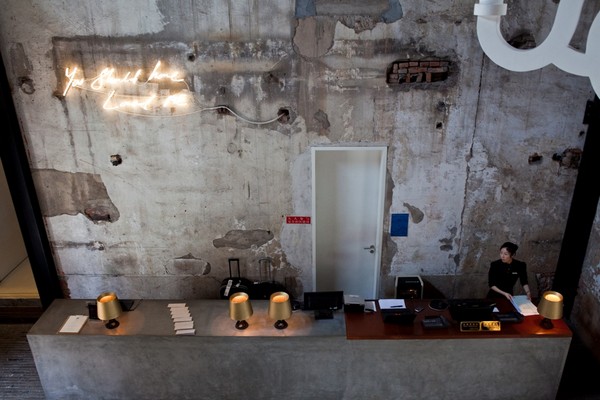
Following the same philosophy, the spatial design of Water House is meticulously crafted. The corridors are often adorned with graffiti, somewhat mysterious, with snippets of text adorning glass doors, floors, stairways, and columns. Words crawl across the hotel’s decor, quietly casting nets of meaning over passing guests. The stain-covered old walls are all part of the design ingenuity, where old and new coexist without competing for dominance.
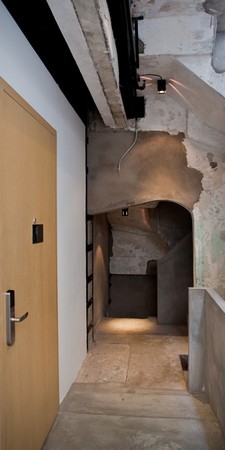
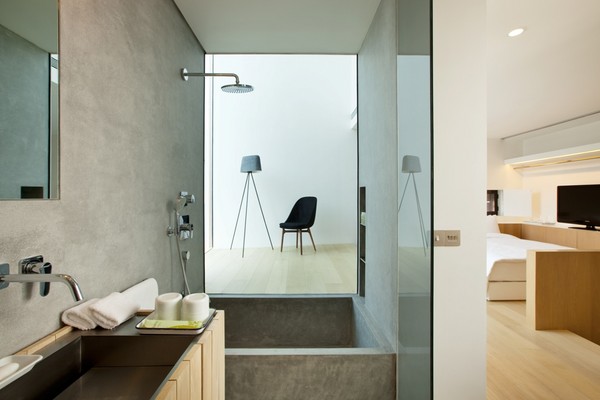
Opening the door beside the broken wall reveals a whole new world. With minimalist design principles, the room is dominated by wood and white tones, requiring no excessive decoration or bright colors. The furniture is simple and sleek, with windows at varying heights, plus a Studio Job-designed lamp, two Finn Juhl sofa chairs, and an Arne Jacobsen low table—the entire bedroom exudes a cool Bauhaus vibe.
Making the best of old things through clever reuse
The corners of the hotel often lead to delightful surprises. Near the elevator, for instance, hides a worn staircase that descends step by step through a nostalgic time tunnel, emerging right at the hotel’s Western restaurant, Table No1. Long, rough dark wooden tables paired with black-clothed chairs evoke a European rural home aesthetic, yet the atmosphere also reflects the traditional long-table customs of Shanghai’s old neighborhoods. Villagers would gather around one table, sharing food while chatting—turning the dining table into a space for emotional connection. Western dining emphasizes personal space, but Eastern warmth and friendliness are most evident at the table. From another perspective, the long table actually brings guests closer together.
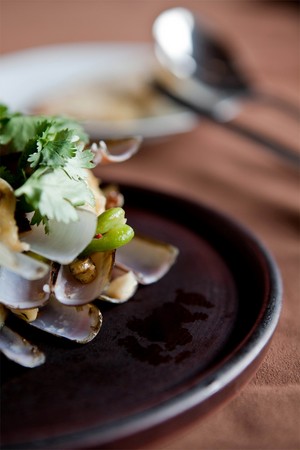
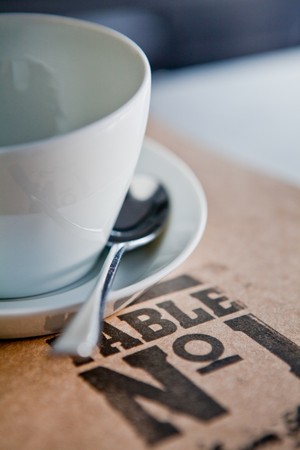
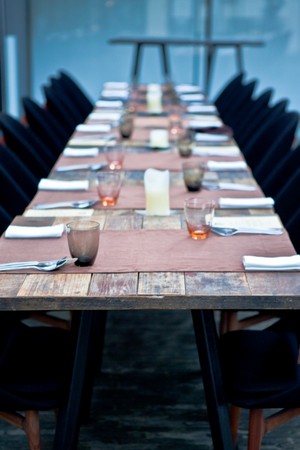
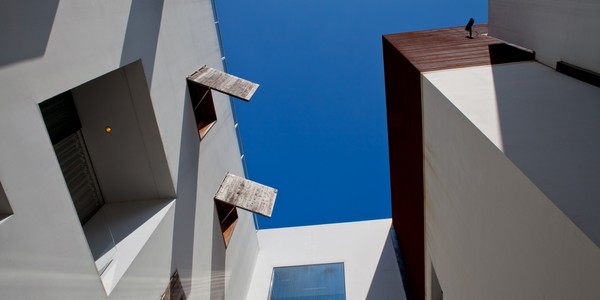
The Western restaurant’s dishes focus on creative cuisine, blending Eastern and Western cooking methods with a mix of old and new ingredients. One dessert called Fruits & Flowers features lychee mousse paired with olive oil fruit jam and sage, making it impossible to stop at just one bite. Near another exit of the restaurant is an open-air atrium, perfect for daydreaming after a meal. Looking up, wooden windows and doors of various sizes hang mid-air, as if they’ve grown wings and are soaring in the blue sky.
Reflecting on a joke just heard at the table—once, a rookie waiter, when asked by a female guest about the origin of Water House’s name, blurted out: “Because rooms leak when it rains, hence the name.”
This exchange reminded me of American architect Frank Lloyd Wright. Once, a client called to complain that the dining room was leaking, getting guests’ heads wet. After hearing this, Wright simply retorted: “Tell your guests to move their chairs a bit—that’ll fix it.” Wright’s witty remark made me chuckle, and I also admired the rookie waiter for coming up with such a clever reply.
Postmodern human landscapes
Many historic hotels do well in preserving historical spirit and humanistic elements, but few can retain a specific piece of historical hardware and seamlessly integrate it with modernism. Water House’s bold, avant-garde exterior is truly jaw-dropping. In Asia, perhaps only Tokyo’s Nani Nani Building can compare. Designed in 1989 by French enfant terrible Philippe Starck, the building’s first visitor upon completion was the client, who upon seeing it exclaimed: “Nani? Nani?” (Japanese for “What is this?” expressing astonishment.)
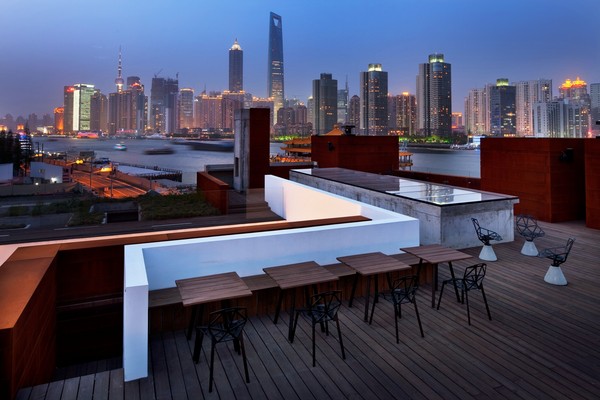
Climbing to the third floor, there’s also a small iron ladder leading directly to the rooftop balcony bar. Sipping red wine under the setting sun, the... (text garbled) ...old tiles reflect the setting sun, casting a golden hue over everything. The rooftop becomes a place for sharing emotions. Western dining emphasizes individual space, but Eastern warmth and friendliness are most easily expressed at the table. From another angle, the long table actually shortens the distance between guests.
Closing my eyes, I can almost hear the echo of 7pm. Looking down from above at the south bank of the Huangpu River, Water House, nestled between the Bund and Pudong, is truly the junction of old and new. The past and future connect here, and through the creation of Water House, the ancient and modern are allowed to highlight each other.
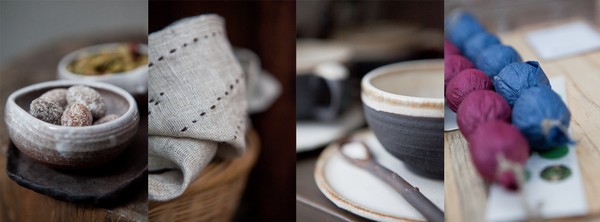
[Waterhouse at South Bund – Fashion Design Hotel]
Address: No. 1-3 Maojiayuan Road, Huangpu District, Shanghai, China 200011 (Old Port, Lane 479, South Zhongshan Road)
Phone: +86-21-60802988
Email: info@unlistedcollection.com
Website http://waterhouseshanghai.com/
Visit date October 2011
Room number River Suite 31
Share
This article is published by HowToTrip. Sharing and reposting are welcome — please credit the source.
Article URL: https://www.howtotrip.net/views-29318
Related Articles
- Shaoxing's "Grandpa Gourd" hangs the gourds back up: "If there are too many people, we'll interact less — just take a quick look from afar"
- Chinese authorities announce "reciprocal adjustment" to Japan visa fees — single-entry visa jumps from 2,250 to 16,750 yen!
- 旅客携带的“保健石”核辐射超标千倍,同机人员或遭殃!海关提醒!
- 深圳机场深夜通报!出现不明升空物,航班大面积延误!
- “拆盒洗了才说要钱!”高铁200克葡萄卖60元,12306回应!
- 买不了机票?出境被拒?登机被拦?一大波中国游客莫名成了“失信人”
- 不利天气和经济波动影响哥伦比亚咖啡市场
- 海边浴场回应冲脚淡水收费2元/30秒:明码标价!
- 舱门没关好就起飞?机翼出现问题?多个航班途中紧急折返!
- 感受大自然的馈赠!盘点世界十大唯美海岸线