Lemon preserves born from standing up for justice spread across the streets of Hong Kong
Text and photos by Ng Ka Fai, excerpted from "Hong Kong Old Flavors: 50+ Hidden Lane Stores of Hong Kong Locals" published by Mook Magazine
Through a simple pack of unassuming lemon preserves, one can witness the subtle human warmth of Hong Kongers who stand up for what's right—everything is encapsulated in Lemon King.
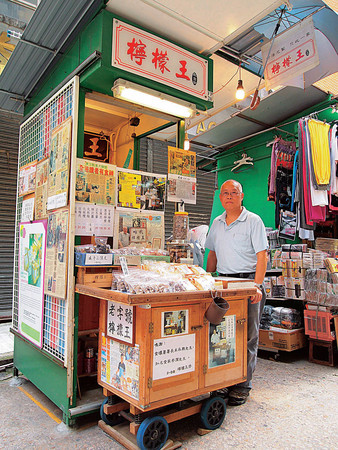
The story of Lemon King may not be a household name in Hong Kong, but it gained some recognition after appearing in the news. The protagonist is Mr. Tong King Pui, who, in the 1970s, moved his family from his ancestral home in Zhongshan to Macau during China’s opening up, and eventually came to Hong Kong in search of opportunities.
In the beginning, due to lacking a license, he was often arrested. By 1972, he finally obtained a street vendor license and set up shop on Wing Kut Street in Sheung Wan, neighboring the still-unrelocated Luk Yu Teahouse. At that time, many tea house patrons would stop by for a bite after finishing their dim sum, and gradually, the lemon preserves gained a great reputation, even earning him the title of "King." What was once an unnamed street stall became known as "Lemon King."
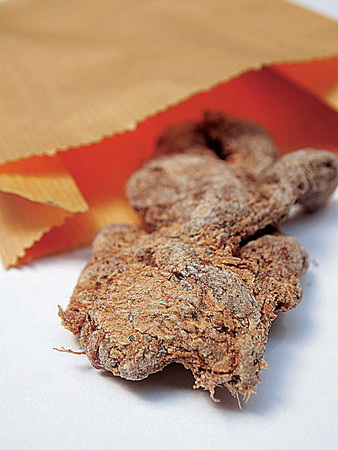
Celebrities, politicians, and business elites all love Lemon King
Mr. Tong led Lemon King through over thirty years of changes into the new century. Even in his eighties, as his health declined, he only took Sundays off. No matter the wind, sun, or rain on other days, he insisted on keeping the stall open. Such dedication was all for his long-time regular customers, especially those Hongkongers who had emigrated abroad—every time they returned to Hong Kong, they would bring back several pounds for personal use or as gifts. Lemon King thus became a nostalgic symbol of Hong Kong, and how could Mr. Tong dare to retire?
His son, Tong Sung Chiu, originally worked at a large corporation and looked down on the small-scale wooden cart business. But later, upon learning of his father’s dedication, and also experiencing the warmth of the customers while occasionally helping out, he decided to take over so his father could retire and rest. This ensured the continuation of Lemon King’s flavor and that customers wouldn’t lose a beloved food memory. Family businesses being passed from father to son is nothing unusual, but the problem lay in the street vending model. Hong Kong street vendor licenses are not inheritable—if the person is gone, the license is gone. As a result, Tong Sung Chiu’s Lemon King became an illegal operation, frequently prosecuted, and eventually even the decades-old wooden cart was confiscated. The business was no longer viable, and Lemon King disappeared from Wing Kut Street.
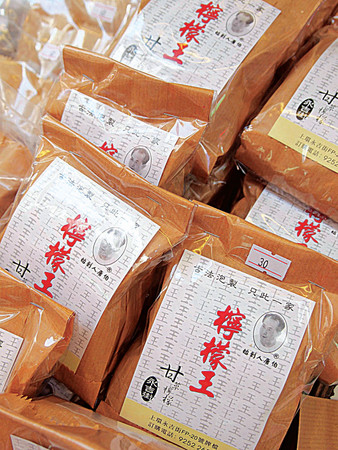
Later, they encountered Jerry Chan, the super food critic in Hong Kong’s culinary industry, who, out of kindness, went to great lengths to track down the Tong family after being unable to buy Lemon King. After learning the full story, he wrote an open letter to the government in his column. Once published, it caused quite a stir—not only did the media follow up, but it turned out that many celebrities, politicians, business elites, and legislators were also fans of Lemon King. Together, they signed a petition asking the government to make an exception. The government finally reissued the license, and Lemon King returned to Hong Kong in 2008. Unfortunately, the wooden cart that had fought battles alongside Mr. Tong in the old days was nowhere to be found and couldn’t return with him, which became a regret.
What captured the loyalty of so many celebrities was the genuine quality of Lemon King. While others used Sunkist lemons, they had switched to Thai green lemons years ago, loving their thin skin that reduced bitterness. After pickling and drying, the fibers remained tender and not overly dry or fibrous. They also used less sugar, resulting in a mildly sweet taste that still highlighted the freshness of the lemon. The included packet of licorice powder could be added to taste, not only giving the lemon a subtly sweet and lingering aftertaste but also offering heat-clearing, phlegm-reducing, and cough-relieving benefits.
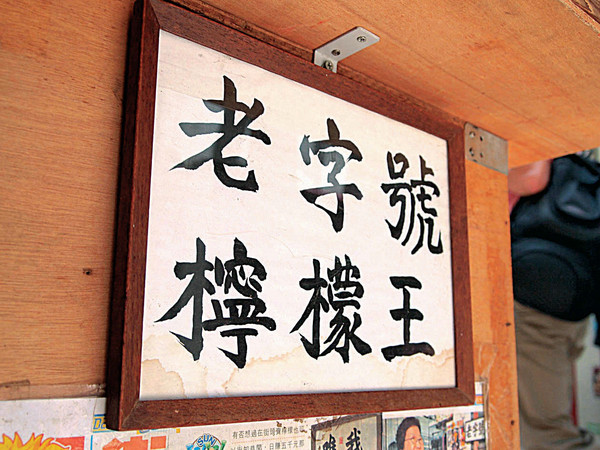
They also loved their winter ginger, which could warm the stomach, relieve coughs, and drive away the cold. For those prone to stomach issues like me, eating it helped alleviate pain more effectively than medicine, so I often stopped by for a visit. During shopping trips, you’d often meet other regular customers who would praise the place, especially after Lemon King returned to Wing Kut Street—alongside compliments, there were also many words of encouragement, showing true human warmth.
So I recommend that everyone consider Lemon King as a thoughtful gift. What you bring home isn’t just a traditional delicacy, but also a bit of Hong Kong’s warmth in this indifferent world.
[Lemon King]
Address: Wing Kut Street, Central, Hong Kong
Phone: +852-9252-2658
Business hours: 11:00–17:00
Price: Average spend HK$25–HK$50 per person
Celebrity fans: Joey Yung, Gillian Chung
Share
This article is published by HowToTrip. Sharing and reposting are welcome — please credit the source.
Article URL: https://www.howtotrip.net/views-29301
Related Articles
- Shaoxing's "Grandpa Gourd" hangs the gourds back up: "If there are too many people, we'll interact less — just take a quick look from afar"
- Chinese authorities announce "reciprocal adjustment" to Japan visa fees — single-entry visa jumps from 2,250 to 16,750 yen!
- The "health stones" carried by a traveler were found to have radiation levels exceeding safety limits by a thousand times, potentially endangering fellow passengers on the same flight. Customs issues warning!
- Shenzhen Airport Issues Late-Night Notice: Unidentified Aerial Object Detected, Causing Widespread Flight Delays!
- “They only said it cost money after I opened the box and washed it!” 200g of grapes sold for 60 yuan on a high-speed train—12306 responds!
- Can't buy an airline ticket? Denied exit? Blocked from boarding? A large number of Chinese tourists have mysteriously become "discredited individuals"
- Adverse weather and economic fluctuations impact Colombia's coffee market
- Beach bathing area responds to 2 yuan/30 seconds fee for freshwater foot rinsing: Clearly priced!
- Taking off with an improperly closed cabin door? Wing malfunction? Multiple flights made emergency returns mid-journey!
- Experience the gifts of nature! A countdown of the world’s ten most stunning coastlines