"Ode to Matsu" as the Wake-Up Call – Nostalgic Memories of a Bumpy Ride on the Taiwan-Matsu Ferry
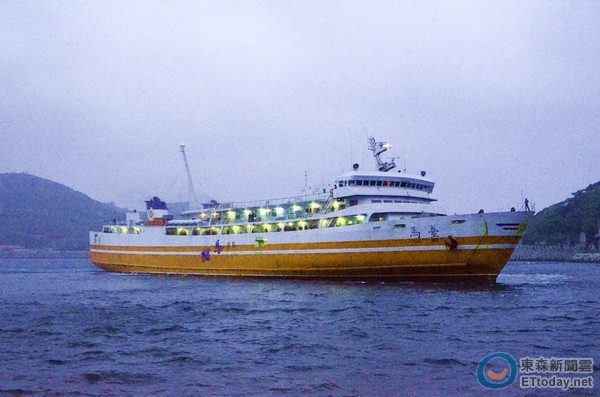
▲ The Taiwan-Matsu Ferry takes eight hours to travel between the main island and Matsu, but it offers a unique experience.
Text & Photography by Chen Tzu-yin
"Are you sure you want to take the Taiwan-Matsu Ferry? It takes eight hours!" Even on the day of departure, my friends were still warning me. Because the airport had been temporarily closed, we were notified the previous day that we had to take a boat at night instead. But perhaps the same childlike determination I had in second grade—when I begged my dad to ride the "Sky Shuttle" at Janfusun Fancyworld—still lingered in me. So I didn’t give up on this trip to Matsu, even if the mode of transport was the "Taiwan-Matsu Ferry," which would sail through the sea all night long; and I thought to myself: how many more chances will I get to board the Taiwan-Matsu Ferry by such an "unexpected" opportunity?
I still remember that night on the ocean, gently swaying and rocking with the waves, which became another unexpectedly delightful memory of this trip to Matsu. A friend from Matsu was waiting for our group of five near the ticket counter. The other passengers preparing to board the Taiwan-Matsu Ferry were more numerous than I had expected, but most of them seemed accustomed to it, chatting casually as they waited to board.
The motion sickness pills I had bought on a whim before departure gave me a sense of "security." To be honest, I was quite excited when I stepped onto the deck. The ship slowly began to move, and I watched the "Star Cruises" ship diagonally ahead and the sparkling lights of Keelung city. At this moment, I was about to leave behind the hustle and bustle of the city. For some reason, I felt a very down-to-earth sensation in my heart.

▲ Leaving behind the noise of the city gave me a sense of peace.
The first thing after ticket inspection was to find my assigned bunk bed. Since graduating from school, who else has slept in one of these "bunk beds"?
Walking to the outer area of the Taiwan-Matsu Ferry’s lower deck, which was pitch dark at night, made me feel incredibly close to the ocean. The passengers and soldiers around me were also enjoying the feeling of being bathed in the sea breeze. Although it wasn’t particularly comfortable, I liked the relaxed atmosphere on the ship—it really had a peculiar kind of "homely coziness." I walked into the dining area, where many passengers without seats were eating instant noodles, sipping drinks, and chatting. I got hungry too and bought a bowl of Yidizan instant noodles—which cost more than usual—and enjoyed it here.
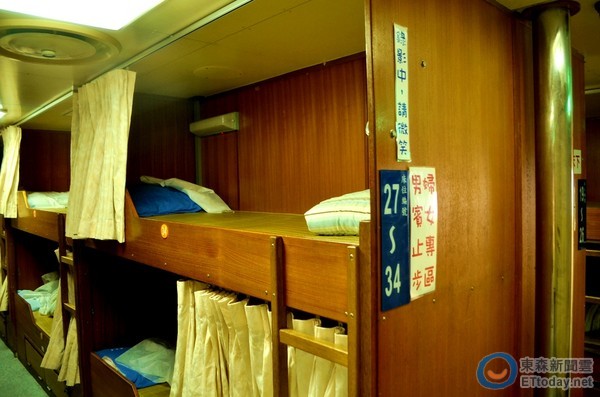
▲ The bunk beds on the Taiwan-Matsu Ferry offer passengers a place to rest.
Perhaps I should consider myself "lucky" for having a bunk bed. When I returned to my "bed," I found that my phone signal had disappeared. But no problem—I actually wanted to get a good sleep anyway. Once I woke up, we’d probably have arrived, right? No, I was wrong. The whole journey was shaky, and my "light sleeper" self woke up several times—once at one o’clock, then two, then three. The rocking of the boat and the occasional sounds of vomiting woke me up. Huh? There were still several hours to go? Well, I guess I’ll just go back to sleep then.
Until the Taiwan-Matsu Ferry’s unique morning wake-up call—“Ode to Matsu”—startled me awake. Hearing it for the first time was a bit startling, but I soon noticed the song was filled with a strong “Matsu flavor.” By the second and third listen, I felt there was even a sense of “homesickness” in the tune. Being woken up by it on the Taiwan-Matsu Ferry, when I thought back after returning to Taiwan, I found myself surprisingly fond of this “Ode to Matsu.”
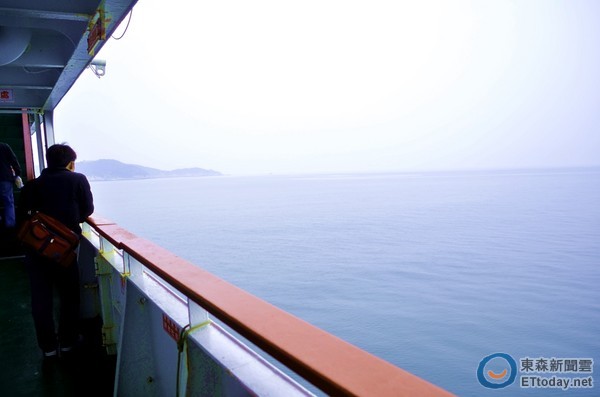
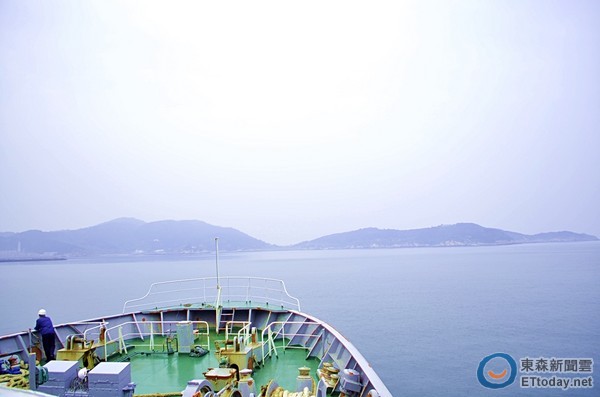
▲ Left: Me, woken up by the "Ode to Matsu," immediately heading to the deck to see the view of the ship approaching the island. Right: Scenery on the deck, echoing with the island.
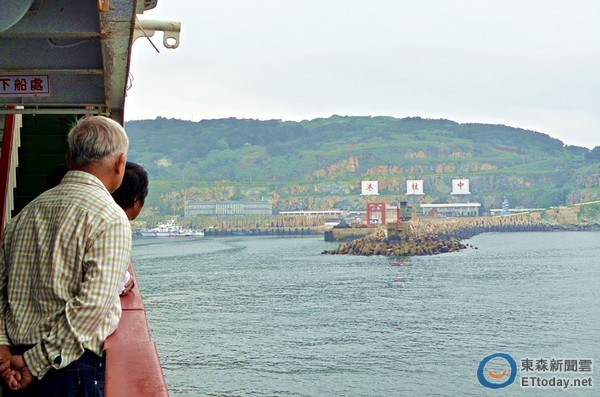
▲ The Taiwan-Matsu Ferry, rich with Matsu's character, is also a transport route from Nangan to Dongyin.
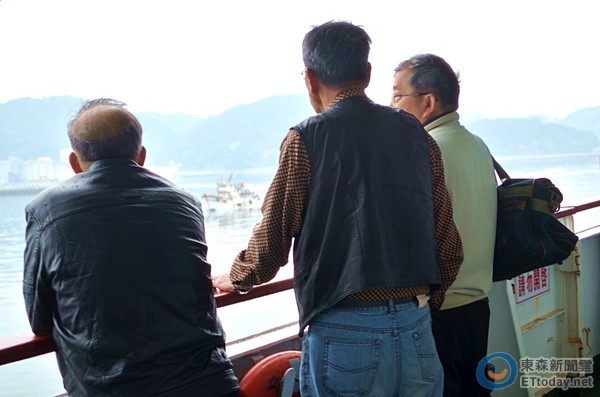
▲ The sea breeze on the Taiwan-Matsu Ferry carries the scent of military history.
People from Matsu are already used to flights being canceled due to fog. For Matsu residents, life is harder than it is for people in Taiwan, and transportation is no exception. Maybe we’ve all grown too accustomed to lifestyles where there’s a bus waiting at the corner of our street or a taxi we can easily hail, forgetting that “any convenience starts with inconvenience.” I’m grateful for that “unexpected” day, because it let me begin to understand Matsu through the “Taiwan-Matsu Ferry.”
Isn’t travel just like that? If you can’t adapt to whatever comes your way, how can you truly appreciate every scenery along the way?
%Inspired by real experiences/strong>
Share
This article is published by HowToTrip. Sharing and reposting are welcome — please credit the source.
Article URL: https://www.howtotrip.net/views-28491
Related Articles
- Shaoxing's "Grandpa Gourd" hangs the gourds back up: "If there are too many people, we'll interact less — just take a quick look from afar"
- Chinese authorities announce "reciprocal adjustment" to Japan visa fees — single-entry visa jumps from 2,250 to 16,750 yen!
- The "health stones" carried by a traveler were found to have radiation levels exceeding safety limits by a thousand times, potentially endangering fellow passengers on the same flight. Customs issues warning!
- Shenzhen Airport Issues Late-Night Notice: Unidentified Aerial Object Detected, Causing Widespread Flight Delays!
- “They only said it cost money after I opened the box and washed it!” 200g of grapes sold for 60 yuan on a high-speed train—12306 responds!
- Can't buy an airline ticket? Denied exit? Blocked from boarding? A large number of Chinese tourists have mysteriously become "discredited individuals"
- Adverse weather and economic fluctuations impact Colombia's coffee market
- Beach bathing area responds to 2 yuan/30 seconds fee for freshwater foot rinsing: Clearly priced!
- Taking off with an improperly closed cabin door? Wing malfunction? Multiple flights made emergency returns mid-journey!
- Experience the gifts of nature! A countdown of the world’s ten most stunning coastlines