【Photography Recommendations】A Complete Guide to South Korea’s UNESCO World Heritage Sites!
By: Xiao Lühai
WheneverSouth Koreais mentioned, what comes to mind first? Shopping? Tax refunds? K-pop stars? Or perhaps dishes like kimchi, grilled meat, and fried chicken? In fact,South Koreais a small country, but it has multiple UNESCO World Heritage Sites scattered from north to south. While you enjoySouth Korea’s modern culture, you might also find the old just as surprising — including some truly breathtaking natural landscapes. How many of the following nine recommendations have you visited?
1. Royal Tombs of the Joseon Dynasty (Seolleung & Jeongneung)
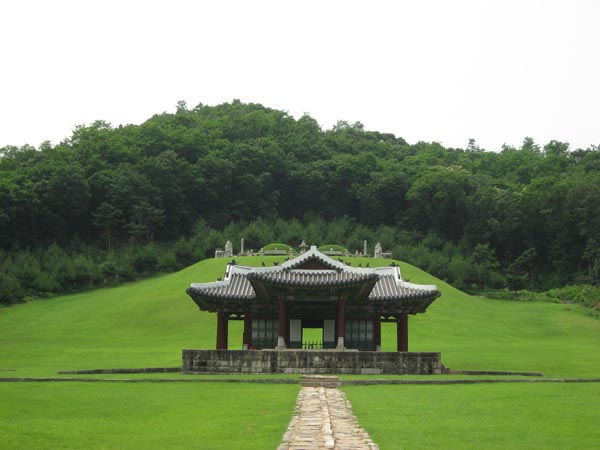
Locatedin Gyeonggi ProvinceandSeoul, the Royal Tombs of the Joseon Dynasty are the burial sites of kings and queens from the 519-year Joseon era, preserved intact to this day. The tombs are mainly distributed acrossSeoul,Gyeonggi Province, andGangwon Province, spanning a total of 18 areas with 40 royal tombs. Although nearly all the kings and queens of the Joseon Dynasty are laid to rest here, the lush green surroundings make it feel more like a tranquil garden.
Address:SeoulSpecial City and surrounding areas ofGyeonggi Province(Seorim Yeojaro Pyeon)
2. Jongmyo Shrine (Jongmyo)
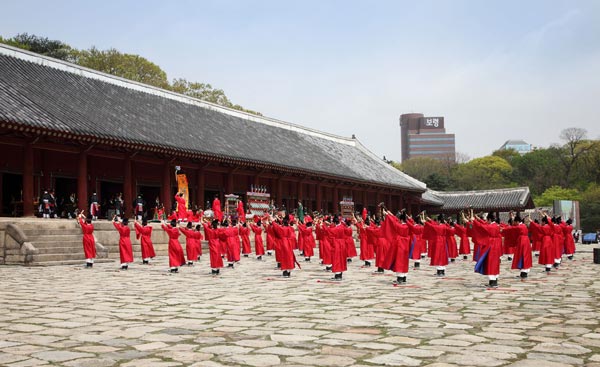
Jongmyo is a Confucian shrine from the Joseon Dynasty, dedicated to the spirit tablets of past kings and queens, as well as posthumously honored royals. With the main hall at its center, it extends outward into seven separate halls — currently the oldest and most well-preserved of its kind in all ofAsiaThe longest ancestral shrine. The Jongmyo Royal Ancestral Ritual was designated as Important Intangible Cultural Heritage No. 56 in 1975, and in 2001, along with the Jongmyo Jeryeak (ritual music), it was inscribed on the UNESCO Representative List of the Intangible Cultural Heritage of Humanity. The shrine itself, together with Bulguksa Temple, Seokguram Grotto, and the Tripitaka Koreana at Haeinsa Temple, was listed as a UNESCO World Cultural Heritage site on December 9, 1995. Major rituals are regularly held at Jongmyo to honor past kings and queens. Through these grand ceremonies, one can witness Korea’s solemn and majestic ancestral rites and ceremonial music culture.
Address:SeoulSpecial City, Jongno-gu, Jongno 157 (???? ????? ??? 157)
3. Seokguram Grotto and Bulguksa Temple (???? ?? ??)

Seokguram Grotto and Bulguksa Temple are among the most beautiful treasures of the Silla Dynasty, built during the Unified Silla period. Located on the mountainside of Mount Toham (745m), which "rises through the clouds," Bulguksa Temple and Seokguram Grotto form the spiritual heart of Silla Buddhism. The serene smile of the Buddha in Seokguram has transcended a thousand years, continuing to bless all sentient beings; meanwhile, the Dabotap and Seokgatap pagodas in Bulguksa symbolize the two great Buddhas, and behind them lies a poignant love story. Both sites were officially registered as UNESCO World Heritage sites in 1995 and enjoy international renown.
Address: North Gyeongsang ProvinceGyeongjuCity, Mount Toham (???? ???? ???)
4. Changdeokgung Palace (????)

Changdeokgung Palace has been the residence and workplace of successive kings starting from King Sejong of Joseon, the ninth monarch, and also served as the main royal palace. In December 1997, Changdeokgung along with Hwaseong Fortress in Suwon was inscribed on the UNESCO World Heritage List. The Secret Garden (Huwon) of Changdeokgung was established during the reign of King Taejong and served as a place of rest for the king and nobility. It retains a well-preserved natural landscape, with traditional wooden buildings adorned with red tiles and green wood nestled among mountains and forests, creating a tranquil oasis amid the bustling city.
Address:SeoulSpecial City, Jongno-gu, Ikseon-dong 99 (???? ????? ??? 99)
5. South KoreaTraditional Villages: Hahoe Village and Yangdong Village (???? ?? ??)
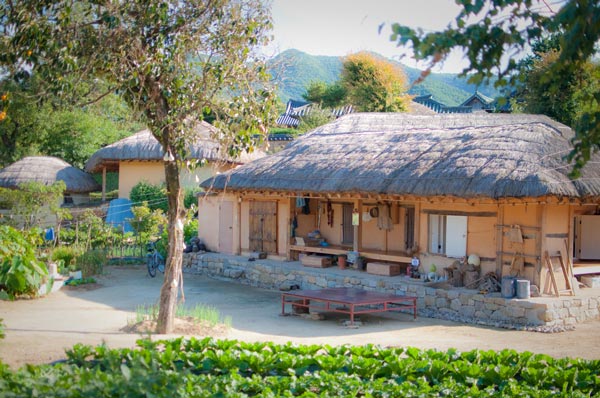
Yangdong Village, where the dignified lives of noble families from 200 years ago are still preserved, is nestled among ridges and valleys connected to the main peak of Seonchang Mountain. The village consists of numerous traditional Korean houses, thatched-roof homes, and vast stretches of lush forests. Andong Hahoe Village has fully retained the architectural styles of Joseon-era residences and the structure of the village itself. It is not an artificially created village and continues to be inhabited to this day. In 2010, Andong Hahoe Village andGyeongjuYangdong Village were jointly included in the UNESCO World Heritage list as part ofSouth Korea’sHistoric Villages.
Address: North Gyeongsang ProvinceGyeongjuCity, Gangdong-myeon,South KoreaAndong City, North Gyeongsang Province (???? ???? ????, ????? ???? ??)
6. Namhansanseong Fortress (????)
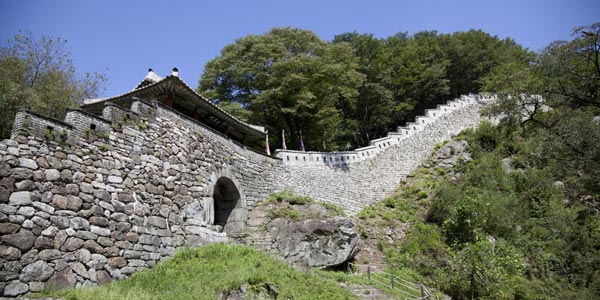
Namhansanseong Fortress is locatedSeoulabout 24 kilometers southeast and 6 kilometers northeast of Seongnam City, stretching 11.76 kilometers in total. Over 2,000 years ago, it originally served as a royal fortress for the son of King Dongmyeong of Goguryeo. Successive generations actively renovated and reinforced this mountain fortress, which was finally completed during the reign of King Gwanghaegun of Joseon in 1621. Namhansanseong offers picturesque scenery throughout all four seasons and isSeoulA famous destination for walking and scenic drives in the suburbs, featuring dense acacia trees in spring, lush forests in summer, and maple leaves in autumn.
Address: South KoreaGyeonggi ProvinceNamhansan Mountain, Gwangju (남한산(南漢山))
7. Haeinsa Temple Janggyeong Panjeon (해인사 장경판전)

Ranked alongside Tongdosa Temple and Songgwangsa TempleSouth KoreaHaeinsa Temple, one of Korea’s Three Jewel Temples, was established in 802. The temple features no ornate decorations or painted colors and serves solely to house the Tripitaka Koreana wooden printing blocks. It also preserves the 80,000+ chapters of the Tripitaka Koreana, created in the 13th century and inscribed as a UNESCO World Heritage Site in 1995, within its historic wooden structures.
Address: Southern foothills of Gayasan Mountain, Hapcheon-gun, Gyeongsangnam-do (경상남도 합천군 가야산 서남산록)
8. JejuSeongsan Ilchulbong (Sunrise Peak) (성산일출봉)

Seongsan Ilchulbong is locatedonJeju Island, rising 182 meters above sea level on the eastern side of the island. It was formed 100,000 years ago from an underwater volcanic eruption, leaving a towering rock formation with a massive crater at the top. Watching the sunrise from the summit of Seongsan Ilchulbong has been regarded as one of thetop ten scenic views ofJeju
Province and was officially designated as a UNESCO World Natural Heritage site in 2007. It takes approximately 25 minutes to climb from the ticket gate to the peak.Address:284-12, Ilsok-ro, Seongsan-eup, Seogwipo-si, Jeju Special Self-Governing Province (제주특별자치도 서귀포시 성산읍 일출로 284-12)
9. JejuManjanggul Cave (만장굴)
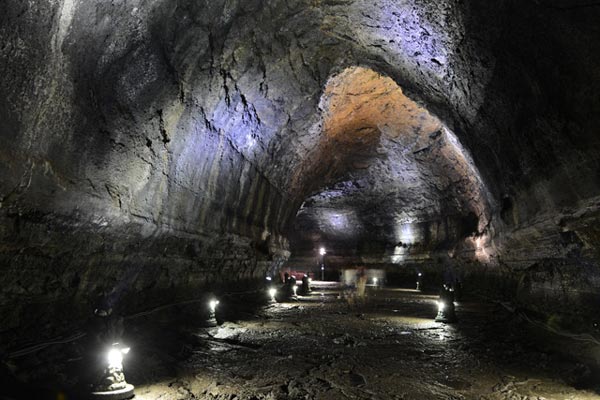
Manjanggul Cave is the longest lava tube in the world. It was formed 2.5 million years agoonJeju
Island during a volcanic eruption, when lava flowing from Mount Halla created this extensive tunnel. Visitors can explore a section that is around 1 kilometer long. Address:JejuSpecial Self-Governing Province3341-3, Geumneung-ri, Gujwa-eup, Jeju-si (제주시 구좌읍 김녕리 3341-3)
--
Related Reading
Share
This article is published by HowToTrip. Sharing and reposting are welcome — please credit the source.
Article URL: https://www.howtotrip.net/views-27956
Related Articles
- Shaoxing's "Grandpa Gourd" hangs the gourds back up: "If there are too many people, we'll interact less — just take a quick look from afar"
- Chinese authorities announce "reciprocal adjustment" to Japan visa fees — single-entry visa jumps from 2,250 to 16,750 yen!
- The "health stones" carried by a traveler were found to have radiation levels exceeding safety limits by a thousand times, potentially endangering fellow passengers on the same flight. Customs issues warning!
- Shenzhen Airport Issues Late-Night Notice: Unidentified Aerial Object Detected, Causing Widespread Flight Delays!
- “They only said it cost money after I opened the box and washed it!” 200g of grapes sold for 60 yuan on a high-speed train—12306 responds!
- Can't buy an airline ticket? Denied exit? Blocked from boarding? A large number of Chinese tourists have mysteriously become "discredited individuals"
- Adverse weather and economic fluctuations impact Colombia's coffee market
- Beach bathing area responds to 2 yuan/30 seconds fee for freshwater foot rinsing: Clearly priced!
- Taking off with an improperly closed cabin door? Wing malfunction? Multiple flights made emergency returns mid-journey!
- Experience the gifts of nature! A countdown of the world’s ten most stunning coastlines