Mid-Autumn Festival Charter Flights to Island Getaways – Arrive at Three Major Resorts on Ishigaki Island Within One Hour
Tourism Center / Taipei Report
Lounge in a pool with year-round constant temperature and endless views, admire the full moon of the Mid-Autumn Festival hanging over the Pacific Ocean, enjoy the cool autumn breeze, and sip on a specially crafted Okinawan awamori cocktail—this might be the relaxing holiday many dream of. Are you ready for your holiday during the four-day Mid-Autumn break from September 19 to 22? How about a four-day, three-night trip to Okinawa via the newly launched direct flights to Ishigaki Island? Experience the romantic and nostalgic historical resort atmosphere unique to the Okinawan archipelago.
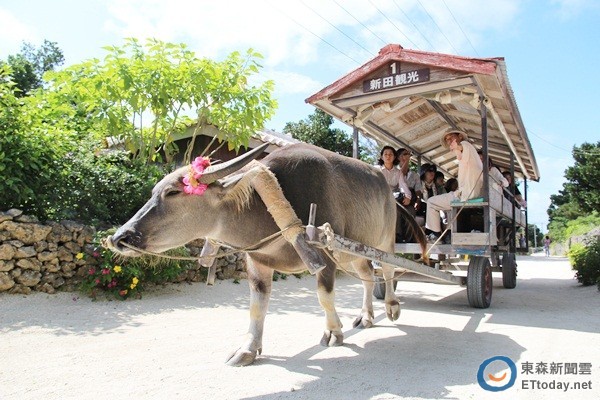
▲ Consider a four-day trip to Ishigaki Island via the newly launched direct flights for an Okinawan getaway.
Thanks to factors such as the depreciation of the Japanese yen, the introduction of direct flights to Ishigaki Island, and its proximity to Taiwan, the Japanese Okinawa travel market is booming. Rolisa Tour CEO Tang Guizhen noted, “When people talk about Okinawa, they’re referring to over 160 islands of varying sizes. Among them, the outlying islands of Ishigaki, Taketomi, Kohama, and Iriomote are just 110 to 260 kilometers from Taiwan. Since the opening of Ishigaki International Airport in March 2013, travelers no longer need to transfer via Naha Airport and can fly directly from Taoyuan Airport to Ishigaki Island in under an hour. From there, it takes just 10 to 35 minutes to reach the outlying islands of Taketomi, Kohama, and Iriomote. During the day, you can soak up the sun, sand, and sea, and at night, you can stargaze and admire the moon on these minimally light-polluted islands.”
Rolisa Tour, which represents the Hoshino Resorts group on Taketomi, Kohama, and Iriomote Islands, has planned a Mid-Autumn package featuring China Airlines charter flights and stays at Hoshino resorts. Tang Guizhen pointed out that the biggest difference between this “Hoshino Holiday” and typical island getaways is its flexibility—you can choose your own adventure. The three small islands of Taketomi, Kohama, and Iriomote each offer unique local culture and resort experiences. Those seeking excitement can enjoy a variety of activities, while those longing for tranquility can relax in a laid-back holiday vibe—everyone finds what they’re looking for.
Taketomi Island vs. Hoshinoya Okinawa
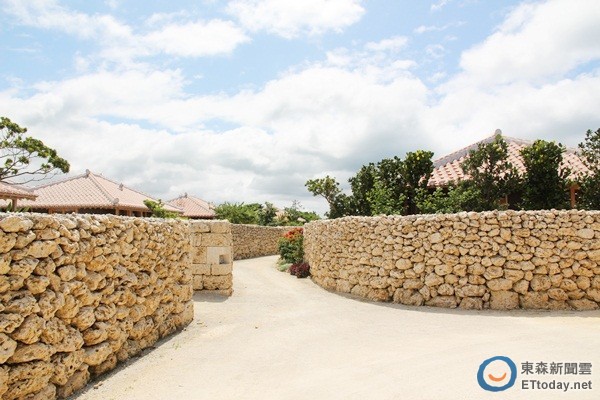
▲ Every brick, stone wall, and winding path in the resort is replicated to preserve the appearance of the past.
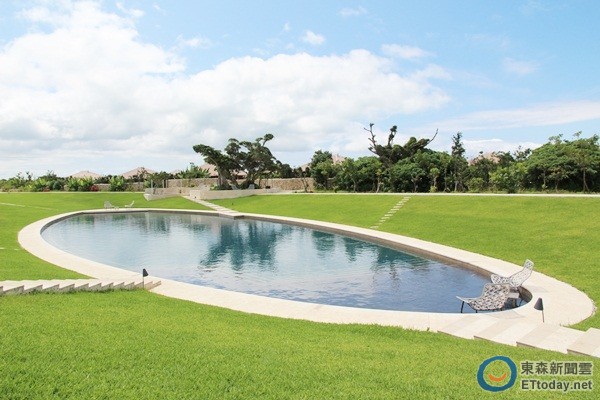
▲ Year-round constant temperature pool.
The entire island is designated by the Japanese government as an “Important Traditional Buildings Group Preservation District.” As a result, not only are the village’s buildings, stone walls, and paths preserved in their original form, but even Hoshino Resorts’ construction of the “Hoshinoya Okinawa” resort was legally regulated, making the final product a recreation of a traditional settlement.
Guests staying at “Hoshinoya Okinawa” can enjoy well-lit Japanese-style living rooms and bedrooms, private courtyards, coral stone walls, sunlit terraces, and can explore the time-frozen ancient village by bicycle or ox cart, immersing themselves in the life of the islanders.
Kohama Island vs. Hoshino Risonare
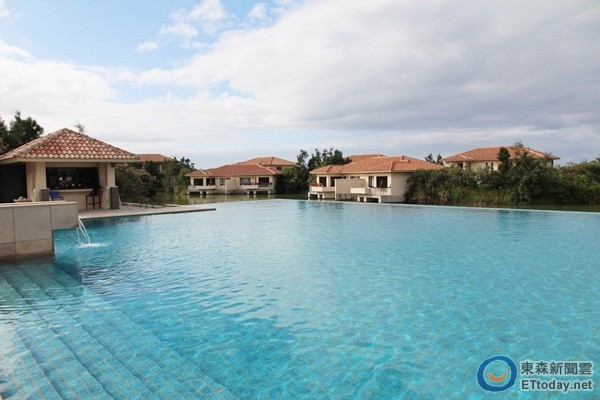
▲ The pool at the Kohama Island resort is built alongside an inland waterway.
Although Kohama Island is only about 9 square kilometers in size, it boasts some of the best-preserved coral reefs in the Northern Hemisphere, the cleanest beaches, the least light-polluted night skies, and the region’s only golf course.
Staying at Hoshino Risonare allows you to take optional boat trips to explore the Northern Hemisphere’s largest coral reef system, home to over 360 species of coral. You can play golf, watch the sunrise, or simply relax in your room that blends tropical and modern styles. Lounge in a daybed hut, read, nap, or enjoy the sea view at your leisure.
Iriomote Island vs. Hoshino Nirakanai
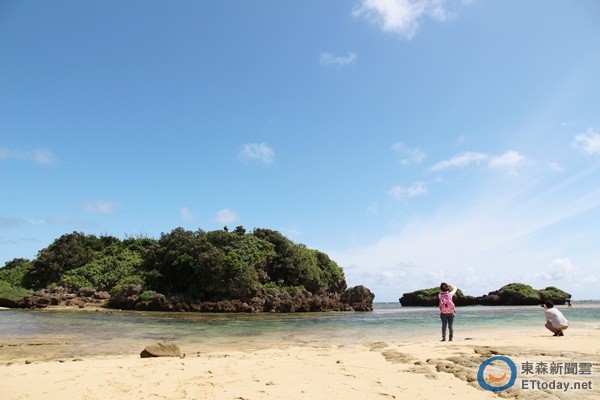
▲ Star sand beach on Iriomote Island.
Over 90% of the island’s surface is covered by subtropical virgin forests and mangrove swamps, earning it the title of “Japan’s Last Wilderness” and also known as the “Amazon of the East.” The island is home to numerous rare and endemic species of flora and fauna, most notably the Iriomote wildcat, with only around 100 remaining.
Guests staying at Hoshino Nirakanai can join professionally guided hikes, mountain climbing, canoeing, river tracing, snorkeling, and water play activities—or simply stroll along the sandy beach, read a book, or take an afternoon nap under the shade of a parasol by the pool.
Share
This article is published by HowToTrip. Sharing and reposting are welcome — please credit the source.
Article URL: https://www.howtotrip.net/views-27267
Related Articles
- Shaoxing's "Grandpa Gourd" hangs the gourds back up: "If there are too many people, we'll interact less — just take a quick look from afar"
- Chinese authorities announce "reciprocal adjustment" to Japan visa fees — single-entry visa jumps from 2,250 to 16,750 yen!
- The "health stones" carried by a traveler were found to have radiation levels exceeding safety limits by a thousand times, potentially endangering fellow passengers on the same flight. Customs issues warning!
- Shenzhen Airport Issues Late-Night Notice: Unidentified Aerial Object Detected, Causing Widespread Flight Delays!
- “They only said it cost money after I opened the box and washed it!” 200g of grapes sold for 60 yuan on a high-speed train—12306 responds!
- Can't buy an airline ticket? Denied exit? Blocked from boarding? A large number of Chinese tourists have mysteriously become "discredited individuals"
- Adverse weather and economic fluctuations impact Colombia's coffee market
- Beach bathing area responds to 2 yuan/30 seconds fee for freshwater foot rinsing: Clearly priced!
- Taking off with an improperly closed cabin door? Wing malfunction? Multiple flights made emergency returns mid-journey!
- Experience the gifts of nature! A countdown of the world’s ten most stunning coastlines