Ride along the bike path to visit Guandu Temple and explore Tamsui Old Street – Cruise the Golden Waterfront
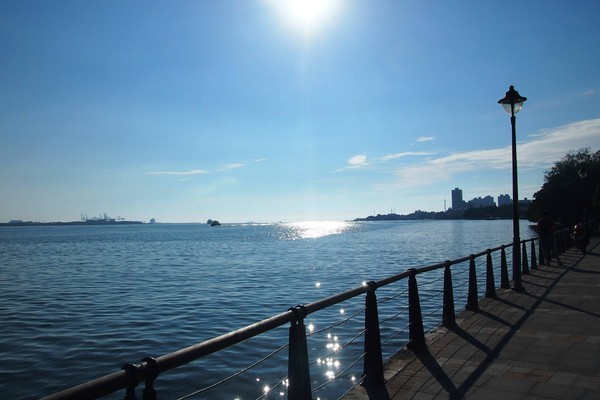
▲The Tamsui River reflects the golden, soft ripples of the setting sun. (Photo / From New Taipei City Tourism Facebook)
Intern Reporter Li Hanxin / Taipei Report
Ride the wind with your iron horse and embrace the carefree joy of the outdoors. Tamsui is conveniently accessible and offers easy bike rentals, making it a top holiday destination. The stretch along the Tamsui River reflects the golden, soft ripples of the setting sun, which is why this bike path is named the “Golden Waterfront Bike Path.” With its gentle slope and beautiful views of the Tamsui River estuary and the Guanyin Mountain on the opposite shore, it's perfect for families and anyone looking to unwind, relieve stress, and enjoy a peaceful, leisurely ride.
North, there’s Guandu Mazu; South, there’s Beigang Mazu – Guandu Temple
The entire bike path starts at Guandu Temple and extends all the way to Tamsui MRT Station and Fisherman’s Wharf. “Guandu Temple” has a history of over 300 years and is the oldest and largest Mazu temple in northern Taiwan. The temple features Southern Fujian-style architecture. According to temple staff, Taiwanese temple roofs can generally be divided into northern and southern styles—the northern style emphasizes grandeur while the southern focuses on ornamentation.
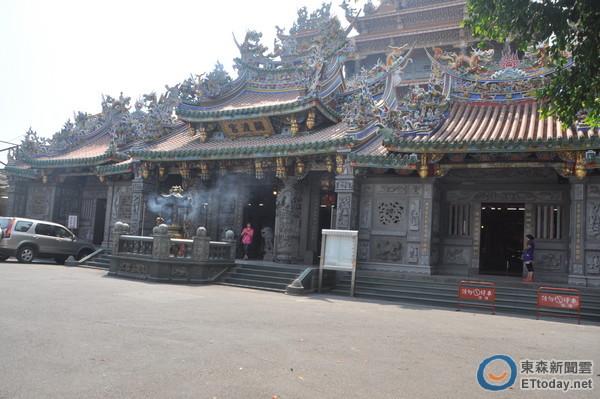
▲“Guandu Temple” is the oldest and largest Mazu temple in northern Taiwan. (Photo / Taken by Intern Reporter Li Hanxin)
Another highlight here is Taiwan’s first stone sculpture area depicting the divine manifestations of Mazu. Completed after four years of work, it stretches 103 meters and features 69 stone carvings illustrating stories of Guandu Mazu. Each carving tells a story, and walking through the area is like stepping into a time tunnel—revealing Mazu-related tales from the Song Dynasty all the way to the Republic of China era.
Guandu Bridge and Zhuwei Pier
Guandu Bridge spans the Tamsui River and is the closest bridge to the river mouth in the Tamsui River basin. It also serves as a crucial transportation hub connecting Bali District in New Taipei City with Guandu in Beitou District. Its striking bright red, arched appearance has made it a local landmark. The bridge features an observation walkway where visitors can admire the scenery along the Tamsui River.
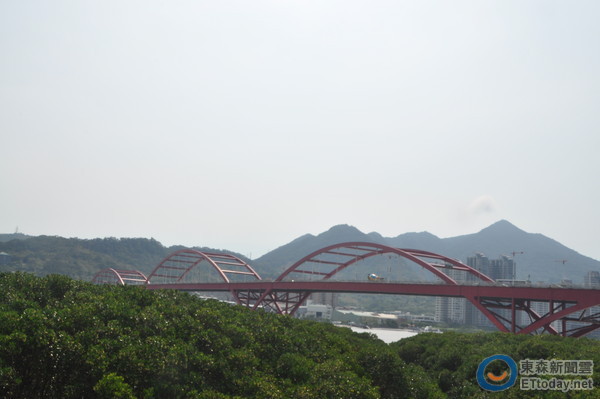
▲The bright red, arched appearance has made Guandu Bridge a local landmark. (Photo / Taken by Intern Reporter Li Hanxin)
After pedaling for a while, it’s time to recharge. Zhuwei Pier, located behind Zhuwei Station on the Tamsui MRT line, is a must-stop rest area along the bike path. It offers pavilions, seating, and riverbank steps for cyclists to take a break. Here, you can enjoy the sparkling waters of the Tamsui River and the majestic Guanyin Mountain. On holidays, there are also regular stalls selling bicycle-related goods.
Mangrove Ecological Reserve
This bike path passes through Taiwan’s most extensive mangrove ecological reserve. The protected area is quite vast, covering the riverbanks from Zhuwei to Yingge, spanning 76.41 hectares. It is a coastal sandbar swamp formed by sediment carried downstream from the upper Tamsui River. During high tide, about two-thirds of the area is submerged, creating a unique intertidal zone that is home to many species.
To explore the wonders of the mangrove ecosystem, visit the “Mangrove Exhibition Hall” on the second floor of the Mangrove MRT Station. The exhibition focuses on the Kandelia obovata (water gum) tree, using images and multimedia to explain its viviparous process. The displays also highlight the ecosystem of water birds, intertidal organisms, and estuarine life within the reserve, giving visitors insight into the mysteries of the mangrove environment. One of the highlights is a large glass window offering a panoramic view of the Kandelia obovata forest—a stunning sight that lets you enjoy the beauty of the estuarine ecosystem.
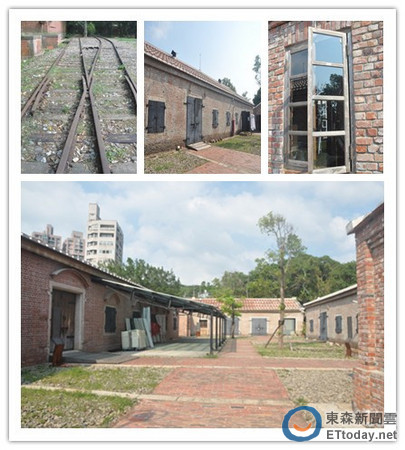
▲Tamsui Cultural Park, listed as a New Taipei City municipal historic site. (Photo / Taken by Intern Reporter Li Hanxin)
The History of Granaries – Tamsui Cultural Park
Located near Tamsui MRT Station and listed as a New Taipei City municipal historic site, Tamsui Cultural Park was originally the warehouse of the British firm Jardine Matheson (known locally as the Tamsui Kaopai Granary), with a history of over 100 years. It has witnessed the history of Tamsui’s opening as a port, foreign merchant leases, and transportation, among other developments. After collecting and restoring the site, the Tamsui Cultural Foundation organized several themed exhibits introducing the development of the Kaopai Group since the 19th century. The park preserves the original look of the granary and also keeps the only remaining railway track of the Tamsui–Beitou branch line.
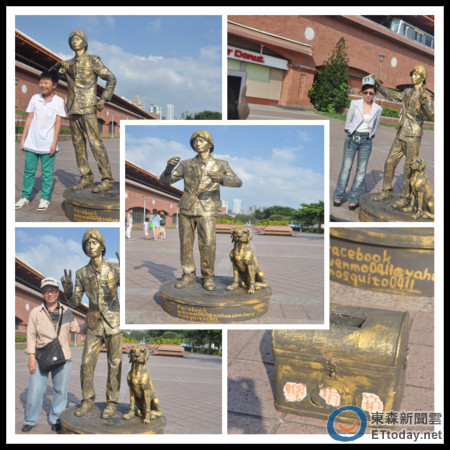
Outside the Tamsui MRT Station lobby, various street painters and performers gather, adding a strong artistic vibe to the park. Thanks to the convenience of the MRT, the area becomes lively every holiday. One of the biggest draws is the “Mosquito That Doesn’t Move” living statue, whose movements make it look just like a real moving statue. Mr. Zhang, who brought his child to Tamsui, said that while his kid was initially scared, the statue’s playful actions quickly won the child over, resulting in lots of happy photos.
The Historic Town of Tamsui Old Street
Tamsui is a town rich in history. Along Tamsui Old Street, you’ll find houses that partially retain old architectural charm, along with numerous antique and craft shops that enhance its quaint feel. Due to its accessibility, Tamsui Old Street gets crowded with visitors every holiday. The street offers unobstructed views of the Tamsui River and is lined with unique shops, delicious foods, and snacks.
▲Street performers. (Photo / Taken by Intern Reporter Li Hanxin)
Must-Tries in TamsuiTamsui A-Gei and Fish Ball Soup“A-Gei” comes from the Japanese word for “fried tofu.” The owner of a 50-year-old shop on Tamsui Old Street explains that A-Gei is made by hollowing out fried tofu, stuffing it with stir-fried cellophane noodles, sealing it with fish paste, and steaming it for about 10–15 minutes. Before eating, it’s drizzled with sweet chili sauce or other special sauces. Ms. Lin says the noodles are flavorful and chewy, and the sauce really makes it delicious—she always makes sure to have some whenever she visits Tamsui.

▲Tamsui snack A-Gei. (Photo / Taken by Intern Reporter Li Hanxin)
The “Guandu Bike Path” ride takes about 2 hours. Some sections are more remote, so safety is important. Most of the route is flat, offering a comfortable ride, but some parts have less shade. Cyclists are reminded to wear sunscreen and stay hydrated. The hours between 5–9 AM and 3–5 PM are when birds are most active, foraging and playing, so you’re more likely to spot a variety of bird species in the estuary marshes during these times.
There are several bike rental shops near Guandu MRT Station after you exit. Additionally, non-folding bikes are allowed at Guandu, Zhuwei, and Mangrove MRT Stations—so if you’re bringing your own bike, remember to enter and exit via these stations.
【Travel Information】
Mangrove Ecology Exhibition Hall
Address: 2F, No. 68, Section 2, Zhongzheng East Road, Tamsui District, New Taipei City (MRT Tamsui Line Hongshulin Station)
Phone: 02-28082995
Opening Hours: 9:00–16:30 (Closed on Mondays)
Tamsui Cultural Park
Address: No. 22, Bitou Street, Tamsui District, New Taipei City
Phone: 02-2622-1928
Opening Hours: 9:30–17:30 (Closed on Mondays)
Share
This article is published by HowToTrip. Sharing and reposting are welcome — please credit the source.
Article URL: https://www.howtotrip.net/views-27164
Related Articles
- Shaoxing's "Grandpa Gourd" hangs the gourds back up: "If there are too many people, we'll interact less — just take a quick look from afar"
- Chinese authorities announce "reciprocal adjustment" to Japan visa fees — single-entry visa jumps from 2,250 to 16,750 yen!
- The "health stones" carried by a traveler were found to have radiation levels exceeding safety limits by a thousand times, potentially endangering fellow passengers on the same flight. Customs issues warning!
- Shenzhen Airport Issues Late-Night Notice: Unidentified Aerial Object Detected, Causing Widespread Flight Delays!
- “They only said it cost money after I opened the box and washed it!” 200g of grapes sold for 60 yuan on a high-speed train—12306 responds!
- Can't buy an airline ticket? Denied exit? Blocked from boarding? A large number of Chinese tourists have mysteriously become "discredited individuals"
- Adverse weather and economic fluctuations impact Colombia's coffee market
- Beach bathing area responds to 2 yuan/30 seconds fee for freshwater foot rinsing: Clearly priced!
- Taking off with an improperly closed cabin door? Wing malfunction? Multiple flights made emergency returns mid-journey!
- Experience the gifts of nature! A countdown of the world’s ten most stunning coastlines