Stay overnight at a temple / Three Taiwanese Michelin attractions: Sleep in the pilgrim building
Photos and text by 943 / Excerpted from Yuan Shen Publishing’s *Come Stay Overnight at a Temple*
This brings good luck
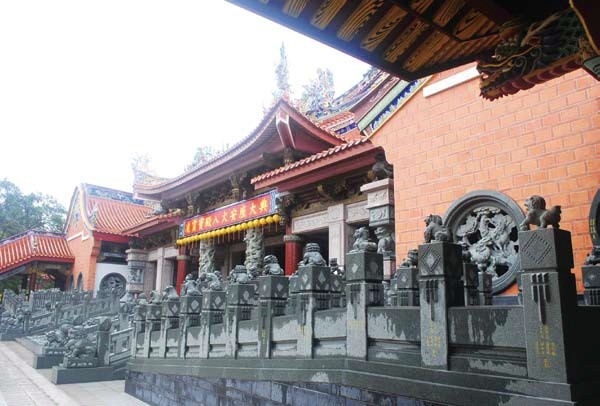
Nanxiang Tianhou Temple consists of two temples. The main temple enshrines the Five Kings—Li Wang, Chi Wang, Wu Wang, Zhu Wang, and Fan Wang—collectively known as the Five Lords of Heaven. It also worships Guanyin, the Goddess of Childbirth, the City God, and the God of Wealth. The smaller temple enshrines the Spirit of Ten Thousand Good Deeds (Jianzai Gong). Legend has it that before the temples were built, both divine entities desired this auspicious land. When they could not agree, the Goddess of Guanyin from Chishan Rock mediated, turning conflict into harmony. They made a pact: “The Five Kings shall build the grand temple, and the Spirit of Ten Thousand Good Deeds shall build the small one. Those who visit the grand temple must also pay respects at the small one, sharing the incense offerings together.” Therefore, visitors follow this tradition and pay homage at both temples.
“The Spirit of Ten Thousand Good Deeds” is Taiwan’s only indigenous god of wealth. Next to the temple is a “God of Wealth Bank” counter that resembles a real bank, where you can borrow “fortune money.” During Chinese New Year, it attracts tens of thousands of worshippers. The younger generation even affectionately call this entrepreneurial deity “Mr. Wan.” Nearby is the “Ten Thousand Good Bells of Fortune,” and if you can ring the bell by tossing coins, it’s believed to bring good luck. The temple claims that the Goddess of Childbirth here is especially efficacious. It’s said a well-known chain business’s daughter-in-law, who had been unable to conceive for years, gave birth to triplets after praying here—not only ensuring offspring but also a harmonious marriage. No wonder the temple sees a constant stream of visitors.
Make a donation to admire the beauty of garden art
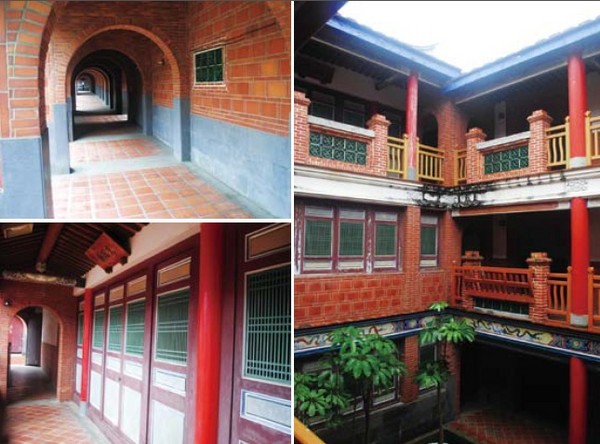
Covering over 60,000 pyeong, Nanxiang Tianhou Temple features garden landscapes such as Kun Garden, Qingcheng Pavilion, Haishan Pavilion, and Tiger Garden. It was once selected as one of Tainan’s Eight Scenic Spots, Eight Historic Sites, and Three Gardens. Among them, the Grand Kun Garden, planned by Professor Han Pao-teh, cost six hundred million NTD and took nearly twenty years to complete. In addition to admiring various pavilions, terraces, giant rocks, bridges, and flowing water reminiscent of classical gardens in the Jiangnan region, there are also regular exhibitions inside, such as the Butterfly Museum, Orchid Show, and Nanxiang Cultural History Museum. It’s a great destination for families, and admission is by voluntary donation.
Michelin three-star attraction
Surprisingly, Nanxiang Tianhou Temple is one of the attractions awarded three stars by the *Michelin Green Guide*, where three stars mean “highly recommended.” Over twenty Michelin inspectors from around the world visited incognito and voted the temple three stars. The Kunhai Building Restaurant at the temple offers a “Michelin-style gourmet meal,” a refined set menu for ten diners, featuring seasonal local ingredients. For example, in spring you can enjoy locally abundant mullet congee, salted shrimp, steamed virgin groupers, pan-fried oysters, cuttlefish roe, garlic-spiced tilapia, fried mullet back, and tube-shaped chicken soup—all incredibly delicious and perfect for banquets.
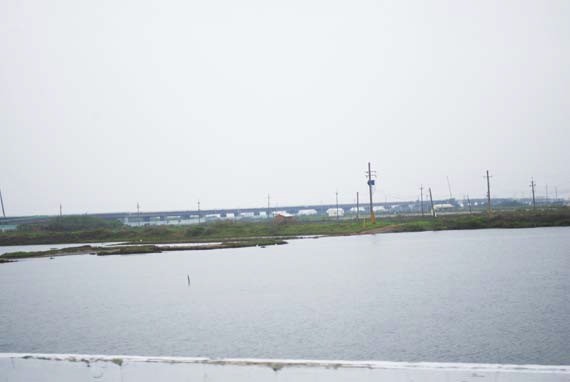
Accommodation information
In addition to the upcoming modern seven-story Pilgrim Building “Kunwang Guesthouse,” the main current lodging facility at the temple is a traditional Minnan-style courtyard complex called i?pujia??, built in the early years of the Republic of China. It includes main halls, side rooms, and rear buildings, most of which are over a hundred years old, with a total value of hundreds of millions. The classical and elegant garden landscaping of pavilions and terraces makes staying here feel like being in a wealthy household from a century ago. It has even been used as a filming location for period dramas.
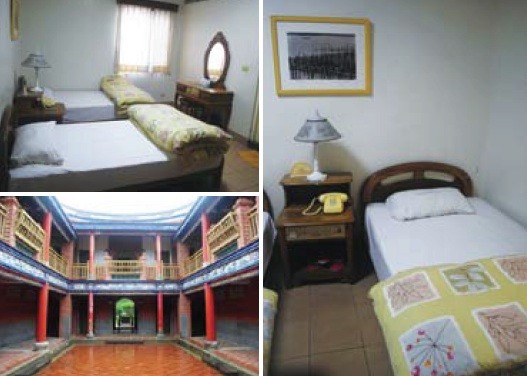
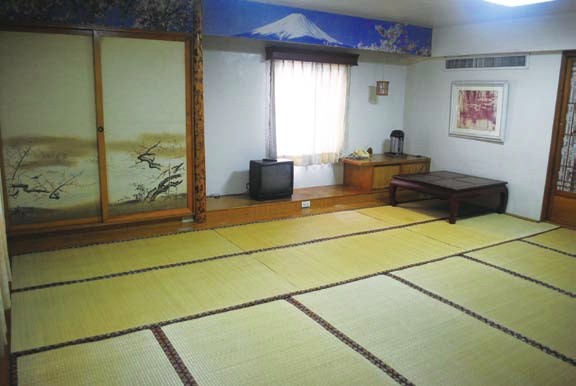
Located within the i?pujia?? complex, you can also enjoy a peaceful night’s sleep while soaking in the rich cultural atmosphere. The main buildings are mostly two stories high, not only serving as dining areas for banquets and meetings but also featuring several large rooms that can accommodate many people. Whether for group activities or family trips, there is ample space.
Share
This article is published by HowToTrip. Sharing and reposting are welcome — please credit the source.
Article URL: https://www.howtotrip.net/views-27093
Related Articles
- Shaoxing's "Grandpa Gourd" hangs the gourds back up: "If there are too many people, we'll interact less — just take a quick look from afar"
- Chinese authorities announce "reciprocal adjustment" to Japan visa fees — single-entry visa jumps from 2,250 to 16,750 yen!
- The "health stones" carried by a traveler were found to have radiation levels exceeding safety limits by a thousand times, potentially endangering fellow passengers on the same flight. Customs issues warning!
- Shenzhen Airport Issues Late-Night Notice: Unidentified Aerial Object Detected, Causing Widespread Flight Delays!
- “They only said it cost money after I opened the box and washed it!” 200g of grapes sold for 60 yuan on a high-speed train—12306 responds!
- Can't buy an airline ticket? Denied exit? Blocked from boarding? A large number of Chinese tourists have mysteriously become "discredited individuals"
- Adverse weather and economic fluctuations impact Colombia's coffee market
- Beach bathing area responds to 2 yuan/30 seconds fee for freshwater foot rinsing: Clearly priced!
- Taking off with an improperly closed cabin door? Wing malfunction? Multiple flights made emergency returns mid-journey!
- Experience the gifts of nature! A countdown of the world’s ten most stunning coastlines