Fighting for Greenpeace for the long haul – An inside look at the Rainbow Warrior’s cabins
Photos and text by /640
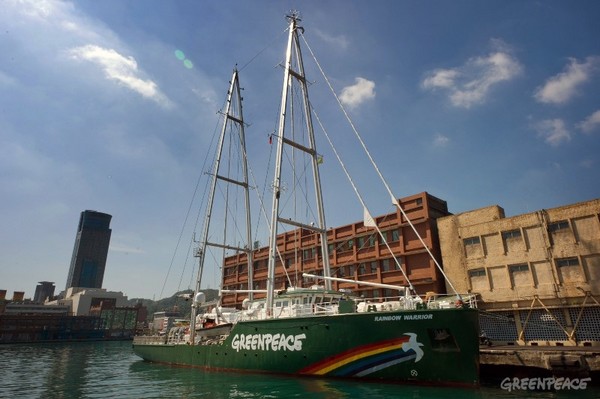
The third-generation Rainbow Warrior of Greenpeace recently visited Keelung and Anping harbors. Let’s take a look at the story behind this iconic green sailing vessel.
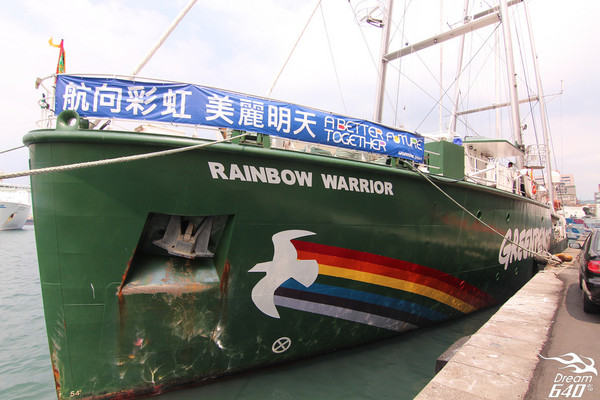
The Rainbow Warrior has been involved in countless environmental battles, starting with anti-whaling efforts, then moving on to anti-war campaigns, combating global warming, and preventing environmental destruction around the world. Taiwan is no exception — here too there are fearless warriors tirelessly working to make this beautiful island even better. Greenpeace East Asia Regional Campaign Director Gary Chan said, “In the more than three years since Greenpeace established an office in Taiwan, we’ve found the people here have a strong environmental consciousness. Although government policy often fails to meet public expectations, that only strengthens the drive of these environmental advocates. They work hard to conserve marine resources, promote sustainable agriculture, oppose nuclear energy, and protect their homeland, actively safeguarding this precious island.”
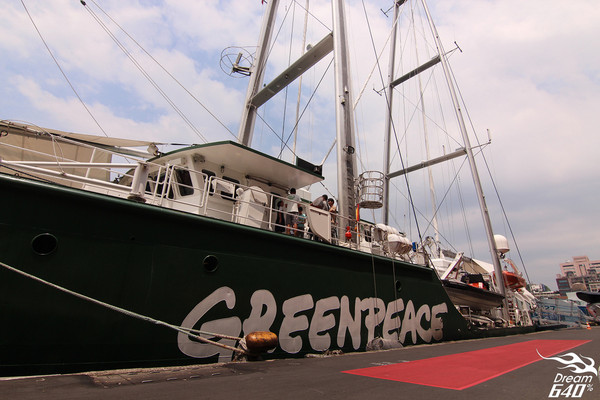
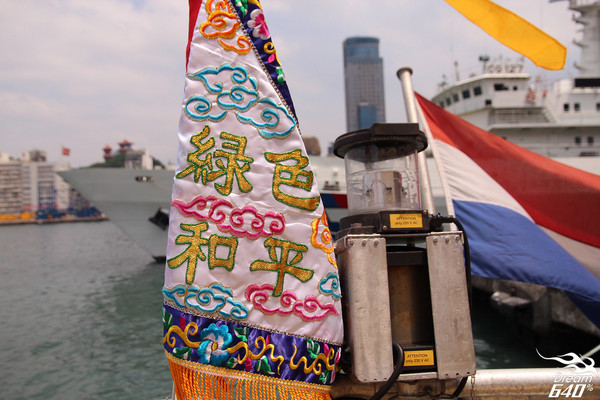
This time, the Rainbow Warrior brought nearly 20 crew members and volunteers to Taiwan. Crew from 15 different countries, including Panama, Sweden, and Italy, were full of anticipation. New Zealand Captain Derek said, “Our first visit to Taiwan was met with an awe-inspiring welcome — it left a deep impression. We will carry this flag embroidered with the Greenpeace logo to every corner of the world. With the power of these blessings behind us, we believe our future missions will go even more smoothly.”
Onboard is also Taiwanese volunteer Li Tingkuan, who serves as the Rainbow Warrior’s onboard broadcaster, documenting and sharing stories from life at sea and tales of the crew. Since boarding in Hong Kong in June, he has already sailed with the Rainbow Warrior to Hong Kong and South Korea, and is now back to share his unique experiences from a month of life on the ship.
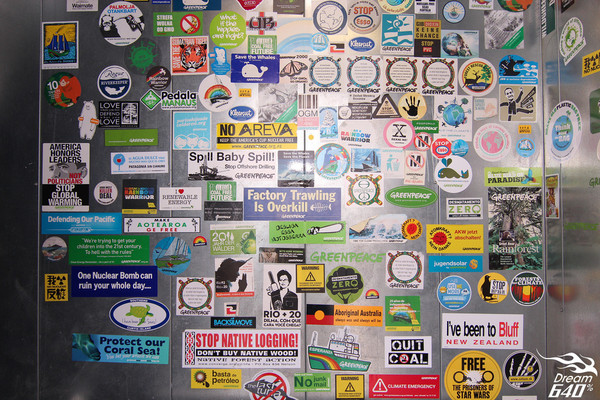
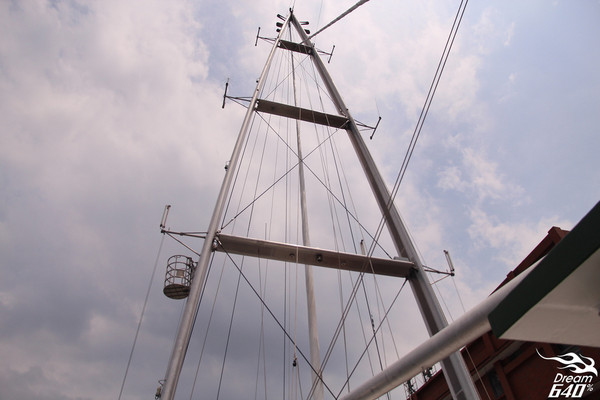
This third-generation Rainbow Warrior visiting Taiwan is an environmentally friendly, green-powered vessel. It began its mission in October 2011 and is equipped with five sails, which are set and adjusted according to wind direction. It once sailed across the Indian Ocean from Sri Lanka to New Zealand, using wind power exclusively for a full two weeks and saving a great deal of energy.
The hull is painted with eco-friendly coatings, and the vessel is powered electrically. It features an A-frame mast that catches the wind and uses lightweight aluminum materials to reduce the ship’s weight and fuel consumption compared to conventional sailboats and motorboats.
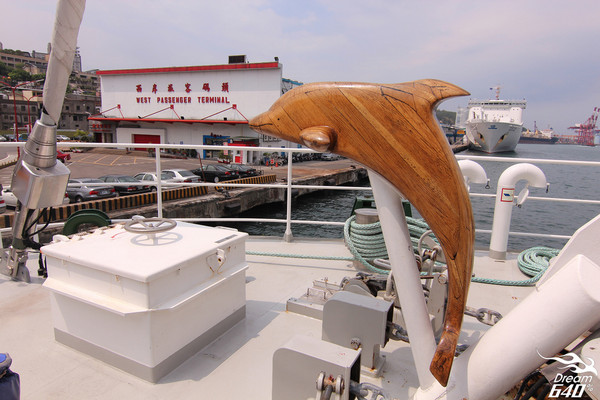
At the bow of the Rainbow Warrior sits an oak dolphin, a relic from the previous vessel, symbolizing the ongoing cycle of sustainability and environmental protection. The hollow inside of the dolphin holds letters written by the crew, akin to a “time capsule.” When the dolphin is eventually opened, it will reveal the Rainbow Warrior’s storied past.
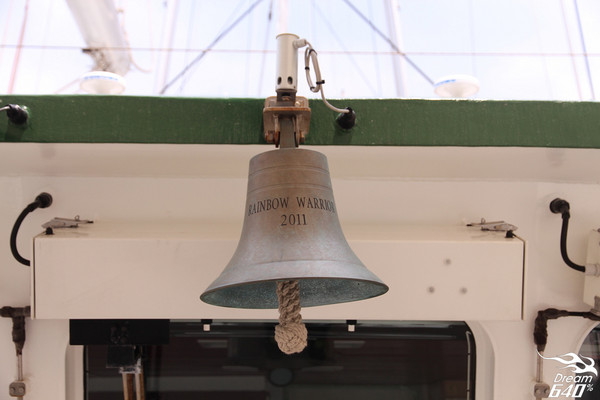
The ship also preserves the bell from the previous vessel. Though radar has made the bell obsolete for alerts, it remains a symbolic item representing hope and blessings. Each year, the youngest crew member rings the bell to pray for a safe and successful mission in the coming year.
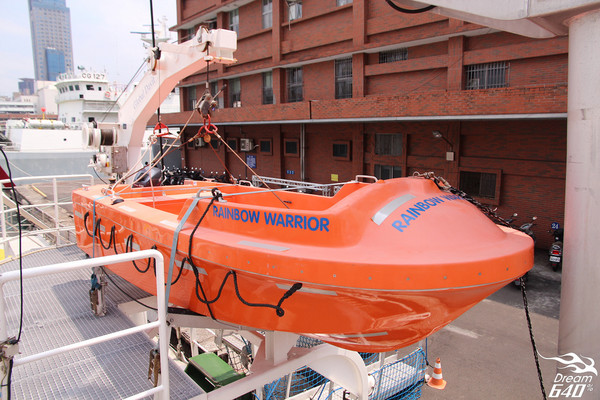
The ship is equipped with three inflatable speedboats for immediate response to emergencies.
%? The two aluminum-hulled boats along either side of the ship are sturdier and more impact-resistant.
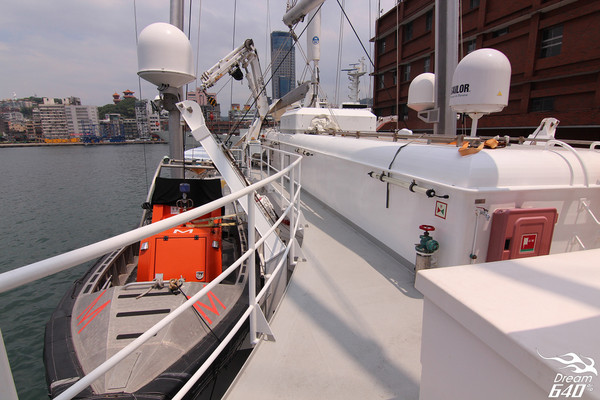
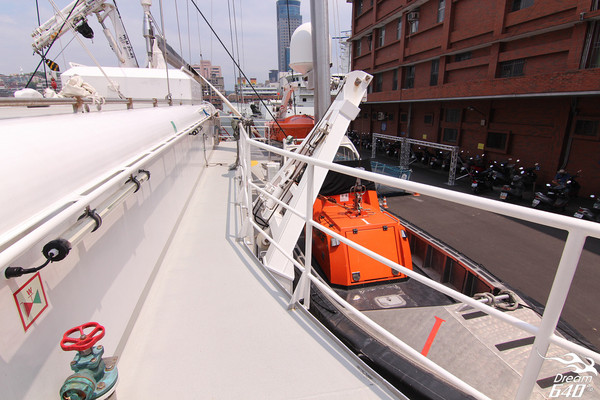
%? Platform canoe
% Operating area /strong>
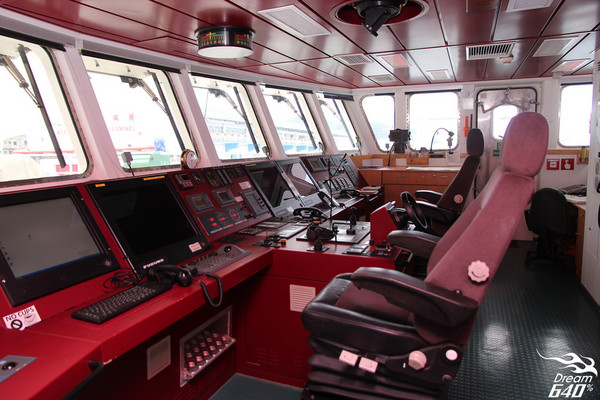
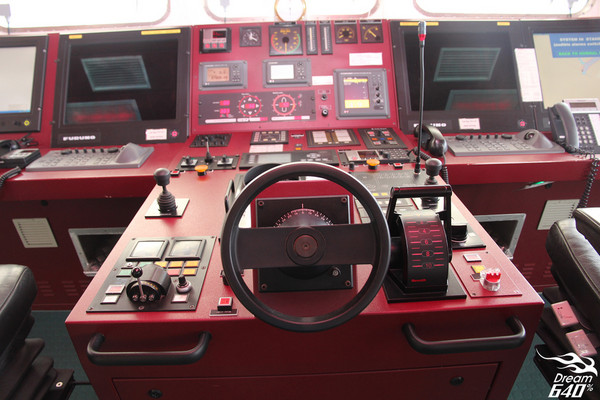
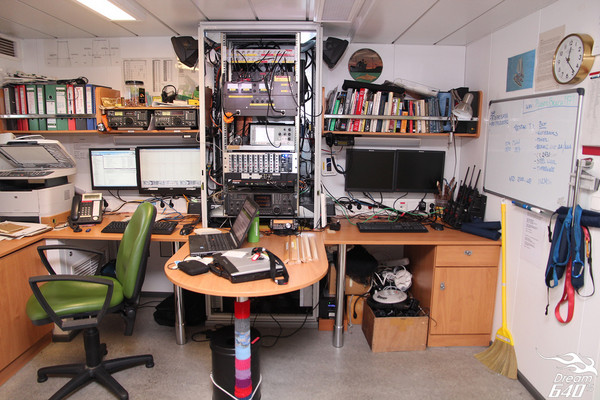
%? Office area
By monitoring the latest maritime conditions via radar, and transmitting real-time updates through satellite and internet connections.
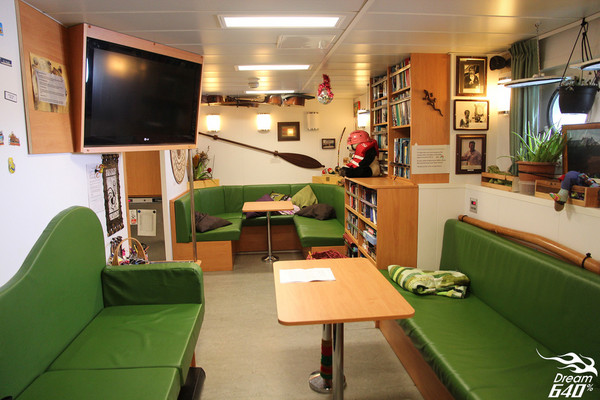
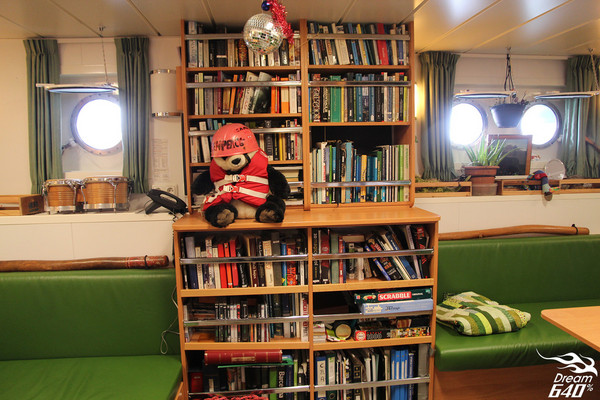
% Leisure function area.
In their downtime, the crew can watch TV or play musical instruments.
%i.e., the forward area
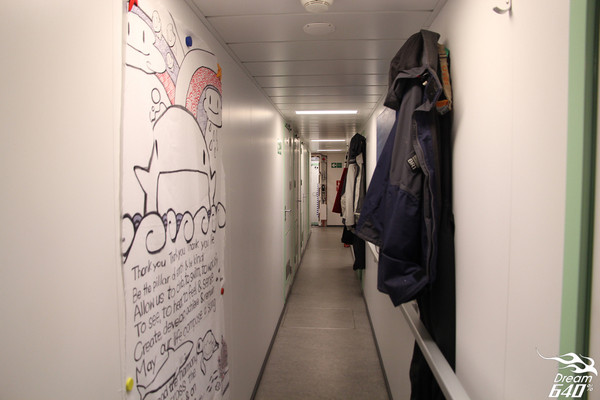
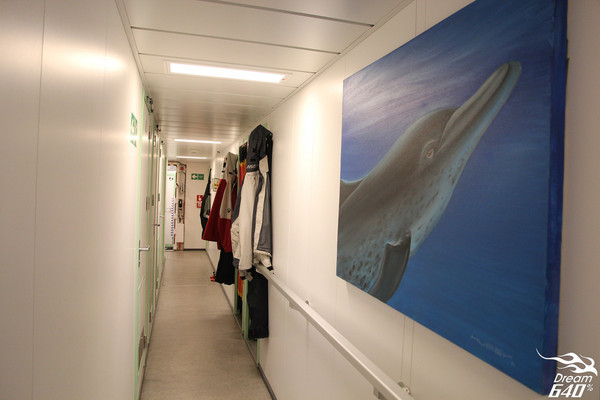
% Technical equipment area /strong>
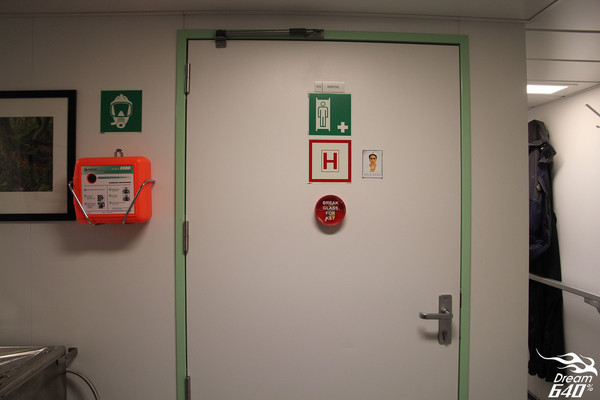
After reading this, do you have a deeper understanding of the Rainbow Warrior? They will continue to champion more environmental causes — next time you get the chance, why not cheer them on?
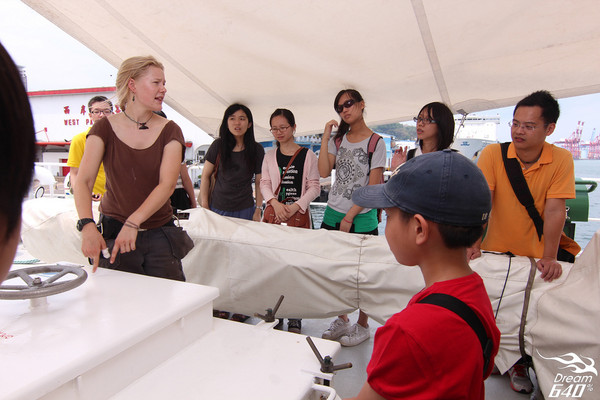
※ This article is excerpted from the blog “My Loyal and Sincere Heart,” for the full article please click here >>
Share
This article is published by HowToTrip. Sharing and reposting are welcome — please credit the source.
Article URL: https://www.howtotrip.net/views-26939
Related Articles
- Shaoxing's "Grandpa Gourd" hangs the gourds back up: "If there are too many people, we'll interact less — just take a quick look from afar"
- Chinese authorities announce "reciprocal adjustment" to Japan visa fees — single-entry visa jumps from 2,250 to 16,750 yen!
- The "health stones" carried by a traveler were found to have radiation levels exceeding safety limits by a thousand times, potentially endangering fellow passengers on the same flight. Customs issues warning!
- Shenzhen Airport Issues Late-Night Notice: Unidentified Aerial Object Detected, Causing Widespread Flight Delays!
- “They only said it cost money after I opened the box and washed it!” 200g of grapes sold for 60 yuan on a high-speed train—12306 responds!
- Can't buy an airline ticket? Denied exit? Blocked from boarding? A large number of Chinese tourists have mysteriously become "discredited individuals"
- Adverse weather and economic fluctuations impact Colombia's coffee market
- Beach bathing area responds to 2 yuan/30 seconds fee for freshwater foot rinsing: Clearly priced!
- Taking off with an improperly closed cabin door? Wing malfunction? Multiple flights made emergency returns mid-journey!
- Experience the gifts of nature! A countdown of the world’s ten most stunning coastlines