A bit greasy and salty — the noodles in the Yuli Noodles are tender, the sauce juicy, and adding green onions makes it even more delicious.
Photos & Text /Xiao Hu’s Dream Food Blog
Eating a bowl of the famous Hualien dish “Yuli Noodles” was the one confirmed item on our itinerary before arriving in Yuli. After all, the name “Yuli Noodles” had reached my ears long before I started blogging.
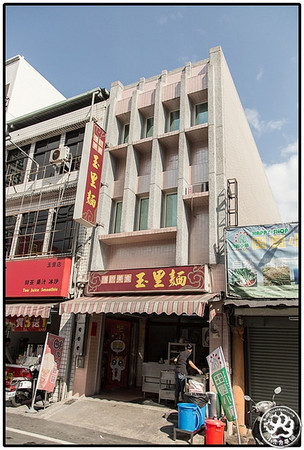
There are quite a few shops in Yuli sporting signs for “Yuli Noodles,” and you’ll find even more around Hualien City and County bearing the same name. But supposedly the most highly rated online is “Qiaotou Yuli Noodles.” Unfortunately, when we arrived that day, it wasn’t open (we later found out they only operate in the evening), so we headed to the busiest one — just another “Yuli Noodles.”
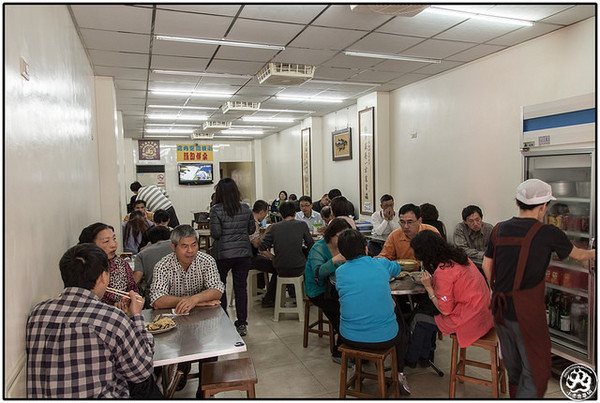
If I remember correctly, it wasn’t mealtime when we got to Yuli, yet the not-so-small noodle shop was packed, including locals in slippers.

The offerings here are all pretty familiar — the noodles, the broth, even the side dishes are all pretty standard.
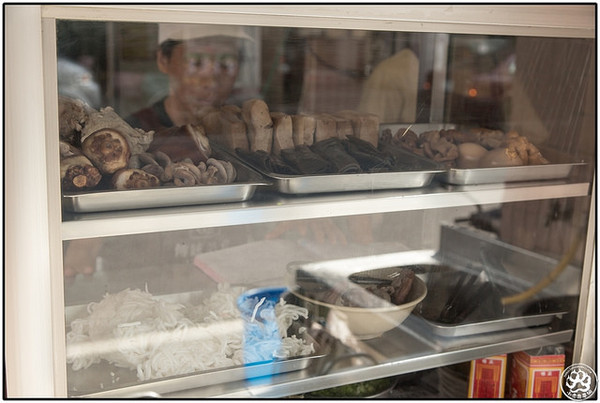
Because the place was so busy and customers were coming in and out non-stop, Xiao Hu couldn’t find a good spot to take photos, so he had to show you all a slightly blurred view through the glass.
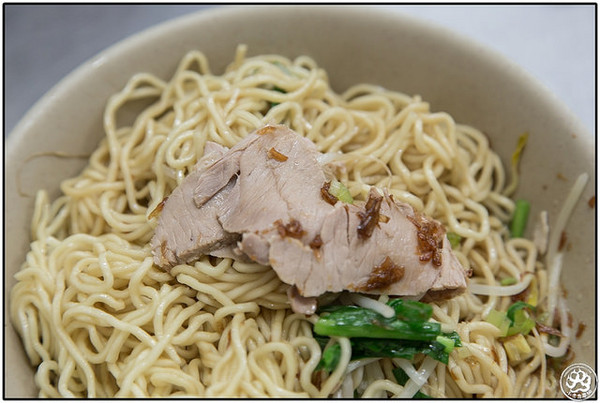
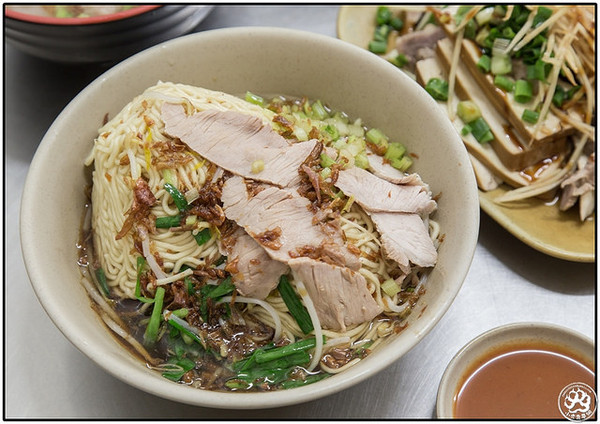
Yuli Noodles has four main features: first, they use oil noodles; second, there’s the old-school style “sliced meat” on top; third, plenty of fried shallots are mixed in; and finally, the portions are huge...
In Xiao Hu’s memory, childhood noodles often came with one or two slices of lean sirloin, like at A-Tian Noodles near Shuanglian Station. Of course, some didn’t include meat, and their price was even cheaper. But I have to say, I’m not a big fan of that kind of meat — usually it’s too lean and dry, lacking that juicy, tender texture. However, the sliced meat in Yuli Noodles is, in my experience, relatively soft, tender, and sweet.
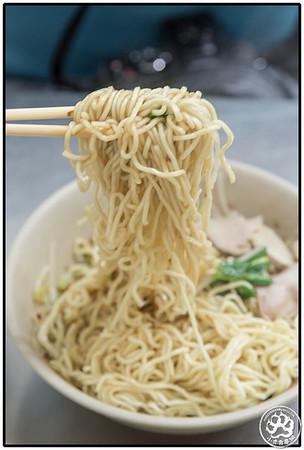
In Hualien, the indigenous people and Hakka are two major ethnic groups, and many villages and towns are formed around these communities. Yuli is a town with a predominantly Hakka population. As such, this bowl of noodles also carries the Hakka spirit of “eating to fill you up” — the portion is big enough to feed two people... Though at first, Hao Dai, the girl sitting at a 45-degree angle in the upper right, took a bite without mixing it and said it tasted a bit bland, with a slight alkaline flavor from the oil noodles.
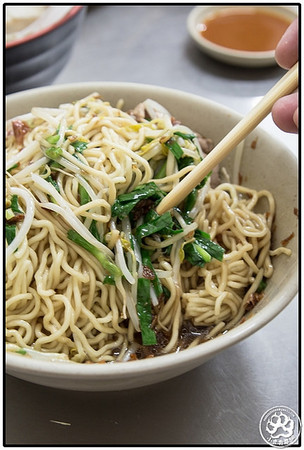
It wasn’t until she mixed it that everyone realized the sauce, fried shallots, chopped leeks, bean sprouts, and even the rarely seen “celery bits” in noodles were all hidden at the bottom. This made it even more in line with the essence of “Hakka-style noodles.”
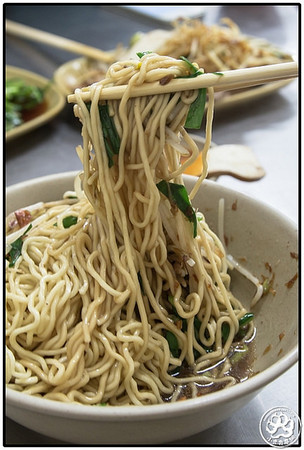
Once mixed, the aroma of the abundant fried shallots wafted up, and the alkaline taste of the oil noodles softened considerably upon eating. Plus, my beloved fried shallot fragrance doubled the deliciousness. Also, Xiao Hu would like to mention that although Yuli Noodles leans toward Hakka-style, it has less oil and salt — definitely much lighter than what you’d find in Miaoli. You can eat a few more bites without it being too salty or greasy.

There was also an ordinary but quite generous plate of blanched greens, and as is typical with Hakka-style snacks, a spoonful of fried shallots was drizzled on top — something I actually quite like =)
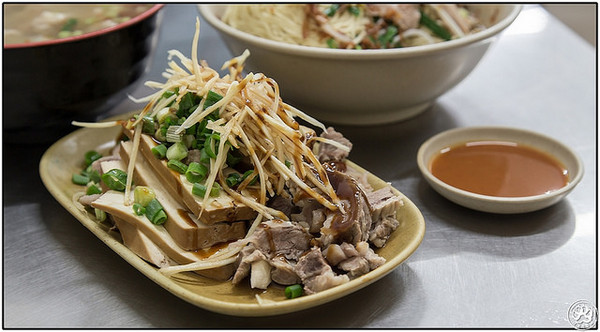
Since we only ordered one bowl of noodles, we had a bit more stomach space to share a plate of two side dishes. One was tofu and the other was the Hakka-common “pig cheek meat,” known in Taiwanese as “mouth meat,” because it was the only meat snack the person in the upper right was willing to eat.
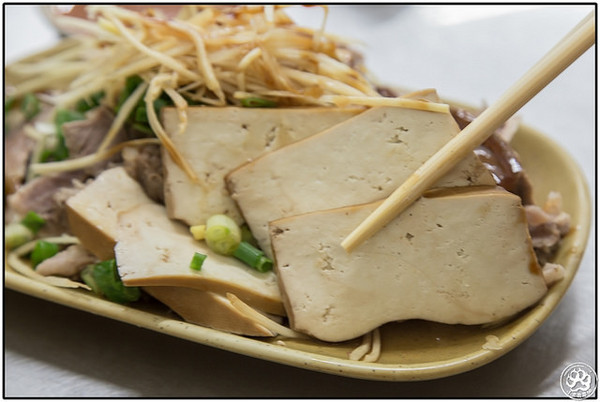
The tofu didn’t have anything particularly special about it, but it was big and thick-cut, giving a nice mouth-filling feel, and the bean flavor stood out more, making it tasty =)
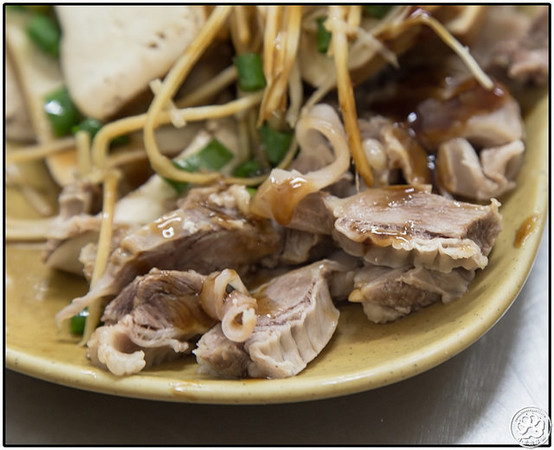
The pig cheek meat was very cleanly prepared, with only a faint sweetness of meat and no off-flavors. It was soft and tender, with a bit of juiciness and sweetness. The deliciousness level was quite high, and paired with a bit of ginger juice, it was perfect with the noodles. Isn’t it often said that when you eat noodles, you’re really eating the sides? (laughs)
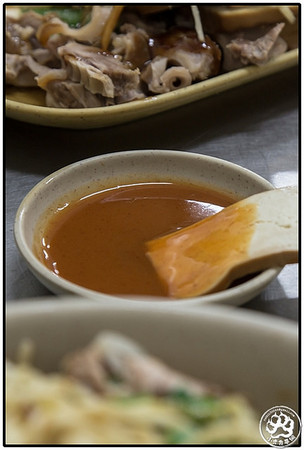
This small dish of dipping sauce came with the sides. At first, I thought it was sweet chili sauce and dipped a lot, but it turned out to be quite spicy — at least spicier than I expected. The spiciness even lightly tingled the tip of my tongue, which was quite interesting.
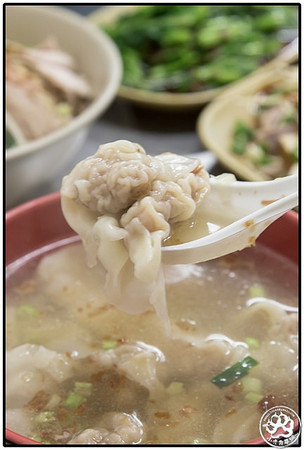
Finally, there was this bowl of wonton soup with large, plump wontons and a very solid, full filling. The pork paste was also moderately sweet, ranking above average. There were about ten wontons in the soup — eating it was quite satisfying, and it’s absolutely a must-have with the noodles, especially if you’re in a group.
【Yuli Noodles】
Address:No. 94, Section 2, Zhongshan Road, Yuli Town, Hualien County
Contact Number:03-888-1613
Business Hours:7:00 AM – 7:00 PM
Xiao Hu’s Dream Food Blog
If “eating” is just about filling your stomach, then “food” would be far too boring~~~
Share
This article is published by HowToTrip. Sharing and reposting are welcome — please credit the source.
Article URL: https://www.howtotrip.net/views-24562
Related Articles
- Shaoxing's "Grandpa Gourd" hangs the gourds back up: "If there are too many people, we'll interact less — just take a quick look from afar"
- Chinese authorities announce "reciprocal adjustment" to Japan visa fees — single-entry visa jumps from 2,250 to 16,750 yen!
- The "health stones" carried by a traveler were found to have radiation levels exceeding safety limits by a thousand times, potentially endangering fellow passengers on the same flight. Customs issues warning!
- Shenzhen Airport Issues Late-Night Notice: Unidentified Aerial Object Detected, Causing Widespread Flight Delays!
- “They only said it cost money after I opened the box and washed it!” 200g of grapes sold for 60 yuan on a high-speed train—12306 responds!
- Can't buy an airline ticket? Denied exit? Blocked from boarding? A large number of Chinese tourists have mysteriously become "discredited individuals"
- Adverse weather and economic fluctuations impact Colombia's coffee market
- Beach bathing area responds to 2 yuan/30 seconds fee for freshwater foot rinsing: Clearly priced!
- Taking off with an improperly closed cabin door? Wing malfunction? Multiple flights made emergency returns mid-journey!
- Experience the gifts of nature! A countdown of the world’s ten most stunning coastlines