Romantic Snowscapes of Fukui: Skiing and Wave-Watching to Enjoy Nature’s Grandeur
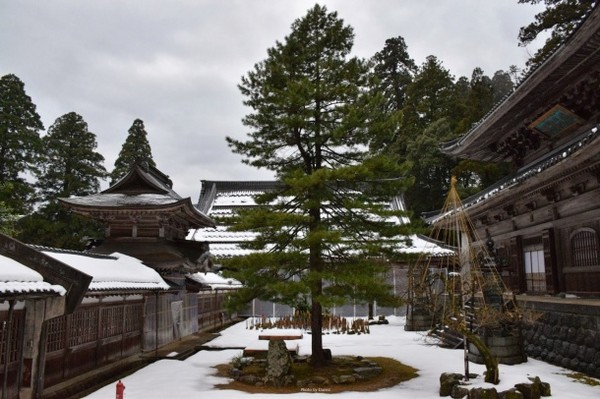
▲ Located southeast of Fukui City, Eihei-ji Temple is the head temple of the Soto sect (one of the Buddhist schools), surrounded by cedar trees over 600 years old.
Text & Photos /Daneil Cheung
“Natural words renew through the ages; stripped of extravagance, true purity shines.” Fukui Prefecture was once ruled by the Sengoku-era warlord Shibata Katsuie in the 16th century. During the 17th to 19th centuries, the Tokugawa family developed this area into a thriving castle town, making it an important trade route in Japan. Today’s Fukui lies to the west of the Sea of Japan and to the east of snow-capped peaks. Without bustling crowds or skyscrapers, the area offers fresh mountain air in the evenings, creating a serene and carefree atmosphere.
In winter, we traveled here, heading eastward. Looking out the window, we first encountered heavy rain, but as we ascended the mountains, the rain turned into snowflakes. The snowy scenery unfolded like a painting, as if we had stepped into a fairy tale world.
The first stop on our journey was the Skijam Ski Resort, where we got a taste of winter. At first, stepping onto the snowboard felt stylish and romantic—until I realized I couldn’t even stand on it. It took great effort to secure my boots to the board. When I finally made it to the beginner slope, I found even the slightest incline surprisingly challenging. The heavy snow boots and unwieldy board made every uphill struggle exhausting, and I’d just end up sliding back to the start. Eventually, I had to take off the board, walk up, and then slide down.
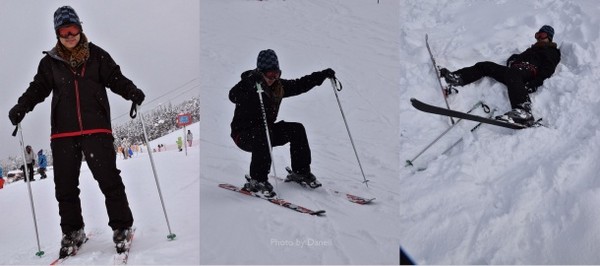
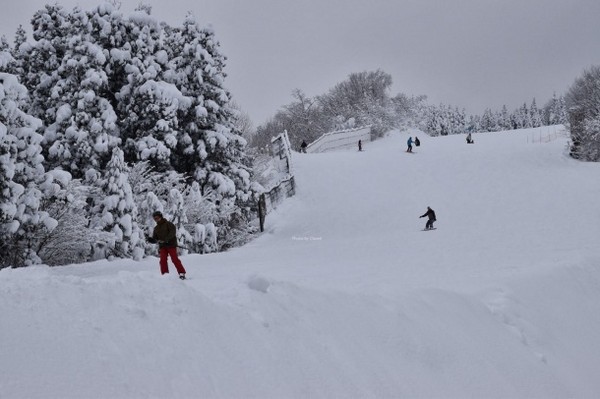
Due to time constraints, I, as a beginner, boldly took the gondola lift to the highest point of the ski resort. The peak reaches an elevation of 1,300 meters, and the longest slope spans 5,800 meters. Along the gondola ride, I saw seas of clouds and pine waves, with snowflakes settling on the treetops, adding layers of pristine white to the landscape—a breathtaking sight.
My first attempt at skiing left me utterly exhausted. Afterward, we visited the nearby Prefectural Dinosaur Museum, one of the world’s top three dinosaur museums. It houses a rich collection of dinosaur bones, fossils, specimens, dioramas, and reconstructed models. Unfortunately, I was too tired and mentally drained to explore thoroughly, so I only managed to take a few photos. 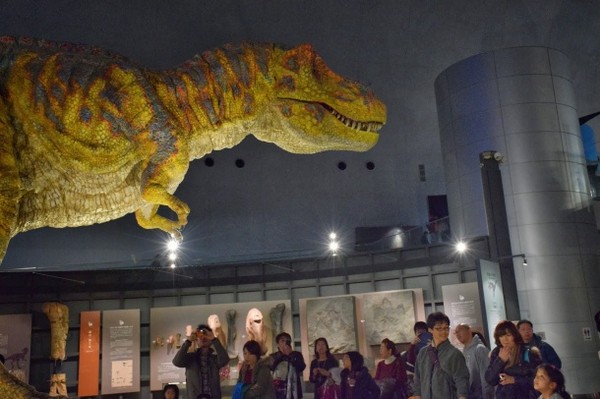
Shifting scenes bring us to Eihei-ji Temple, where nearly 200 practicing monks and wandering monks still endure rigorous training. It’s said that after Zen Master Dogen founded Eihei-ji, he maintained strict discipline. Even today, monks continue to live monastically here—eating vegetarian, laboring, chanting, and meditating through the winter, quietly embracing the passage of time.
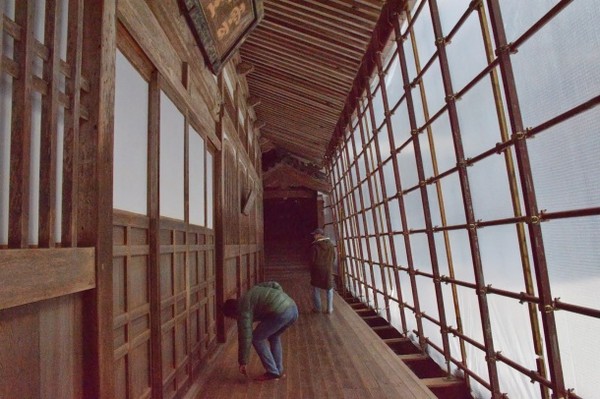
Gazing at the flowers and trees outside the temple, I suddenly felt enlightened. Through all seasons, plants bloom and wither as promised, in an endless cycle. Some say there’s nothing new under the sun—aren’t all things, big or small, just the same? A tranquil and elegant environment makes one feel humble and composed, filtering out the clutter to leave simplicity; screening out the ugliness to reveal beauty; forgetting dissatisfaction to cherish gratitude. How wonderful it would be if we could all face ourselves with such serenity, without pretending to be busy ants scurrying about.
The next day, we arrived at Tojinbo, where years of wave erosion have created rugged, jagged rocks. I’ve always felt a fated connection to straits. Gazing at the vast Sea of Japan, I was reminded of my first trip to Kenting, where I looked out at the Pacific Ocean’s grandeur from Longpan Park. Back then, I wondered how many different straits I might see in my lifetime.
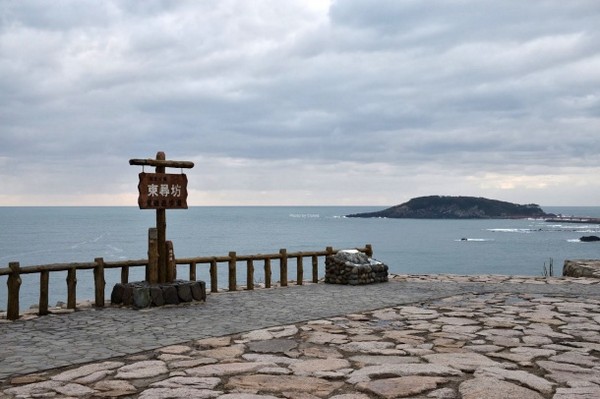


The columnar rocks here are a rare geological phenomenon, found in only three places worldwide. As we drove downhill toward Tsuruga Station, the sunlight was bright, and the scenery was dazzling—I took some photos along the way.
Our final stop was a local restaurant. A friend from the tourism bureau told us it’s a favorite among locals waiting for trains at Tsuruga Station, especially for a quick lunch. The seafood rice bowl, famous here, features eight types of fresh fish, and the owner personally introduces each one to diners—a very thoughtful touch.
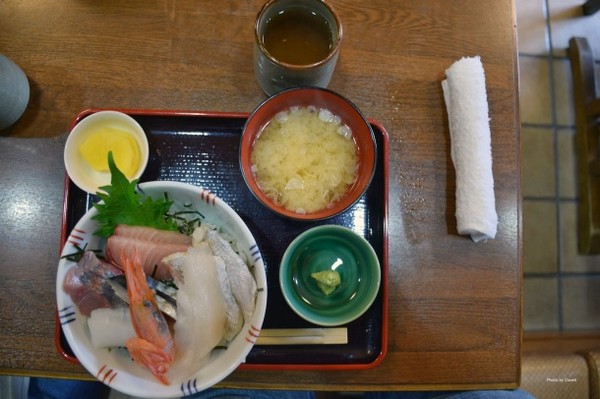
In Fukui, we tasted the true essence of life. These seemingly trivial details are what truly move us.
● Author: Daneil Cheung, a post-90s Hong Konger who calls himself a half-travel journalist. He hopes to travel the world and runs a personal blog “The Story of a Half-Travel Journalist” and has aFacebookpage.
Share
This article is published by HowToTrip. Sharing and reposting are welcome — please credit the source.
Article URL: https://www.howtotrip.net/views-24487
Related Articles
- Shaoxing's "Grandpa Gourd" hangs the gourds back up: "If there are too many people, we'll interact less — just take a quick look from afar"
- Chinese authorities announce "reciprocal adjustment" to Japan visa fees — single-entry visa jumps from 2,250 to 16,750 yen!
- 旅客携带的“保健石”核辐射超标千倍,同机人员或遭殃!海关提醒!
- 深圳机场深夜通报!出现不明升空物,航班大面积延误!
- “拆盒洗了才说要钱!”高铁200克葡萄卖60元,12306回应!
- 买不了机票?出境被拒?登机被拦?一大波中国游客莫名成了“失信人”
- 不利天气和经济波动影响哥伦比亚咖啡市场
- 海边浴场回应冲脚淡水收费2元/30秒:明码标价!
- 舱门没关好就起飞?机翼出现问题?多个航班途中紧急折返!
- 感受大自然的馈赠!盘点世界十大唯美海岸线