Having traversed eras while keeping pace with trends — the traditional yet fashionable ancient capital of Osaka
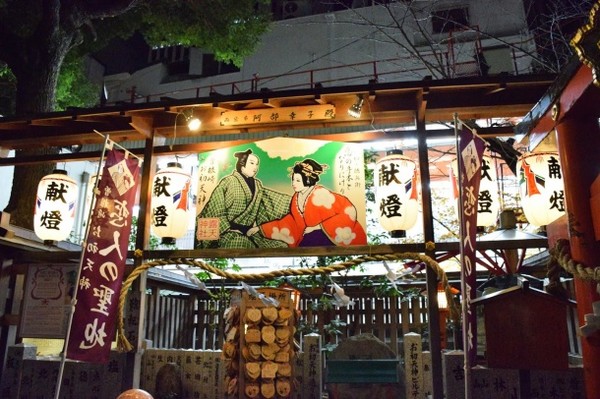
Text & Photos /Daneil Cheung
To understand Japan’s history, one must visit Osaka. Known historically as Naniwa or Naniwa-no-Minato, Osaka has long been a vital port and city in Japan.
As early as the late 3rd century, envoys from China and Korea brought cultural and technological influences such as civil engineering, architecture, ceramics, and religion. In 1583, Toyotomi Hideyoshi unified Japan and established Osaka as his stronghold, constructing the grand and opulent Osaka Castle, positioning it as the political and economic heart of the nation. Later, when the Tokugawa clan came to power and moved the capital to Edo (former name of Tokyo), Osaka’s economy remained vibrant.
Today’s Osaka, beyond its colorful skyscrapers and bustling streets, reveals traces of its storied past upon closer exploration. Historical scenes evolve, and fragments of history weave together to form the modern face of this ancient city. Strolling through Osaka feels like a treasure hunt, where every step brings new discoveries and the joy of seeking and finding.
Umeda Sky Building — Romantic and Stylish
Built in March 1993, the Umeda Sky Building has long been at the forefront of style. During Christmas, it transforms into a German Christmas market, bringing a slice of German cheer to Japan. A stroll around the market reveals meticulous preparation — not only are German companies invited to participate, but the stall setups and product selections also exude a distinctly German flair. The biggest surprise? A selection of cherished German liquors is available here.
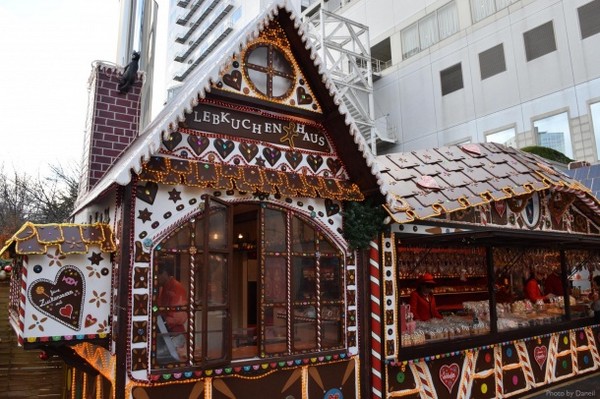
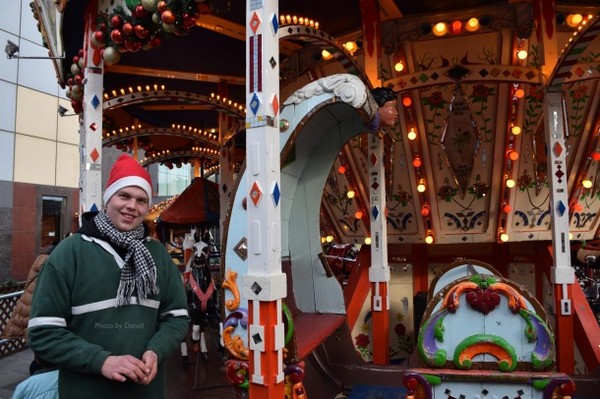
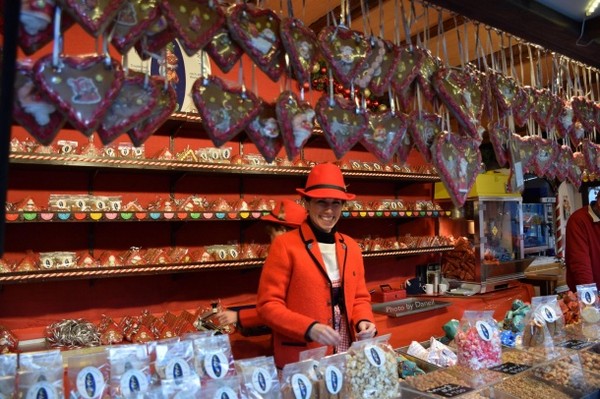
Entering the Umeda Sky Building, we first take a high-speed transparent elevator up to the 35th floor, then transfer to a 130-meter-long escalator. The escalator gradually ascends along a slope of over 50 degrees, like stepping into a time tunnel.
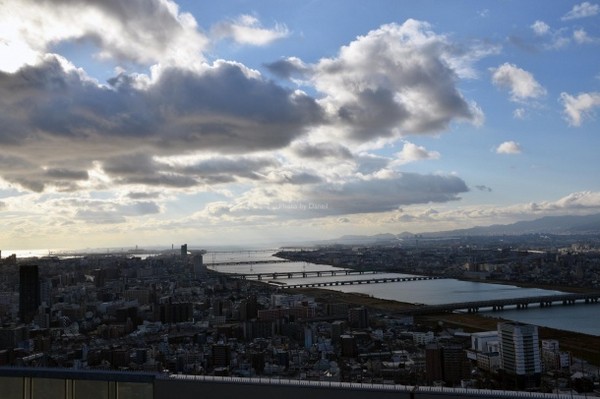
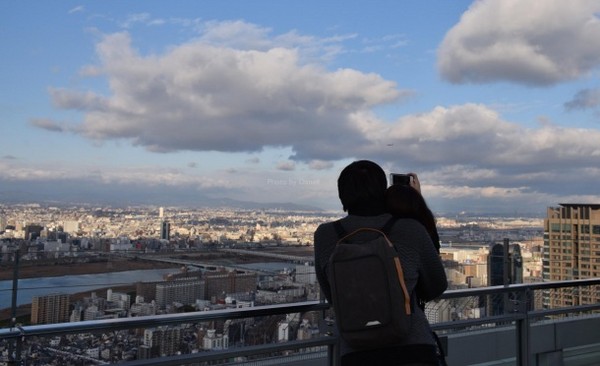
On the 39th floor, rows of chairs with semi-circular transparent canopies offer unobstructed views of Osaka’s scenery. Guests can also enjoy a drink, and it’s a popular spot for couples. The rooftop observatory provides sweeping views of the surrounding cityscape, including Osaka Castle, Osaka Dome, Universal Studios, the Akashi Kaikyo Bridge, and Awaji Island — truly breathtaking.
Osaka Castle — A Witness Across Eras
Osaka Castle, dating back to the era of Toyotomi Hideyoshi, like other great structures in the world, was an enormous undertaking at the time. Over a thousand ships were used to transport massive stone blocks from various parts of Osaka to build the castle.
After Toyotomi Hideyoshi’s death, Tokugawa Ieyasu, who took over power and established Edo as the capital, burned down Osaka Castle. It also suffered damage during World War II. It wasn’t until a full renovation in 1995 that it regained its current beautiful appearance.
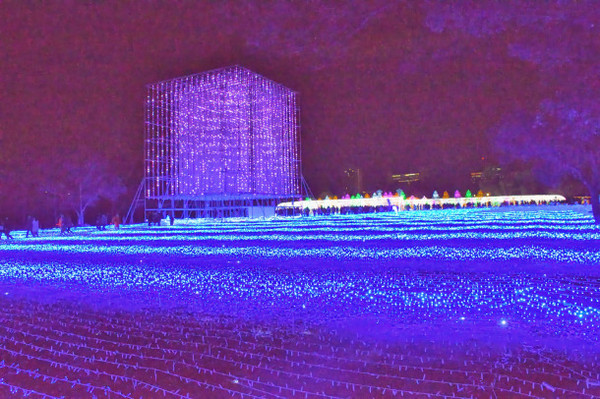
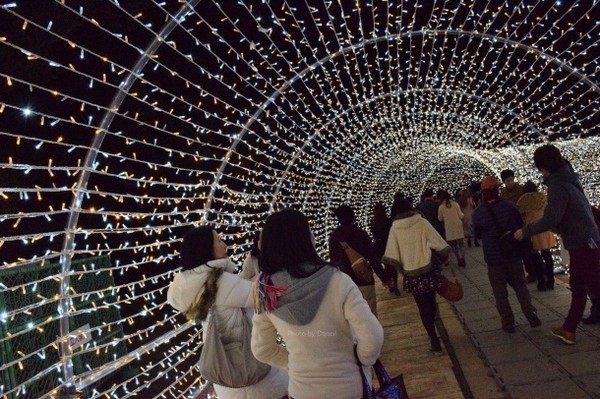
Today’s Osaka Castle, besides the iconic Tenshukaku (main keep), transforms into a large canvas during winter, serving as the backdrop for the “Light Art Festival.” Osaka Castle Park also becomes a fairytale-like garden, adorned with a long starlight corridor — incredibly romantic.
Osaka City Hall — Old City, New Look
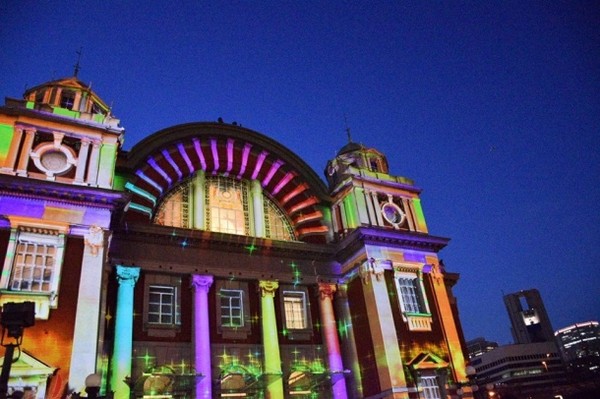
Visiting City Hall might initially strike general tourists as dull. But like Osaka itself, it blends old and new, with even its historic structure pulsating with vibrancy. It’s considered old because Osaka City Hall is over 100 years old, built with significant funding from merchants at the time.
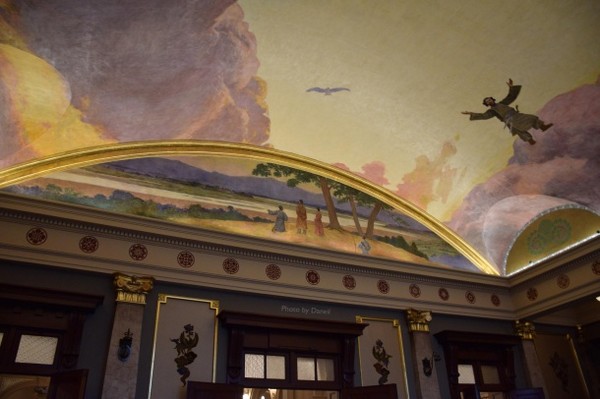
Even today, Osaka City Hall retains many vestiges of its past. Elevators, murals, architectural layouts, and more have all been preserved. The theater is transformed into a concert hall during Christmas, celebrating the season with the public and spreading festive cheer.
The site is open to the public twice a year. We were fortunate to visit on the eve of Christmas, coinciding with one of the open days. Arranged by the tourism bureau, the curator personally gave explanations, which we found utterly fascinating. Old city, new look — even historic buildings can be vibrant. In recent years, Osaka City Hall launched a campaign called “Osaka Light Renaissance,” using dynamic light projections on the old structure to offer a luminous feast for citizens and visitors alike.
Namba Bridge · A Chance Encounter
During our time in Osaka, we’re grateful for the thoughtful arrangements by the tourism bureau, which had us stay at the Cross Hotel near Dotonbori and Shinsaibashi. Its location is excellent, just a five-minute walk from Shinsaibashi Station, with the intersection of Dotonbori and Shinsaibashi right downstairs — making it an ideal choice for experiencing Osaka by day and night. Our room offered a view of the giant Glico billboard, a testament to the hotel’s prime location.
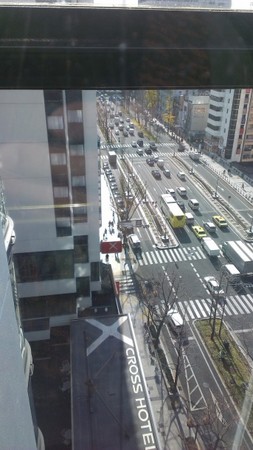
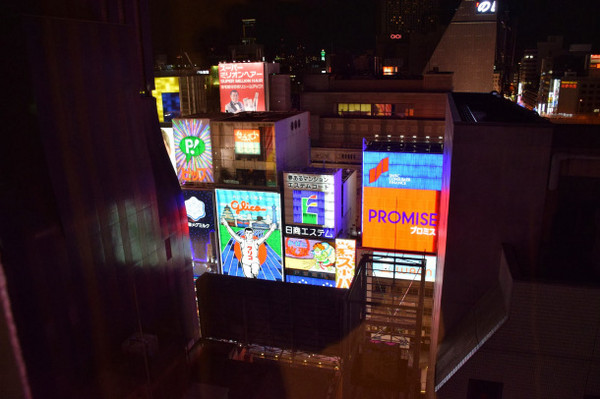
▲ From the Cross Hotel room, you can see Osaka’s iconic billboard — a clear sign of its convenient location.
As for Dotonbori, over 300 years ago it was known as “Namba Bridge,” also called the Bridge of Encounters. Back in the Edo period, it was a hub for performances, teahouses, and theaters. Whether audiences or performers, many liked to warm up with a meal nearby after shows, leading to the formation of the still-bustling food street we see today.
Here, you’ll find classic dishes at Kiriko Tower, the sizzling sounds of teppanyaki at Torikizoku, and the rich flavors of top-tier skewers — all sure to tempt food lovers like me. Among the small and large alleys, countless eateries thrive, bustling with energy and diverse charm.
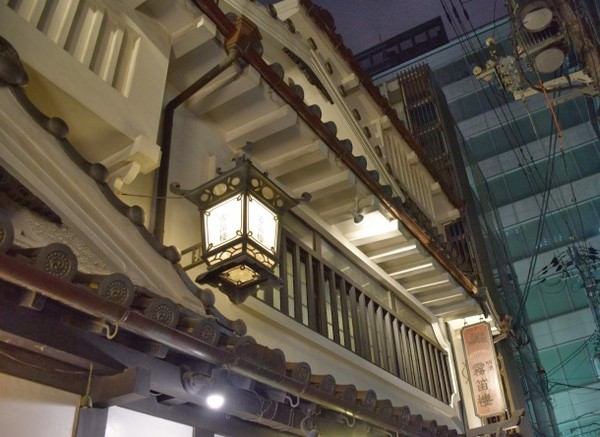
▲ Kiriko Tower is a building from the Meiji period.
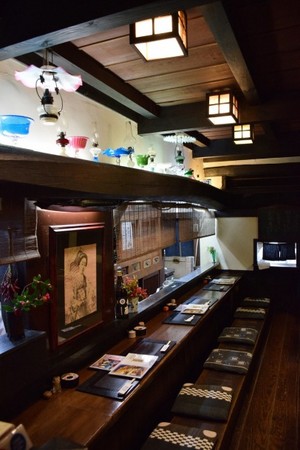
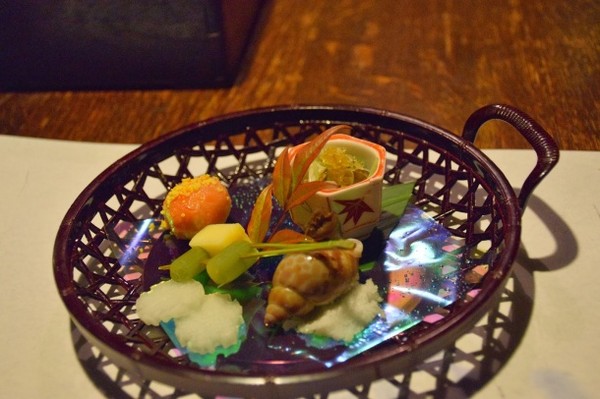
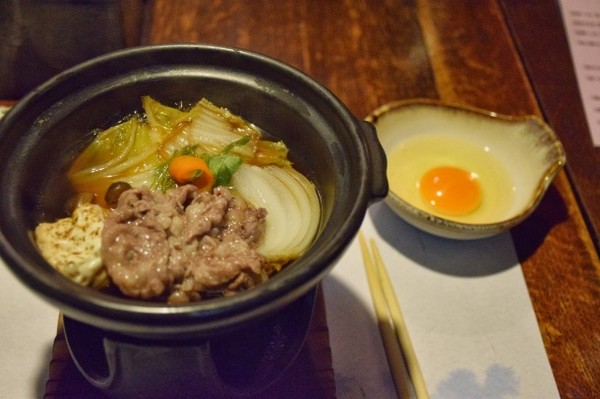


▲ Torikizoku’s okonomiyaki is made fresh on the teppan.
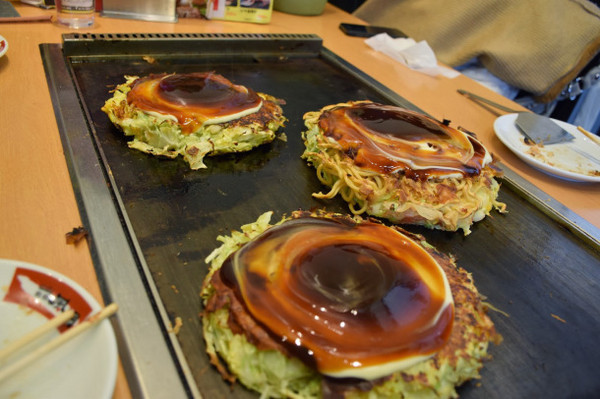
▲ Torikizoku’s okonomiyaki is bursting with flavor and packed with ingredients.
Alleys · Wishing
Venturing into Osaka’s streets and alleys, with careful observation, you’ll discover numerous temples that remain, along with local love stories passed down through generations.
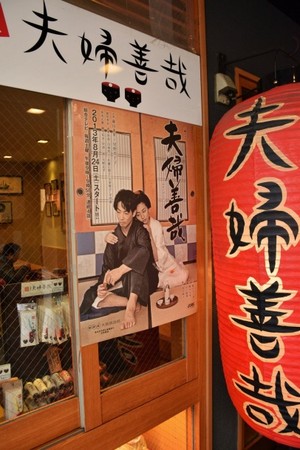
Near Hozenji in the Shinsaibashi area, aside from many worshippers praying to the moss-covered “Suijin Bosatsu (Water Deity)” for wishes, the nearby “Fufu Zenya” (Couple’s Paradise) shop is also widely known. Established in Meiji 16 (1883), it’s the setting of the debut novel by famed author Osamu Dazai.
Legend has it that the writer, struggling in life, once shared a sweet red bean paste dessert with his beloved. The story resembles that of the famous novel “Meoto Zenzai,” and the shop remains a beloved spot where people come to fulfill wishes. It’s a place that moves many, drawing countless visitors year after year.
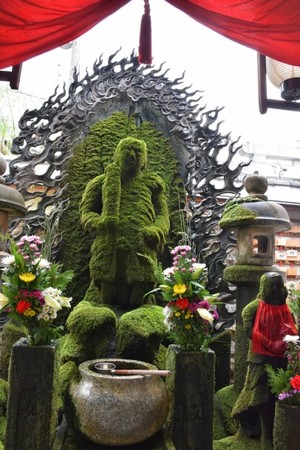
▲The deities enshrined at Hōdōji Temple are covered in moss, and it is said that pouring water on them can bring good luck.
The deities enshrined at Hōdōji Temple are covered in moss, and it is said that pouring water on them can bring good luck. Similarly, tucked away in the alleyways, the love story of the open-air shrine is far more tragic. The male protagonist, Denbei, falls in love with the geisha Ohatsu. Their love, not blessed by others, leads to Denbei being disowned by his relatives and betrayed by his friends. In the end, the two choose to bid farewell to the world and to the night. Denbei ultimately takes Ohatsu’s life with his wakizashi, then ends his own.
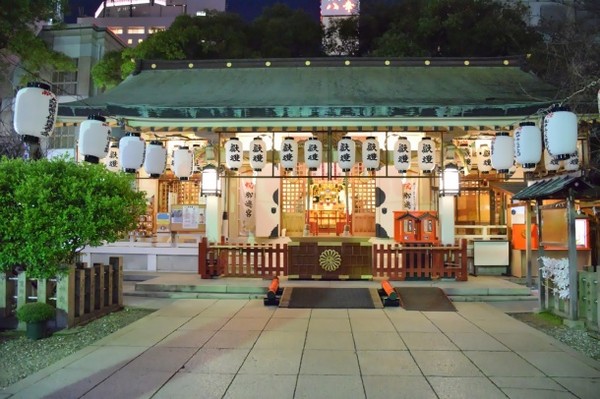
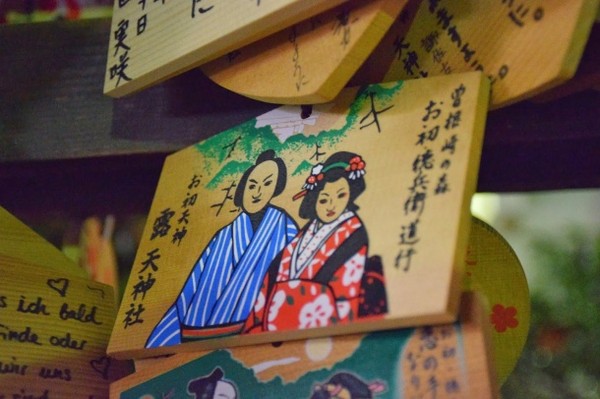
"Whether we loved or grieved, fate and the world never went as we wished. Before today, our hearts knew not a single day of ease, not a single night of peace, tormented by a love so fraught with hardship."
This story was later adapted into "The Love Suicides at Sonezaki," a famous play in kabuki. Reading this reminded me of what I learned in university about the difference between ancient Greek theater and Shakespeare. Our professor told us that Shakespeare’s greatness lies in his rejection of the notion of predestined fate found in ancient Greek drama, allowing his characters to have distinct personalities and, consequently, different outcomes.
"The Love Suicides at Sonezaki" may be like "Romeo and Juliet" in that what makes it moving is not only their unwavering love and the bravery of their double suicide, but also their courage to challenge fate and make this life-altering choice. Doesn’t that require even greater strength?
I’m not advocating for double suicide—I just think that when a couple can confirm their feelings for each other and follow the path they believe in, it’s truly romantic. I never expected to find such a romantic story in the bustling heart of Osaka.
Today, perhaps not many seek to explore the story’s ending, but many come here to make wishes—for smooth romance and a happy future with their beloved. No matter the outcome, the wish itself is beautiful.
●Author: Daneil Cheung, a post-90s Hong Konger who calls himself a half travel journalist. He hopes to travel the world and runs a personal blog called “The Story of a Half Travel Journalist” and also has aFacebookpage.
Share
This article is published by HowToTrip. Sharing and reposting are welcome — please credit the source.
Article URL: https://www.howtotrip.net/views-24409
Related Articles
- Shaoxing's "Grandpa Gourd" hangs the gourds back up: "If there are too many people, we'll interact less — just take a quick look from afar"
- Chinese authorities announce "reciprocal adjustment" to Japan visa fees — single-entry visa jumps from 2,250 to 16,750 yen!
- The "health stones" carried by a traveler were found to have radiation levels exceeding safety limits by a thousand times, potentially endangering fellow passengers on the same flight. Customs issues warning!
- Shenzhen Airport Issues Late-Night Notice: Unidentified Aerial Object Detected, Causing Widespread Flight Delays!
- “They only said it cost money after I opened the box and washed it!” 200g of grapes sold for 60 yuan on a high-speed train—12306 responds!
- Can't buy an airline ticket? Denied exit? Blocked from boarding? A large number of Chinese tourists have mysteriously become "discredited individuals"
- Adverse weather and economic fluctuations impact Colombia's coffee market
- Beach bathing area responds to 2 yuan/30 seconds fee for freshwater foot rinsing: Clearly priced!
- Taking off with an improperly closed cabin door? Wing malfunction? Multiple flights made emergency returns mid-journey!
- Experience the gifts of nature! A countdown of the world’s ten most stunning coastlines