"This is what bothers me most about traveling in Japan" — Tourists cite lack of foreign-language services as top issue
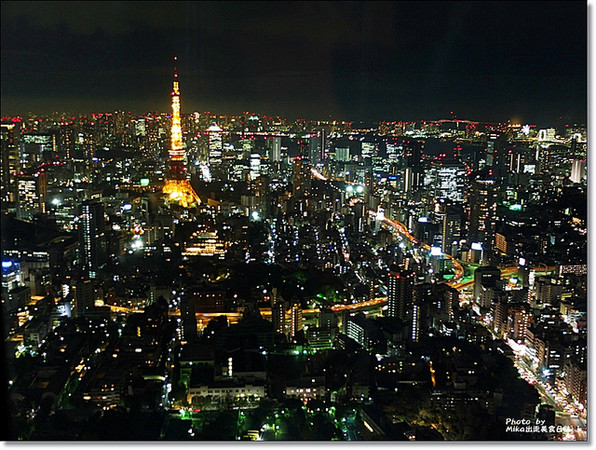
▲ Tokyo, Japan, successfully secured the bid to host the 2020 Olympics in 2013. Although Japan is considered a major tourist destination, there are still many shortcomings that cause inconvenience for travelers during their trips. (Photo/MIKA)
Travel Center / Comprehensive Report
Japan’s attentive and polite service, convenient facilities, and efficient transportation are among the most memorable aspects of visiting the country for many travelers. However, there are also some minor drawbacks. Japanese mediaNikkei MJrecently conducted a survey of 100 foreign tourists, and the results showed that "lack of foreign-language services" and "inadequate free Wi-Fi infrastructure" were the most frustrating issues they encountered in Japan and hoped could be improved.
The 2020 Summer Olympics were announced to be held in Tokyo, Japan, in early 2013. In anticipation of providing a better environment, travel spaces, and services for athletes from around the world and the influx of foreign tourists coming to watch the games, Japan has been preparing intensively. Against this backdrop, Nikkei MJ surveyed 100 international tourists in late January, asking them about the services they found troublesome during their travels in Japan and hoped could be improved, and then ranked them in a list.

▲ Although Japan is an advanced country, its limited free WiFi hotspot infrastructure surprises many travelers. (Photo/Illustration/Dazhi Imagery)
The biggest headache for foreign tourists is visiting famous attractions or theme parks where no foreign-language services are provided. This makes it difficult for visitors to understand the history of the sites or seek assistance, leaving them unable to resolve issues when problems arise.
Ranking second is the outdated free WiFi hotspot infrastructure. Even in Tokyo, only a few tourist attractions or train stations offer free WiFi, with limited coverage that doesn’t extend throughout the entire site. In chain restaurants, using WiFi often requires setting up an account beforehand, which is very inconvenient for tourists who want to share their travel experiences on social media or look up information on the go.
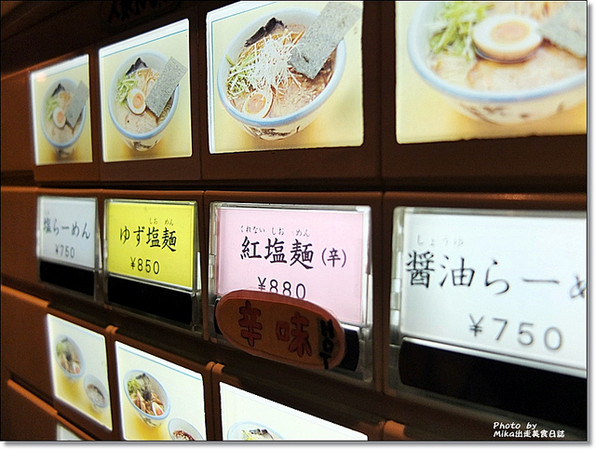
In many Japanese restaurants, customers are expected to first purchase meal tickets from vending machines outside the establishment before entering to dine. However, these vending machines only have instructions in Japanese, leaving non-Japanese speakers (especially Western tourists) confused, as if they were deciphering hieroglyphics, and often prompting them to leave disappointed. Additionally, when asking staff for help, communication can be frustrating as many employees do not speak English.
% Many foreign tourists mentioned that they felt helpless when trying to use ticket vending machines due to the lack of multilingual support. (Photo/MIKA)
The richly traditional "Japanese cuisine culture" is a favorite among food lovers. Traveling to Japan often involves embracing local customs and trying the Japanese way of eating. However, some visitors feel that many restaurants do not guide foreigners on "how to eat," leaving many hesitant to try. A Chinese tourist interviewed said: "When I went to a beef N<店用餐时,餐点中还有附赠一颗生鸡蛋,但店员却没有说明该怎么吃,让我不知道到底该拿那颗生鸡蛋怎么办。”
Traveling to Japan: The top five most frustrating shortcomings for tourists
1. Lack of foreign-language services
2. Inadequate free WiFi infrastructure
3. Meal ticket vending machines in restaurants only display Japanese, which is completely incomprehensible
4. Restaurant staff do not provide guidance on how to use the meals or eat
5. Many businesses do not accept credit cards, only cash
Share
This article is published by HowToTrip. Sharing and reposting are welcome — please credit the source.
Article URL: https://www.howtotrip.net/views-24359
Related Articles
- Shaoxing's "Grandpa Gourd" hangs the gourds back up: "If there are too many people, we'll interact less — just take a quick look from afar"
- Chinese authorities announce "reciprocal adjustment" to Japan visa fees — single-entry visa jumps from 2,250 to 16,750 yen!
- The "health stones" carried by a traveler were found to have radiation levels exceeding safety limits by a thousand times, potentially endangering fellow passengers on the same flight. Customs issues warning!
- Shenzhen Airport Issues Late-Night Notice: Unidentified Aerial Object Detected, Causing Widespread Flight Delays!
- “They only said it cost money after I opened the box and washed it!” 200g of grapes sold for 60 yuan on a high-speed train—12306 responds!
- Can't buy an airline ticket? Denied exit? Blocked from boarding? A large number of Chinese tourists have mysteriously become "discredited individuals"
- Adverse weather and economic fluctuations impact Colombia's coffee market
- Beach bathing area responds to 2 yuan/30 seconds fee for freshwater foot rinsing: Clearly priced!
- Taking off with an improperly closed cabin door? Wing malfunction? Multiple flights made emergency returns mid-journey!
- Experience the gifts of nature! A countdown of the world’s ten most stunning coastlines