A Japanese noodle that’s not ramen? The rich aroma of soy sauce and black vinegar whets the appetite
Photos/Text byYouShang at a 45-degree angle
There seems to be a growing trend of Japanese people opening shops in Taiwan. In addition to the already hard-to-get-into “Nagoya Daitokoro,” there’s also a Japanese-run, long-established eatery near the Shuanglian MRT station—one that I, YouShang, had the fortune to discover only recently: Yokohama Chanpon Tei.
This shop’s signature dish is Yokohama’s iconic chanpon noodles. Before Japanese chain chanpon restaurants came to Taiwan, I, YouShang, had no idea what it was—no wonder the owner specifically clarifies at the entrance: “A Japanese noodle that’s not ramen.” I imagine many people probably walked in thinking it was ramen, only to complain to the owner after tasting it?
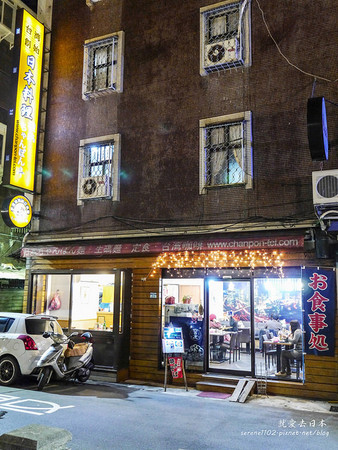
This shop has been here for many years. To my shame, I must confess: I’ve passed by it hundreds of times but never went in—how did that happen?!
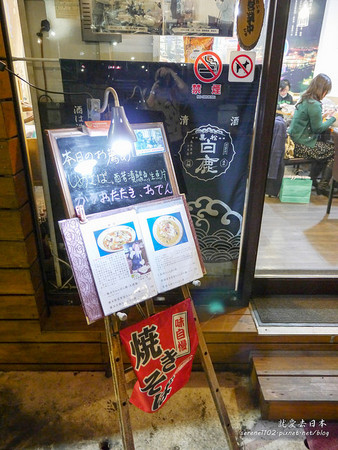
The menu displayed at the entrance has a very Japanese vibe. Although the photos on the menu aren’t the best, you can still tell the owner put effort into helping diners understand the uniqueness of chanpon.
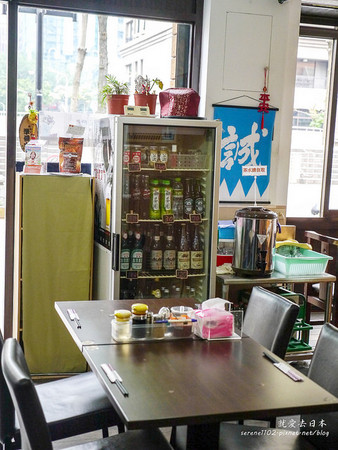
The interior is just like any typical small shop, accommodating around twenty guests. The seating is a bit cramped but clean. You can also order a little drink and some Japanese side dishes for a relaxing chat.
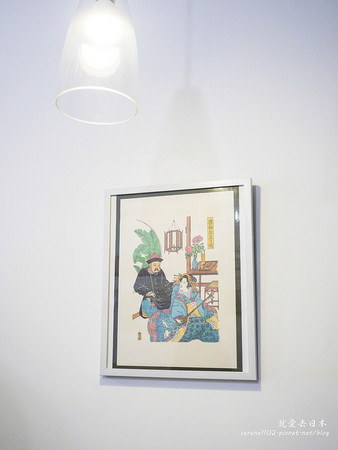
The picture hanging on the wall seems to be promoting harmony between China and Japan (lol).

The table has various seasoning bottles, and there are also thoughtful pen and paper pads provided—if you have special requests, you can let the staff know.
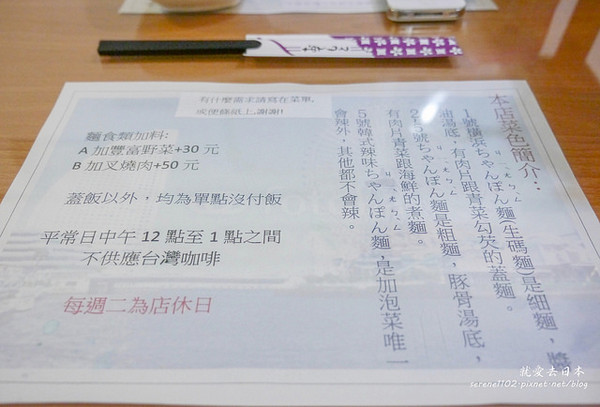
Each seat also has a piece of paper pressed underneath, explaining the characteristics of the different numbered chanpon options.
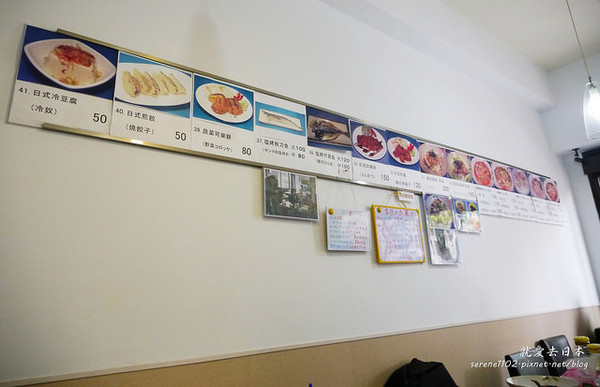
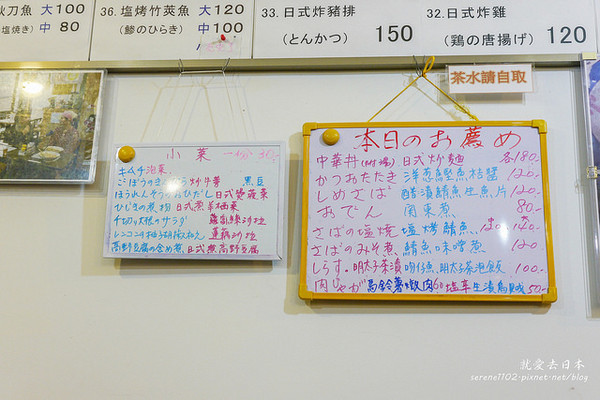
It’s not just about noodles—the walls also feature specially recommended dishes. These might change daily, but they’re definitely all Japanese cuisine.
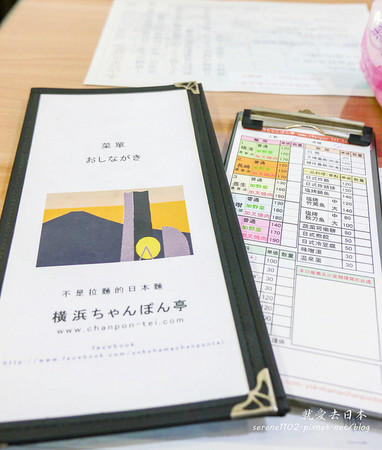
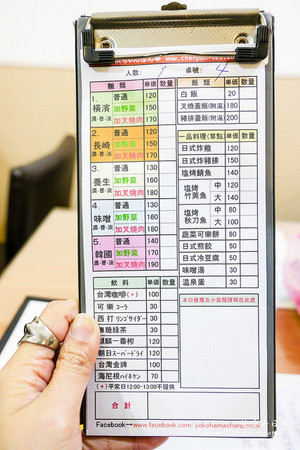
The menu includes photos of dishes, but during both of my visits, I didn’t come for the chanpon—because I, YouShang, felt the chanpon was too similar to Taiwanese noodles. Instead, I just wanted to try other Japanese dishes I’d been longing to taste.
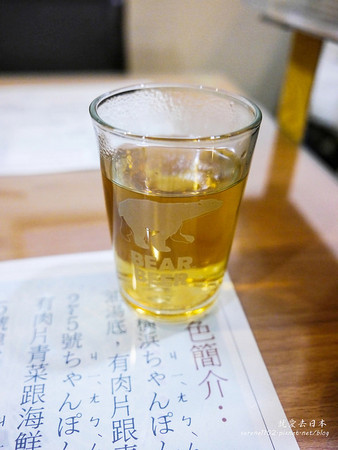
Although the sign says help yourself to tea, the Japanese owner will thoughtfully serve each guest a warm mugicha (barley tea).
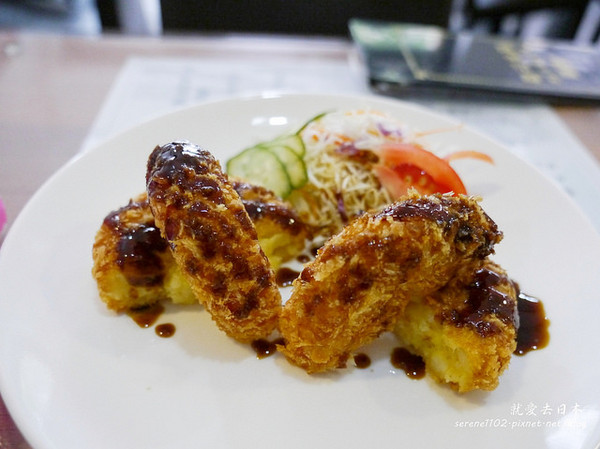
The vegetable korokke surprised me with its plating as soon as it was served. Unlike most shops that just serve two plain fried korokke patties, these are cut in half for easy eating, and they even come with a side of vegetable salad. The sauce is drizzled with an artistic touch too.
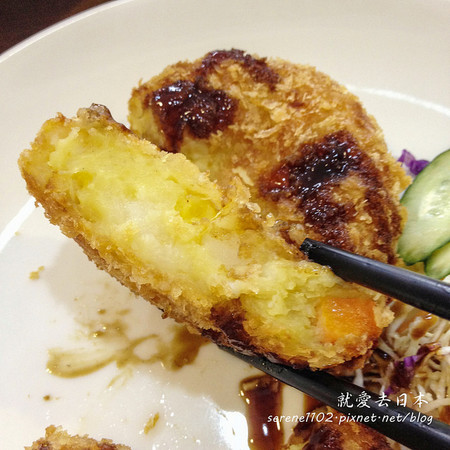
You can see carrot and corn in the cross-section, and the color has a slight yellow tint. Turns out—this korokke is made with a filling mixed from potatoes and sweet potatoes, letting you enjoy both the fluffy texture of potato and the sweet aroma of sweet potato. It’s neither dry nor greasy, and has a lovely subtle sweetness. The oil used for frying is top-notch, with no off flavors, and paired with the rich sauce specially drizzled by the owner, the saltiness brings out the vegetables’ sweetness. The sauce is just perfectly applied.
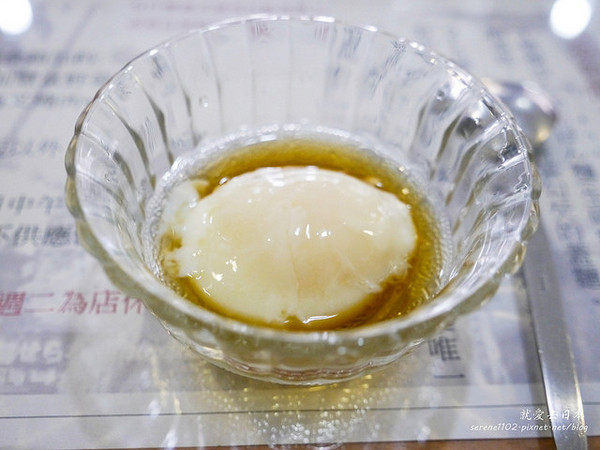
When the onsen tamago (hot spring egg) is served, its smooth, glossy white appearance is quite eye-catching—who wouldn’t want skin like that, right (lol)?
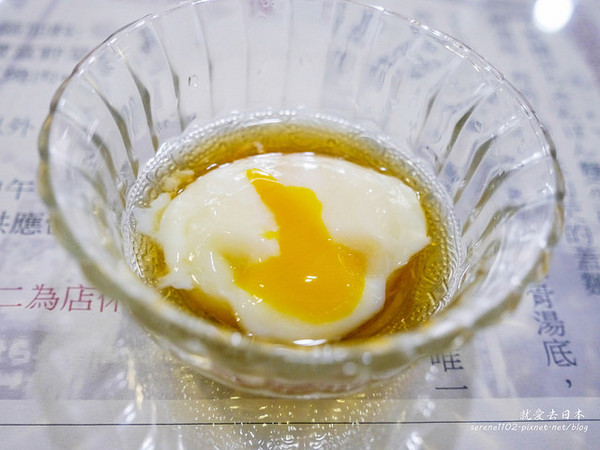
It’s brushed with what looks like a light soy sauce made from bonito flakes. Though the egg is only half-cooked, when you eat the whole bowl—including the egg—there’s absolutely no eggy smell, just the lingering fragrance of the egg on your lips.
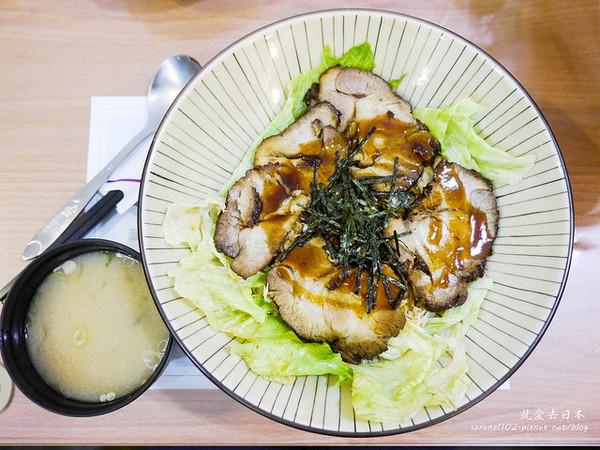
The char siu donburi (pork chop rice) has a rather fun presentation: white rice in the center topped with shredded cabbage, surrounded by leafy greens, then four slices of char siu and seaweed flakes. I, YouShang, love how much care the chef puts into the plating—even a simple bowl of rice is done with such thought.
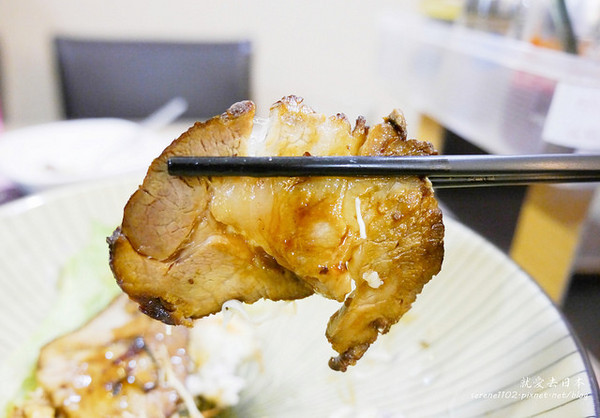
This char siu must be eaten in one bite—that’s a must. If you just eat the lean parts on the sides, they tend to be a bit dry, but when you take a bite that includes the tender, fatty center, the texture changes completely. It becomes juicy, smooth, and has that satisfying firmness of lean meat. Now that’s what I call good char siu.
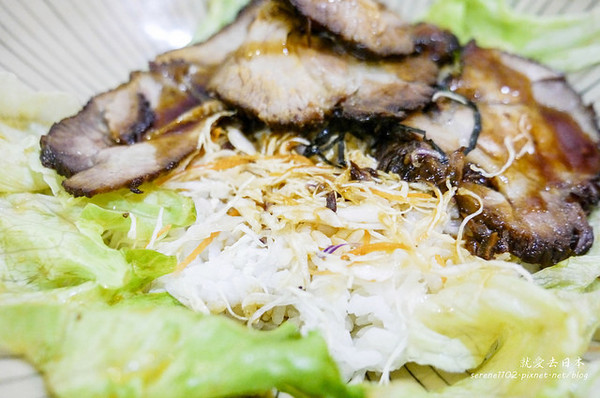
The shredded cabbage has a little sour sauce on top, which pairs really well with the char siu and is refreshing. The leafy greens are pretty ordinary and nothing special—and because the rice is hot, they get a bit soft, which I, YouShang, didn’t particularly like.
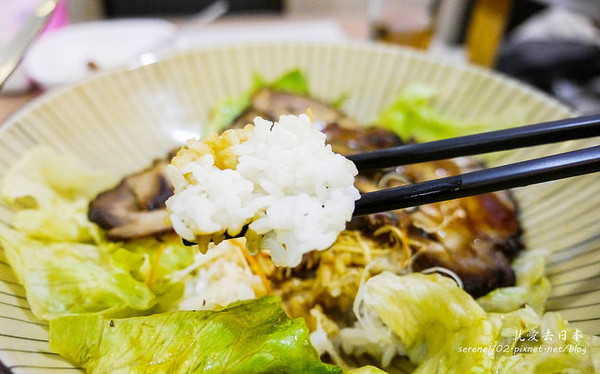
The white rice may not be as good as what you’d get in Japan, but it’s quite Q (chewy) and not mushy at all. No wonder the Japanese take their rice cooking so seriously.
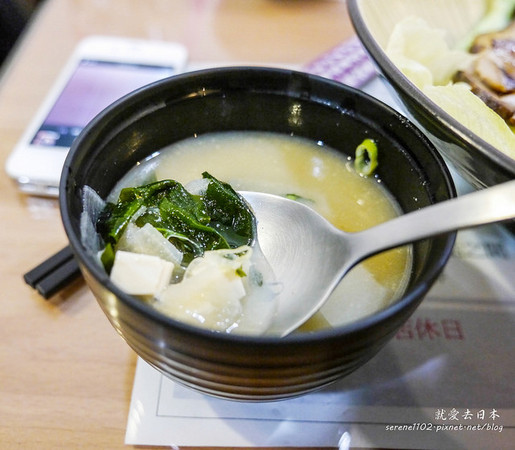
The miso soup that comes with the char siu donburi is a bit salty—it’s the full authentic Japanese flavor.
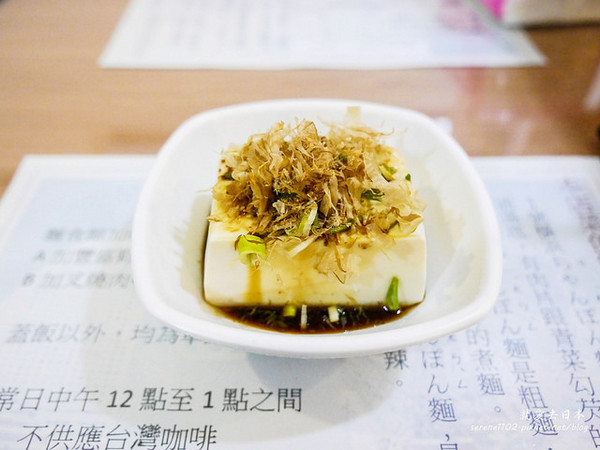
Japanese cold tofu... well... it’s just tofu... The only difference from the Taiwanese version is that it’s topped with light bonito soy sauce instead of thick soy paste. There’s also plenty of katsuobushi sprinkled on top. Just saying.
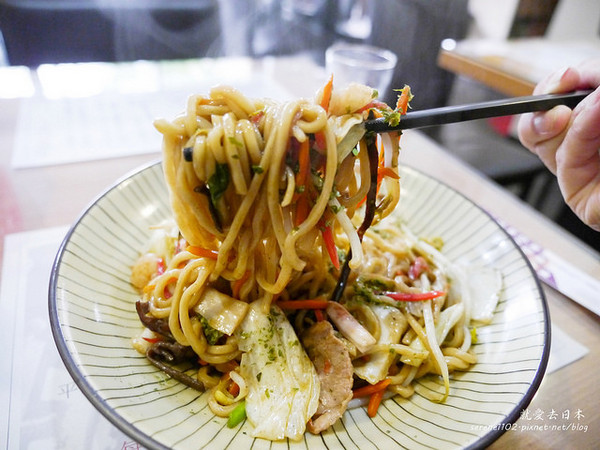
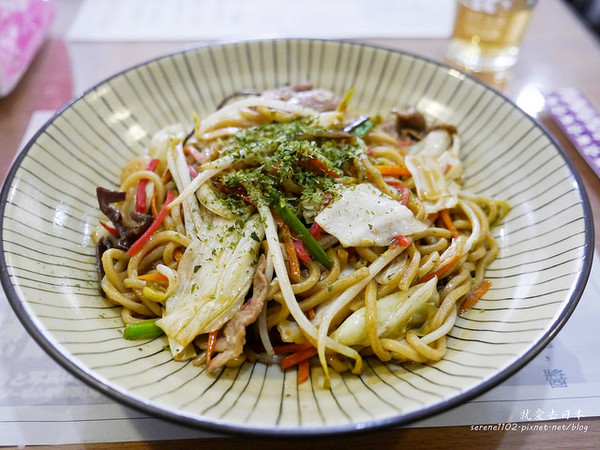
The Japanese-style yakisoba (stir-fried noodles) is listed on the small whiteboard—it’s not available every day. I, YouShang, have always wanted to try authentic Japanese yakisoba. On my first visit, after ordering the char siu donburi, I noticed something interesting on the whiteboard. So I had to come back again the next day for lunch just to try this long-craved yakisoba and finally satisfy my craving (lol).
As soon as it was served, the rich aroma of soy sauce and black vinegar was truly incredibly appetizing. The portion is very generous, with slices of pork, shredded cabbage, carrot strips, black fungus, fish cake, and if I remember correctly, some squid too. The stir-fry isn’t watery or messy-looking, but rather dry yet with just the right amount of moisture.
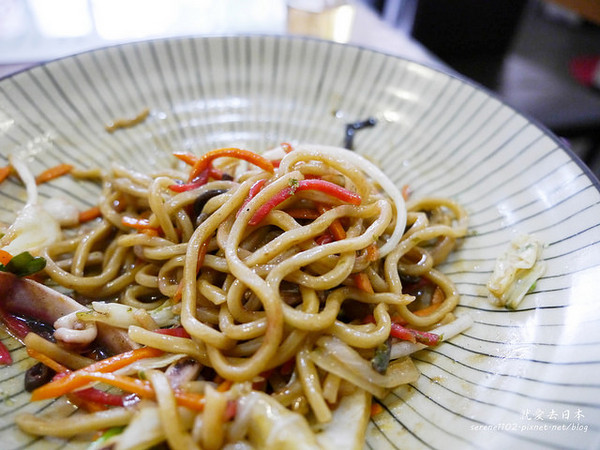
Since I, YouShang, like sour flavors, this dish really hit the spot. Later I found out it also had pickled red ginger, which explained the especially fragrant taste. Among these dishes, if we don’t compare it to the chanpon, this yakisoba is the number one winner. The dishes on the whiteboard change regularly, and there are also plenty of small dishes, salads, and fish dishes perfect for drinking—definitely full of Japanese flavor.
[Yokohama Chanpon Tei (Yokohama Chanpon Shop)]
Address:No. 26, Lane 49, Chifeng Street, Taipei City
Phone:02-2552-2556
Business Hours:Weekdays 11:30-14:00, 17:00-21:00; Saturdays and holidays 11:00-20:30; closed on Tuesdays
Location Guide:Exit from Exit 1 of Shuanglian MRT Station, turn around and walk straight along the right side of the MRT Linear Park toward Zhongshan Station. Arrive in about 3 minutes.
Right upper 45-degree angle, a Japanese-style food travel diary by a girl
I just love going to Japan
http://serene1102.pixnet.net/blog
Share
This article is published by HowToTrip. Sharing and reposting are welcome — please credit the source.
Article URL: https://www.howtotrip.net/views-23692
Related Articles
- Shaoxing's "Grandpa Gourd" hangs the gourds back up: "If there are too many people, we'll interact less — just take a quick look from afar"
- Chinese authorities announce "reciprocal adjustment" to Japan visa fees — single-entry visa jumps from 2,250 to 16,750 yen!
- The "health stones" carried by a traveler were found to have radiation levels exceeding safety limits by a thousand times, potentially endangering fellow passengers on the same flight. Customs issues warning!
- Shenzhen Airport Issues Late-Night Notice: Unidentified Aerial Object Detected, Causing Widespread Flight Delays!
- “They only said it cost money after I opened the box and washed it!” 200g of grapes sold for 60 yuan on a high-speed train—12306 responds!
- Can't buy an airline ticket? Denied exit? Blocked from boarding? A large number of Chinese tourists have mysteriously become "discredited individuals"
- Adverse weather and economic fluctuations impact Colombia's coffee market
- Beach bathing area responds to 2 yuan/30 seconds fee for freshwater foot rinsing: Clearly priced!
- Taking off with an improperly closed cabin door? Wing malfunction? Multiple flights made emergency returns mid-journey!
- Experience the gifts of nature! A countdown of the world’s ten most stunning coastlines