Herbal shop turned canteen: Eggplant Winter Chicken, Gastrodia Fish—Discover Grandma’s Handcrafted Herbal Cuisine
Photos and text excerpted from “Taste Quest: 74+ Great Restaurants in Taiwan”
“The herbal meals my grandma used to make for us were simple yet delicious, filled with her heartfelt wish for our family’s health.” — The daughter-in-law of Chiayi’s Yongchangtang Herbal Medicine Shop inherited her grandma’s wisdom of health and flavor, opening an herbal cuisine restaurant,not only infusing herbs into dishes but also crafting handmade soaps with herbs and creating small animal decorations like crabs using medicinal ingredients, giving herbs a fresh new look, showcasing the boundless creativity of Taiwanese people.
Hidden away inYongchangtang Herbal Medicine Shop on MinGuo Road in Chiayi City,the carved wooden door exudes an old-world charm, standing alongside neighboring traditional low-rise houses to create a uniquely mismatched aesthetic. Stepping inside, shelves, counters, and even the floor of the herbal shop are packed with medicinal herbs and plants, along with floral herbal teas—each with its own health benefits and usage, offering a feast for the eyes.There are also freshly made homemade breads, chewy and tasty—an unusual item in an herbal shop.。
Secret garden, Grandma’s handcrafted herbal cuisine
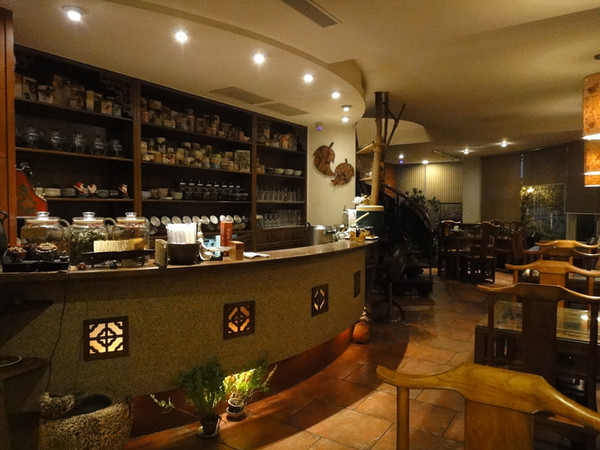
But the surprises don’t end there. Following the aroma of herbs deeper into the shop and climbing the stairs through another door, you’ll find the herbal pharmacy’s restaurant—Xinyi Caotang. Without a hint, it’s hard to imagine such a hidden gem behind the building’s exterior. The second- and third-floor restaurant is decorated in a Chinese style, with even the hanging lanterns featuring calligraphic poetry. The air is infused with the scent of herbs, creating a calming atmosphere. The herbal candles and decorations in the shop are all handcrafted by the owner—Peng Miaoling, the driving force behind Xinyi Caotang.
When Peng Miaoling first married into the herbal medicine shop, she didn’t know anything about medicinal herbs. Later, she began taking classes daily to learn about herbs, memorizing the names and effects of various ingredients. Now, she has an in-depth knowledge of herb names, preparation methods, therapeutic effects, and how they flavor dishes—after a long and arduous learning journey. Unfortunately, in 2001, a devastating fire razed Yongchangtang Herbal Medicine Shop to the ground, leaving Peng Miaoling and her husband with nothing. But she remained undeterred and ignited a renewed fighting spirit. After rebuilding the shop on the same site, she decided to open a health-focused restaurant featuring herbal-infused cuisine—that’s how Xinyi Caotang was born.
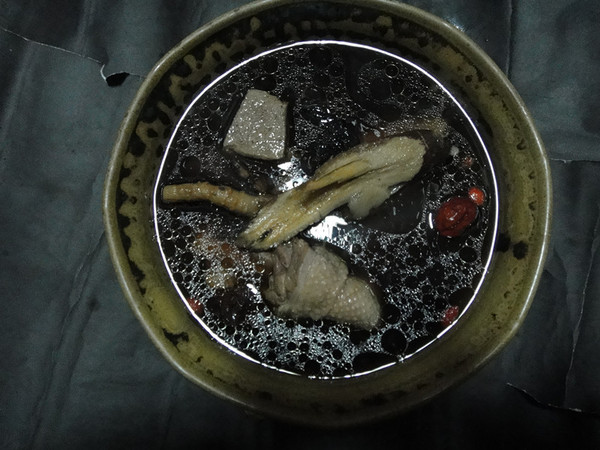
Since the family ran an herbal shop, Peng Miaoling was reminded of the herbal meals her grandma used to make: simple yet delicious, imbued with a heartfelt hope for family health—dishes likethe menu’s Eggplant Winter Chicken, Dogtail Chicken, and Divine Grass Chicken, all grandma’s handcrafted recipes.The skilled owner follows her grandma’s ingredient formulas, and every herbal dish uses herbs from the family’s three-generation-old pharmacy downstairs. The herbs are all prepared, sun-dried, steamed, and sliced by the family to ensure quality and avoid any improper additives, allowing everyone to eat with peace of mind.
Mastering herbs and adjusting ingredients by season
Traditional dietary therapy emphasizes adjusting ingredients according to the four seasons, so Peng Miaoling, who also serves as head chef, changes dishes based on TCM wellness principles, using seasonal specialties. She focuses on avoiding excessive heat or dryness—even a bowl of plain rice is carefully balanced with grains to ensure harmony, letting every guest enjoy true health.If you’re unsure what to order, the staff can provide detailed descriptions of each dish, including features and therapeutic benefits, putting you at ease with their attentive service.
Xinyi Caotang redefines the traditional image of herbal cuisine. Upon being seated, a large pot of floral herbal tea is served in clay teacups, offering a sweet aftertaste. Given the focus on wellness, vegetable salads are a must—the owner’s parents grow vegetables and fruits, which become part of the dishes. Next, the server brings out earthenware crockery; lifting the wooden lid reveals fresh seasonal fruits. To prevent oxidation, Xinyi Caotang carefully uses wooden lids and clay pots—a thoughtful and attentive touch. From tableware to contents, everything defies the usual herbal restaurant experience.
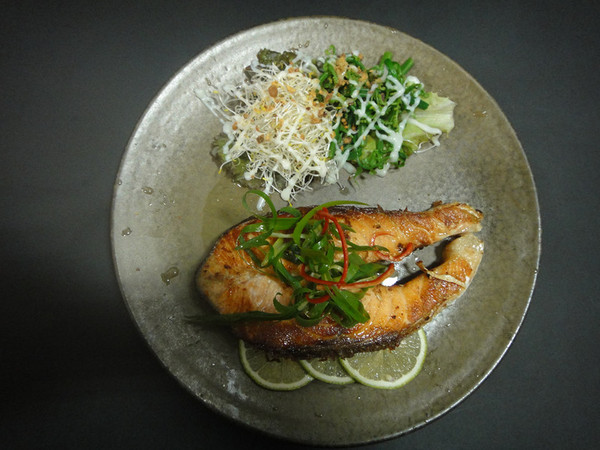
What you’re eating is wellness cuisine,so the serving order also follows wellness logic: since fruits are easy to digest, they’re served before soup—vegetable salad, fruit, soup, and then the main dishes.Thanks to Peng Miaoling and her husband’s deep knowledge of herbal medicine, they skillfully pair fish and chicken with the right herbs to suit the needs of cooling or warming tonics for each season, ensuring no negative impact on health—this worry-free dining experience makes it hard not to indulge.
Xinyi Caotang’s cooking philosophy is simple:it mostly uses steaming, boiling, and stewing instead of frying, with minimal oil, salt, and no MSG—offering home-style flavors.For quality control, every dish ordered by guests is personally prepared by the owner, with no outsourcing. Due to the intricate preparation process,each main dish is portioned, so it’s recommended to make a reservation before visiting.
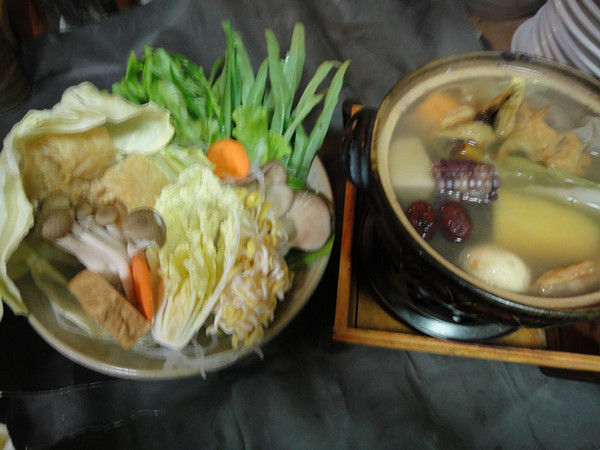
Foodie recommendations
Braised Chicken Thighs with Eggplant Winter
The cooking process is elaborate, and reservations must be made at least three hours in advance to enjoy this dish. Red-stemmed gedi leaves, chosen for their red leaf stems, are used in the recipe. These leaves aid digestion and are paired with boneless chicken thigh pieces marinated in salt, then wrapped in the gedi leaves and braised with a little wine for 70 minutes. The chicken, prepared through braising, is exceptionally tender, fragrant, and succulent upon tasting.
Steamed Perch with Gastrodia Elata
Gastrodia elata is commonly used in medicinal cuisine and is a precious traditional Chinese herb. This dish is not difficult to prepare: first soak and rinse the gastrodia elata, then combine it with ginger, astragalus, goji berries, half a cup of tonic wine, and sea bass. Steam everything together for 10 minutes, and it’s done. The steaming process brings out the freshness of both the ingredients and the herbs. The broth is smooth and pleasant, the fish is meaty, and there’s no heavy medicinal aftertaste.
Eight-Treasure Beauty Chicken Soup
The “eight treasures” refer to the Four Gentlemen and the Four Substances, making this soup an excellent choice for regulating qi and blood in autumn and winter. After blanching the chicken, add the eight treasures and simmer over medium heat. The cooking method is simple, yet the aroma is rich and the flavor robust. It promotes blood circulation and benefits the skin, making it especially suitable for women.
Bitter Tea Oil Chicken
Unlike the common method of stir-frying with ginger, Xinyi Caotang’s bitter tea oil chicken first blanches the chicken, then simmers it with rice wine, bitter tea oil, and ginger before transferring it to a clay pot for final steaming. The result is a dish that is neither greasy nor heavy, highlighting its healthy qualities.
"Delicious Road Signs"
2nd Floor, No. 159, MinGuo Road, Chiayi City
(05) 277-1996
Lunch: 11:00–14:00, Afternoon Tea: 14:00–17:00 (includes hot pot and light meals), Dinner: 17:00–22:00 (last orders at 20:00); Closed on Mondays
Closed on Mondays
Main courses: NT$330–380
No credit cards accepted
Share
This article is published by HowToTrip. Sharing and reposting are welcome — please credit the source.
Article URL: https://www.howtotrip.net/views-23653
Related Articles
- Shaoxing's "Grandpa Gourd" hangs the gourds back up: "If there are too many people, we'll interact less — just take a quick look from afar"
- Chinese authorities announce "reciprocal adjustment" to Japan visa fees — single-entry visa jumps from 2,250 to 16,750 yen!
- The "health stones" carried by a traveler were found to have radiation levels exceeding safety limits by a thousand times, potentially endangering fellow passengers on the same flight. Customs issues warning!
- Shenzhen Airport Issues Late-Night Notice: Unidentified Aerial Object Detected, Causing Widespread Flight Delays!
- “They only said it cost money after I opened the box and washed it!” 200g of grapes sold for 60 yuan on a high-speed train—12306 responds!
- Can't buy an airline ticket? Denied exit? Blocked from boarding? A large number of Chinese tourists have mysteriously become "discredited individuals"
- Adverse weather and economic fluctuations impact Colombia's coffee market
- Beach bathing area responds to 2 yuan/30 seconds fee for freshwater foot rinsing: Clearly priced!
- Taking off with an improperly closed cabin door? Wing malfunction? Multiple flights made emergency returns mid-journey!
- Experience the gifts of nature! A countdown of the world’s ten most stunning coastlines