Panama is more than just a canal — its rich biodiversity and traditional indigenous culture attract travelers.
Photos & Text /Happy Cloud
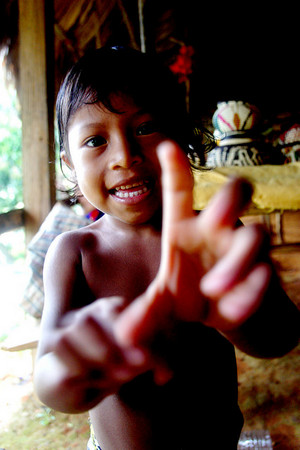
When Panama is mentioned, most people probably think of the “canal,” and some might recall that Panama is one of our diplomatic allies. Beyond that, the image often goes blank.
With such a limited impression, I came to this somewhat remote country. But in reality, Panama isn’t just about the canal. It has rich ecological resources, and the preservation of its indigenous cultures is truly intriguing, attracting travelers from all over the world.
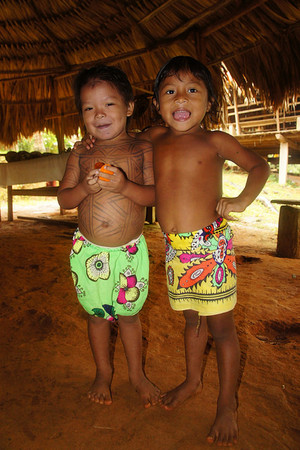
Panama is a country where diverse cultures and ethnicities blend. Aside from influences from Spain, Africa, the Caribbean, and Latin America, there are also seven indigenous tribes living here.
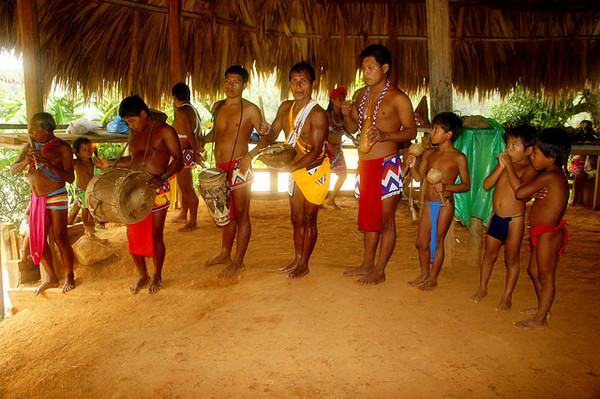
Some indigenous groups can be seen even in Panama City, while others continue to live in ancient, isolated regions.
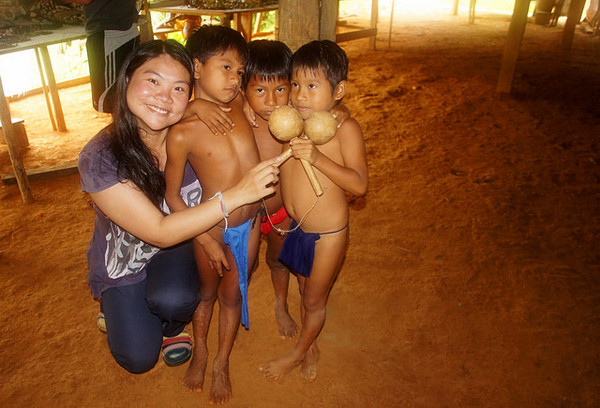
That day, we visited the traditional village of the Emberá Tucipono indigenous community, a special reserve located in the territory between Panama and Colombia. They once lived on this land by hunting, fishing, and farming.
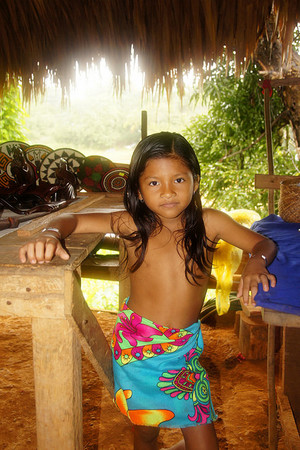
It wasn’t until 1985, when the Panamanian government established Chagres National Park, that activities like hunting were no longer permitted. After much discussion and research, aiming to preserve both historical culture and indigenous traditions, an eco-tourism model that benefits both sides was developed.

By maintaining their traditional way of life and architecture, incorporating festive music and dance performances, and creating handmade crafts from local materials for income, this approach allows the villagers to sustain their livelihoods while passing down their ancestral culture.

Arriving at Alajuela Lake, members of the Emberá Tucipono tribe, dressed in traditional attire, welcomed us by boat. Drenched in rain, bare-chested, adorned with bead necklaces and woven hip ornaments, this is the local indigenous dress.
Boarding the boat felt like stepping into a Discovery Channel episode heading deep into the jungle. After about 20 minutes of travel through wind and rain, we reached the village.
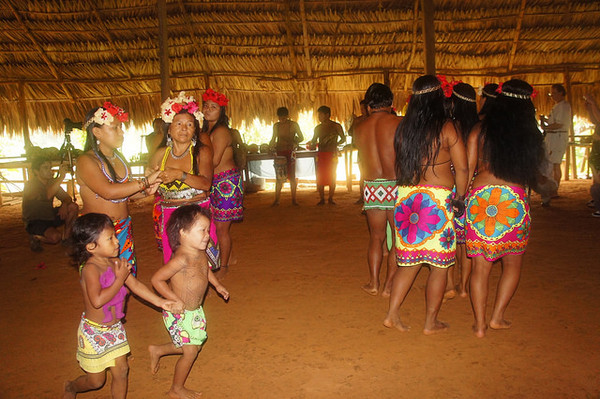
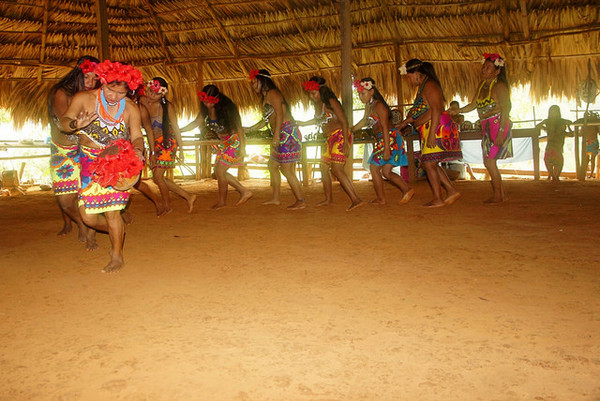
We were greeted by traditional songs and dances, and women barefoot in traditional dress, with beadwork covering their chests and vibrant flower cloths around their hips.
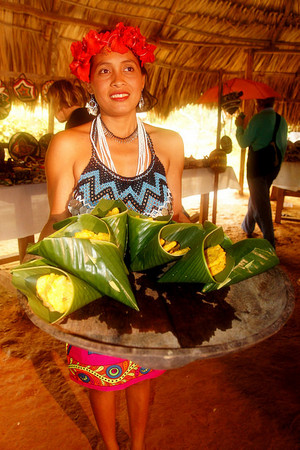
After singing and dancing together with the entire village — adults and children alike — we enjoyed traditional dishes such as tilapia (a type of fish), vegetables, and fried plantains. The rain outside grew heavier, and the nearby river became more turbulent, so we had to head back early.

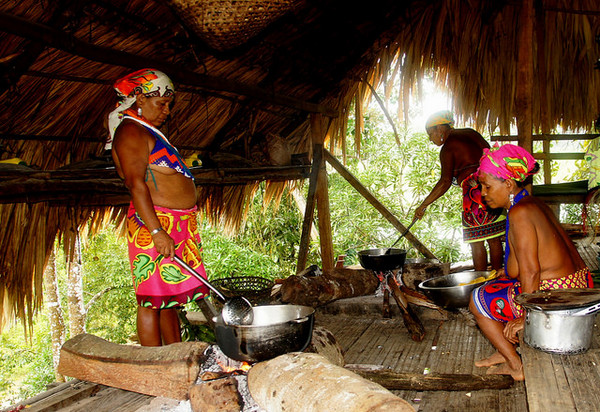
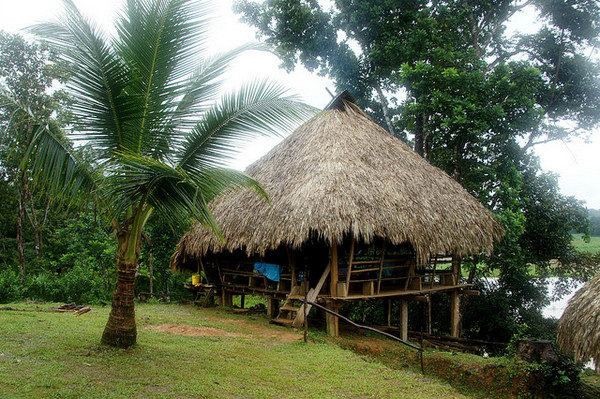
Walking through the muddy paths in the rain, we explored over ten stilted thatched huts in the village and discovered the wisdom of our ancestors’ way of life — such as simple yet odor-free toilets... and more.
As the boat slowly made its way back, men, women, and children on the shore waved goodbye. Suddenly, I truly understood what it means to say, “A traveler’s turn marks a lifetime.”
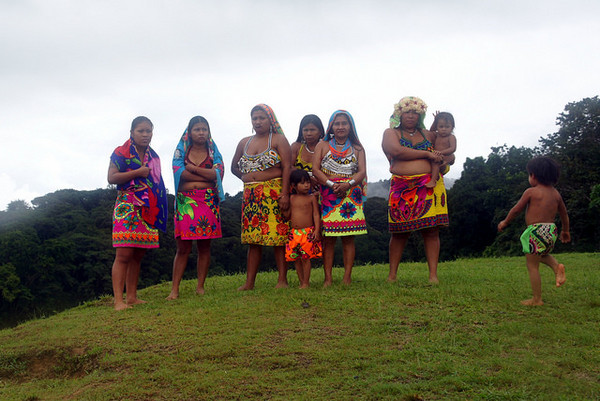
Those smiling faces will stay in my memory forever. I hope that through such travel experiences, traditional cultures can be preserved, and future generations can have better access to education. Waving goodbye, I returned by boat to the familiar world of modern civilization.
Official Website of the Panama Tourism Authority:http://www.panamatours.com/

*For more content, please see -->Happy Cloud’s Travel Blog*
Share
This article is published by HowToTrip. Sharing and reposting are welcome — please credit the source.
Article URL: https://www.howtotrip.net/views-23498
Related Articles
- Shaoxing's "Grandpa Gourd" hangs the gourds back up: "If there are too many people, we'll interact less — just take a quick look from afar"
- Chinese authorities announce "reciprocal adjustment" to Japan visa fees — single-entry visa jumps from 2,250 to 16,750 yen!
- The "health stones" carried by a traveler were found to have radiation levels exceeding safety limits by a thousand times, potentially endangering fellow passengers on the same flight. Customs issues warning!
- Shenzhen Airport Issues Late-Night Notice: Unidentified Aerial Object Detected, Causing Widespread Flight Delays!
- “They only said it cost money after I opened the box and washed it!” 200g of grapes sold for 60 yuan on a high-speed train—12306 responds!
- Can't buy an airline ticket? Denied exit? Blocked from boarding? A large number of Chinese tourists have mysteriously become "discredited individuals"
- Adverse weather and economic fluctuations impact Colombia's coffee market
- Beach bathing area responds to 2 yuan/30 seconds fee for freshwater foot rinsing: Clearly priced!
- Taking off with an improperly closed cabin door? Wing malfunction? Multiple flights made emergency returns mid-journey!
- Experience the gifts of nature! A countdown of the world’s ten most stunning coastlines