The room offers a window view of the entire Mount Fuji. The Shizuoka hotel proudly calls itself a "scenery art museum."
Reported and photographed by Reporter You T-Ru / Shizuoka
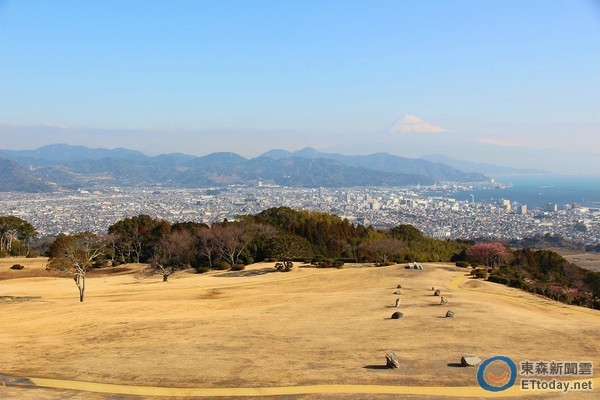
▲%In a certain year, an article introduced the most complete and beautiful form of Mount Fuji. On a clear day, viewing Mount Fuji from this spot may offer a view so magnificent that it cannot be described merely as "stunning."
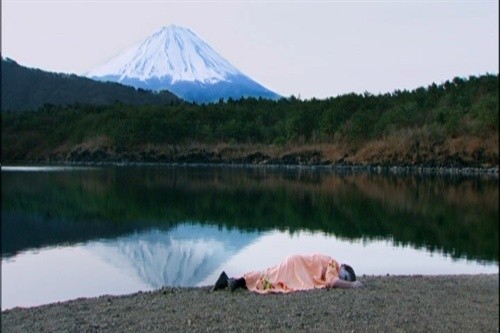
▲In fact, the beauty of Mount Fuji does not lie solely in its outward appearance; the imagery and memories associated with the mountain are what make it truly precious. In the final scene of the movie "When the Cherry Blossoms Fell," the German elderly man Rudy, after the passing of his wife, puts on her clothes and travels to Japan to fulfill her dream of seeing Mount Fuji. In the movie’s last scene, Rudy dances by the shores of Lake Kawaguchi in front of Mount Fuji at dawn until he eventually collapses and dies in front of the mountain’s reflection. The scene conveys the cold yet serene temperature of the snow atop Mount Fuji—an image both poignant and tranquil, arguably one of the classic cinematic portrayals of Mount Fuji.
The final scene of the movie "When the Cherry Blossoms Fell," where Rudy collapses and passes away in front of Mount Fuji’s reflection. (Image / from the internet)
If you view Mount Fuji with different imaginations in mind, everyone’s perception will surely vary. But the beauty of the Mount Fuji view lies not only in its sacred and lofty status in the hearts of the Japanese but also in the layered scenery it forms with elements like rivers and cherry blossoms. Among these, "Nihondaira" in Shizuoka Prefecture is indeed one of the worth-visiting spots, especially the "Nihondaira Hotel."
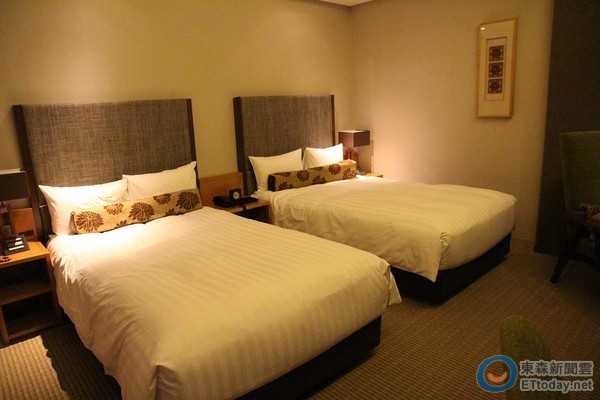
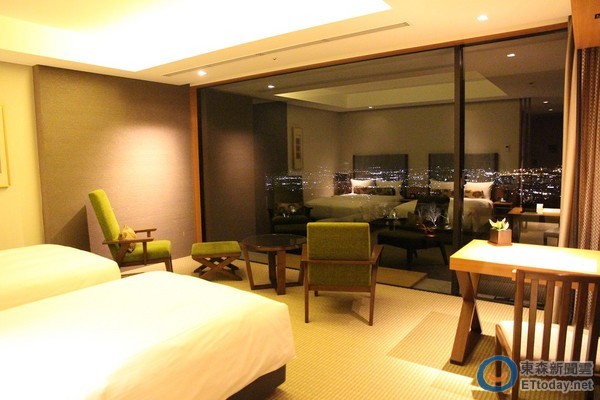
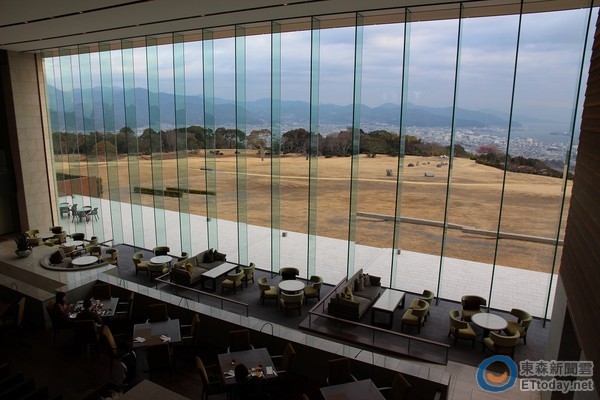
Nihondaira is located in the central part of Shizuoka Prefecture, on the northern hills of Udoriyama facing Suruga Bay and the Izu Peninsula across the water. It has been designated as a prefectural nature park. From Nihondaira, one can take in the full views of Mount Fuji, Suruga Bay, and the surrounding landscape. The Nihondaira Hotel, which reopened in September 2012 with the concept of a "scenery art museum," features large floor-to-ceiling windows that frame the panoramic views of Mount Fuji and Suruga Bay. When reporters visited the Nihondaira Hotel, it was already night. Driving up the pitch-dark mountain roads, visibility was nearly zero. Upon reaching the gentle slope leading to Nihondaira and stepping into the lobby, the entire night view seemed to expand dramatically before one’s eyes, leaving a deep first impression.
▲%The view from the guest rooms is striking, and the scenery is equally impressive from the lobby.
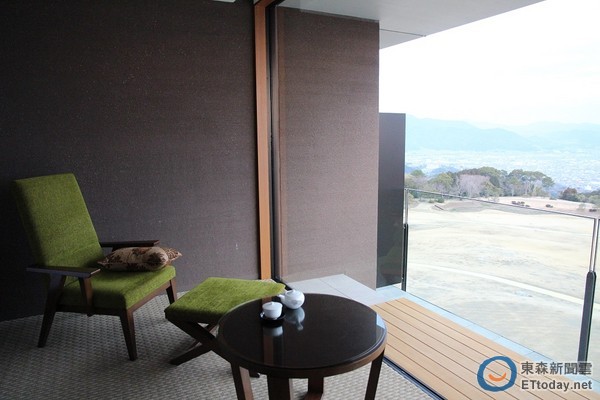
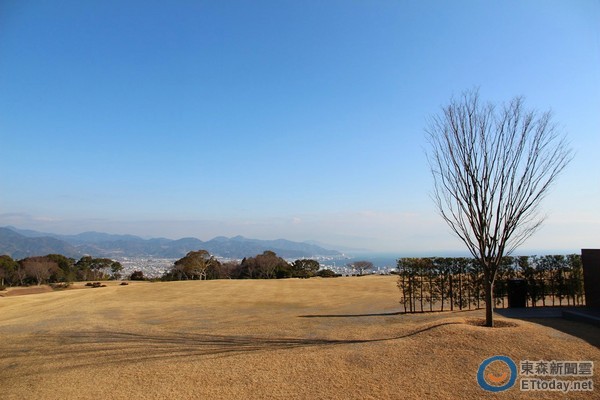
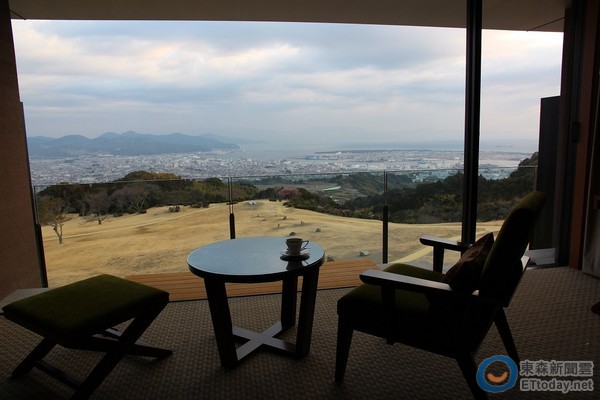
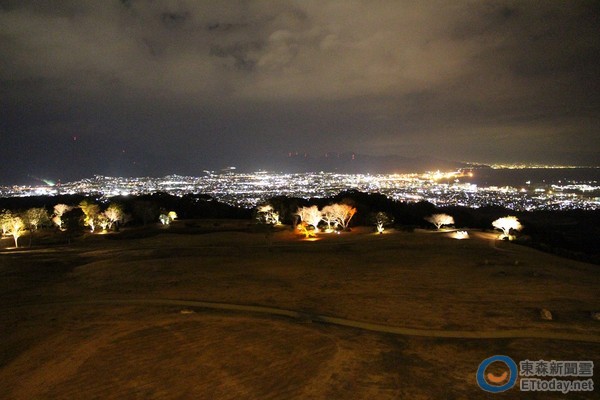
Every year from autumn through March, the dry and cold weather is ideal for viewing Mount Fuji. The Nihondaira Hotel is designed so that every room has a view of Mount Fuji. Stepping out onto the room balcony and looking toward the stone arrangements in the garden, following the line of stones, the full view of Mount Fuji comes into sight. At night, the garden is illuminated, complemented by the twinkling city lights along Suruga Bay, making it hard to even think about going to sleep.
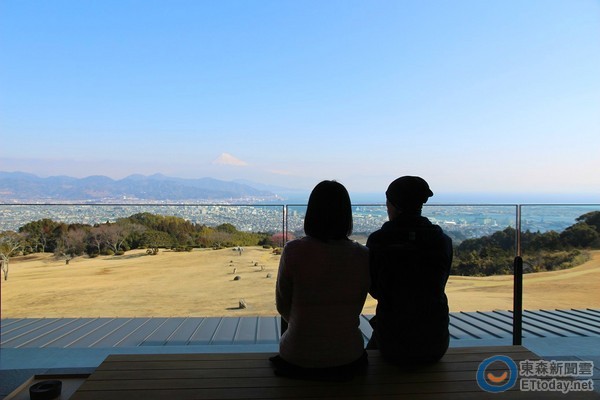
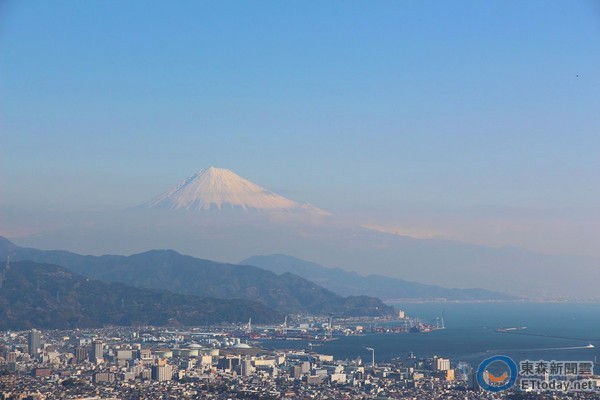
At the Nihondaira Hotel, to prevent guests from being woken up too early by the morning sunlight, each room is equipped with blackout curtains. But for travelers, these curtains might be the least necessary item. Why? Because if you can’t bear to sleep at night, how could you possibly miss the first light of dawn streaming into your room and the breathtaking first sight of Mount Fuji through the window?
▲%Once you step into the guest room, you can enjoy a complete view of Mount Fuji.
Share
This article is published by HowToTrip. Sharing and reposting are welcome — please credit the source.
Article URL: https://www.howtotrip.net/views-23464
Related Articles
- Shaoxing's "Grandpa Gourd" hangs the gourds back up: "If there are too many people, we'll interact less — just take a quick look from afar"
- Chinese authorities announce "reciprocal adjustment" to Japan visa fees — single-entry visa jumps from 2,250 to 16,750 yen!
- The "health stones" carried by a traveler were found to have radiation levels exceeding safety limits by a thousand times, potentially endangering fellow passengers on the same flight. Customs issues warning!
- Shenzhen Airport Issues Late-Night Notice: Unidentified Aerial Object Detected, Causing Widespread Flight Delays!
- “They only said it cost money after I opened the box and washed it!” 200g of grapes sold for 60 yuan on a high-speed train—12306 responds!
- Can't buy an airline ticket? Denied exit? Blocked from boarding? A large number of Chinese tourists have mysteriously become "discredited individuals"
- Adverse weather and economic fluctuations impact Colombia's coffee market
- Beach bathing area responds to 2 yuan/30 seconds fee for freshwater foot rinsing: Clearly priced!
- Taking off with an improperly closed cabin door? Wing malfunction? Multiple flights made emergency returns mid-journey!
- Experience the gifts of nature! A countdown of the world’s ten most stunning coastlines