There are no seasonal restrictions for sightseeing in Nara – in winter, you can even enjoy sunbathing with wild deer.
Text & Photos /Shao Sheng
Winter in Japan is cold, flowers have withered, and even leaves have all fallen, leaving only bare branches lining the streets. Though winter may not be the best season to visit Japan, it is one of the few times when those of us in Taiwan, blessed with long holidays, can take extended time off to travel. That’s why we still came to Japan in winter, and that’s also how we had the chance to visit the ancient capital of Nara, famous for its deer – because sightseeing in Nara knows no seasonal bounds.
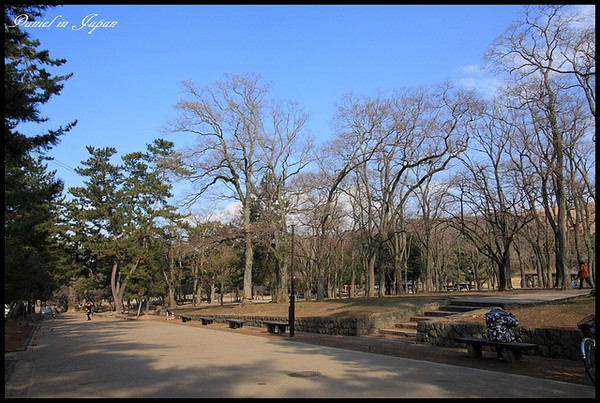
There are two ways to get to Nara’s Tōdai-ji Temple. If you’re in Kyoto, take the JR Nara Line from Kyoto Station to Nara Station. From Osaka, take the Kintetsu Nara Line from Namba to Kintetsu Nara Station. The scenery along the way is rather desolate, with only a few trees still holding onto their leaves.
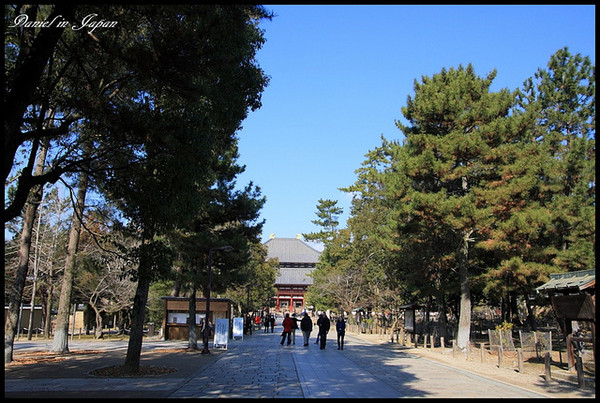
That day, we first went to Shizuka to enjoy some delicious donabe rice, and after our meal, headed to Nara Park and Tōdai-ji. So we simply walked there. But actually, the distance from Kintetsu Nara Station to Tōdai-ji is neither very close nor extremely far — about 1.5 kilometers — though you can also take a bus from the station, which is a good option for those who prefer not to walk.
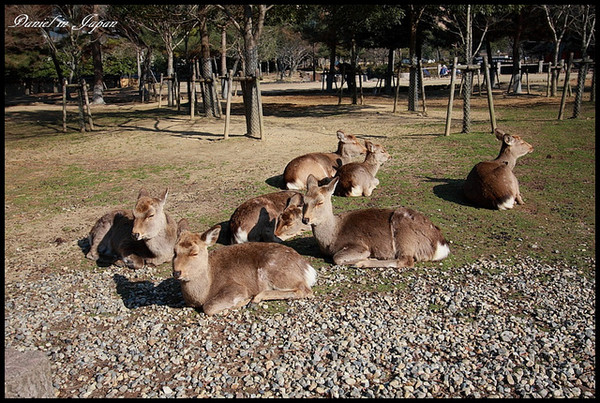
As soon as you enter Nara Park, hundreds of deer come into view. Though Japan was in the midst of winter, it was still very pleasant and comfortable basking in the sunshine. These deer were either begging tourists for food or lazing around in the sun, enjoying their own version of sunbathing.
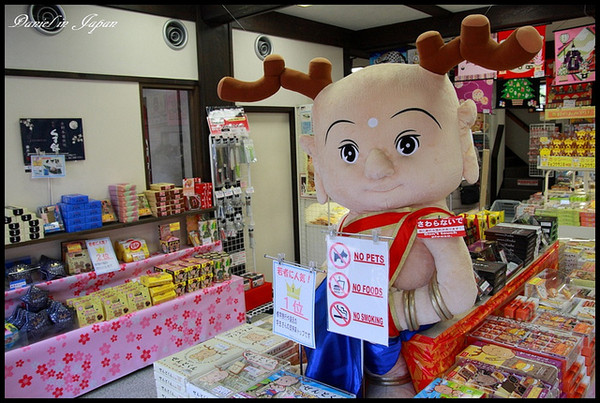
Previously, to celebrate the 1300th anniversary of the relocation of the capital to Heijō-kyō, Nara designed a mascot named Heijō-kun. It features a child-like figure adorned with the antlers of Nara’s deer, reflecting not only local characteristics but perhaps also symbolizing the status of Buddhism in Nara.
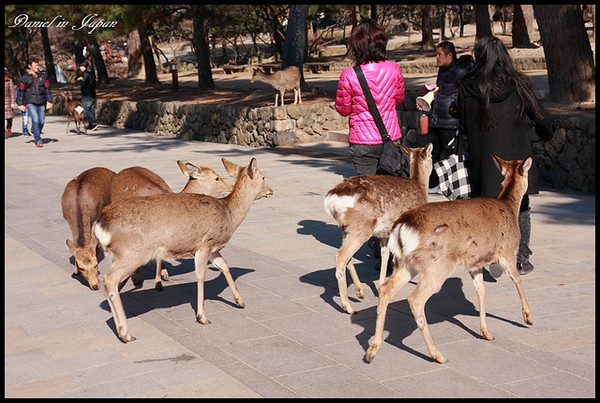
Vendors along the streets of Nara Park sell many deer crackers — snacks specifically made for tourists to feed the deer — so it’s common to see groups of deer swarming around visitors asking for food.
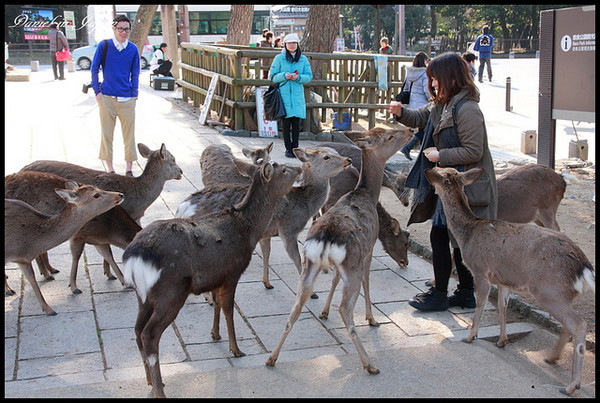
But it seems some deer have grown accustomed to being fed, as a few have even been caught trying to snatch food from tourists’ pockets. Several visitors had drinks pulled out of their bags — a pretty amusing sight. Despite this, these deer are actually much gentler compared to the monkeys on Kaohsiung’s Shoushan.
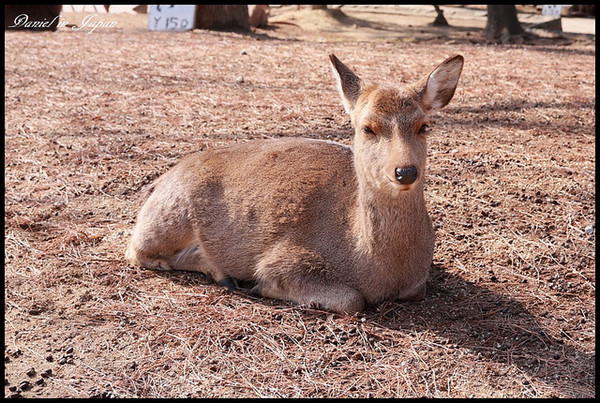
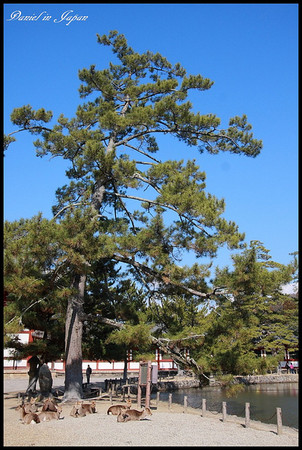
Anytime, anywhere, you’ll find deer soaking up the sun and enjoying their sunbathing sessions.
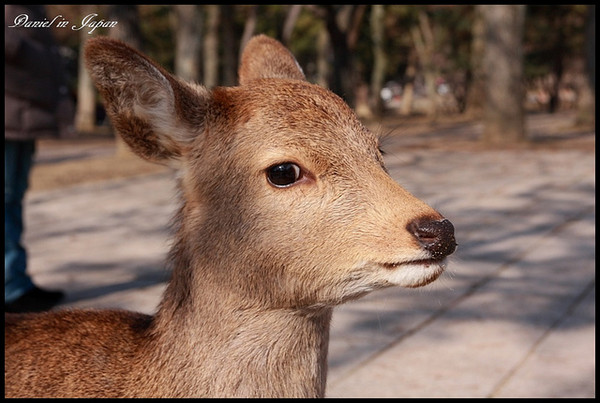
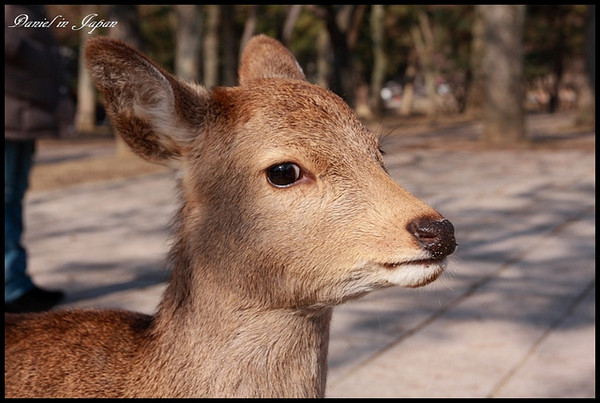
A close-up of a Nara deer — though it looks a bit different from the deer I had imagined in my mind.
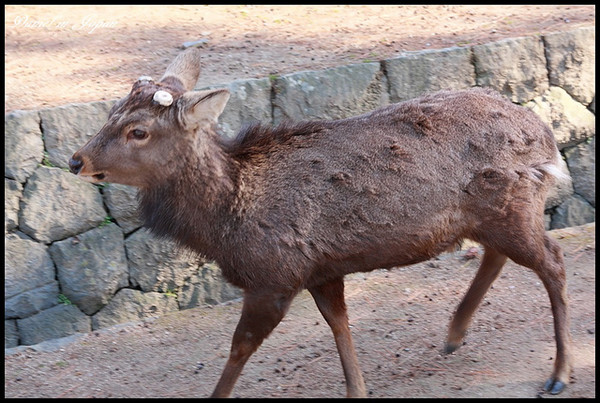
Before coming to Nara to find deer, I’d hoped to spot some with antlers. But I hadn’t seen any until I finally noticed one whose antlers had been sawed off. I assume they were either harvested for velvet antler or removed to prevent the deer from harming tourists. This particular deer’s fur was quite messy, almost as if it had been mistreated.
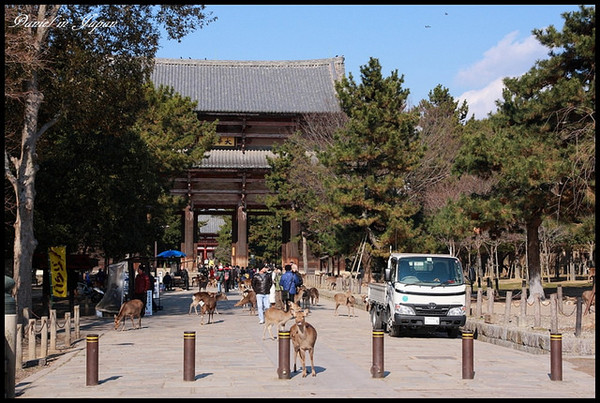
After exploring Nara Park, we moved on to our next destination — Tōdai-ji Temple. Along the way, the deer were just as plentiful.
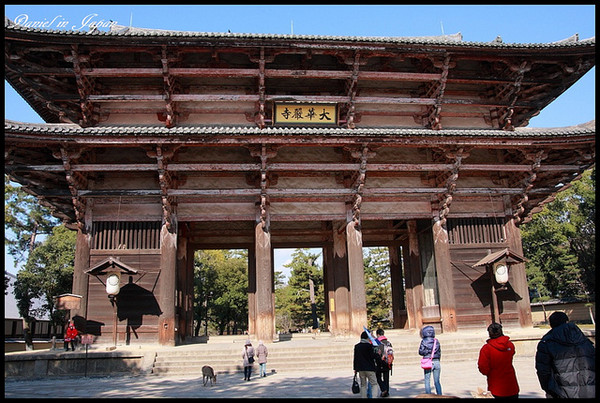
The South Gate, flanked by the famous twin Nio guardian statues. Tōdai-ji was founded in 728 AD by Emperor Shōmu and has a history of over 1,200 years, making it an ancient and significant Buddhist temple. In 1998, Tōdai-ji was inscribed as a UNESCO World Heritage Site as part of the “Historic Monuments of Ancient Nara.”

Entry to Tōdai-ji is free, but you need to buy a ticket to enter the Great Buddha Hall. There’s a ticket booth nearby where you can purchase your admission before entering the temple for worship.
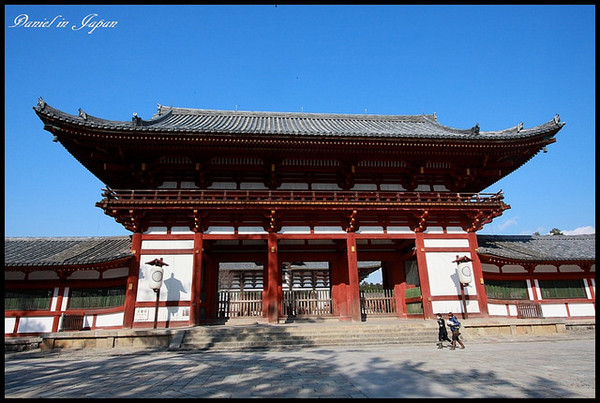
However, once you pass through the South Gate, it still takes a short walk to reach the main area. The gate you see is not the entrance — you’ll need to go around to the other side. The grounds of Tōdai-ji are astonishingly vast.
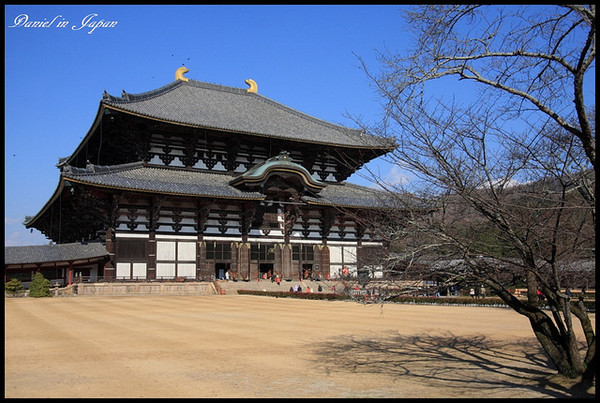
The Great Buddha Hall is the main highlight. Though Tōdai-ji might not seem particularly special at first glance, the hall itself measures 57 meters in width and 50 meters in depth, claiming the title of the world’s largest wooden building. Inside, there’s a 15-meter-tall statue of Vairocana Buddha, though photos of the statue are rare. Tōdai-ji is also known as a famous cherry blossom viewing spot; without the blossoms, the temple feels as if it lacks a touch of its usual splendor.
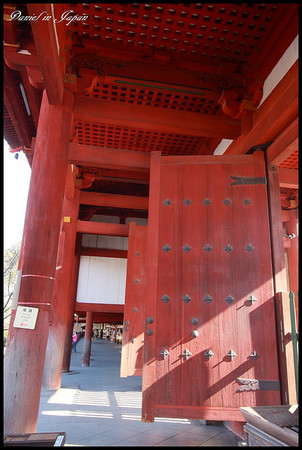
The red wooden gate leading into the Great Buddha Hall is towering, and the weathered marks on the wood bear witness to the historical trials Tōdai-ji has endured.
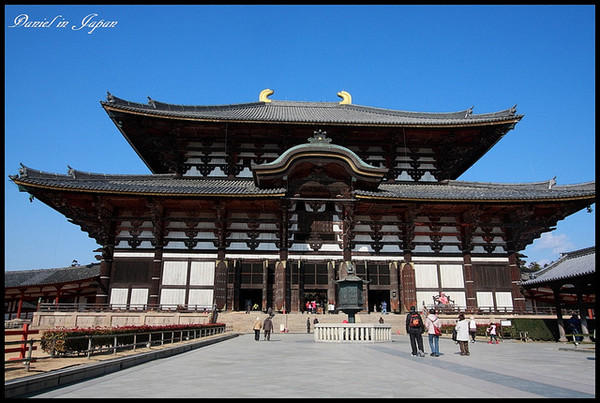
The octagonal lantern in front of Tōdai-ji is said to be an important cultural relic. The entire wooden temple complex exudes an antique charm with distinct Chinese influences. According to Tōdai-ji’s official website, during the time when relations between Japan and the Tang Dynasty were strong, Buddhism flourished in both places, and the architectural style reflects ancient Chinese designs.
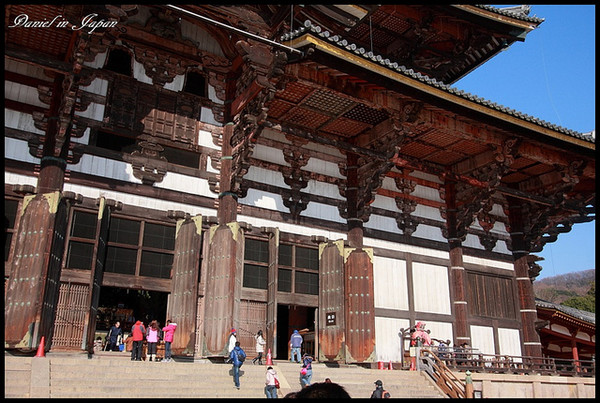
Looking closely at this — the world’s largest wooden temple — is truly a breathtaking experience. Historically, Tōdai-ji has survived multiple fires and earthquakes, and the current structure was reconstructed in 1709.
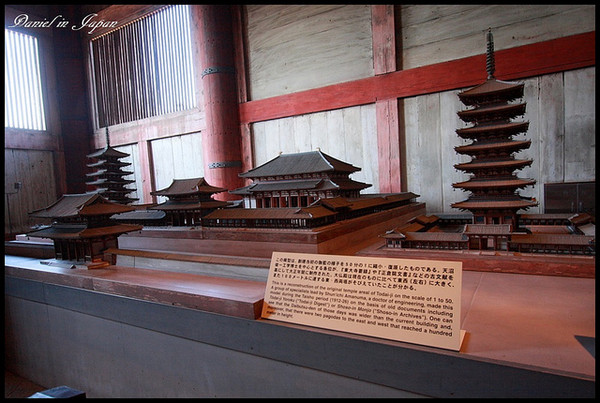
The Great Buddha Hall displays a model of Tōdai-ji, allowing visitors to view the temple complex in its entirety.
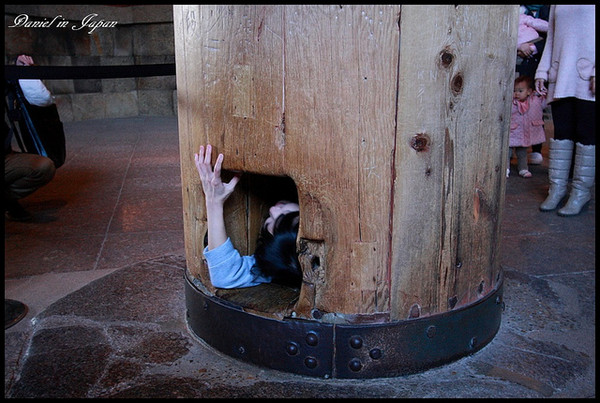
One of the pillars inside the Great Buddha Hall has a hollow center, and children love to try crawling through it. But for some reason, every time I see this, it reminds me of Sadako from “The Ring.”
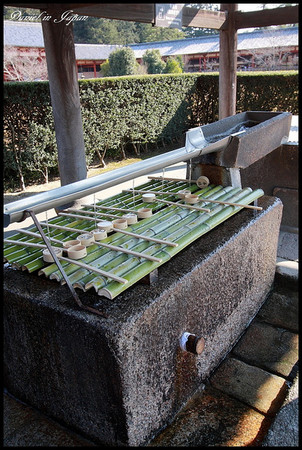
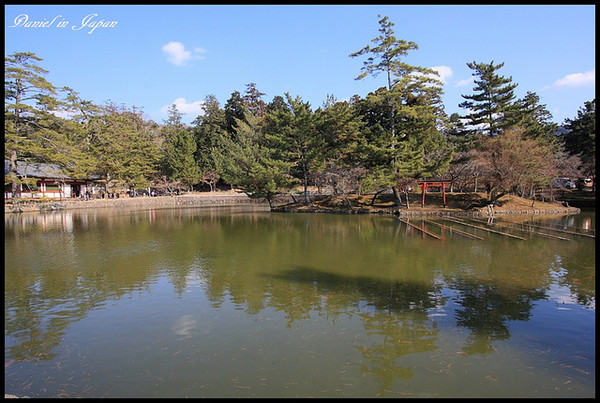
After admiring the Great Buddha Hall, step outside to the temple’s lake area — a tranquil and beautiful spot perfect for relaxation.
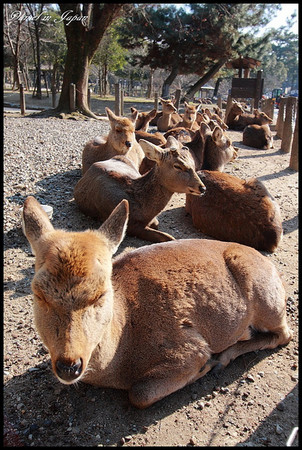
There are still plenty of deer lounging around the lake, enjoying the sun — XD.
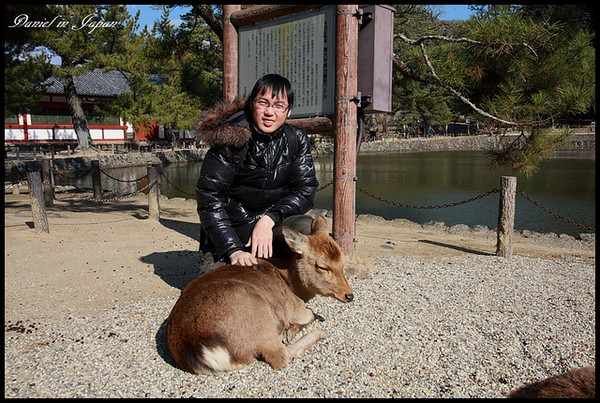
Finally, snap a cute photo with one of the adorable deer. Tōdai-ji is a historic Japanese temple and the world’s largest wooden structure. Beyond the Great Buddha Hall, the complex includes many smaller temples and halls, though we didn’t have time to explore them all this trip. Still, Tōdai-ji is absolutely worth a visit — not only for its elegant ancient architecture but also for the charming Nara deer that welcome you. It’s a fantastic travel destination.
【Tōdai-ji Temple】
Address: 406-1 Zoushi-cho, Nara City, Nara Prefecture, Japan
Phone: +81 742-22-5511
Xiao Sheng's Wandering Journey
Every journey of wandering, every trip is about seeking—though I’m not entirely sure what I’m looking for—but in the end, what I gain often turns out to be more than I ever imagined. That’s why my wandering journey will continue, without end.
Share
This article is published by HowToTrip. Sharing and reposting are welcome — please credit the source.
Article URL: https://www.howtotrip.net/views-22872
Related Articles
- Shaoxing's "Grandpa Gourd" hangs the gourds back up: "If there are too many people, we'll interact less — just take a quick look from afar"
- Chinese authorities announce "reciprocal adjustment" to Japan visa fees — single-entry visa jumps from 2,250 to 16,750 yen!
- 旅客携带的“保健石”核辐射超标千倍,同机人员或遭殃!海关提醒!
- 深圳机场深夜通报!出现不明升空物,航班大面积延误!
- “拆盒洗了才说要钱!”高铁200克葡萄卖60元,12306回应!
- 买不了机票?出境被拒?登机被拦?一大波中国游客莫名成了“失信人”
- 不利天气和经济波动影响哥伦比亚咖啡市场
- 海边浴场回应冲脚淡水收费2元/30秒:明码标价!
- 舱门没关好就起飞?机翼出现问题?多个航班途中紧急折返!
- 感受大自然的馈赠!盘点世界十大唯美海岸线